Italy

Colosseum Ancient Amphitheater, Rome Italy
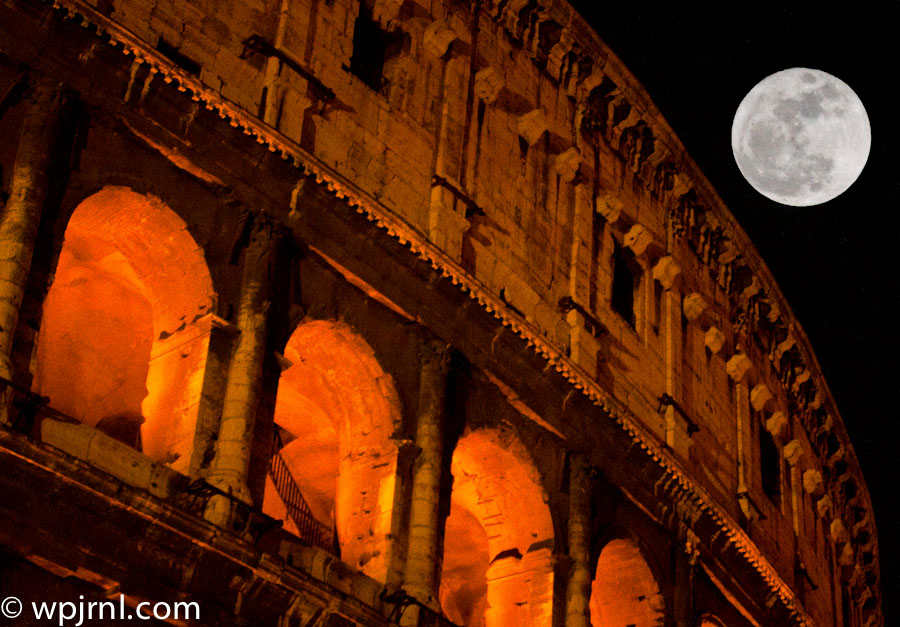
Colosseum Ancient Amphitheater, Rome Italy
Experience the grandeur of ancient Rome under the moonlight at this iconic amphitheater that has stood for nearly 2,000 years.

The Colosseum, also known as the Flavian Amphitheatre, is one of the most recognizable monuments of ancient Rome and the world. Built between 70-80 AD, this magnificent structure once hosted gladiatorial combat and public spectacles that captivated thousands of spectators. Today, it stands as a testament to the architectural prowess and engineering brilliance of the Roman Empire, with its iconic arches and weathered stone facade telling stories of centuries past.

Night photography at the Colosseum reveals the structure’s true majesty, as strategic lighting illuminates the ancient arches in warm golden tones while the full moon rises above, creating a mystical atmosphere. This interplay of artificial and natural light transforms the ruins into a dreamlike vision, making evening visits particularly enchanting for photographers and history enthusiasts alike.

As one of Rome’s most visited attractions, the Colosseum represents the pinnacle of Roman achievement and continues to inspire awe in millions of visitors each year. Whether explored by daylight or admired under the stars, this UNESCO World Heritage Site remains an unforgettable destination.

Highlights

  • Ancient Roman engineering with its iconic four-story arched facade featuring different architectural orders
  • Capacity to hold up to 50,000 spectators during its operational days
  • Underground chambers (hypogeum) that once housed wild animals and gladiators before performances
  • Exceptional nocturnal photography opportunities with dramatic lighting and moonlit skies

What to Do

  • Take guided tours through the Colosseum to learn about gladiatorial combat and ancient Roman society
  • Explore the underground areas to see where animals and fighters were kept
  • Visit at night for spectacular photography when the monument is beautifully illuminated
  • Combine a visit with nearby attractions like the Roman Forum and Palatine Hill
  • Capture stunning sunset and moonrise shots from elevated viewpoints around the structure

Best Time to Visit

Visit during spring (April-May) or fall (September-October) for pleasant weather and smaller crowds. Evening visits during clear nights offer the best photography opportunities, especially during a full moon.

Getting There

The Colosseum is easily accessible via Rome’s public metro system (Line B, Colosseo station). Located in central Rome, it’s also reachable by bus or taxi. The nearest airport is Leonardo da Vinci-Fiumicino Airport, about 30 kilometers away.

Visitor Tips

  • Book tickets online in advance to skip long queues, especially during peak season
  • Wear comfortable walking shoes as the terrain is uneven and involves climbing stairs
  • Bring a camera with good low-light capabilities for nighttime photography
  • Visit early morning or late evening to avoid midday crowds and heat
  • Allow 2-3 hours for a thorough exploration of all accessible areas

Nearby

  • Roman Forum – ancient governmental and social center of Rome
  • Palatine Hill – ruins of imperial palaces overlooking the Forum
  • Arch of Constantine – triumphal arch dedicated to Constantine the Great
  • Santa Maria in Aracoeli – medieval church with stunning city views

The Colosseum stands as a timeless symbol of human achievement and the grandeur of ancient civilizations. Whether you’re a history buff, architecture enthusiast, or photography lover, standing before this magnificent monument under the light of the moon is an experience that connects you to nearly two millennia of human history. Plan your visit to this eternal monument and let its ancient stones transport you through time.

Location Map

Colosseum Ancient Amphitheater, Rome Italy Read More »
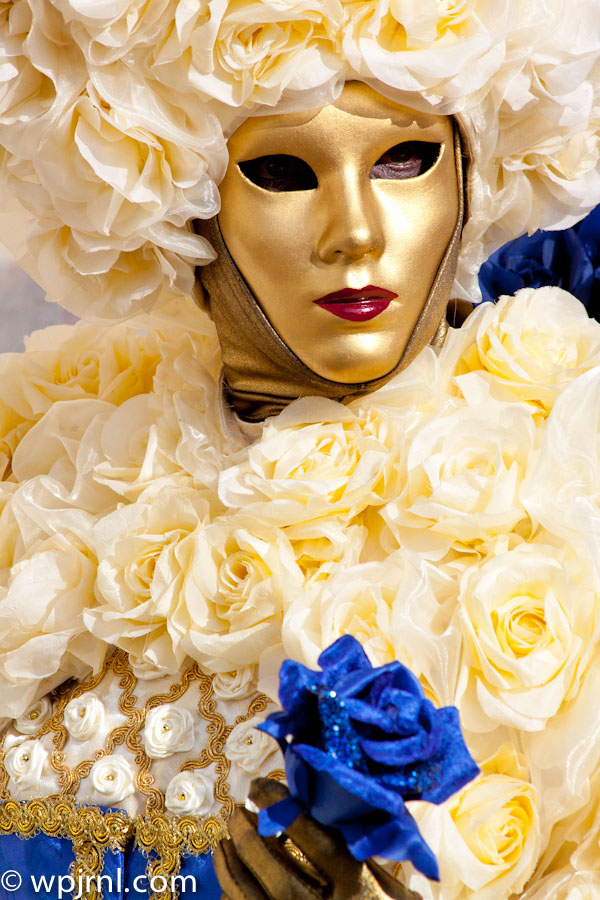
Venice Carnival, Venice Italy

Venice Carnival, Venice Italy
Experience the world’s most enchanting masked celebration where elaborate costumes and golden masks transform the ancient canals into a surreal masquerade.

The Venice Carnival is one of the most iconic and visually stunning festivals in the world, celebrated annually in Venice, Italy. This legendary event dates back to the 12th century and has been revived as a major cultural celebration since 1979. The carnival transforms the entire city into a living theater where visitors and locals don ornate masks, elaborate costumes, and theatrical disguises that range from traditional Venetian designs to avant-garde artistic creations. The streets, squares, and waterways become stages for pageantry, music, and an atmosphere of mystery and revelry that captures the romance and history of Venice.

The carnival celebrates Venice’s rich heritage as a maritime republic and its tradition of masked balls and theatrical performances. Participants embrace the spirit of transformation, where social conventions dissolve behind intricate masks adorned with feathers, gold leaf, jewels, and flowers. The festival creates an otherworldly experience where fantasy becomes reality, and the city’s Renaissance architecture provides a timeless backdrop for elaborate costumes and artistic expression.

Highlights

  • Ornate golden and jeweled masks featuring traditional Venetian designs and contemporary artistic interpretations
  • Elaborate flower-adorned costumes with luxurious fabrics, flowing gowns, and theatrical accessories
  • Street performances and parades throughout the historic squares and along the Grand Canal
  • Historic San Marco Basilica and Doge’s Palace framed by masked revelers in full costume
  • Evening masked balls and private events in Renaissance palaces and elegant venues

What to Do

  • Attend or witness the crowning of the Carnival Queen and grand processions in St. Mark’s Square
  • Browse boutiques and artisan shops for authentic handmade masks and costumes
  • Participate in impromptu street theater and pose with costumed performers for photos
  • Explore hidden squares (campi) where smaller celebrations and costume gatherings occur
  • Experience the mystery and pageantry of evening masquerade events and formal balls

Best Time to Visit

The Venice Carnival takes place in late winter, typically 10 days leading up to Ash Wednesday (February/March). This timing offers crisp weather, fewer summer crowds, and the authentic festival atmosphere with both locals and international visitors celebrating together.

Getting There

Venice is accessible by train, car (with parking in Mestre), or by flying into nearby Marco Polo Airport. Water taxis, gondolas, and public vaporetto boats transport visitors through the canals to festival sites throughout the city.

Visitor Tips

  • Book accommodations well in advance as the carnival draws massive international crowds
  • Wear comfortable walking shoes as cobblestone streets and bridges require extensive walking
  • Consider renting or purchasing a mask and costume to fully immerse in the carnival spirit
  • Visit early morning to enjoy iconic sites like St. Mark’s Square with fewer crowds
  • Be aware that pickpocketing increases during carnival; keep valuables secure and guarded

Nearby

  • St. Mark’s Basilica and the adjacent Doge’s Palace with Byzantine and Gothic architecture
  • Rialto Bridge, Venice’s iconic structure spanning the Grand Canal
  • Murano Island, famous for traditional Venetian glassmaking demonstrations
  • Burano Island, known for colorful houses and traditional lace-making

The Venice Carnival is an unparalleled celebration of art, history, and human creativity where ancient tradition meets contemporary expression. Whether you arrive in an elaborate costume or simply to witness the spectacle, the carnival invites you into a world of mystery and beauty that exists nowhere else on Earth. The moment you step into Venice’s narrow streets adorned with costumed revelers and intricate masks, you become part of centuries-old magic that continues to captivate and inspire visitors from around the globe.

Location Map

Venice Carnival, Venice Italy Read More »
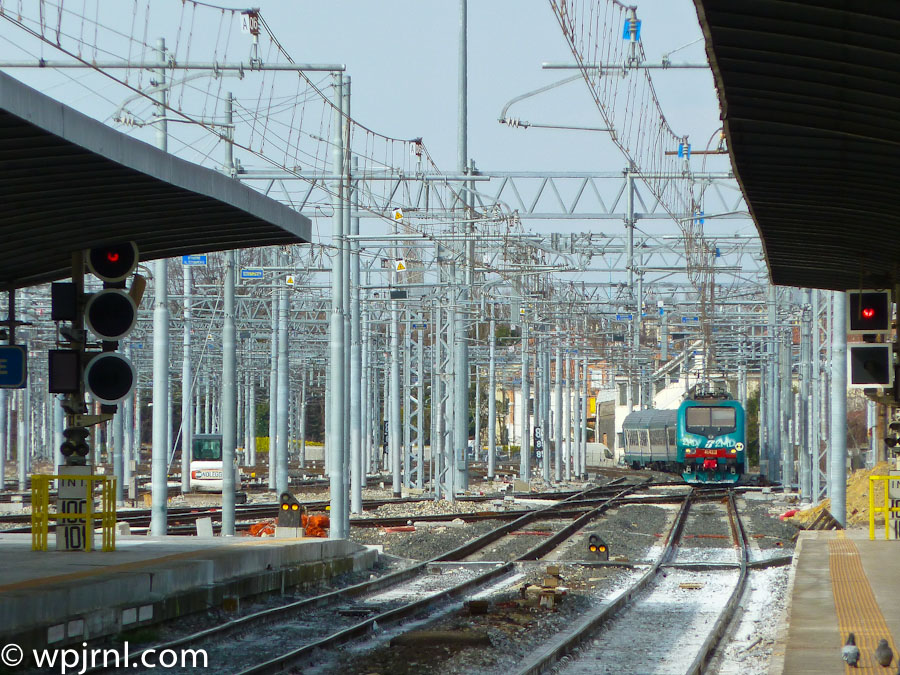
Venice Mestre Station Railway Hub, Venice Italy

Venice Mestre Station Railway Hub, Venice Italy
A modern railway gateway connecting mainland Venice to Italy’s extensive rail network with impressive infrastructure and engineering.

Venice Mestre Station is the primary railway hub serving the Venice metropolitan area, located on the mainland in Mestre rather than on the famous island itself. This substantial transit facility showcases contemporary Italian railway infrastructure with its extensive network of overhead electrical lines, multiple tracks, and modern signaling systems. The station serves as a crucial transportation junction for both regional and long-distance trains, connecting travelers to destinations throughout Italy and beyond. Its impressive architectural framework of steel structures and platforms demonstrates the scale and importance of rail transport in this region.

Highlights

  • Extensive overhead catenary wire network supplying power to electric trains
  • Multiple parallel railway tracks accommodating high traffic volume
  • Modern signaling systems with automated traffic lights
  • Large covered platform areas protecting passengers from weather
  • Important junction connecting Venice island to mainland Italy

What to Do

  • Observe the complex railway operations and train movements
  • Study the impressive engineering of the overhead electrical infrastructure
  • Watch various regional and international trains arrive and depart
  • Use the station as a transportation hub to explore Venice and surrounding regions
  • Photograph the geometric patterns of the railway infrastructure

Best Time to Visit

Spring and fall offer pleasant weather for visiting. Summer can be crowded with tourists, while winter is quieter but cooler. Any time of year provides excellent opportunities to observe active rail operations.

Getting There

Mestre Station is accessible by train from throughout Italy and Europe. By car, follow signs for Mestre from the Venice ring road. Public buses connect the station to surrounding areas. From the station, take a train or bus to Venice island, or rent a car to explore the mainland.

Visitor Tips

  • Arrive early during peak travel times to navigate the busy station
  • Purchase tickets in advance for better rates on regional and long-distance trains
  • The station has restaurants and shops for refreshments before traveling
  • Photography enthusiasts should note the dramatic industrial aesthetic of the railway infrastructure
  • Allow extra time if connecting to Venice island services

Nearby

  • Venice Island – Historic city center with St. Mark’s Basilica
  • Grand Canal – Famous waterway through Venice
  • Mestre Town Center – Local shopping and dining
  • Venice Lagoon – Natural scenic area surrounding the islands

Venice Mestre Station represents the vital connection between modern Italy and one of the world’s most enchanting destinations. Whether you’re a railway enthusiast captivated by its impressive infrastructure or a traveler using it as your gateway to explore Venice and beyond, this station embodies the engineering excellence and transportation heritage that links Italy’s cities and people. Plan your visit to experience this important transportation hub and appreciate the remarkable feat of engineering that makes Venice accessible to the modern world.

Location Map

Venice Mestre Station Railway Hub, Venice Italy Read More »
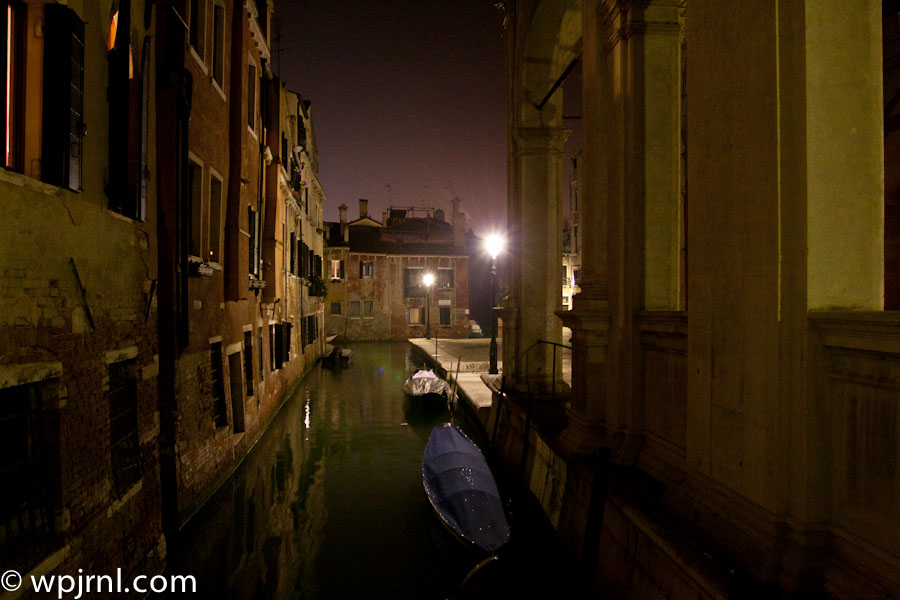
Venice Canals at Night, Venice Italy

Venice Canals at Night, Venice Italy
Experience the magical romance of Venice’s illuminated waterways after dark, where gondolas glide silently through narrow canals lined with centuries-old architecture.

Venice at night transforms into an enchanting dreamscape where the soft glow of street lamps reflects off calm canal waters, creating an atmosphere of timeless romance and mystery. This photograph captures the essence of nocturnal Venice—a quieter, more intimate version of the bustling daytime city. The narrow waterway, flanked by weathered buildings with their characteristic Venetian facades, showcases the unique character that has made this floating city legendary for over a thousand years.

As darkness falls, Venice sheds its crowds of day-trippers and reveals itself to evening visitors and locals alike. The interplay of artificial light and shadow highlights the architectural details of the historic buildings, while the still waters create perfect reflections of the illuminated structures. This is when gondoliers guide their boats through the labyrinth of canals with practiced ease, and the city’s true magic becomes apparent.

Highlights

  • Peaceful night-time gondola rides through narrow, lamp-lit canals
  • Stunning reflections of historic Venetian architecture in still canal waters
  • Intimate atmosphere away from daytime tourist crowds
  • Atmospheric interplay of warm lights on weathered medieval buildings
  • Authentic experience of traditional Venetian life after sunset

What to Do

  • Take a romantic evening gondola ride through the quieter canals away from major thoroughfares
  • Photograph the atmospheric lighting and reflections that make Venice’s architecture shine at night
  • Explore the smaller calle (alleyways) on foot, discovering hidden piazzas and bridges illuminated by street lamps
  • Dine at a waterfront restaurant and watch the canal life unfold after dark
  • Visit nearby attractions like St. Mark’s Basilica, which offers night-time illumination during special seasons

Best Time to Visit

October through March offers cooler temperatures, fewer tourists, and darker evenings perfect for night photography. Avoid peak summer months (June-August) when crowds persist even after sunset.

Getting There

Fly into Venice Marco Polo Airport (VCE), then take the water bus (vaporetto) or water taxi to reach the city center. Most canal areas are accessible on foot or by private gondola.

Visitor Tips

  • Bring a sturdy tripod if you plan night photography—the low light requires longer exposures
  • Wear comfortable walking shoes; navigating Venice’s bridges and narrow streets is easier on foot at night
  • Book gondola rides in advance for better rates and guaranteed availability during evening hours
  • Carry a detailed map or use GPS; the maze-like canal system can be disorienting after dark
  • Respect local residents by keeping noise levels low during late evening explorations

Nearby

  • St. Mark’s Basilica and Piazza San Marco (5-minute walk)
  • Doge’s Palace (5-minute walk)
  • Rialto Bridge and Market (10-minute walk)
  • Accademia Gallery (15-minute walk)
  • Islands of Murano and Burano (30-minute vaporetto ride)

Venice at night is a revelation—a chance to experience this UNESCO World Heritage city as it truly exists, beyond the postcard images. The gentle lap of water against ancient stones, the soft glow of street lamps on weathered facades, and the freedom to explore without overwhelming crowds create memories that will linger long after you leave. Whether you’re gliding through canals in a gondola or wandering the lamplit streets, nocturnal Venice offers an authenticity and romance that daytime visitors rarely discover. Come experience the magic of this incomparable floating city when the stars emerge and the waters grow still.

Location Map

Venice Canals at Night, Venice Italy Read More »
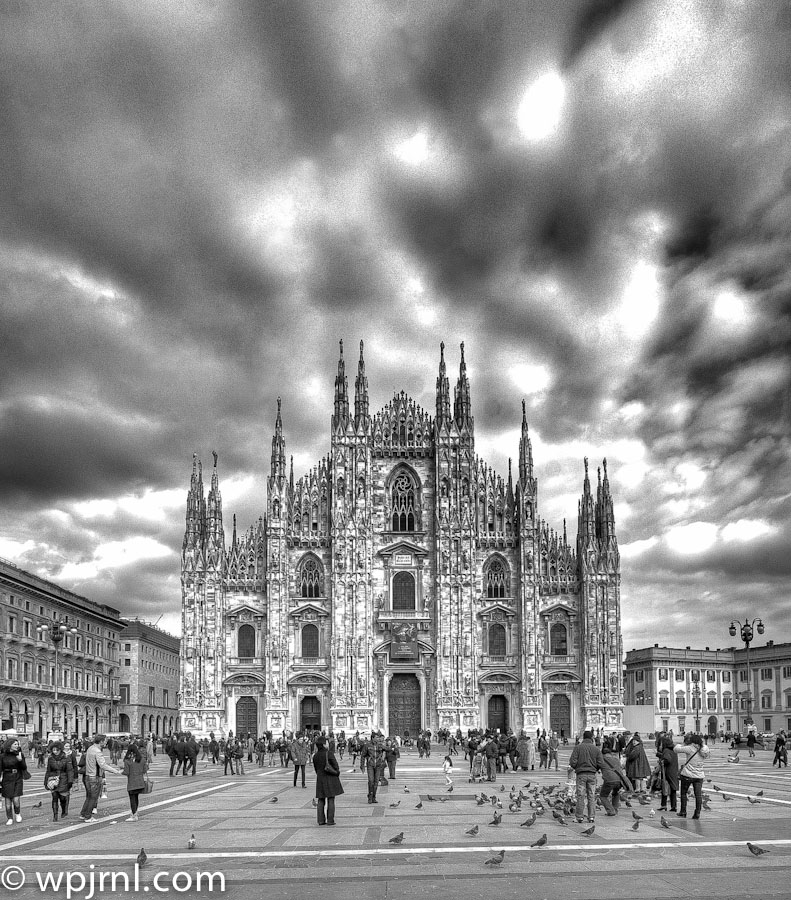
Milan Cathedral (Duomo di Milano), Milan Italy

Milan Cathedral (Duomo di Milano), Milan Italy
A breathtaking Gothic masterpiece with over 3,000 ornate spires that dominates Milan’s iconic central square.

The Milan Cathedral, or Duomo di Milano, stands as one of Europe’s most magnificent Gothic structures and the largest cathedral in Italy. This architectural wonder took nearly six centuries to complete, with construction beginning in 1386 and finishing in 1965. The cathedral’s stunning white and pink marble façade, adorned with intricate carvings and countless spires, creates an ethereal presence in Piazza del Duomo. Its sheer scale and meticulous Gothic details draw millions of visitors annually, making it an unmissable landmark for anyone exploring Milan.

Highlights

  • Stunning Gothic façade with 3,200+ marble statues and ornamental spires
  • Interior containing five naves with soaring vaulted ceilings and stained glass windows
  • Rooftop terraces offering panoramic views across Milan and the Alps on clear days
  • The golden Madonnina (Little Madonna) statue crowning the main spire at 108.5 meters high

What to Do

  • Climb the 251 steps to the rooftop for spectacular city views and close-up details of the marble architecture
  • Explore the cathedral’s interior, admiring the stained glass and Renaissance artworks
  • Visit the Museum of the Duomo to learn about its 600-year construction history
  • Walk around Piazza del Duomo square to see the building from multiple perspectives
  • Attend an evening service to experience the cathedral’s acoustic splendor

Best Time to Visit

April to September offers pleasant weather and clear skies for rooftop views, though expect larger crowds. Late afternoon provides the best dramatic lighting for photography.

Getting There

Metro: M1 and M3 lines stop directly at Duomo station. Trams 2, 3, 4, 12, 14, 19, and 24 serve Piazza del Duomo. The cathedral is in the heart of Milan’s city center, easily accessible from major hotels and transportation hubs.

Visitor Tips

  • Book rooftop tickets in advance during peak season to avoid long queues
  • Dress respectfully—shoulders and knees should be covered for entry into the cathedral
  • Visit early morning for fewer crowds and better photography lighting
  • Bring comfortable walking shoes for exploring the interior and climbing stairs
  • Consider purchasing a combined ticket for the Cathedral, Rooftop, and Museum

Nearby

  • Galleria Vittorio Emanuele II shopping arcade
  • La Scala Opera House
  • Pinacoteca di Brera art museum
  • Sforza Castle and Museums

The Milan Cathedral is more than just a building—it’s a testament to human ambition, artistic mastery, and centuries of dedication. Standing in Piazza del Duomo, gazing up at those intricate spires piercing the sky, you’ll understand why this Gothic masterpiece continues to inspire awe in visitors from around the world. Whether you admire it from the square, ascend its rooftops, or explore its serene interior, the Duomo offers an unforgettable experience that captures the soul of Milan.

Location Map

Milan Cathedral (Duomo di Milano), Milan Italy Read More »
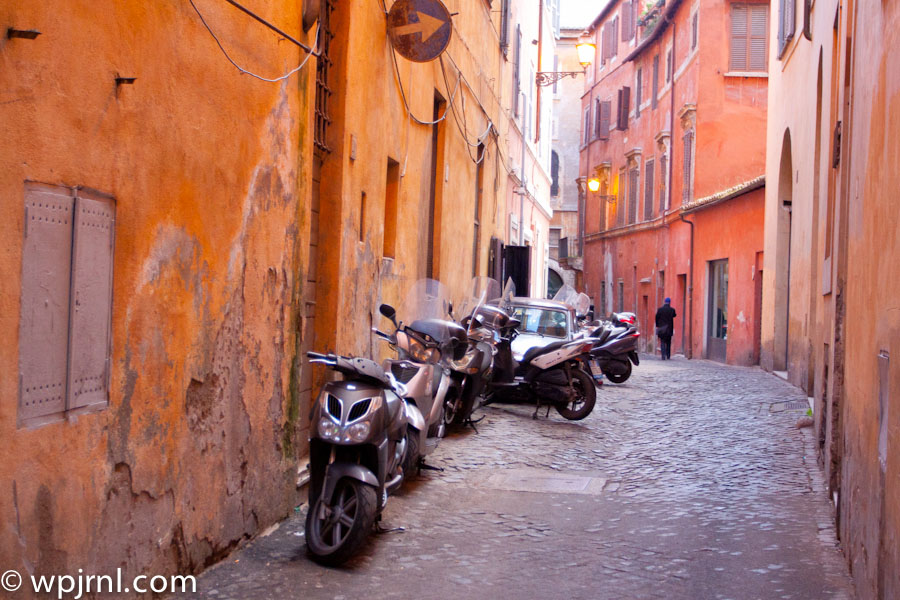
Centro Storico Streets, Bologna Italy

Centro Storico Streets, Bologna Italy
Charming medieval alleyways lined with terracotta buildings and local life in Bologna’s historic heart.

The Centro Storico of Bologna is a living testament to centuries of Italian history, where narrow cobblestone streets wind between stunning terracotta and rust-colored buildings that seem frozen in time. These intimate alleyways are the lifeblood of the city, bustling with locals on scooters, residents heading to work, and visitors discovering the authentic character of one of Italy’s most underrated cities. Walking through these streets feels like stepping into a Renaissance painting, where every corner reveals architectural details, hidden courtyards, and the genuine rhythm of daily Italian life.

The warm hues of the buildings—burnt orange, dusty rose, and golden yellow—create a photogenic backdrop that changes beautifully throughout the day with shifting light. The historic architecture, with its shuttered windows, wrought-iron details, and weathered facades, tells stories of generations who have called these streets home. This is Bologna beyond the tourist postcards: real, vibrant, and deeply atmospheric.

Centro Storico is home to one of Europe’s oldest universities, major basilicas, and miles of covered porticoes that create unique shopping and dining experiences. It’s a place where food culture thrives, where tradition is respected, and where you can experience authentic Italian urban living.

Highlights

  • Terracotta and rust-colored medieval architecture creating one of Italy’s most photogenic streetscapes
  • Authentic local life with residents and scooters, untouched by heavy tourism
  • Cobblestone streets dating back centuries, navigable only on foot or motorscooter
  • Proximity to Piazza Maggiore, the Basilica di San Petronio, and historic towers
  • Covered porticoes (portici) unique to Bologna, offering shelter and distinctive shopping experiences

What to Do

  • Wander the maze-like streets without a map to discover hidden piazzas and local bars
  • Visit the University of Bologna, one of the world’s oldest and most prestigious institutions
  • Explore the Basilica di San Petronio and climb the nearby Torre degli Asinelli for city views
  • Shop and dine under the famous porticoes, sampling authentic Bolognese cuisine
  • Visit museums and galleries housed in historic Renaissance palaces throughout the center
  • Photograph the distinctive architecture at different times of day for varying light

Best Time to Visit

Spring (April-May) or fall (September-October) offer pleasant weather, fewer crowds than summer, and beautiful light for photography. Summer can be hot and crowded, while winter is quieter but cold.

Getting There

Bologna Centrale train station is the main hub, with regular trains from major Italian cities. The Centro Storico is walkable from the station (about 15 minutes). Local buses also serve the area. By car, use paid parking garages on the periphery as the historic center is pedestrian-only.

Visitor Tips

  • Wear comfortable walking shoes—the cobblestone streets are charming but demanding on feet
  • Visit early morning or late afternoon for fewer crowds and the best photographic light
  • The streets are genuinely narrow; be aware of scooters and small vehicles
  • Bring a reusable water bottle; fountains are available throughout the center
  • Learn a few Italian phrases; locals appreciate the effort in this less-touristy center

Nearby

  • Piazza Maggiore and Piazza del Nettuno, Bologna’s main squares
  • Basilica di San Petronio, one of Italy’s largest churches
  • Two Towers (Torre degli Asinelli and Torre Garisenda), iconic medieval structures
  • Quadrilatero, the historic market quarter with food vendors and local shops
  • Sanctuary of the Madonna di San Luca, accessible via the world’s longest portico

The streets of Bologna’s Centro Storico offer visitors a rare opportunity to experience authentic Italian urban life as it has existed for centuries. Here, history isn’t confined to museums—it lives in the weathered facades, in the daily routines of residents, and in the spirit of a city proud of its heritage. Whether you’re a photographer seeking the perfect light, a history enthusiast, or simply someone yearning to understand the soul of Italy, these terracotta-hued alleyways will capture your heart and remind you why Italy remains the world’s most enchanting destination.

Location Map

Centro Storico Streets, Bologna Italy Read More »

Scroll to Top