travel destination

Taj Mahal, UNESCO World Heritage Monument, Agra India

Taj Mahal, UNESCO World Heritage Monument, Agra India
An ethereal marble masterpiece and testament to eternal love, this iconic monument captivates millions with its timeless architectural perfection.

The Taj Mahal stands as one of the world’s most recognizable and breathtaking architectural achievements, a luminous white marble mausoleum built by Mughal Emperor Shah Jahan in memory of his beloved wife Mumtaz Mahal. Nestled on the banks of the Yamuna River in Agra, this UNESCO World Heritage Site represents the pinnacle of Indo-Islamic architecture, seamlessly blending Persian, Islamic, and Indian design elements. The monument’s serene symmetry, intricate inlay work, and ethereal beauty have inspired poets, artists, and travelers for nearly four centuries, making it a pilgrimage site for romantics and architecture enthusiasts worldwide. The reflecting pool and manicured gardens with their cypress trees create a meditation of perfect harmony and balance that draws nearly 8 million visitors annually.

Highlights

  • The iconic white marble dome reflected perfectly in the rectangular reflecting pool, creating mirror-like symmetry
  • Intricate semi-precious stone inlay work and calligraphy adorning the exterior walls with floral and geometric patterns
  • The serene char bagh (Mughal garden) flanked by cypress trees and fountains providing meditative ambiance
  • Majestic four minarets at each corner of the main structure, showcasing structural precision and engineering brilliance
  • The interior chamber housing the cenotaphs of Shah Jahan and Mumtaz Mahal, decorated with precious stone work

What to Do

  • Walk the reflecting pool pathway at sunrise or sunset for the most photogenic and atmospheric experience with soft golden lighting
  • Explore the intricate marble inlay patterns up close, examining the semi-precious stones arranged in floral motifs
  • Visit the mausoleum interior to see the ornately decorated cenotaphs and experience the acoustics of the marble chamber
  • Stroll through the Mughal gardens and sit by the fountains to absorb the peaceful, meditative atmosphere
  • Climb the minarets for panoramic views of the monument and surrounding Agra landscape

Best Time to Visit

October to March offers pleasant weather and clear skies ideal for photography, avoiding summer heat and monsoon season. Early morning visits provide fewer crowds and magical golden light.

Getting There

Agra is well-connected by air, rail, and road. The nearest airport is Indira Gandhi International Airport in Delhi (206 km away). Regular trains from Delhi to Agra take 2-3 hours. Local taxis and auto-rickshaws serve the monument from the city center.

Visitor Tips

  • Arrive early morning (before 8 AM) to avoid crowds and experience the monument in soft light perfect for photography
  • Wear comfortable walking shoes as you’ll be exploring extensive grounds and gardens
  • Bring a hat, sunscreen, and water as there is limited shade in the gardens and reflecting pool areas
  • Photography is permitted but tripods and professional equipment require special permission
  • Respectful dress is appreciated; avoid short skirts or sleeveless tops out of cultural respect

Nearby

  • Agra Fort, a massive red sandstone fortress and former Mughal imperial residence located just 2.5 km away
  • Mehtab Bagh, a moonlit garden offering alternative views of the Taj Mahal from across the river
  • Fatehpur Sikri, an abandoned Mughal city 37 km away featuring stunning architecture and historical significance

The Taj Mahal transcends being merely a building; it is a symphony of marble, light, and devotion frozen in time. Standing before this magnificent monument, you’ll understand why it has captivated the world’s imagination and earned its place as one of the Seven Wonders of the World. Whether you’re a romantic, architecture enthusiast, or curious traveler, a visit to the Taj Mahal promises an unforgettable encounter with human creativity and the enduring power of love immortalized in stone.

Location Map

Taj Mahal, UNESCO World Heritage Monument, Agra India Read More »
Taj Mahal, UNESCO World Heritage Site, Agra India

Taj Mahal, UNESCO World Heritage Site, Agra India
An ethereal monument to love reflected in water, one of the world’s most iconic architectural masterpieces.

The Taj Mahal stands as a breathtaking testament to eternal love and architectural brilliance on the banks of the Yamuna River in Agra. Built by Mughal Emperor Shah Jahan in memory of his beloved wife Mumtaz Mahal, this ivory-white marble mausoleum transcends its function as a tomb to become a symbol of devotion recognized across the globe. The play of light and reflection, captured beautifully in its mirrored surfaces and surrounding gardens, reveals new dimensions of beauty throughout the day.

Designed by master architects and craftsmen, the Taj Mahal combines elements of Persian, Islamic, and Indian architecture into a harmonious whole. Every detail—from the intricate inlay work to the precisely proportioned dome—was crafted with meticulous care. The monument’s ethereal quality is enhanced by its ever-changing appearance as sunlight shifts, casting it in hues of gold, ivory, and soft pink.

Designated as a UNESCO World Heritage Site, the Taj Mahal attracts millions of visitors annually who come to witness its majesty and contemplate the love story it commemorates. It remains not merely a building, but a profound expression of human emotion rendered in marble and stone.

Highlights

  • Stunning white marble exterior with semi-precious stone inlay work depicting floral motifs
  • Perfect symmetry and proportions reflecting Mughal architectural principles
  • Reflection pools and gardens creating magical mirror images throughout the day
  • Interior chamber housing cenotaphs of Shah Jahan and Mumtaz Mahal
  • Four minarets positioned at corners providing structural balance and visual grace

What to Do

  • Visit at sunrise or sunset to experience the monument in different light and capture stunning photographs
  • Explore the Charbagh (four-part garden) with its intricate water channels and pathways
  • Study the calligraphy and pietra dura (precious stone inlay) decorations up close
  • Visit the mosque and guest house structures flanking the main mausoleum
  • Browse the adjacent museum displaying artifacts related to the monument’s history
  • Walk along the Yamuna riverbank for alternative views and peaceful contemplation

Best Time to Visit

October to March when temperatures are mild (15-25°C). Avoid monsoon season (July-September) and extreme summer heat. Early morning visits (6-8 AM) offer fewer crowds and magical light for photography.

Getting There

Agra is well-connected by air, rail, and road. Fly into Agra Airport or take trains from Delhi (3-4 hours). From Agra city center, the Taj Mahal is accessible by taxi, auto-rickshaw, or organized tours. Entry is from the south gate (closest) or east and west gates.

Visitor Tips

  • Book tickets online in advance to skip queues and save money
  • Remove shoes or wear shoe covers inside the mausoleum chamber
  • Photography inside the main chamber is prohibited; cameras allowed in gardens and exterior areas
  • Hire a licensed guide to learn detailed historical and architectural context
  • Visit early morning for fewer crowds and optimal lighting for photographs
  • Bring water and wear comfortable walking shoes for exploring gardens
  • Respect the sanctity of the site and dress modestly

Nearby

  • Agra Fort – impressive red sandstone fortress with royal palaces and gardens
  • Fatehpur Sikri – abandoned Mughal city with stunning architecture, 35 km away
  • Mehtab Bagh – garden on opposite riverbank offering unique Taj Mahal views
  • Itimad-ud-Daulah – smaller marble mausoleum showcasing similar Mughal architecture

Standing before the Taj Mahal, you witness more than architectural brilliance—you encounter a timeless expression of love that has moved hearts for nearly four centuries. The interplay of marble and light, the symmetry of gardens, and the profound story etched into every stone combine to create an experience that transcends language and culture. Whether reflected in still waters at dawn or glowing under moonlight, the Taj Mahal invites you to pause, reflect, and connect with the universal human emotions it so eloquently expresses. A pilgrimage to Agra is a journey into the very essence of beauty and devotion.

Location Map

Taj Mahal, UNESCO World Heritage Site, Agra India Read More »

Iconic Yellow Zebra Crosswalk, Hong Kong

Iconic Yellow Zebra Crosswalk, Hong Kong
A striking urban intersection where bold yellow stripes create an endless perspective in one of Asia’s most vibrant cities.

This mesmerizing crosswalk in Hong Kong’s bustling Central district has become an iconic symbol of the city’s unique blend of modernism and street-level energy. The endless yellow stripes painted across the dark asphalt create a hypnotic optical effect that draws photographers and travelers from around the world. Framed by towering buildings, neon signs, and constant urban activity, this pedestrian crossing captures the essence of Hong Kong’s dynamic character and visual drama.

Highlights

  • Bold yellow striped crosswalk with striking perspective effect
  • Prime photography spot surrounded by iconic Hong Kong architecture
  • Located in Central District amid bustling shops and restaurants
  • Perfect example of Hong Kong’s vibrant urban aesthetic
  • Always busy with pedestrians and colorful taxis

What to Do

  • Photograph the crosswalk from various angles to capture the perspective illusion
  • People-watch and observe Hong Kong’s fast-paced urban life
  • Explore nearby Central District shops, restaurants, and galleries
  • Visit adjacent landmarks like the Star Ferry Terminal
  • Experience the energy of one of Asia’s most dynamic neighborhoods

Best Time to Visit

Early morning or evening for fewer crowds and better lighting; avoid midday heat and peak congestion

Getting There

MTR Central Station (Exit D) or Star Ferry to Central Pier; easily accessible by public transportation in Hong Kong Island

Visitor Tips

  • Best photos are taken from ground level looking down the crosswalk
  • Go early morning for fewer pedestrians if you want cleaner shots
  • The contrast is most striking on overcast days
  • Respect pedestrian traffic and crosswalk rules while photographing
  • Nearby restaurants and cafes offer great vantage points

Nearby

  • Star Ferry Terminal and Victoria Harbour
  • Central District shopping and dining district
  • Hong Kong’s iconic skyscraper skyline
  • Mid-Levels escalators
  • Local galleries and art spaces

This seemingly simple crosswalk is a perfect microcosm of Hong Kong itself—bold, striking, and utterly unforgettable. Whether you’re a photography enthusiast or simply an urban explorer, the endless yellow stripes of this iconic zebra crossing offer a glimpse into the visual poetry of one of the world’s most electrifying cities. Plan your visit to Central and experience the magic where art meets everyday urban life.

Location Map

Iconic Yellow Zebra Crosswalk, Hong Kong Read More »

Hong Kong Skyline, Victoria Harbour Hong Kong

Hong Kong Skyline, Victoria Harbour Hong Kong
One of the world’s most spectacular urban skylines illuminated against the night sky, showcasing Hong Kong’s iconic architecture and vibrant energy.

Hong Kong’s skyline is a breathtaking testament to the city’s status as a global financial powerhouse and cultural beacon. As the sun sets, the harbour comes alive with thousands of lights reflecting off the water, creating an enchanting display that has captivated visitors for decades. The iconic Bank of China Tower, with its distinctive triangular lattice design, stands prominently among gleaming skyscrapers, each contributing to a mesmerizing urban landscape that blends ultramodern architecture with traditional Chinese culture. This is not just a city skyline—it is a living, breathing monument to ambition, innovation, and the relentless energy of Hong Kong itself.

Highlights

  • The iconic Bank of China Tower with its distinctive geometric design dominating the skyline
  • Vibrant neon signs and colorful building illuminations reflecting Hong Kong’s dynamic commercial culture
  • Panoramic views across Victoria Harbour with the New Territories and hills visible in the background
  • The illuminated waterfront creating a mirror effect of thousands of city lights on the water
  • A blend of colonial heritage and ultra-modern architecture showcasing Hong Kong’s evolution

What to Do

  • Visit the Star Ferry terminal for the classic view of the skyline from the water at sunset
  • Experience the Symphony of Lights multimedia show celebrating the skyline each evening
  • Take the Peak Tram to Victoria Peak for panoramic views overlooking the entire harbour
  • Explore the buildings up close, including the Bank of China Tower and other iconic structures
  • Dine at waterfront restaurants and rooftop bars with unobstructed skyline views

Best Time to Visit

October to November and December to February offer the clearest skies and most comfortable temperatures. Twilight hours (just after sunset) provide the most magical photography conditions when the sky transitions from blue to dark while city lights are at their brightest.

Getting There

Hong Kong is served by Hong Kong International Airport. The skyline is best viewed from the Tsim Sha Tsui waterfront, Victoria Peak, or via Star Ferry crossing Victoria Harbour. Public transportation including MTR, buses, and ferries connect all major viewpoints.

Visitor Tips

  • Visit during twilight hours for the best photography—too early and the sky is too bright, too late and details are lost
  • The Star Ferry crossing provides an up-close experience of the skyline from the water for an affordable price
  • Bring a camera with good low-light performance; tripods are helpful for night photography
  • Waterfront areas can be crowded during peak hours; arrive early or visit weekdays for better vantage points
  • Many rooftop bars and restaurants offer premium viewing experiences with food and beverages

Nearby

  • Victoria Peak Lookout, Hong Kong’s highest vantage point
  • Star Ferry terminals connecting Hong Kong Island and Kowloon
  • The Harbourfront Promenade with walking paths along the water
  • Central District’s historic architecture and colonial landmarks
  • Museums and cultural institutions including the Hong Kong Museum of Art

Hong Kong’s skyline is more than just a collection of buildings—it is a symbol of human ambition and cultural resilience. Standing before this illuminated landscape at night, you witness not merely a city, but a testament to innovation, determination, and beauty. Whether you’re a photographer chasing the perfect shot, a traveler seeking iconic experiences, or simply someone who appreciates architectural splendor, Hong Kong’s skyline will leave an indelible impression and remind you why this extraordinary city deserves its place among the world’s most unforgettable destinations.

Location Map

Hong Kong Skyline, Victoria Harbour Hong Kong Read More »

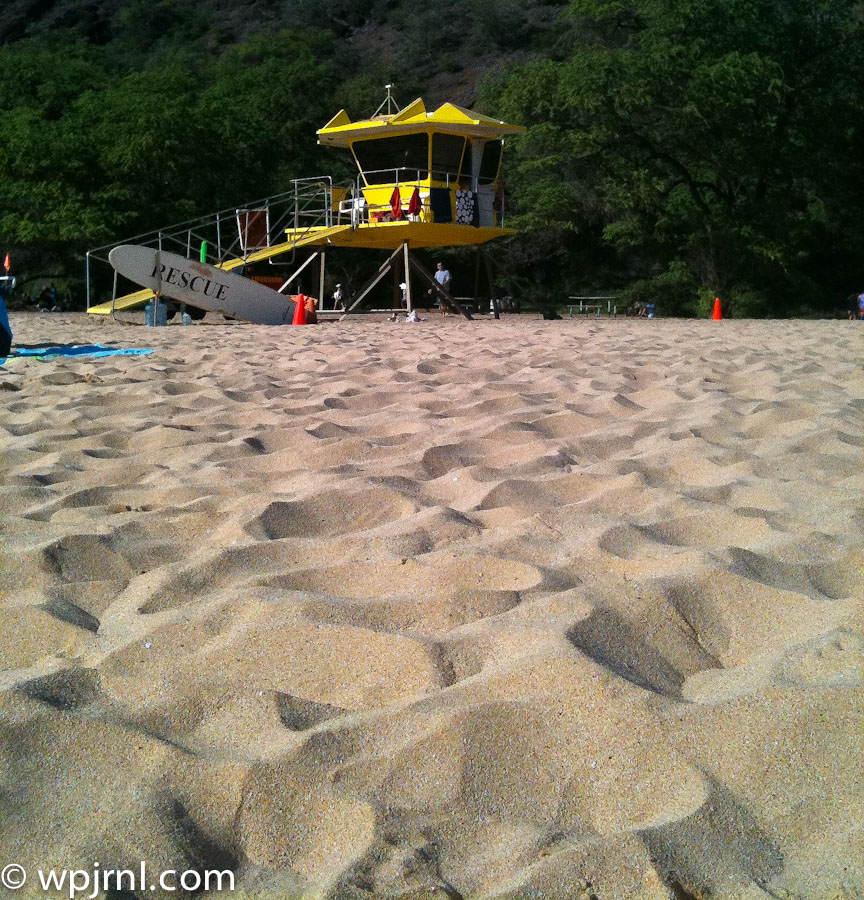
Big Beach Lifeguard Cabin, Maui Hawaii

Big Beach Lifeguard Cabin, Maui Hawaii
Iconic yellow lifeguard tower overlooking Maui’s largest and most popular sandy beach.

Big Beach, known locally as Oneloa Beach, is Maui’s largest and most expansive sandy beach, stretching nearly a mile along the island’s south shore. The distinctive yellow lifeguard cabin has become an iconic landmark of this beloved beach destination, standing watch over the pristine waters and golden sand. This scenic beach offers stunning ocean views, excellent swimming conditions, and a vibrant atmosphere that attracts both locals and visitors seeking authentic Hawaiian beach experiences.

Highlights

  • Iconic bright yellow lifeguard tower with sweeping ocean views
  • Nearly one mile of pristine golden sand beach
  • Clear turquoise waters ideal for swimming and bodysurfing
  • Lush green cliffs and natural vegetation surrounding the beach
  • Popular spot for sunrise and sunset photography

What to Do

  • Swim and bodysurf in the clear warm waters
  • Sunbathe on the expansive sandy beach
  • Photograph the iconic lifeguard cabin and scenic coastline
  • Explore nearby Little Beach for a more secluded experience
  • Watch for sea turtles and marine life in the shallows

Best Time to Visit

Year-round, with calmest waters typically from May to October and best weather conditions December through March

Getting There

Located in South Maui near Wailea, accessible via Moalani Drive or Makena Road; ample parking available at the beach access area

Visitor Tips

  • Arrive early to secure parking, especially on weekends and holidays
  • Bring plenty of water, sunscreen, and sun protection as there is minimal shade
  • Check with lifeguards about current water conditions before swimming
  • The beach can have strong currents; swim near the lifeguard station for safety

Nearby

  • Little Beach (Oneloa Iki) – secluded clothing-optional beach nearby
  • Makena State Park – pristine park with additional beach access
  • Wailea Beach – upscale resort beach with calm waters
  • Ahihi-Kinau Natural Area Reserve – marine sanctuary for snorkeling

Big Beach offers an unforgettable Hawaiian beach experience with its vast expanse of golden sand, crystal-clear waters, and the iconic yellow lifeguard tower that has watched over swimmers for decades. Whether you’re seeking adventure in the waves, a relaxing day in the sun, or simply a chance to experience one of Maui’s most authentic and picturesque beaches, Big Beach delivers the ultimate tropical paradise experience.

Location Map

Big Beach Lifeguard Cabin, Maui Hawaii Read More »

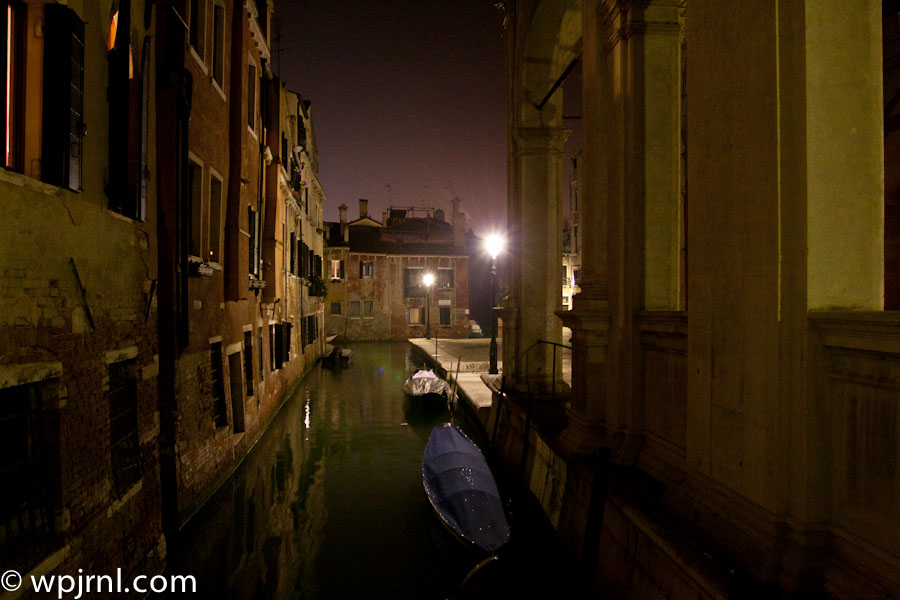
Venice Canals at Night, Venice Italy

Venice Canals at Night, Venice Italy
Experience the magical romance of Venice’s illuminated waterways after dark, where gondolas glide silently through narrow canals lined with centuries-old architecture.

Venice at night transforms into an enchanting dreamscape where the soft glow of street lamps reflects off calm canal waters, creating an atmosphere of timeless romance and mystery. This photograph captures the essence of nocturnal Venice—a quieter, more intimate version of the bustling daytime city. The narrow waterway, flanked by weathered buildings with their characteristic Venetian facades, showcases the unique character that has made this floating city legendary for over a thousand years.

As darkness falls, Venice sheds its crowds of day-trippers and reveals itself to evening visitors and locals alike. The interplay of artificial light and shadow highlights the architectural details of the historic buildings, while the still waters create perfect reflections of the illuminated structures. This is when gondoliers guide their boats through the labyrinth of canals with practiced ease, and the city’s true magic becomes apparent.

Highlights

  • Peaceful night-time gondola rides through narrow, lamp-lit canals
  • Stunning reflections of historic Venetian architecture in still canal waters
  • Intimate atmosphere away from daytime tourist crowds
  • Atmospheric interplay of warm lights on weathered medieval buildings
  • Authentic experience of traditional Venetian life after sunset

What to Do

  • Take a romantic evening gondola ride through the quieter canals away from major thoroughfares
  • Photograph the atmospheric lighting and reflections that make Venice’s architecture shine at night
  • Explore the smaller calle (alleyways) on foot, discovering hidden piazzas and bridges illuminated by street lamps
  • Dine at a waterfront restaurant and watch the canal life unfold after dark
  • Visit nearby attractions like St. Mark’s Basilica, which offers night-time illumination during special seasons

Best Time to Visit

October through March offers cooler temperatures, fewer tourists, and darker evenings perfect for night photography. Avoid peak summer months (June-August) when crowds persist even after sunset.

Getting There

Fly into Venice Marco Polo Airport (VCE), then take the water bus (vaporetto) or water taxi to reach the city center. Most canal areas are accessible on foot or by private gondola.

Visitor Tips

  • Bring a sturdy tripod if you plan night photography—the low light requires longer exposures
  • Wear comfortable walking shoes; navigating Venice’s bridges and narrow streets is easier on foot at night
  • Book gondola rides in advance for better rates and guaranteed availability during evening hours
  • Carry a detailed map or use GPS; the maze-like canal system can be disorienting after dark
  • Respect local residents by keeping noise levels low during late evening explorations

Nearby

  • St. Mark’s Basilica and Piazza San Marco (5-minute walk)
  • Doge’s Palace (5-minute walk)
  • Rialto Bridge and Market (10-minute walk)
  • Accademia Gallery (15-minute walk)
  • Islands of Murano and Burano (30-minute vaporetto ride)

Venice at night is a revelation—a chance to experience this UNESCO World Heritage city as it truly exists, beyond the postcard images. The gentle lap of water against ancient stones, the soft glow of street lamps on weathered facades, and the freedom to explore without overwhelming crowds create memories that will linger long after you leave. Whether you’re gliding through canals in a gondola or wandering the lamplit streets, nocturnal Venice offers an authenticity and romance that daytime visitors rarely discover. Come experience the magic of this incomparable floating city when the stars emerge and the waters grow still.

Location Map

Venice Canals at Night, Venice Italy Read More »

Scroll to Top