night photography

Hong Kong Skyline, Victoria Harbour Hong Kong

Hong Kong Skyline, Victoria Harbour Hong Kong
One of the world’s most spectacular urban skylines illuminated against the night sky, showcasing Hong Kong’s iconic architecture and vibrant energy.

Hong Kong’s skyline is a breathtaking testament to the city’s status as a global financial powerhouse and cultural beacon. As the sun sets, the harbour comes alive with thousands of lights reflecting off the water, creating an enchanting display that has captivated visitors for decades. The iconic Bank of China Tower, with its distinctive triangular lattice design, stands prominently among gleaming skyscrapers, each contributing to a mesmerizing urban landscape that blends ultramodern architecture with traditional Chinese culture. This is not just a city skyline—it is a living, breathing monument to ambition, innovation, and the relentless energy of Hong Kong itself.

Highlights

  • The iconic Bank of China Tower with its distinctive geometric design dominating the skyline
  • Vibrant neon signs and colorful building illuminations reflecting Hong Kong’s dynamic commercial culture
  • Panoramic views across Victoria Harbour with the New Territories and hills visible in the background
  • The illuminated waterfront creating a mirror effect of thousands of city lights on the water
  • A blend of colonial heritage and ultra-modern architecture showcasing Hong Kong’s evolution

What to Do

  • Visit the Star Ferry terminal for the classic view of the skyline from the water at sunset
  • Experience the Symphony of Lights multimedia show celebrating the skyline each evening
  • Take the Peak Tram to Victoria Peak for panoramic views overlooking the entire harbour
  • Explore the buildings up close, including the Bank of China Tower and other iconic structures
  • Dine at waterfront restaurants and rooftop bars with unobstructed skyline views

Best Time to Visit

October to November and December to February offer the clearest skies and most comfortable temperatures. Twilight hours (just after sunset) provide the most magical photography conditions when the sky transitions from blue to dark while city lights are at their brightest.

Getting There

Hong Kong is served by Hong Kong International Airport. The skyline is best viewed from the Tsim Sha Tsui waterfront, Victoria Peak, or via Star Ferry crossing Victoria Harbour. Public transportation including MTR, buses, and ferries connect all major viewpoints.

Visitor Tips

  • Visit during twilight hours for the best photography—too early and the sky is too bright, too late and details are lost
  • The Star Ferry crossing provides an up-close experience of the skyline from the water for an affordable price
  • Bring a camera with good low-light performance; tripods are helpful for night photography
  • Waterfront areas can be crowded during peak hours; arrive early or visit weekdays for better vantage points
  • Many rooftop bars and restaurants offer premium viewing experiences with food and beverages

Nearby

  • Victoria Peak Lookout, Hong Kong’s highest vantage point
  • Star Ferry terminals connecting Hong Kong Island and Kowloon
  • The Harbourfront Promenade with walking paths along the water
  • Central District’s historic architecture and colonial landmarks
  • Museums and cultural institutions including the Hong Kong Museum of Art

Hong Kong’s skyline is more than just a collection of buildings—it is a symbol of human ambition and cultural resilience. Standing before this illuminated landscape at night, you witness not merely a city, but a testament to innovation, determination, and beauty. Whether you’re a photographer chasing the perfect shot, a traveler seeking iconic experiences, or simply someone who appreciates architectural splendor, Hong Kong’s skyline will leave an indelible impression and remind you why this extraordinary city deserves its place among the world’s most unforgettable destinations.

Location Map

Hong Kong Skyline, Victoria Harbour Hong Kong Read More »
Favela Night Lights, Rio de Janeiro Brazil

Favela Night Lights, Rio de Janeiro Brazil
A mesmerizing nocturnal view of Rio’s hillside communities alive with glowing windows and vibrant urban energy.

The favelas of Rio de Janeiro are among the most densely populated and visually striking urban communities in the world. When night falls, these hillside settlements transform into a breathtaking tapestry of lights—thousands of windows glowing in warm oranges, cool blues, and electric greens against the darkness. This nighttime perspective reveals not poverty or despair, but the resilience, creativity, and life force of communities where millions of Brazilians call home. The ‘Favela Lights’ capture a moment of raw urban beauty that challenges stereotypes and celebrates the vibrant humanity that thrives within these neighborhoods.

Highlights

  • Stunning nocturnal aerial views showcasing thousands of illuminated windows creating a mosaic of color and life
  • A authentic perspective on Rio’s urban landscape beyond the famous beaches and tourist zones
  • The interplay of warm golden lights contrasting with cool blue neon, reflecting the diversity of the community

What to Do

  • Take a guided favela tour during daylight to understand the community’s culture, art, and history responsibly
  • Visit viewpoints like Mirante da Lapa or Convento de Santo Antônio for elevated city views
  • Explore local art galleries, street art, and cultural initiatives celebrating favela creativity
  • Experience live music and local cuisine at community venues

Best Time to Visit

Year-round, though the dry season (May-September) offers clearer skies and better visibility for night photography

Getting There

Fly into Tom Jobim International Airport; most favelas are accessible via local buses, taxis, or organized tours from central Rio

Visitor Tips

  • Always use licensed guides or official tour operators when visiting favelas for safety and cultural respect
  • Visit during daylight hours on your first trip to understand the community’s daytime character
  • Bring a good camera with night mode capability to capture the atmospheric lighting
  • Respect residents’ privacy and avoid photographing people without permission

Nearby

  • Christ the Redeemer statue and Corcovado mountain viewpoint
  • Sugarloaf Mountain cable car
  • Copacabana and Ipanema beaches
  • Lapa historic district and nightlife

The lights of Rio’s favelas tell stories of resilience, community, and vibrant human spirit. This nocturnal landscape invites visitors to look beyond preconceptions and discover the authentic heart of Brazil’s most iconic city—a place where millions live, love, work, and celebrate life against a stunning backdrop of urban lights and hillside topography.

Location Map

Favela Night Lights, Rio de Janeiro Brazil Read More »

Rio de Janeiro Skyline at Moonset, Brazil

Rio de Janeiro Skyline at Moonset, Brazil
Witness the dramatic moonset over Rio’s iconic peaks and illuminated cityscape at night

This stunning nighttime photograph captures one of Rio de Janeiro’s most magical moments—the setting moon descending behind the city’s dramatic mountain peaks. The interplay of the luminous moon, silhouetted granite formations, and the glow of urban lights creates an enchanting spectacle that showcases Rio’s unique geography where modern city meets ancient geological wonders. The image perfectly encapsulates the essence of Rio: a vibrant metropolis nestled between some of South America’s most striking natural landmarks, where urban energy meets natural beauty.

Highlights

  • Dramatic moonset framed by Rio’s distinctive rocky peaks and mountains
  • Contrast between natural silhouettes and vibrant city lights below
  • Night-time cityscape showcasing Rio’s modern architecture and development

What to Do

  • Visit viewpoints around the city to catch sunrise and moonset moments over the peaks
  • Explore the mountainous terrain and hiking trails in the surrounding areas
  • Experience Rio’s vibrant nightlife and illuminated urban landscape after dark

Best Time to Visit

Late evening or early morning for optimal moon-watching and photography opportunities; September through March offers clearer skies

Getting There

Fly into Rio de Janeiro’s Galeão International Airport or Santos Dumont Airport; use local transport including metro, buses, or taxis to reach viewpoints

Visitor Tips

  • Bring a good camera or smartphone with night photography capabilities
  • Visit high-altitude viewpoints like Corcovado or Sugarloaf Mountain for best moon-watching
  • Plan evening visits during clear weather for unobstructed views

Nearby

  • Christ the Redeemer statue at Corcovado
  • Sugarloaf Mountain cable car and viewpoint
  • Copacabana and Ipanema beaches

Rio de Janeiro’s dramatic geography creates unforgettable natural phenomena like moonsets framed by towering peaks. Whether you’re a photographer seeking the perfect shot or a traveler seeking magical moments, Rio’s unique landscape—where mountains meet city lights—offers experiences that will stay with you long after you leave. Come witness the poetry of Rio’s nights.

Location Map

Rio de Janeiro Skyline at Moonset, Brazil Read More »

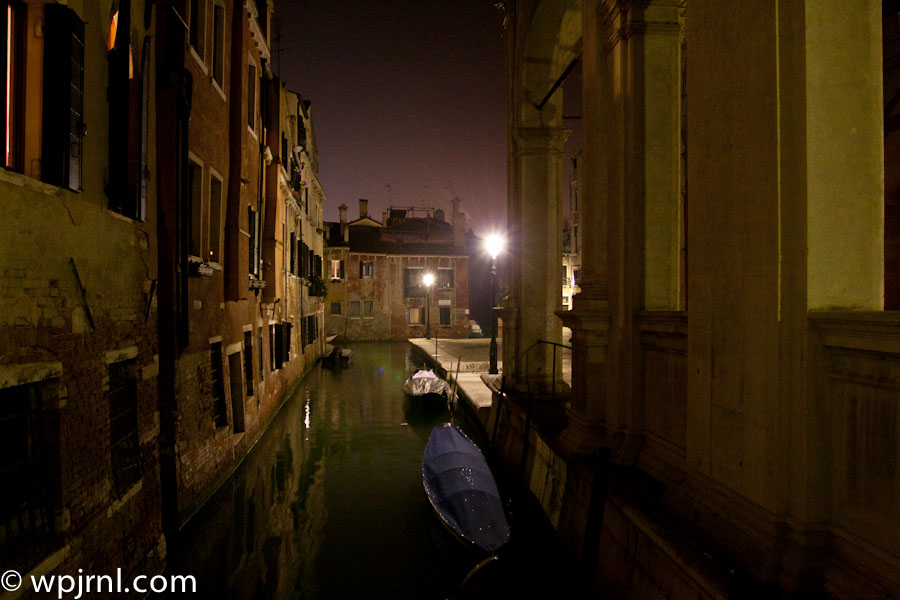
Venice Canals at Night, Venice Italy

Venice Canals at Night, Venice Italy
Experience the magical romance of Venice’s illuminated waterways after dark, where gondolas glide silently through narrow canals lined with centuries-old architecture.

Venice at night transforms into an enchanting dreamscape where the soft glow of street lamps reflects off calm canal waters, creating an atmosphere of timeless romance and mystery. This photograph captures the essence of nocturnal Venice—a quieter, more intimate version of the bustling daytime city. The narrow waterway, flanked by weathered buildings with their characteristic Venetian facades, showcases the unique character that has made this floating city legendary for over a thousand years.

As darkness falls, Venice sheds its crowds of day-trippers and reveals itself to evening visitors and locals alike. The interplay of artificial light and shadow highlights the architectural details of the historic buildings, while the still waters create perfect reflections of the illuminated structures. This is when gondoliers guide their boats through the labyrinth of canals with practiced ease, and the city’s true magic becomes apparent.

Highlights

  • Peaceful night-time gondola rides through narrow, lamp-lit canals
  • Stunning reflections of historic Venetian architecture in still canal waters
  • Intimate atmosphere away from daytime tourist crowds
  • Atmospheric interplay of warm lights on weathered medieval buildings
  • Authentic experience of traditional Venetian life after sunset

What to Do

  • Take a romantic evening gondola ride through the quieter canals away from major thoroughfares
  • Photograph the atmospheric lighting and reflections that make Venice’s architecture shine at night
  • Explore the smaller calle (alleyways) on foot, discovering hidden piazzas and bridges illuminated by street lamps
  • Dine at a waterfront restaurant and watch the canal life unfold after dark
  • Visit nearby attractions like St. Mark’s Basilica, which offers night-time illumination during special seasons

Best Time to Visit

October through March offers cooler temperatures, fewer tourists, and darker evenings perfect for night photography. Avoid peak summer months (June-August) when crowds persist even after sunset.

Getting There

Fly into Venice Marco Polo Airport (VCE), then take the water bus (vaporetto) or water taxi to reach the city center. Most canal areas are accessible on foot or by private gondola.

Visitor Tips

  • Bring a sturdy tripod if you plan night photography—the low light requires longer exposures
  • Wear comfortable walking shoes; navigating Venice’s bridges and narrow streets is easier on foot at night
  • Book gondola rides in advance for better rates and guaranteed availability during evening hours
  • Carry a detailed map or use GPS; the maze-like canal system can be disorienting after dark
  • Respect local residents by keeping noise levels low during late evening explorations

Nearby

  • St. Mark’s Basilica and Piazza San Marco (5-minute walk)
  • Doge’s Palace (5-minute walk)
  • Rialto Bridge and Market (10-minute walk)
  • Accademia Gallery (15-minute walk)
  • Islands of Murano and Burano (30-minute vaporetto ride)

Venice at night is a revelation—a chance to experience this UNESCO World Heritage city as it truly exists, beyond the postcard images. The gentle lap of water against ancient stones, the soft glow of street lamps on weathered facades, and the freedom to explore without overwhelming crowds create memories that will linger long after you leave. Whether you’re gliding through canals in a gondola or wandering the lamplit streets, nocturnal Venice offers an authenticity and romance that daytime visitors rarely discover. Come experience the magic of this incomparable floating city when the stars emerge and the waters grow still.

Location Map

Venice Canals at Night, Venice Italy Read More »

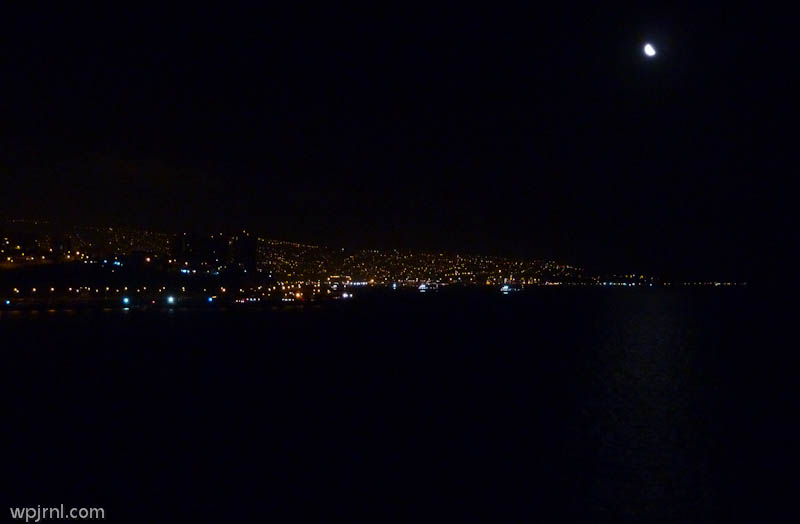
Valparaíso Nighttime Cityscape, Chile

Valparaíso Nighttime Cityscape, Chile
A mesmerizing coastal city whose hillside lights create a magical nocturnal tapestry against the Pacific Ocean.

Valparaíso is one of South America’s most enchanting port cities, famous for its dramatic hillside architecture and vibrant cultural scene. By night, the city transforms into a glittering spectacle as thousands of lights cascade down the steep hills toward the dark waters of the Pacific Ocean, creating an unforgettable visual experience. The moon rises over this picturesque landscape, illuminating the contrast between the illuminated city and the vast darkness of the sea beyond.

Highlights

  • Panoramic night views of the city’s iconic hillside lights reflecting off the ocean
  • The interplay of moonlight and city lights creating a romantic, atmospheric setting
  • Sweeping vistas of the densely-populated residential neighborhoods clinging to the steep terrain

What to Do

  • Visit elevated viewpoints at night to capture the city lights against the dark sky
  • Take an evening stroll along the waterfront to experience the city’s nocturnal energy
  • Explore the colorful hillside neighborhoods and street art during the day, then return at night for the luminous views

Best Time to Visit

Year-round, though clear nights between September and November or March and May offer the best starry skies and moon visibility

Getting There

Fly into Arturo Merino Benítez International Airport in Santiago (about 120km away), then drive or take a bus to Valparaíso for approximately 1.5-2 hours

Visitor Tips

  • Bring a tripod and camera for stunning night photography of the city lights
  • Visit elevated neighborhoods like Cerro Alegre or Cerro Concepción for the best panoramic views
  • Check weather conditions and moon phases before planning your night visit

Nearby

  • Viña del Mar beach resort town (15km away)
  • Casablanca Valley wineries (45km away)
  • Quintay coastal village with artisan fishing communities (60km away)

Valparaíso at night is a destination that captures the soul—where the glittering lights of a living, breathing city merge with the vast cosmos above. Whether you’re a photographer seeking the perfect shot or a traveler yearning for unforgettable moments, this Chilean gem offers a nocturnal beauty that will stay with you long after you leave.

Location Map

Valparaíso Nighttime Cityscape, Chile Read More »

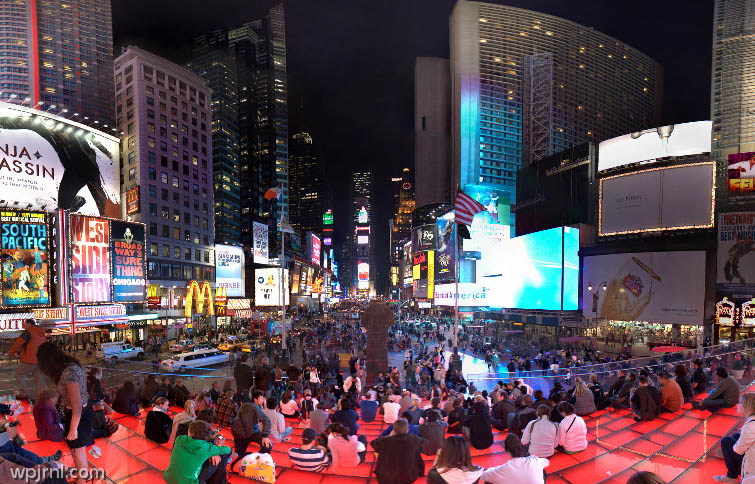
Times Square Panorama, Manhattan New York City USA

Times Square Panorama, Manhattan New York City USA
The dazzling heart of Manhattan where neon lights, towering billboards, and electric energy create the world’s most iconic urban spectacle.

Times Square stands as one of the most vibrant and visited landmarks in the world, a mesmerizing nexus of commerce, culture, and entertainment in the heart of Manhattan. By night, the area transforms into a glittering wonderland of illuminated skyscrapers, massive digital displays, and theatrical marquees that bathe the streets in an intoxicating glow of color and light. This iconic plaza has captivated visitors for over a century with its relentless energy, cultural significance, and status as a global symbol of New York City itself.

Named after the New York Times building that once anchored the square, Times Square has evolved from a newspaper district into a world-class entertainment destination. The panoramic night view showcases the architectural drama of Manhattan’s skyline combined with the sensory overload of thousands of LED screens advertising global brands, Broadway shows, and consumer products. Whether you’re watching the iconic ball drop on New Year’s Eve or simply soaking in the electric atmosphere, Times Square delivers an unforgettable urban experience.

The constant flow of pedestrians from around the globe creates an atmosphere unlike anywhere else on Earth, where you can feel the pulse of international tourism, theatrical ambition, and commercial enterprise all converging in one spectacular location.

Highlights

  • Iconic Times Square ball drop ceremony visible from the plaza during New Year’s Eve celebrations
  • Massive illuminated billboards and digital displays featuring cutting-edge technology and advertising
  • Broadway Theatre District with world-class performances and marquee entertainment
  • 360-degree panoramic views of Manhattan’s glittering skyscrapers and architectural landscape
  • 24/7 activity and energy with street performers, vendors, and entertainment options

What to Do

  • Experience the dazzling light show and neon atmosphere that defines the square at night
  • Visit nearby Broadway theaters and catch a world-class theatrical performance
  • Explore the TKTS booth for discounted Broadway and off-Broadway show tickets
  • Take photos and selfies at iconic photo spots and with street characters
  • Visit flagship retail stores and shopping centers surrounding the square
  • Dine at restaurants with Times Square views or explore diverse culinary options nearby
  • Witness the famous New Year’s Eve ball drop if visiting during the holiday season

Best Time to Visit

Winter and holiday season offer the most spectacular lighting displays and festive atmosphere, while New Year’s Eve is the pinnacle event. Any evening provides excellent lighting photography, though weekdays are less crowded than weekends.

Getting There

Times Square is served by multiple subway lines including the 1, 2, 3, 7, N, Q, R, S, and W trains. Arrive via car with nearby parking facilities, or use taxi and rideshare services. The area is highly walkable from nearby neighborhoods.

Visitor Tips

  • Visit in the evening for the most dramatic illumination and spectacular light displays
  • Arrive early to secure good viewing spots during peak hours
  • Be prepared for large crowds, especially on weekends and holidays
  • Watch your belongings in crowded areas and stay alert
  • Wear comfortable shoes as you’ll be standing and walking extensively
  • Bring a camera with good low-light capabilities to capture the neon scenery
  • Consider visiting weekday evenings for a slightly less crowded experience

Nearby

  • Bryant Park – serene urban oasis just blocks away
  • Broadway Theatre District – premium entertainment venues
  • Hell’s Kitchen neighborhood – trendy restaurants and galleries
  • Central Park – approximately 10 blocks north
  • Museum of Modern Art (MoMA) – world-class art museum
  • Port Authority Bus Terminal – major transit hub

Times Square at night is a must-see destination that captures the essence of New York City’s boundless energy and ambition. Whether you’re a first-time visitor or a returning traveler, the spectacular panorama of lights, sounds, and human activity will leave an indelible impression. Stand in the heart of this global crossroads, let the electric atmosphere envelop you, and discover why Times Square remains one of the world’s most unforgettable urban experiences.

Location Map

Times Square Panorama, Manhattan New York City USA Read More »

Scroll to Top