UNESCO World Heritage

Taj Mahal, UNESCO World Heritage Monument, Agra India

Taj Mahal, UNESCO World Heritage Monument, Agra India
An ethereal marble masterpiece and testament to eternal love, this iconic monument captivates millions with its timeless architectural perfection.

The Taj Mahal stands as one of the world’s most recognizable and breathtaking architectural achievements, a luminous white marble mausoleum built by Mughal Emperor Shah Jahan in memory of his beloved wife Mumtaz Mahal. Nestled on the banks of the Yamuna River in Agra, this UNESCO World Heritage Site represents the pinnacle of Indo-Islamic architecture, seamlessly blending Persian, Islamic, and Indian design elements. The monument’s serene symmetry, intricate inlay work, and ethereal beauty have inspired poets, artists, and travelers for nearly four centuries, making it a pilgrimage site for romantics and architecture enthusiasts worldwide. The reflecting pool and manicured gardens with their cypress trees create a meditation of perfect harmony and balance that draws nearly 8 million visitors annually.

Highlights

  • The iconic white marble dome reflected perfectly in the rectangular reflecting pool, creating mirror-like symmetry
  • Intricate semi-precious stone inlay work and calligraphy adorning the exterior walls with floral and geometric patterns
  • The serene char bagh (Mughal garden) flanked by cypress trees and fountains providing meditative ambiance
  • Majestic four minarets at each corner of the main structure, showcasing structural precision and engineering brilliance
  • The interior chamber housing the cenotaphs of Shah Jahan and Mumtaz Mahal, decorated with precious stone work

What to Do

  • Walk the reflecting pool pathway at sunrise or sunset for the most photogenic and atmospheric experience with soft golden lighting
  • Explore the intricate marble inlay patterns up close, examining the semi-precious stones arranged in floral motifs
  • Visit the mausoleum interior to see the ornately decorated cenotaphs and experience the acoustics of the marble chamber
  • Stroll through the Mughal gardens and sit by the fountains to absorb the peaceful, meditative atmosphere
  • Climb the minarets for panoramic views of the monument and surrounding Agra landscape

Best Time to Visit

October to March offers pleasant weather and clear skies ideal for photography, avoiding summer heat and monsoon season. Early morning visits provide fewer crowds and magical golden light.

Getting There

Agra is well-connected by air, rail, and road. The nearest airport is Indira Gandhi International Airport in Delhi (206 km away). Regular trains from Delhi to Agra take 2-3 hours. Local taxis and auto-rickshaws serve the monument from the city center.

Visitor Tips

  • Arrive early morning (before 8 AM) to avoid crowds and experience the monument in soft light perfect for photography
  • Wear comfortable walking shoes as you’ll be exploring extensive grounds and gardens
  • Bring a hat, sunscreen, and water as there is limited shade in the gardens and reflecting pool areas
  • Photography is permitted but tripods and professional equipment require special permission
  • Respectful dress is appreciated; avoid short skirts or sleeveless tops out of cultural respect

Nearby

  • Agra Fort, a massive red sandstone fortress and former Mughal imperial residence located just 2.5 km away
  • Mehtab Bagh, a moonlit garden offering alternative views of the Taj Mahal from across the river
  • Fatehpur Sikri, an abandoned Mughal city 37 km away featuring stunning architecture and historical significance

The Taj Mahal transcends being merely a building; it is a symphony of marble, light, and devotion frozen in time. Standing before this magnificent monument, you’ll understand why it has captivated the world’s imagination and earned its place as one of the Seven Wonders of the World. Whether you’re a romantic, architecture enthusiast, or curious traveler, a visit to the Taj Mahal promises an unforgettable encounter with human creativity and the enduring power of love immortalized in stone.

Location Map

Taj Mahal, UNESCO World Heritage Monument, Agra India Read More »
Pashupatinath Temple, Kathmandu Nepal

Pashupatinath Temple, Kathmandu Nepal
One of the holiest Hindu temples in the world, where sacred monkeys roam freely along the Bagmati River.

Pashupatinath Temple is one of the most significant Hindu pilgrimage sites in Asia, dedicated to Lord Shiva. Located on the banks of the Bagmati River in Kathmandu, this ancient temple complex showcases stunning Nepali architecture with its ornate golden roof and intricately carved wooden details. The temple is also famous for its resident population of monkeys that freely roam the grounds and riverside, adding to the spiritual and vibrant atmosphere of this sacred destination.

The temple grounds are a fascinating blend of religious devotion and natural wildlife, where pilgrims come to worship while monkeys swing across the structures and rest along the stone walls. The Bagmati River flowing through the site holds deep spiritual significance in Hinduism, and visitors can witness various rituals and ceremonies throughout the day.

Visiting Pashupatinath offers a profound cultural and spiritual experience, providing insight into Hindu traditions, Nepali craftsmanship, and the unique coexistence of wildlife within a sacred space. It’s a UNESCO World Heritage Site that captivates travelers with its authenticity and religious importance.

Highlights

  • The main temple with its distinctive two-tiered golden roof and intricate wood carvings
  • Free-roaming monkeys throughout the complex, offering unique wildlife photography opportunities
  • Scenic views along the Bagmati River with multiple ghats (steps) for rituals and ceremonies
  • Ancient stone structures and smaller shrines scattered across the sprawling complex
  • Active pilgrimage site where you can witness daily Hindu rituals and worship practices

What to Do

  • Explore the main temple sanctuary and observe the architectural details up close
  • Watch monkeys interact in their natural habitat along the riverside and stone walls
  • Witness cremation ceremonies at the ghats (respectfully from designated areas)
  • Photograph the temple’s golden roof and intricate wooden features in natural light
  • Walk the riverside paths and visit smaller temples and shrines within the complex
  • Observe pilgrims performing rituals and prayers throughout the day
  • Visit the Arya Ghat area for panoramic views of the entire temple complex

Best Time to Visit

October to November during autumn and February to March in spring offer the clearest skies, pleasant temperatures, and best visibility. These seasons also coincide with important Hindu festivals celebrated at the temple.

Getting There

Pashupatinath Temple is located approximately 5 kilometers east of central Kathmandu. Visitors can hire a taxi, use ride-sharing services, take local buses, or arrange guided tours from their hotel. It’s about a 20-30 minute drive from Kathmandu Durbar Square.

Visitor Tips

  • Remove shoes before entering the main temple sanctum; shoe storage is available at the entrance
  • Be respectful of active worship and ceremonies; avoid disrupting pilgrims during prayers
  • Keep belongings secure as monkeys are known to snatch items like glasses and bags
  • Wear comfortable walking shoes as the complex involves navigating uneven stone pathways
  • Bring a camera with a good zoom lens to photograph monkeys and temple details without getting too close
  • Visit early morning (6-8 AM) for fewer crowds and better photography light
  • Check local holidays and festival dates when the temple may have restricted access to certain areas
  • Hire a local guide for deeper insights into temple history, rituals, and spiritual significance

Nearby

  • Boudhanath Stupa — one of the largest Buddhist stupas in the world, 4 km away
  • Changu Narayan Temple — ancient Hindu temple with stunning Kathmandu Valley views, 8 km away
  • Kathmandu Durbar Square — UNESCO site with palaces and temples, 5 km away
  • Bhaktapur Durbar Square — charming medieval city with traditional Newari architecture, 15 km away

Pashupatinath Temple offers a rare glimpse into living Hindu spirituality, where ancient traditions continue to thrive within breathtaking architecture. Whether you’re drawn by religious significance, cultural curiosity, or the unique presence of wildlife within a sacred space, this UNESCO World Heritage Site promises an unforgettable journey into the spiritual heart of Nepal. The monkeys, the river, the prayers, and the golden roof create a multisensory experience that connects visitors to centuries of devotion and tradition. Plan your visit to Pashupatinath and discover why millions of pilgrims have journeyed here to seek blessings and spiritual renewal.

Location Map

Pashupatinath Temple, Kathmandu Nepal Read More »

Taj Mahal, UNESCO World Heritage Site, Agra India

Taj Mahal, UNESCO World Heritage Site, Agra India
An ethereal monument to love reflected in water, one of the world’s most iconic architectural masterpieces.

The Taj Mahal stands as a breathtaking testament to eternal love and architectural brilliance on the banks of the Yamuna River in Agra. Built by Mughal Emperor Shah Jahan in memory of his beloved wife Mumtaz Mahal, this ivory-white marble mausoleum transcends its function as a tomb to become a symbol of devotion recognized across the globe. The play of light and reflection, captured beautifully in its mirrored surfaces and surrounding gardens, reveals new dimensions of beauty throughout the day.

Designed by master architects and craftsmen, the Taj Mahal combines elements of Persian, Islamic, and Indian architecture into a harmonious whole. Every detail—from the intricate inlay work to the precisely proportioned dome—was crafted with meticulous care. The monument’s ethereal quality is enhanced by its ever-changing appearance as sunlight shifts, casting it in hues of gold, ivory, and soft pink.

Designated as a UNESCO World Heritage Site, the Taj Mahal attracts millions of visitors annually who come to witness its majesty and contemplate the love story it commemorates. It remains not merely a building, but a profound expression of human emotion rendered in marble and stone.

Highlights

  • Stunning white marble exterior with semi-precious stone inlay work depicting floral motifs
  • Perfect symmetry and proportions reflecting Mughal architectural principles
  • Reflection pools and gardens creating magical mirror images throughout the day
  • Interior chamber housing cenotaphs of Shah Jahan and Mumtaz Mahal
  • Four minarets positioned at corners providing structural balance and visual grace

What to Do

  • Visit at sunrise or sunset to experience the monument in different light and capture stunning photographs
  • Explore the Charbagh (four-part garden) with its intricate water channels and pathways
  • Study the calligraphy and pietra dura (precious stone inlay) decorations up close
  • Visit the mosque and guest house structures flanking the main mausoleum
  • Browse the adjacent museum displaying artifacts related to the monument’s history
  • Walk along the Yamuna riverbank for alternative views and peaceful contemplation

Best Time to Visit

October to March when temperatures are mild (15-25°C). Avoid monsoon season (July-September) and extreme summer heat. Early morning visits (6-8 AM) offer fewer crowds and magical light for photography.

Getting There

Agra is well-connected by air, rail, and road. Fly into Agra Airport or take trains from Delhi (3-4 hours). From Agra city center, the Taj Mahal is accessible by taxi, auto-rickshaw, or organized tours. Entry is from the south gate (closest) or east and west gates.

Visitor Tips

  • Book tickets online in advance to skip queues and save money
  • Remove shoes or wear shoe covers inside the mausoleum chamber
  • Photography inside the main chamber is prohibited; cameras allowed in gardens and exterior areas
  • Hire a licensed guide to learn detailed historical and architectural context
  • Visit early morning for fewer crowds and optimal lighting for photographs
  • Bring water and wear comfortable walking shoes for exploring gardens
  • Respect the sanctity of the site and dress modestly

Nearby

  • Agra Fort – impressive red sandstone fortress with royal palaces and gardens
  • Fatehpur Sikri – abandoned Mughal city with stunning architecture, 35 km away
  • Mehtab Bagh – garden on opposite riverbank offering unique Taj Mahal views
  • Itimad-ud-Daulah – smaller marble mausoleum showcasing similar Mughal architecture

Standing before the Taj Mahal, you witness more than architectural brilliance—you encounter a timeless expression of love that has moved hearts for nearly four centuries. The interplay of marble and light, the symmetry of gardens, and the profound story etched into every stone combine to create an experience that transcends language and culture. Whether reflected in still waters at dawn or glowing under moonlight, the Taj Mahal invites you to pause, reflect, and connect with the universal human emotions it so eloquently expresses. A pilgrimage to Agra is a journey into the very essence of beauty and devotion.

Location Map

Taj Mahal, UNESCO World Heritage Site, Agra India Read More »

Cordoba Mosque (Mezquita), Cordoba Spain

Cordoba Mosque (Mezquita), Cordoba Spain
A breathtaking masterpiece of Islamic architecture featuring stunning horseshoe arches and intricate geometric tilework that represents one of Europe’s finest medieval monuments.

The Cordoba Mosque, officially known as the Mezquita-Catedral, stands as one of the world’s most magnificent examples of Islamic architecture and a testament to medieval Andalusian splendor. Built in the 8th century and expanded over centuries, this architectural wonder seamlessly blends Islamic and Christian influences, creating a uniquely captivating spiritual space. The interior is dominated by hundreds of red and white striped horseshoe arches that create a hypnotic visual rhythm, while elaborate geometric patterns and calligraphy adorn every surface in gold, blue, and crimson hues.

This UNESCO World Heritage site represents the pinnacle of Islamic artistic achievement in medieval Europe, showcasing the sophisticated engineering and aesthetic sensibility of Al-Andalus. The mosque’s transformation into a Christian cathedral following the Reconquista adds layers of historical significance, making it a living chronicle of Spain’s complex religious and cultural heritage.

Visitors are immediately transported into a realm of serene beauty and spiritual reverence, where light filters through ornate openings to illuminate the intricate details that cover walls and ceilings. The sheer scale and intricacy of the decoration creates an overwhelming sense of awe and contemplation.

Highlights

  • Hundreds of distinctive red and white striped horseshoe arches creating mesmerizing visual patterns throughout the vast interior
  • Ornate Byzantine-inspired mosaics and gold-leafed geometric designs covering the walls and upper sections
  • The mihrab, an exquisitely decorated prayer niche representing the pinnacle of Islamic decorative arts with intricate tilework and carved details
  • Renaissance cathedral elements seamlessly integrated into the Islamic structure following the Reconquista
  • Atmospheric lighting that changes throughout the day, highlighting different architectural and decorative elements

What to Do

  • Wander through the forest of arches and allow yourself to be immersed in the mesmerizing geometric patterns and architectural repetition
  • Study the intricate decorative details including calligraphy, tilework, and carved stone that showcase medieval Islamic craftsmanship
  • Visit the mihrab chamber to witness the apex of Islamic decorative artistry with its Byzantine mosaics and gold work
  • Explore the blend of Christian and Islamic architectural elements that reflect the building’s complex historical timeline
  • Attend a guided tour to gain deeper insights into the historical, religious, and architectural significance of this unique monument

Best Time to Visit

Late September through November or March through May offer pleasant temperatures and fewer crowds than summer. Avoid July and August when intense heat and large tourist groups can detract from the experience. Winter months are mild but occasionally crowded with tourists seeking warm-weather destinations.

Getting There

Cordoba is accessible by train from Madrid (1.5-2 hours), Barcelona (5 hours), or Seville (45 minutes). The city is also connected by regional buses and car rental options. The Mosque is located in the heart of Cordoba’s historic center, a short walk from the train station.

Visitor Tips

  • Arrive early in the morning to experience the soft light illuminating the arches with fewer crowds
  • Dress respectfully as this is an active place of Christian worship; modest clothing is appreciated
  • Allow at least 2-3 hours to properly appreciate the architectural and decorative details throughout the vast interior
  • Photography is permitted but flash photography may be restricted in certain areas; check current rules upon entry
  • Consider purchasing a combined ticket if visiting other Cordoba attractions like the Alcázar or Jewish Quarter for better value

Nearby

  • The Jewish Quarter (Judería) with its winding medieval streets and historic synagogues
  • Alcázar of the Christian Monarchs, a fortress-palace with beautiful gardens overlooking the Guadalquivir River
  • Roman Bridge (Puente Romano), a picturesque 8th-century bridge offering views of the river and city
  • Archaeological Museum of Cordoba with artifacts from Roman and Islamic periods
  • Palacio de Viana, a Renaissance palace featuring multiple courtyards and period furnishings

The Cordoba Mosque transcends its role as a mere historical monument—it is a living expression of human creativity, spiritual devotion, and cultural synthesis. Standing beneath its soaring arches, you’re not simply viewing architecture; you’re experiencing centuries of artistic achievement and the remarkable ability of humans to create beauty that speaks across religious, cultural, and temporal divides. Whether you’re an architecture enthusiast, history lover, or spiritual seeker, the Mezquita offers an unforgettable encounter with one of humanity’s greatest artistic achievements. Plan your pilgrimage to Cordoba and allow yourself to be transformed by the luminous beauty and profound serenity of this exceptional place.

Location Map

Cordoba Mosque (Mezquita), Cordoba Spain Read More »

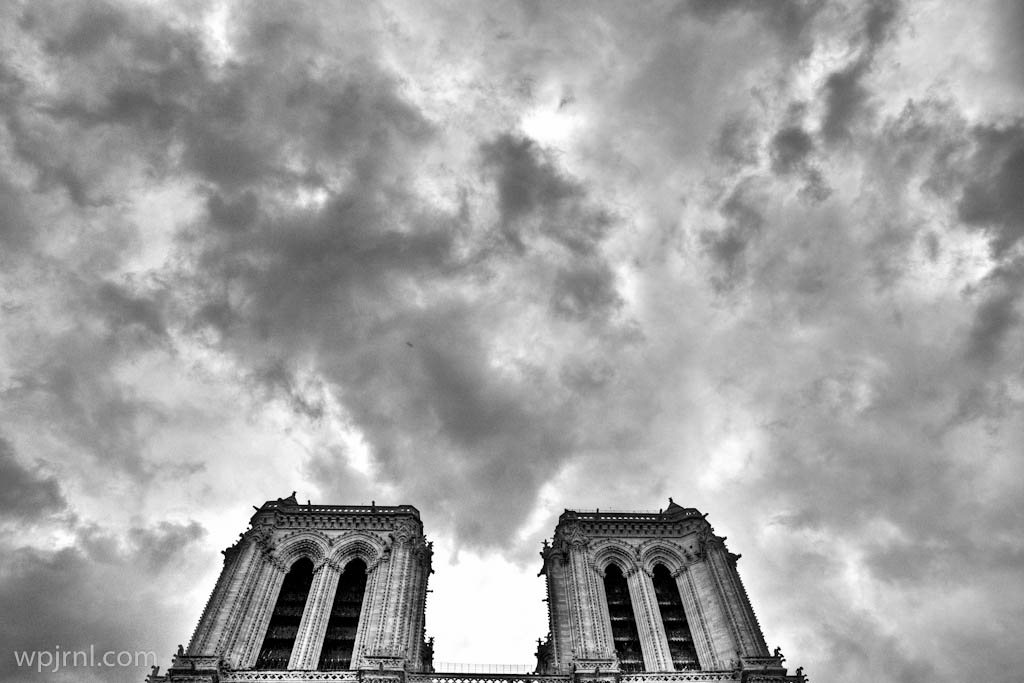
Notre-Dame Cathedral, Gothic Landmark, Paris France

Notre-Dame Cathedral, Gothic Landmark, Paris France
A breathtaking medieval masterpiece of Gothic architecture rising majestically against dramatic Parisian skies.

Notre-Dame de Chartres Cathedral stands as one of the world’s most iconic religious monuments, embodying the pinnacle of French Gothic architecture. This awe-inspiring structure has captivated visitors for nearly 900 years with its soaring twin towers, intricate stone work, and spiritual presence. The cathedral represents not merely a building, but a testament to human ambition, artistic genius, and religious devotion that transcends centuries.

The image captures the essence of Notre-Dame’s majesty—its twin towers piercing dramatic storm clouds, creating a timeless and ethereal quality. The interplay of light and shadow across the ornate facades reveals the meticulous craftsmanship of medieval stonecutters. Whether viewed under clear skies or brooding clouds, Notre-Dame commands reverence and wonder from all who encounter it.

A visit to Notre-Dame is a pilgrimage through history itself, offering insight into medieval ambitions and artistic achievements that continue to inspire and humble visitors from around the globe.

Highlights

  • Twin towers reaching skyward with intricate Gothic architectural details and flying buttresses
  • Stunning rose windows filled with original medieval stained glass depicting biblical scenes
  • Soaring interior vaults and ribbed arches creating an atmosphere of spiritual transcendence
  • Detailed stone carvings and sculptural elements adorning every facade
  • Historic bell towers offering panoramic views of Paris from elevated vantage points

What to Do

  • Climb the narrow spiral staircases of the bell towers for breathtaking views across Paris
  • Admire the magnificent rose windows and stained glass that fill the interior with colored light
  • Attend a classical music concert or evening Mass to experience the cathedral’s spiritual ambiance
  • Explore the archaeological museum in the crypt beneath the cathedral
  • Walk the surrounding Île de la Cité to discover charming streets and nearby Sainte-Chapelle

Best Time to Visit

Spring (April-May) and fall (September-October) offer ideal weather and fewer crowds, though the cathedral’s dramatic beauty shines even under moody skies like those captured in this photograph.

Getting There

Notre-Dame is located on Île de la Cité in central Paris. Access via Metro Line 4 (Cité station), RER B (Saint-Michel station), or public buses. The cathedral is walking distance from the Latin Quarter and Marais districts.

Visitor Tips

  • Arrive early in the morning to avoid peak tourist crowds and enjoy the cathedral in quieter moments
  • Wear comfortable shoes for climbing the 387 steps to the bell towers
  • Photography of the interior is permitted but without flash to preserve the sacred atmosphere
  • Allow 2-3 hours for a thorough exploration of the cathedral and towers
  • Check local websites for special services, concerts, and reopening status following recent renovations

Nearby

  • Sainte-Chapelle—stunning 13th-century chapel famous for radiant stained glass
  • Musée de Notre-Dame de Reims—dedicated to the cathedral’s history and heritage
  • Latin Quarter—vibrant student neighborhood with cafes, bookshops, and historic streets
  • Île Saint-Louis—picturesque island with charming shops and ice cream vendors

Notre-Dame stands as a profound symbol of human creativity and spiritual yearning, a cathedral that transcends religious boundaries to inspire awe in all who witness it. Whether you arrive on a sunny day or under dramatic storm clouds as shown here, prepare yourself for an encounter with one of humanity’s greatest architectural achievements. This is not simply a place to visit, but a transformative experience that connects you to centuries of history, artistry, and the enduring human spirit.

Location Map

Notre-Dame Cathedral, Gothic Landmark, Paris France Read More »

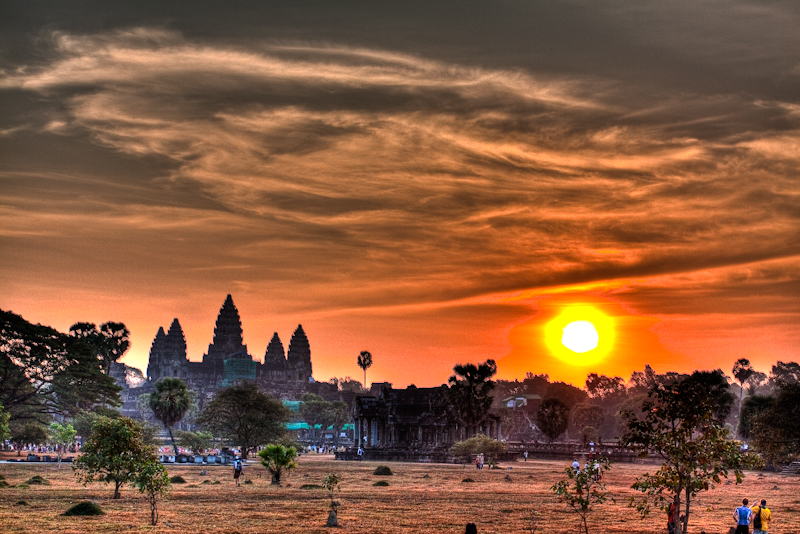
Angkor Wat Temple Complex, Siem Reap Cambodia

Angkor Wat Temple Complex, Siem Reap Cambodia
Witness the breathtaking sunrise over the world’s largest religious monument, a UNESCO World Heritage masterpiece of Khmer architecture.

Angkor Wat is an architectural marvel and the crown jewel of Cambodia’s Angkor complex. Built in the 12th century as a Hindu temple dedicated to Vishnu, it stands as the largest religious monument in the world and represents the pinnacle of Khmer artistic achievement. The temple’s iconic five towers, intricate stone carvings, and vast compound spanning over 400 acres create an otherworldly atmosphere that transports visitors back centuries in time. Angkor Wat is not just a temple; it’s a testament to human ingenuity, spiritual devotion, and the grandeur of the Khmer Empire at its height.

Highlights

  • Watch the iconic sunrise over the main temple towers, painting the sky in brilliant oranges and golds
  • Explore the intricate bas-reliefs depicting scenes from Hindu epics and daily life in the Khmer Empire
  • Climb to the upper terraces for panoramic views of the surrounding jungle and complex
  • Discover the reflection pools that create mirror-like images of the temple at dawn

What to Do

  • Arrive before dawn to secure the best sunrise viewing spot and capture stunning photography
  • Hire a knowledgeable guide to explain the architectural significance and historical context
  • Walk the outer galleries to admire the detailed stone carvings and reliefs
  • Explore nearby temples within the Angkor complex including Bayon and Ta Prohm
  • Visit during the dry season for clearer skies and optimal photography conditions

Best Time to Visit

November to February offers the coolest weather and clearest skies for sunrise viewing, making it ideal for photography and comfortable exploration of the vast temple complex.

Getting There

Fly into Siem Reap International Airport, then take a tuk-tuk or hire a private driver for the 30-minute journey to Angkor Wat. Most visitors book multi-day temple passes to explore the entire Angkor complex.

Visitor Tips

  • Purchase a 1-day, 3-day, or 3-day pass in advance to explore multiple temples
  • Bring water, sun protection, and comfortable walking shoes as you’ll be on your feet for hours
  • Hire a local guide to enhance your understanding of the temple’s history and architecture
  • Dress modestly when visiting; shoulders and knees should be covered out of respect
  • Start at sunrise for the best light and fewer crowds before mid-morning

Nearby

  • Bayon Temple – the mysterious temple with giant stone faces
  • Ta Prohm Temple – famous for massive tree roots entwining the structures
  • Tonle Sap Lake – Southeast Asia’s largest freshwater lake with floating villages
  • Siem Reap town – vibrant markets, restaurants, and cultural centers

Angkor Wat represents more than architectural achievement; it embodies the spiritual and cultural legacy of the Khmer people. Witnessing sunrise over this ancient temple complex is a transformative experience that connects you to over eight centuries of history. Whether you’re a history enthusiast, photographer, or spiritual seeker, Angkor Wat promises an unforgettable journey into one of humanity’s greatest civilizations.

Location Map

Angkor Wat Temple Complex, Siem Reap Cambodia Read More »

Scroll to Top