sunrise photography

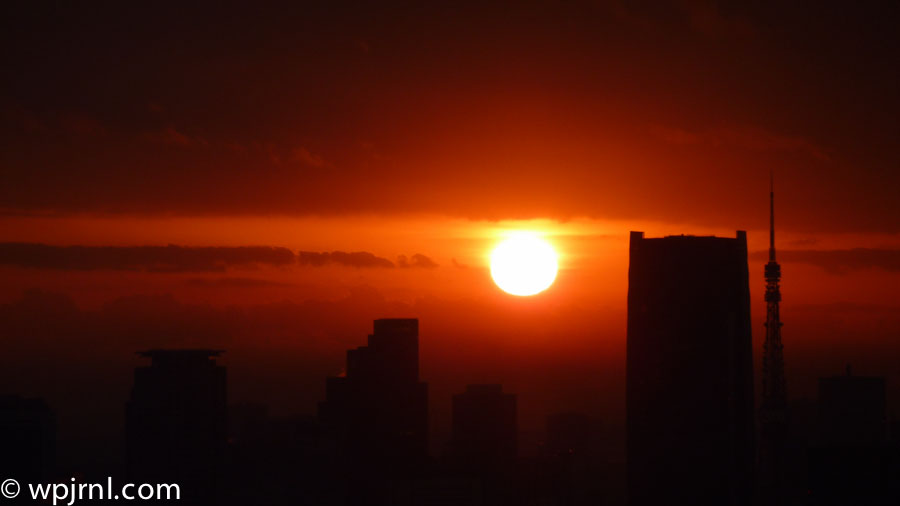
Tokyo Skyline Sunrise, Tokyo Japan
Tokyo Skyline Sunrise, Tokyo Japan
Witness the spectacular golden dawn breaking over Tokyo’s iconic skyline, painting the city in brilliant shades of orange and amber.

Tokyo’s sunrise is a breathtaking natural spectacle that transforms the sprawling metropolis into a canvas of fire and light. As the sun emerges above the horizon, it casts a golden glow across the silhouetted towers and buildings of Japan’s bustling capital, creating one of the most mesmerizing moments of the day. This fleeting moment captures the essence of Tokyo—a city where ancient tradition meets cutting-edge modernity, and where every new day brings fresh possibilities and energy.

Viewing the Tokyo sunrise is a quintessential experience for visitors seeking to connect with the city’s rhythm and majesty. Whether observed from a rooftop bar, observation deck, or strategic hilltop vantage point, the sunrise over Tokyo offers a serene counterpoint to the city’s famous neon-lit nightlife and frenetic daytime energy. The dramatic interplay of light and shadow creates an almost otherworldly atmosphere that photographers and nature enthusiasts cherish.

This golden hour moment reminds visitors why Tokyo remains one of the world’s most captivating cities—a place where nature’s beauty and human achievement coexist in perfect harmony.

Highlights

  • Golden hour photography with perfect silhouettes of Tokyo’s famous skyline
  • Multiple vantage points including rooftop bars, observation decks, and parks
  • Year-round sunrise viewing opportunity with seasonal variations in timing and colors
  • Clear views of iconic Tokyo landmarks including Tokyo Tower and modern skyscrapers

What to Do

  • Wake early and head to a viewing platform such as Tokyo Tower or Skytree for unobstructed sunrise views
  • Capture stunning sunrise photography from rooftop bars and hotels in Shinjuku or Shibuya
  • Visit Roppongi Hills or Mori Tower for panoramic 360-degree sunrise vistas
  • Combine sunrise viewing with early morning exploration of nearby neighborhoods
  • Enjoy breakfast at a rooftop venue while watching the city awaken

Best Time to Visit

Spring (March-May) and autumn (September-November) offer the clearest skies and most vibrant sunrise colors. Summer sunrises occur earlier due to longer daylight hours, while winter provides dramatic cloud formations and deeper orange tones.

Getting There

Tokyo is served by Haneda and Narita International Airports. Numerous hotels and viewing platforms throughout central Tokyo (Shinjuku, Shibuya, Minato wards) provide excellent sunrise vantage points accessible by train or taxi.

Visitor Tips

  • Check weather forecasts the night before to ensure clear skies
  • Arrive 30-45 minutes before sunrise to secure the best viewing spot
  • Bring a camera with manual settings to capture the full color range of the sunrise
  • Wear layers as mornings can be cool even during warm seasons
  • Plan to visit popular rooftop spots on weekdays for fewer crowds

Nearby

  • Tokyo Tower – iconic red lattice tower in Minato Ward
  • Tokyo Skytree – modern broadcasting tower with observation decks
  • Meiji Shrine – serene Shinto shrine in Shibuya
  • Senso-ji Temple – historic Buddhist temple in Asakusa
  • Shinjuku Gyoen – beautiful public garden with spring blossoms

Tokyo’s sunrise is more than just a natural phenomenon—it’s an invitation to witness a city of over 37 million people awakening to a new day. Whether you’re a photographer seeking the perfect shot, a traveler looking to experience Tokyo at its most peaceful, or simply someone eager to start your day with wonder and inspiration, the Tokyo sunrise delivers an unforgettable moment. Plan your early morning pilgrimage to one of the city’s many vantage points and discover why this golden spectacle has captivated visitors for generations.

Location Map

Tokyo Skyline Sunrise, Tokyo Japan Read More »
JFK Airport Sunrise, Queens New York

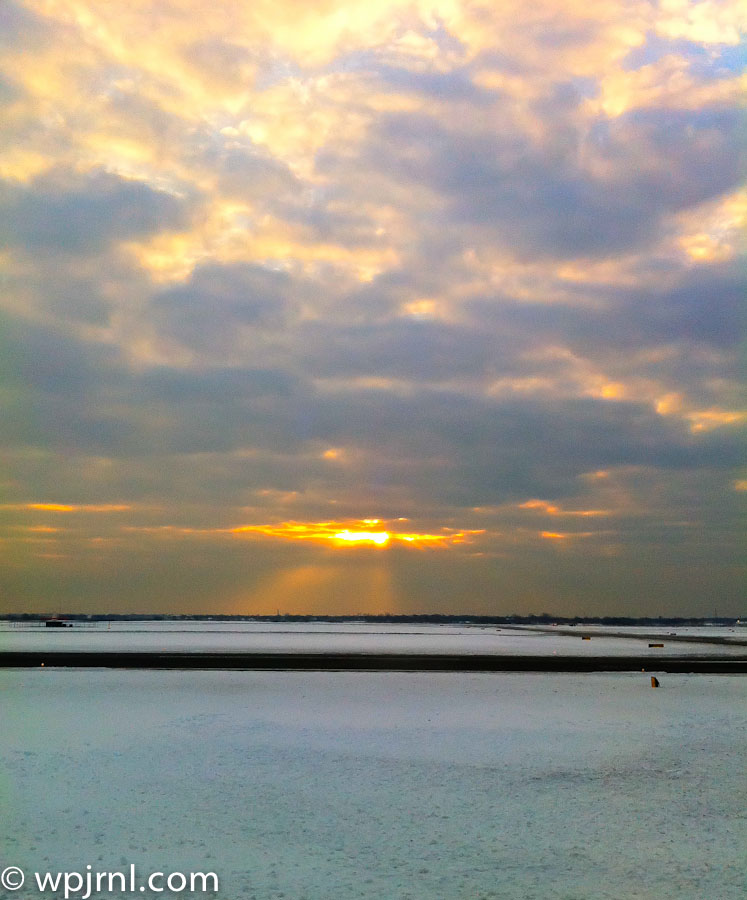
JFK Airport Sunrise, Queens New York
A stunning golden sunrise over JFK’s tidal marshes creates a serene moment of natural beauty in the midst of urban aviation.

John F. Kennedy International Airport, located in Queens, New York, is one of the world’s busiest airports, but it also offers unexpected moments of natural beauty. After winter snow storms clear the skies, dawn breaks over the airport’s unique landscape of salt marshes, water basins, and tidal areas, creating breathtaking photographic opportunities. The interplay of light, water, and cloud formations during sunrise transforms this industrial setting into a place of remarkable tranquility.

The Jamaica Bay wetlands surrounding JFK provide a striking contrast to the airport’s runways and terminals, offering visitors and photographers a glimpse of nature thriving alongside modern infrastructure. Early morning light casts golden rays across still water and pristine snow-covered landscapes, making the post-storm sunrise particularly magical.

Whether you’re catching an early flight, working at the airport, or simply seeking a unique vantage point for sunrise photography, JFK’s natural surroundings reveal an often-overlooked dimension of this iconic New York location.

Highlights

  • Stunning sunrise views over Jamaica Bay marshlands with dramatic cloud formations
  • Post-snow storm clarity creates exceptional visibility and golden light photography
  • Unique blend of natural wetlands and aviation infrastructure creating striking contrasts
  • Early morning tranquility before the airport’s busy daytime operations begin

What to Do

  • Arrive before dawn to photograph the sunrise over the tidal marshes and water basins
  • Explore viewing areas accessible from the airport’s perimeter roads
  • Observe migrating birds and wildlife in the Jamaica Bay wetlands
  • Capture the interplay of natural light on water and snow-covered landscapes

Best Time to Visit

Winter mornings after snow storms, when clear skies and fresh snow create optimal sunrise photography conditions with dramatic lighting and pristine landscapes.

Getting There

JFK Airport is accessible via the AirTrain Jamaica or AirTrain Howard Beach, connecting to the subway and rail systems. Drive access is available via the Van Wyck Expressway. Perimeter roads offer viewing points for sunrise photography.

Visitor Tips

  • Arrive 30-45 minutes before sunrise for optimal light and positioning
  • Check weather forecasts after snow storms for clearest skies and visibility
  • Bring appropriate winter clothing and waterproof gear for snow and marsh conditions
  • Have your camera ready as sunrise lighting changes rapidly
  • Respect airport security and stay in public access areas only

Nearby

  • Jamaica Bay Wildlife Refuge for birdwatching and nature walks
  • Rockaway Beach for Atlantic Ocean views
  • Floyd Bennett Field historic airfield site
  • Canarsie Pier for waterfront views

The sunrise at JFK Airport after a snow storm reveals the hidden natural splendor within one of America’s busiest aviation hubs. This unexpected moment of serenity—where golden light dances across pristine snow and calm waters—reminds us that beauty exists in the most unlikely places. Whether you’re a photographer seeking that perfect shot or a traveler with time before your flight, take a moment to witness the magical transformation of Jamaica Bay at dawn.

Location Map

JFK Airport Sunrise, Queens New York Read More »
Mountain Landscape at Sunrise, Misty Valley Region

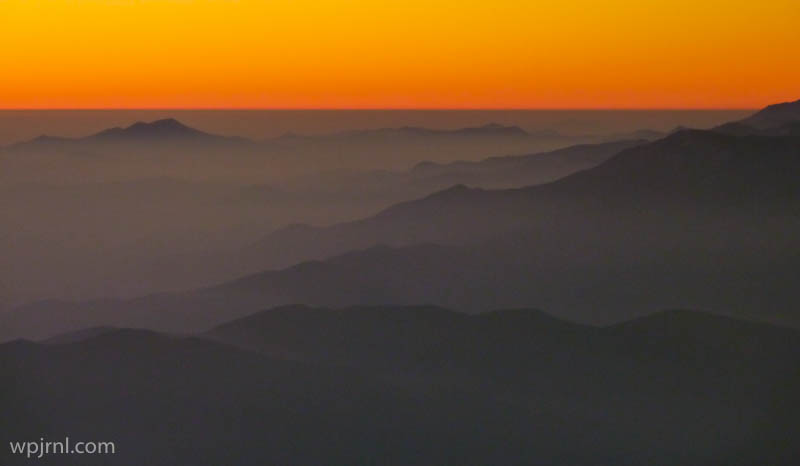
Mountain Landscape at Sunrise, Misty Valley Region
Layers of fog-draped mountains create a serene, ethereal landscape at golden hour.

This breathtaking mountain vista captures the magic of dawn breaking over a fog-filled valley. Multiple ridges fade into atmospheric haze, creating a stunning depth-of-field effect that reveals nature’s most dramatic light show. The warm golden-orange sky contrasts beautifully with the cool silhouettes of successive mountain ranges, each layer becoming progressively hazier as it recedes into the distance. This is the kind of landscape that reminds us why mountain regions are treasured destinations for photographers, hikers, and nature lovers seeking moments of profound tranquility.

Highlights

  • Stunning sunrise colors painting the sky in golden and orange hues
  • Dramatic atmospheric perspective with multiple mountain layers fading into fog
  • Perfect conditions for landscape and nature photography
  • Serene, misty morning atmosphere ideal for peaceful contemplation

What to Do

  • Hike to mountain viewpoints for sunrise photography opportunities
  • Track fog and weather patterns throughout the day for changing light conditions
  • Explore the valleys between mountain ridges on foot or by vehicle
  • Practice landscape photography during golden hour transitions

Best Time to Visit

Early morning during misty seasons (spring and fall) when fog naturally fills valleys and sunrise creates dramatic color contrasts

Getting There

Most fog-laden mountain landscapes are accessible via hiking trails, mountain roads, or regional transport to high-elevation viewpoints

Visitor Tips

  • Arrive before sunrise to capture the best light and atmospheric conditions
  • Bring warm layers as mountain mornings are cool and damp
  • Use a tripod for stable landscape photography in low light conditions
  • Check local weather forecasts for fog predictions

Nearby

  • Mountain hiking trails
  • Valley viewing platforms
  • Local villages nestled in valleys
  • Additional ridgeline viewpoints

Moments like these remind us of the profound beauty found in nature’s quietest hours. If you seek the tranquility of mist-shrouded mountains and the golden promise of a new day, venture to high-elevation landscapes at dawn and witness the magic that fog and light create together.

Location Map

Mountain Landscape at Sunrise, Misty Valley Region Read More »
Angkor Wat Temple Complex, Siem Reap Cambodia

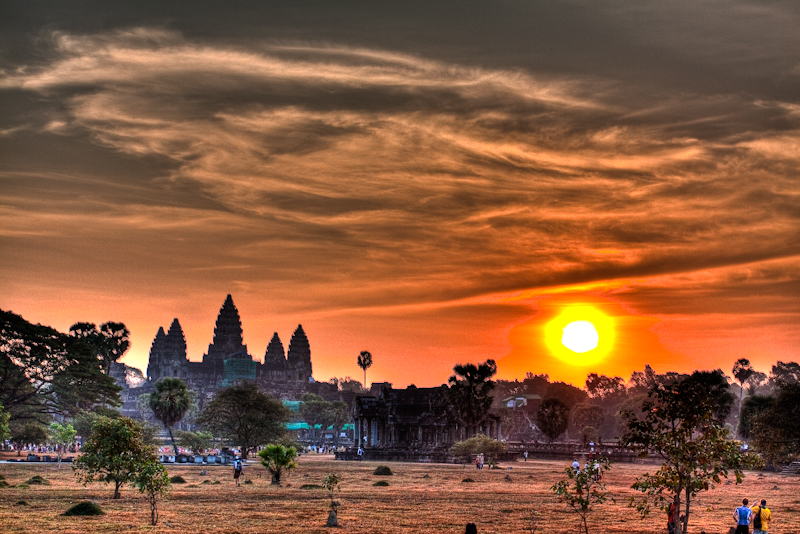
Angkor Wat Temple Complex, Siem Reap Cambodia
Witness the breathtaking sunrise over the world’s largest religious monument, a UNESCO World Heritage masterpiece of Khmer architecture.

Angkor Wat is an architectural marvel and the crown jewel of Cambodia’s Angkor complex. Built in the 12th century as a Hindu temple dedicated to Vishnu, it stands as the largest religious monument in the world and represents the pinnacle of Khmer artistic achievement. The temple’s iconic five towers, intricate stone carvings, and vast compound spanning over 400 acres create an otherworldly atmosphere that transports visitors back centuries in time. Angkor Wat is not just a temple; it’s a testament to human ingenuity, spiritual devotion, and the grandeur of the Khmer Empire at its height.

Highlights

  • Watch the iconic sunrise over the main temple towers, painting the sky in brilliant oranges and golds
  • Explore the intricate bas-reliefs depicting scenes from Hindu epics and daily life in the Khmer Empire
  • Climb to the upper terraces for panoramic views of the surrounding jungle and complex
  • Discover the reflection pools that create mirror-like images of the temple at dawn

What to Do

  • Arrive before dawn to secure the best sunrise viewing spot and capture stunning photography
  • Hire a knowledgeable guide to explain the architectural significance and historical context
  • Walk the outer galleries to admire the detailed stone carvings and reliefs
  • Explore nearby temples within the Angkor complex including Bayon and Ta Prohm
  • Visit during the dry season for clearer skies and optimal photography conditions

Best Time to Visit

November to February offers the coolest weather and clearest skies for sunrise viewing, making it ideal for photography and comfortable exploration of the vast temple complex.

Getting There

Fly into Siem Reap International Airport, then take a tuk-tuk or hire a private driver for the 30-minute journey to Angkor Wat. Most visitors book multi-day temple passes to explore the entire Angkor complex.

Visitor Tips

  • Purchase a 1-day, 3-day, or 3-day pass in advance to explore multiple temples
  • Bring water, sun protection, and comfortable walking shoes as you’ll be on your feet for hours
  • Hire a local guide to enhance your understanding of the temple’s history and architecture
  • Dress modestly when visiting; shoulders and knees should be covered out of respect
  • Start at sunrise for the best light and fewer crowds before mid-morning

Nearby

  • Bayon Temple – the mysterious temple with giant stone faces
  • Ta Prohm Temple – famous for massive tree roots entwining the structures
  • Tonle Sap Lake – Southeast Asia’s largest freshwater lake with floating villages
  • Siem Reap town – vibrant markets, restaurants, and cultural centers

Angkor Wat represents more than architectural achievement; it embodies the spiritual and cultural legacy of the Khmer people. Witnessing sunrise over this ancient temple complex is a transformative experience that connects you to over eight centuries of history. Whether you’re a history enthusiast, photographer, or spiritual seeker, Angkor Wat promises an unforgettable journey into one of humanity’s greatest civilizations.

Location Map

Angkor Wat Temple Complex, Siem Reap Cambodia Read More »

Scroll to Top