travel photography

Street Market or Transit Hub – South Asia

Street Market or Transit Hub - South Asia
A candid glimpse of daily life and human connection captured through a car window in a vibrant South Asian community.

This evocative black and white photograph captures an authentic moment of everyday life in South Asia, taken from inside a vehicle looking out onto a bustling street scene. The composition—framed by the car window—creates an intimate perspective on public life, revealing the spontaneity and warmth of street interactions. The image documents a moment of genuine human connection, with cheerful faces and animated expressions that speak to the vibrancy and resilience of urban communities in the region.

Highlights

  • Authentic street-level encounters and candid human moments
  • Bustling marketplace or transit area with visible commercial activity
  • Documentary-style black and white photography capturing daily life
  • The unique framing perspective from inside a vehicle looking outward

What to Do

  • Experience the vibrant street markets and observe local commerce
  • Interact with friendly locals and experience authentic community life
  • Photograph candid moments of daily activity and street culture
  • Explore the transport systems and how people navigate urban spaces

Best Time to Visit

Early morning or late afternoon when street markets are most active and lighting is optimal for photography

Getting There

By local transportation including buses, auto-rickshaws, or private vehicles that navigate busy city streets

Visitor Tips

  • Always ask permission before photographing people, respecting local customs
  • Be prepared for crowded, bustling environments with lively street activity
  • Carry small cash for informal transactions and street vendor purchases
  • Embrace the spontaneity and energy of street-level encounters

Nearby

  • Local markets and bazaars
  • Street food vendors and eateries
  • Community gathering spaces

This photograph reminds us of the beauty found in unscripted moments and authentic human connection. South Asian street life pulses with energy, warmth, and genuine interaction—inviting travelers to step beyond tourist attractions and experience the real heartbeat of these vibrant communities through the eyes of those who call them home.

Location Map

Street Market or Transit Hub – South Asia Read More »
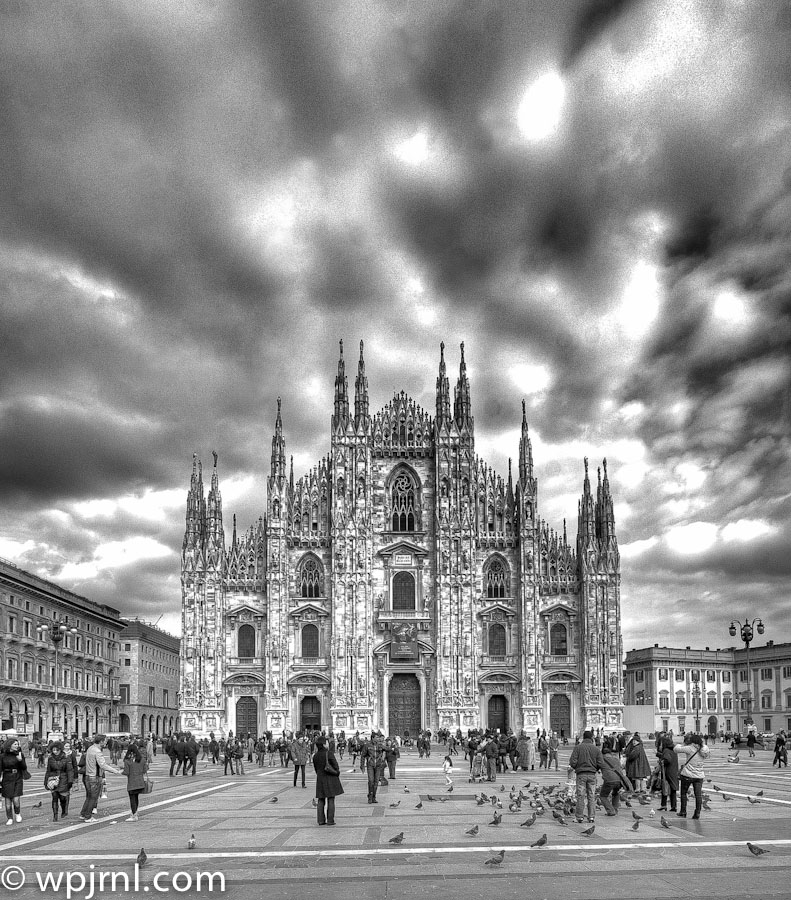
Milan Cathedral (Duomo di Milano), Milan Italy

Milan Cathedral (Duomo di Milano), Milan Italy
A breathtaking Gothic masterpiece with over 3,000 ornate spires that dominates Milan’s iconic central square.

The Milan Cathedral, or Duomo di Milano, stands as one of Europe’s most magnificent Gothic structures and the largest cathedral in Italy. This architectural wonder took nearly six centuries to complete, with construction beginning in 1386 and finishing in 1965. The cathedral’s stunning white and pink marble façade, adorned with intricate carvings and countless spires, creates an ethereal presence in Piazza del Duomo. Its sheer scale and meticulous Gothic details draw millions of visitors annually, making it an unmissable landmark for anyone exploring Milan.

Highlights

  • Stunning Gothic façade with 3,200+ marble statues and ornamental spires
  • Interior containing five naves with soaring vaulted ceilings and stained glass windows
  • Rooftop terraces offering panoramic views across Milan and the Alps on clear days
  • The golden Madonnina (Little Madonna) statue crowning the main spire at 108.5 meters high

What to Do

  • Climb the 251 steps to the rooftop for spectacular city views and close-up details of the marble architecture
  • Explore the cathedral’s interior, admiring the stained glass and Renaissance artworks
  • Visit the Museum of the Duomo to learn about its 600-year construction history
  • Walk around Piazza del Duomo square to see the building from multiple perspectives
  • Attend an evening service to experience the cathedral’s acoustic splendor

Best Time to Visit

April to September offers pleasant weather and clear skies for rooftop views, though expect larger crowds. Late afternoon provides the best dramatic lighting for photography.

Getting There

Metro: M1 and M3 lines stop directly at Duomo station. Trams 2, 3, 4, 12, 14, 19, and 24 serve Piazza del Duomo. The cathedral is in the heart of Milan’s city center, easily accessible from major hotels and transportation hubs.

Visitor Tips

  • Book rooftop tickets in advance during peak season to avoid long queues
  • Dress respectfully—shoulders and knees should be covered for entry into the cathedral
  • Visit early morning for fewer crowds and better photography lighting
  • Bring comfortable walking shoes for exploring the interior and climbing stairs
  • Consider purchasing a combined ticket for the Cathedral, Rooftop, and Museum

Nearby

  • Galleria Vittorio Emanuele II shopping arcade
  • La Scala Opera House
  • Pinacoteca di Brera art museum
  • Sforza Castle and Museums

The Milan Cathedral is more than just a building—it’s a testament to human ambition, artistic mastery, and centuries of dedication. Standing in Piazza del Duomo, gazing up at those intricate spires piercing the sky, you’ll understand why this Gothic masterpiece continues to inspire awe in visitors from around the world. Whether you admire it from the square, ascend its rooftops, or explore its serene interior, the Duomo offers an unforgettable experience that captures the soul of Milan.

Location Map

Milan Cathedral (Duomo di Milano), Milan Italy Read More »
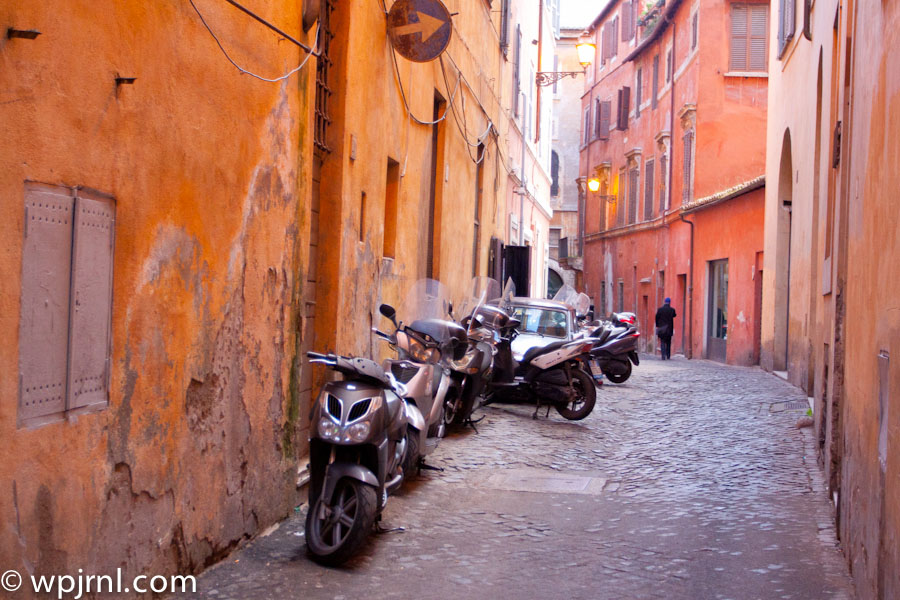
Centro Storico Streets, Bologna Italy

Centro Storico Streets, Bologna Italy
Charming medieval alleyways lined with terracotta buildings and local life in Bologna’s historic heart.

The Centro Storico of Bologna is a living testament to centuries of Italian history, where narrow cobblestone streets wind between stunning terracotta and rust-colored buildings that seem frozen in time. These intimate alleyways are the lifeblood of the city, bustling with locals on scooters, residents heading to work, and visitors discovering the authentic character of one of Italy’s most underrated cities. Walking through these streets feels like stepping into a Renaissance painting, where every corner reveals architectural details, hidden courtyards, and the genuine rhythm of daily Italian life.

The warm hues of the buildings—burnt orange, dusty rose, and golden yellow—create a photogenic backdrop that changes beautifully throughout the day with shifting light. The historic architecture, with its shuttered windows, wrought-iron details, and weathered facades, tells stories of generations who have called these streets home. This is Bologna beyond the tourist postcards: real, vibrant, and deeply atmospheric.

Centro Storico is home to one of Europe’s oldest universities, major basilicas, and miles of covered porticoes that create unique shopping and dining experiences. It’s a place where food culture thrives, where tradition is respected, and where you can experience authentic Italian urban living.

Highlights

  • Terracotta and rust-colored medieval architecture creating one of Italy’s most photogenic streetscapes
  • Authentic local life with residents and scooters, untouched by heavy tourism
  • Cobblestone streets dating back centuries, navigable only on foot or motorscooter
  • Proximity to Piazza Maggiore, the Basilica di San Petronio, and historic towers
  • Covered porticoes (portici) unique to Bologna, offering shelter and distinctive shopping experiences

What to Do

  • Wander the maze-like streets without a map to discover hidden piazzas and local bars
  • Visit the University of Bologna, one of the world’s oldest and most prestigious institutions
  • Explore the Basilica di San Petronio and climb the nearby Torre degli Asinelli for city views
  • Shop and dine under the famous porticoes, sampling authentic Bolognese cuisine
  • Visit museums and galleries housed in historic Renaissance palaces throughout the center
  • Photograph the distinctive architecture at different times of day for varying light

Best Time to Visit

Spring (April-May) or fall (September-October) offer pleasant weather, fewer crowds than summer, and beautiful light for photography. Summer can be hot and crowded, while winter is quieter but cold.

Getting There

Bologna Centrale train station is the main hub, with regular trains from major Italian cities. The Centro Storico is walkable from the station (about 15 minutes). Local buses also serve the area. By car, use paid parking garages on the periphery as the historic center is pedestrian-only.

Visitor Tips

  • Wear comfortable walking shoes—the cobblestone streets are charming but demanding on feet
  • Visit early morning or late afternoon for fewer crowds and the best photographic light
  • The streets are genuinely narrow; be aware of scooters and small vehicles
  • Bring a reusable water bottle; fountains are available throughout the center
  • Learn a few Italian phrases; locals appreciate the effort in this less-touristy center

Nearby

  • Piazza Maggiore and Piazza del Nettuno, Bologna’s main squares
  • Basilica di San Petronio, one of Italy’s largest churches
  • Two Towers (Torre degli Asinelli and Torre Garisenda), iconic medieval structures
  • Quadrilatero, the historic market quarter with food vendors and local shops
  • Sanctuary of the Madonna di San Luca, accessible via the world’s longest portico

The streets of Bologna’s Centro Storico offer visitors a rare opportunity to experience authentic Italian urban life as it has existed for centuries. Here, history isn’t confined to museums—it lives in the weathered facades, in the daily routines of residents, and in the spirit of a city proud of its heritage. Whether you’re a photographer seeking the perfect light, a history enthusiast, or simply someone yearning to understand the soul of Italy, these terracotta-hued alleyways will capture your heart and remind you why Italy remains the world’s most enchanting destination.

Location Map

Centro Storico Streets, Bologna Italy Read More »
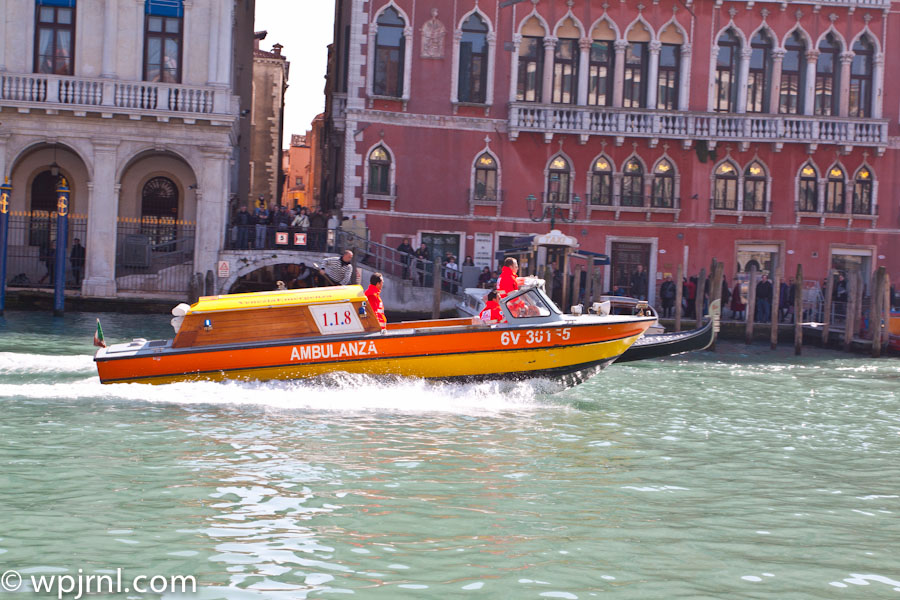
Venice Ambulance Boat, Grand Canal Venice Italy

Venice Ambulance Boat, Grand Canal Venice Italy
Experience the unique emergency transport system of Venice, where speedboats serve as ambulances navigating the iconic waterways.

Venice’s ambulance boats are a fascinating blend of necessity and charm, representing one of the world’s most unique emergency response systems. Since traditional vehicles cannot navigate Venice’s intricate canal network, the city relies on specialized speedboats to transport patients and medical personnel through the waterways. These distinctive orange and yellow vessels are an iconic part of Venetian life, offering a glimpse into how this historic city has adapted modern services to its ancient infrastructure. The ambulance boats symbolize Venice’s resourcefulness and continue a centuries-old tradition of water-based transportation adapted to contemporary needs.

Highlights

  • Orange and yellow ambulance boats (Ambulanza) distinctive design and livery
  • Located on the Grand Canal, Venice’s main waterway and transportation hub
  • Part of Venice’s unique healthcare system serving a city without roads
  • Professional emergency medical personnel trained for water-based rescue operations
  • Historic backdrop of Renaissance palaces and Venetian architecture

What to Do

  • Observe ambulance boats operating along the Grand Canal from viewing points
  • Take a guided gondola tour and learn about Venice’s water-based services
  • Visit the Venetian Emergency Service Museum to understand the system
  • Photograph the distinctive boats against historic Venetian buildings
  • Explore the Grand Canal and surrounding waterways by water taxi

Best Time to Visit

Year-round, though spring (April-May) and fall (September-October) offer pleasant weather and fewer crowds for canal observation

Getting There

Venice is accessible by train, car, or boat from mainland Italy. Once in Venice, the Grand Canal runs through the city center and is easily accessible by gondola, water taxi, or on foot along the canal-side walkways.

Visitor Tips

  • Best viewing spots are along the Grand Canal near major piazzas and bridges
  • Respectful photography is appreciated; avoid interfering with emergency operations
  • The ambulance boats operate 24/7 for genuine emergencies
  • Visit during quieter morning hours for better photography opportunities
  • Learn about Venice’s unique infrastructure before visiting for deeper appreciation

Nearby

  • St. Mark’s Basilica, Venice
  • Doge’s Palace, Venice
  • Rialto Bridge, Grand Canal Venice
  • Palazzo Ducale, Venice
  • Venice Lagoon attractions

Venice’s ambulance boats represent the ingenuity and resilience of this remarkable city, seamlessly blending modern emergency services with centuries-old water-based traditions. Witnessing these distinctive orange and yellow vessels navigating the Grand Canal offers visitors a unique perspective on how Venice continues to thrive as a living, breathing city. Whether you’re a travel enthusiast, photographer, or simply curious about innovative urban solutions, Venice’s water-based emergency system is a compelling testament to human adaptability and the enduring charm of this extraordinary destination.

Location Map

Venice Ambulance Boat, Grand Canal Venice Italy Read More »
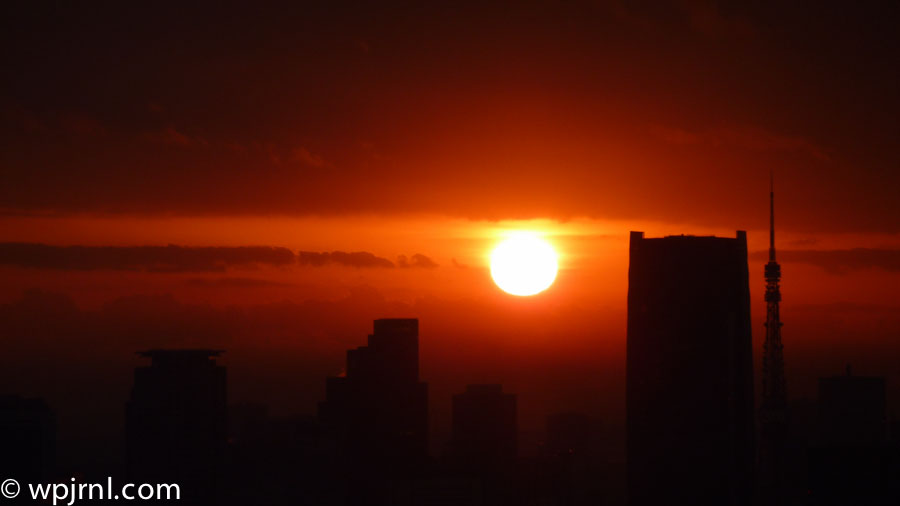
Tokyo Skyline Sunrise, Tokyo Japan

Tokyo Skyline Sunrise, Tokyo Japan
Witness the spectacular golden dawn breaking over Tokyo’s iconic skyline, painting the city in brilliant shades of orange and amber.

Tokyo’s sunrise is a breathtaking natural spectacle that transforms the sprawling metropolis into a canvas of fire and light. As the sun emerges above the horizon, it casts a golden glow across the silhouetted towers and buildings of Japan’s bustling capital, creating one of the most mesmerizing moments of the day. This fleeting moment captures the essence of Tokyo—a city where ancient tradition meets cutting-edge modernity, and where every new day brings fresh possibilities and energy.

Viewing the Tokyo sunrise is a quintessential experience for visitors seeking to connect with the city’s rhythm and majesty. Whether observed from a rooftop bar, observation deck, or strategic hilltop vantage point, the sunrise over Tokyo offers a serene counterpoint to the city’s famous neon-lit nightlife and frenetic daytime energy. The dramatic interplay of light and shadow creates an almost otherworldly atmosphere that photographers and nature enthusiasts cherish.

This golden hour moment reminds visitors why Tokyo remains one of the world’s most captivating cities—a place where nature’s beauty and human achievement coexist in perfect harmony.

Highlights

  • Golden hour photography with perfect silhouettes of Tokyo’s famous skyline
  • Multiple vantage points including rooftop bars, observation decks, and parks
  • Year-round sunrise viewing opportunity with seasonal variations in timing and colors
  • Clear views of iconic Tokyo landmarks including Tokyo Tower and modern skyscrapers

What to Do

  • Wake early and head to a viewing platform such as Tokyo Tower or Skytree for unobstructed sunrise views
  • Capture stunning sunrise photography from rooftop bars and hotels in Shinjuku or Shibuya
  • Visit Roppongi Hills or Mori Tower for panoramic 360-degree sunrise vistas
  • Combine sunrise viewing with early morning exploration of nearby neighborhoods
  • Enjoy breakfast at a rooftop venue while watching the city awaken

Best Time to Visit

Spring (March-May) and autumn (September-November) offer the clearest skies and most vibrant sunrise colors. Summer sunrises occur earlier due to longer daylight hours, while winter provides dramatic cloud formations and deeper orange tones.

Getting There

Tokyo is served by Haneda and Narita International Airports. Numerous hotels and viewing platforms throughout central Tokyo (Shinjuku, Shibuya, Minato wards) provide excellent sunrise vantage points accessible by train or taxi.

Visitor Tips

  • Check weather forecasts the night before to ensure clear skies
  • Arrive 30-45 minutes before sunrise to secure the best viewing spot
  • Bring a camera with manual settings to capture the full color range of the sunrise
  • Wear layers as mornings can be cool even during warm seasons
  • Plan to visit popular rooftop spots on weekdays for fewer crowds

Nearby

  • Tokyo Tower – iconic red lattice tower in Minato Ward
  • Tokyo Skytree – modern broadcasting tower with observation decks
  • Meiji Shrine – serene Shinto shrine in Shibuya
  • Senso-ji Temple – historic Buddhist temple in Asakusa
  • Shinjuku Gyoen – beautiful public garden with spring blossoms

Tokyo’s sunrise is more than just a natural phenomenon—it’s an invitation to witness a city of over 37 million people awakening to a new day. Whether you’re a photographer seeking the perfect shot, a traveler looking to experience Tokyo at its most peaceful, or simply someone eager to start your day with wonder and inspiration, the Tokyo sunrise delivers an unforgettable moment. Plan your early morning pilgrimage to one of the city’s many vantage points and discover why this golden spectacle has captivated visitors for generations.

Location Map

Tokyo Skyline Sunrise, Tokyo Japan Read More »
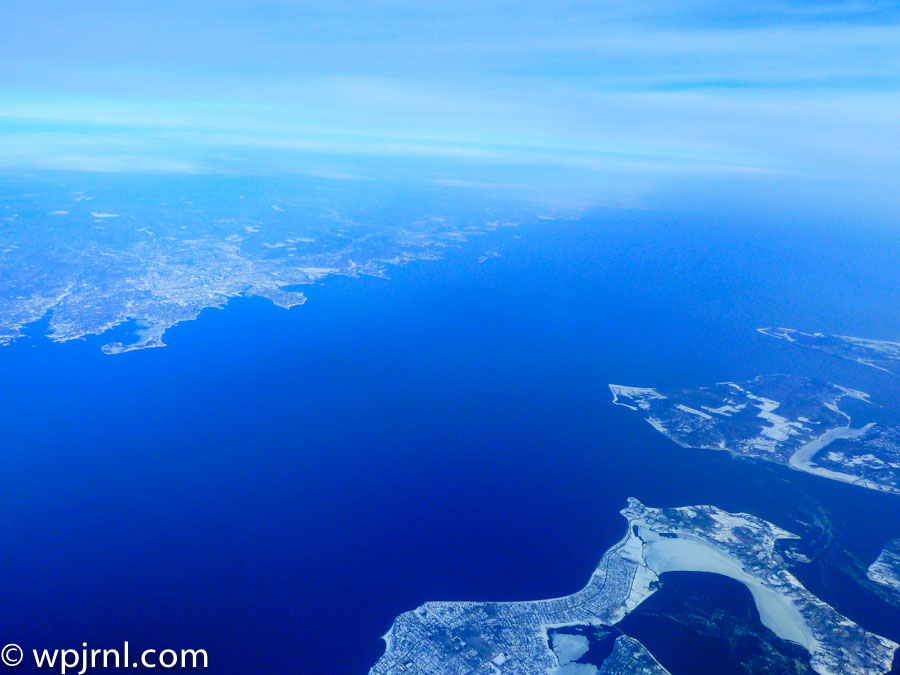
New York Aerial Winter Landscape, New York USA

New York Aerial Winter Landscape, New York USA
Witness the frozen beauty of New York’s archipelago and waterways from above during winter’s crisp season.

This stunning aerial photograph captures New York’s intricate geography during winter, revealing the complex network of islands, waterways, and coastal development that defines this iconic region. From thousands of feet above, the contrast between the deep blue waters and snow-covered land creates a breathtaking winter landscape. The view showcases the Hudson River, East River, and numerous islands that form the foundation of New York City’s unique metropolitan layout, frozen in time during the coldest season.

Highlights

  • Aerial perspective of New York’s frozen waterways and islands in winter
  • Clear visibility of the Hudson River and East River systems
  • Snow-covered landscapes contrasting with deep blue water
  • Bird’s-eye view of New York’s complex coastal geography

What to Do

  • Fly over New York City to capture aerial photography similar to this view
  • Visit observation decks like the Empire State Building or One World Observatory for elevated city views
  • Explore the islands and waterfronts by boat or helicopter tour
  • Experience winter activities across the city’s parks and outdoor spaces

Best Time to Visit

Winter (December to February) offers clear skies, snow-covered landscapes, and exceptional visibility for aerial photography

Getting There

Fly into one of New York’s three major airports: JFK, LaGuardia, or Newark. Helicopter tours depart from various locations in Manhattan.

Visitor Tips

  • Book helicopter or airplane tours early for the best aerial photography opportunities
  • Winter weather provides clearer atmospheric conditions for aerial shots
  • Dress warmly if taking open-door aerial photography flights
  • Visit during midday for optimal lighting conditions

Nearby

  • Manhattan skyline and urban landscape
  • Statue of Liberty and Liberty Island
  • Central Park winter scenery
  • Brooklyn Bridge and East River waterfront

Seeing New York from above transforms your understanding of this magnificent city. The aerial winter perspective reveals nature’s intricate artistry alongside human development, creating a humbling reminder of the scale and complexity of one of the world’s greatest metropolitan areas. Plan your aerial tour today and witness New York’s breathtaking geography from a perspective few experience.

Location Map

New York Aerial Winter Landscape, New York USA Read More »

Scroll to Top