medieval architecture

Historic Brick Alley, Bhaktapur Nepal

Historic Brick Alley, Bhaktapur Nepal
A centuries-old brick alleyway frozen in time, where goats roam freely among UNESCO-protected medieval architecture.

Bhaktapur’s narrow brick-lined alleys transport visitors back to the Newari medieval period, when this city was a thriving trade hub along ancient caravan routes. The town’s distinctive red-brick buildings, intricate wooden windows, and hand-carved doors showcase exceptional traditional craftsmanship that has been preserved for generations. Walking these quiet streets, you’ll encounter daily life much as it has been for centuries—locals going about their routines, artisans at work, and domestic animals like goats freely navigating the historic lanes.

Highlights

  • UNESCO-protected medieval architecture with authentic Newari design elements
  • Intricate hand-carved wooden window frames and doors on centuries-old buildings
  • Authentic local life with minimal modern commercialization compared to Kathmandu
  • Traditional brick construction and craftsmanship visible throughout the streets

What to Do

  • Explore Bhaktapur Durbar Square and admire the 55-window palace and ancient temples
  • Wander the atmospheric brick alleys and photograph traditional architecture
  • Visit local pottery workshops where artisans still use traditional wheel-throwing techniques
  • Experience the slower pace of life and interact with friendly locals
  • Visit Taumadhi Tole square with its distinctive five-tiered Nyatapola Temple

Best Time to Visit

October to November and February to March, when temperatures are mild and skies are clear for photography

Getting There

Located 14 km east of Kathmandu, accessible by local bus (45 minutes), taxi, or private vehicle. The town is best explored on foot.

Visitor Tips

  • Wear comfortable walking shoes suitable for uneven cobblestone streets
  • Bring a camera—every corner offers photogenic traditional architecture
  • Respect local customs and ask permission before photographing people or their homes
  • Allow at least a full day to properly explore the town’s highlights
  • Consider staying overnight to experience the town after day-trippers depart

Nearby

  • Changunarayan Temple, one of Nepal’s oldest pagodas
  • Nagarkot, a hilltop viewpoint offering sunrise and mountain views
  • Kathmandu Durbar Square and Swayambhunath Stupa

Bhaktapur remains one of Nepal’s most authentic and photogenic destinations, offering a glimpse into Newari culture and medieval urban life that has largely vanished elsewhere. Whether you’re a history enthusiast, photographer, or simply seeking to experience traditional Nepal away from modern crowds, this charming brick alley town deserves a place on your travel itinerary.

Location Map

Historic Brick Alley, Bhaktapur Nepal Read More »
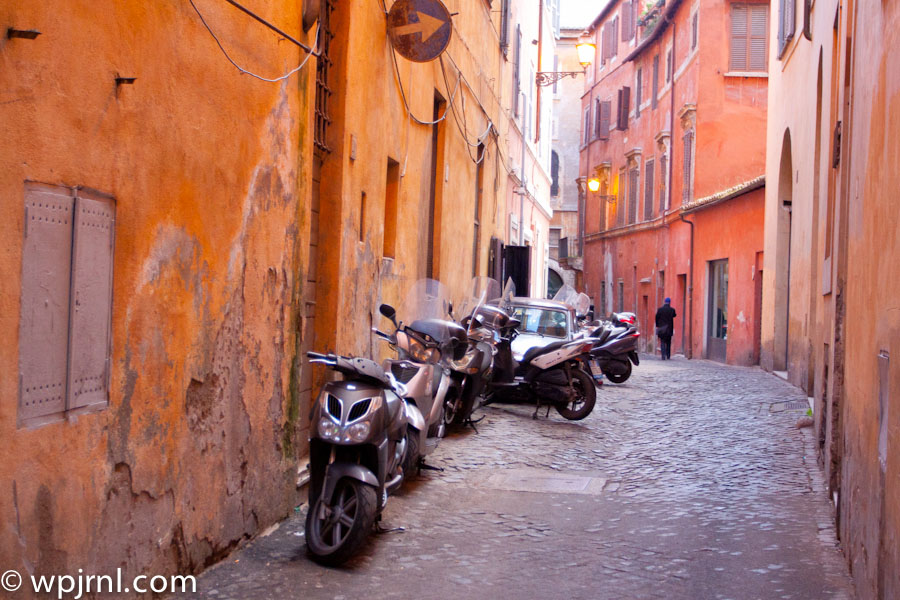
Centro Storico Streets, Bologna Italy

Centro Storico Streets, Bologna Italy
Charming medieval alleyways lined with terracotta buildings and local life in Bologna’s historic heart.

The Centro Storico of Bologna is a living testament to centuries of Italian history, where narrow cobblestone streets wind between stunning terracotta and rust-colored buildings that seem frozen in time. These intimate alleyways are the lifeblood of the city, bustling with locals on scooters, residents heading to work, and visitors discovering the authentic character of one of Italy’s most underrated cities. Walking through these streets feels like stepping into a Renaissance painting, where every corner reveals architectural details, hidden courtyards, and the genuine rhythm of daily Italian life.

The warm hues of the buildings—burnt orange, dusty rose, and golden yellow—create a photogenic backdrop that changes beautifully throughout the day with shifting light. The historic architecture, with its shuttered windows, wrought-iron details, and weathered facades, tells stories of generations who have called these streets home. This is Bologna beyond the tourist postcards: real, vibrant, and deeply atmospheric.

Centro Storico is home to one of Europe’s oldest universities, major basilicas, and miles of covered porticoes that create unique shopping and dining experiences. It’s a place where food culture thrives, where tradition is respected, and where you can experience authentic Italian urban living.

Highlights

  • Terracotta and rust-colored medieval architecture creating one of Italy’s most photogenic streetscapes
  • Authentic local life with residents and scooters, untouched by heavy tourism
  • Cobblestone streets dating back centuries, navigable only on foot or motorscooter
  • Proximity to Piazza Maggiore, the Basilica di San Petronio, and historic towers
  • Covered porticoes (portici) unique to Bologna, offering shelter and distinctive shopping experiences

What to Do

  • Wander the maze-like streets without a map to discover hidden piazzas and local bars
  • Visit the University of Bologna, one of the world’s oldest and most prestigious institutions
  • Explore the Basilica di San Petronio and climb the nearby Torre degli Asinelli for city views
  • Shop and dine under the famous porticoes, sampling authentic Bolognese cuisine
  • Visit museums and galleries housed in historic Renaissance palaces throughout the center
  • Photograph the distinctive architecture at different times of day for varying light

Best Time to Visit

Spring (April-May) or fall (September-October) offer pleasant weather, fewer crowds than summer, and beautiful light for photography. Summer can be hot and crowded, while winter is quieter but cold.

Getting There

Bologna Centrale train station is the main hub, with regular trains from major Italian cities. The Centro Storico is walkable from the station (about 15 minutes). Local buses also serve the area. By car, use paid parking garages on the periphery as the historic center is pedestrian-only.

Visitor Tips

  • Wear comfortable walking shoes—the cobblestone streets are charming but demanding on feet
  • Visit early morning or late afternoon for fewer crowds and the best photographic light
  • The streets are genuinely narrow; be aware of scooters and small vehicles
  • Bring a reusable water bottle; fountains are available throughout the center
  • Learn a few Italian phrases; locals appreciate the effort in this less-touristy center

Nearby

  • Piazza Maggiore and Piazza del Nettuno, Bologna’s main squares
  • Basilica di San Petronio, one of Italy’s largest churches
  • Two Towers (Torre degli Asinelli and Torre Garisenda), iconic medieval structures
  • Quadrilatero, the historic market quarter with food vendors and local shops
  • Sanctuary of the Madonna di San Luca, accessible via the world’s longest portico

The streets of Bologna’s Centro Storico offer visitors a rare opportunity to experience authentic Italian urban life as it has existed for centuries. Here, history isn’t confined to museums—it lives in the weathered facades, in the daily routines of residents, and in the spirit of a city proud of its heritage. Whether you’re a photographer seeking the perfect light, a history enthusiast, or simply someone yearning to understand the soul of Italy, these terracotta-hued alleyways will capture your heart and remind you why Italy remains the world’s most enchanting destination.

Location Map

Centro Storico Streets, Bologna Italy Read More »
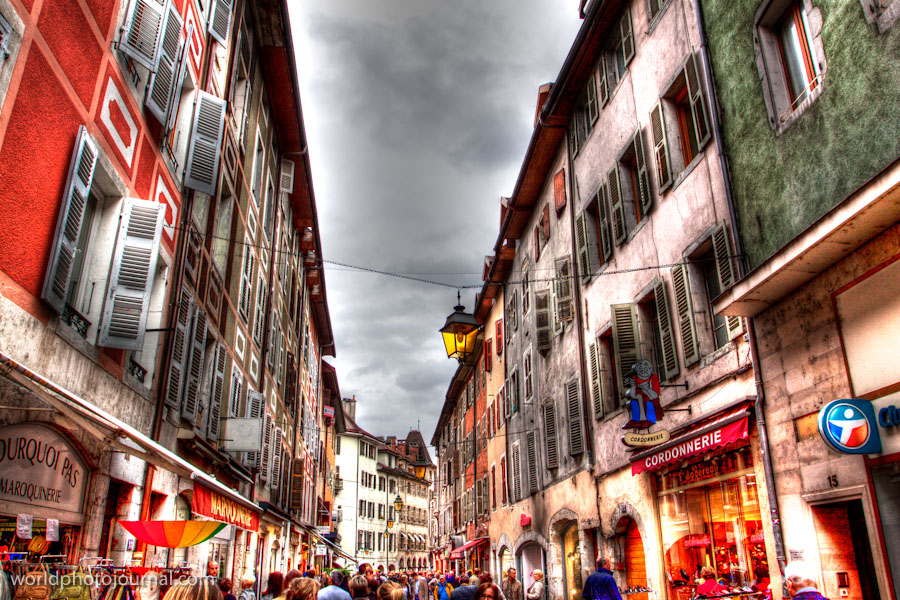
Downtown Annecy Old Town Street, French Alps France

Downtown Annecy Old Town Street, French Alps France
A picturesque medieval pedestrian street lined with colorful Renaissance buildings and charming local shops.

Downtown Annecy’s Old Town is a stunning testament to French Alpine charm, where narrow cobblestone streets wind between vibrantly colored buildings that reflect centuries of history. This UNESCO-recognized historic district showcases perfectly preserved Renaissance and medieval architecture, with facades painted in warm reds, soft pastels, and earthy tones that create an enchanting atmosphere. The pedestrian-only streets buzz with life as locals and tourists alike explore boutique shops, galleries, and cafés nestled within these atmospheric storefronts.

The heart of Annecy pulses with authentic European character, where every corner reveals hidden courtyards, elegant window shutters, and wrought-iron details that transport visitors back in time. The architecture tells stories of merchant families and Alpine traditions, while the vibrant commercial life ensures the district remains living and dynamic rather than frozen in the past. Street lamps, flower boxes, and the constant flow of people create a scene straight from a travel photographer’s dream.

Highlights

  • Medieval and Renaissance architecture with colorful façades in reds, greens, and pastels
  • Pedestrian-only streets perfect for leisurely exploration and photography
  • Traditional French Alpine shops, boutiques, galleries, and local artisan stores
  • Historic storefronts with character and charm dating back centuries
  • Atmospheric street-level details including shutters, lanterns, and architectural ornamentation

What to Do

  • Stroll through the winding pedestrian streets and discover hidden corners and courtyards
  • Shop at independent boutiques and galleries showcasing local crafts and regional products
  • Enjoy café culture at sidewalk tables and traditional restaurants
  • Photograph the colorful building facades and historic architectural details
  • Visit the nearby Annecy Castle and lakefront attractions

Best Time to Visit

Late spring through early fall (May-September) offers pleasant weather and vibrant street life, though the Old Town is charming year-round. Summer brings the most visitors and outdoor café seating, while quieter months provide more intimate exploration.

Getting There

Annecy is easily accessible by train from Geneva, Lyon, and other major French cities. The Old Town is a short walk from the main train station. Alternatively, car rental allows flexible exploration of the surrounding Alpine region, though parking is limited near the Old Town itself.

Visitor Tips

  • The Old Town is best explored on foot—wear comfortable walking shoes for cobblestone streets
  • Visit early morning or late afternoon to avoid peak crowds and capture better photographs
  • Most shops close on Sundays and Mondays, so plan accordingly
  • The district is compact; you can explore it thoroughly in 2-3 hours
  • Bring cash for some smaller shops and cafés that may not accept cards

Nearby

  • Annecy Lake (Lac d’Annecy) for water activities and scenic walks
  • Annecy Castle overlooking the Old Town with museum exhibits
  • Palace of the Isle historic landmark in the center of the Old Town
  • Mont-Blanc mountain range accessible for hiking and outdoor adventures
  • Gorges du Fier natural attraction and scenic viewpoint

The pedestrian streets of downtown Annecy capture the essence of Alpine France, where history, culture, and contemporary vitality blend seamlessly. Whether you’re shopping for local treasures, savoring regional cuisine, or simply soaking in the atmosphere of centuries-old architecture, this charming Old Town offers an unforgettable glimpse into authentic French life. The colorful buildings, winding streets, and welcoming shops create an irresistible invitation to slow down, explore, and experience the magic of this lakeside gem nestled in the heart of the French Alps.

Location Map

Downtown Annecy Old Town Street, French Alps France Read More »

Scroll to Top