
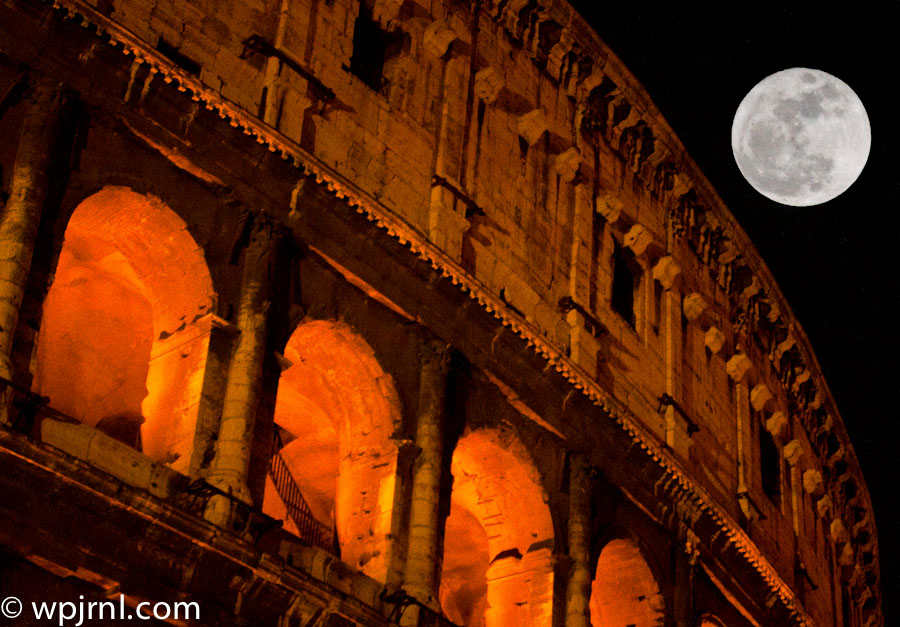
The Colosseum, also known as the Flavian Amphitheatre, is one of the most recognizable monuments of ancient Rome and the world. Built between 70-80 AD, this magnificent structure once hosted gladiatorial combat and public spectacles that captivated thousands of spectators. Today, it stands as a testament to the architectural prowess and engineering brilliance of the Roman Empire, with its iconic arches and weathered stone facade telling stories of centuries past.
Night photography at the Colosseum reveals the structure’s true majesty, as strategic lighting illuminates the ancient arches in warm golden tones while the full moon rises above, creating a mystical atmosphere. This interplay of artificial and natural light transforms the ruins into a dreamlike vision, making evening visits particularly enchanting for photographers and history enthusiasts alike.
As one of Rome’s most visited attractions, the Colosseum represents the pinnacle of Roman achievement and continues to inspire awe in millions of visitors each year. Whether explored by daylight or admired under the stars, this UNESCO World Heritage Site remains an unforgettable destination.
Highlights
- Ancient Roman engineering with its iconic four-story arched facade featuring different architectural orders
- Capacity to hold up to 50,000 spectators during its operational days
- Underground chambers (hypogeum) that once housed wild animals and gladiators before performances
- Exceptional nocturnal photography opportunities with dramatic lighting and moonlit skies
What to Do
- Take guided tours through the Colosseum to learn about gladiatorial combat and ancient Roman society
- Explore the underground areas to see where animals and fighters were kept
- Visit at night for spectacular photography when the monument is beautifully illuminated
- Combine a visit with nearby attractions like the Roman Forum and Palatine Hill
- Capture stunning sunset and moonrise shots from elevated viewpoints around the structure
Best Time to Visit
Visit during spring (April-May) or fall (September-October) for pleasant weather and smaller crowds. Evening visits during clear nights offer the best photography opportunities, especially during a full moon.
Getting There
The Colosseum is easily accessible via Rome’s public metro system (Line B, Colosseo station). Located in central Rome, it’s also reachable by bus or taxi. The nearest airport is Leonardo da Vinci-Fiumicino Airport, about 30 kilometers away.
Visitor Tips
- Book tickets online in advance to skip long queues, especially during peak season
- Wear comfortable walking shoes as the terrain is uneven and involves climbing stairs
- Bring a camera with good low-light capabilities for nighttime photography
- Visit early morning or late evening to avoid midday crowds and heat
- Allow 2-3 hours for a thorough exploration of all accessible areas
Nearby
- Roman Forum – ancient governmental and social center of Rome
- Palatine Hill – ruins of imperial palaces overlooking the Forum
- Arch of Constantine – triumphal arch dedicated to Constantine the Great
- Santa Maria in Aracoeli – medieval church with stunning city views
The Colosseum stands as a timeless symbol of human achievement and the grandeur of ancient civilizations. Whether you’re a history buff, architecture enthusiast, or photography lover, standing before this magnificent monument under the light of the moon is an experience that connects you to nearly two millennia of human history. Plan your visit to this eternal monument and let its ancient stones transport you through time.
lovely!
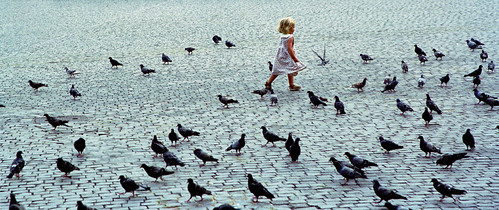
I liked the two different color tones in this image. Great image. Thanks for sharing!