transportation

Venice Mestre Station Railway Hub, Venice Italy
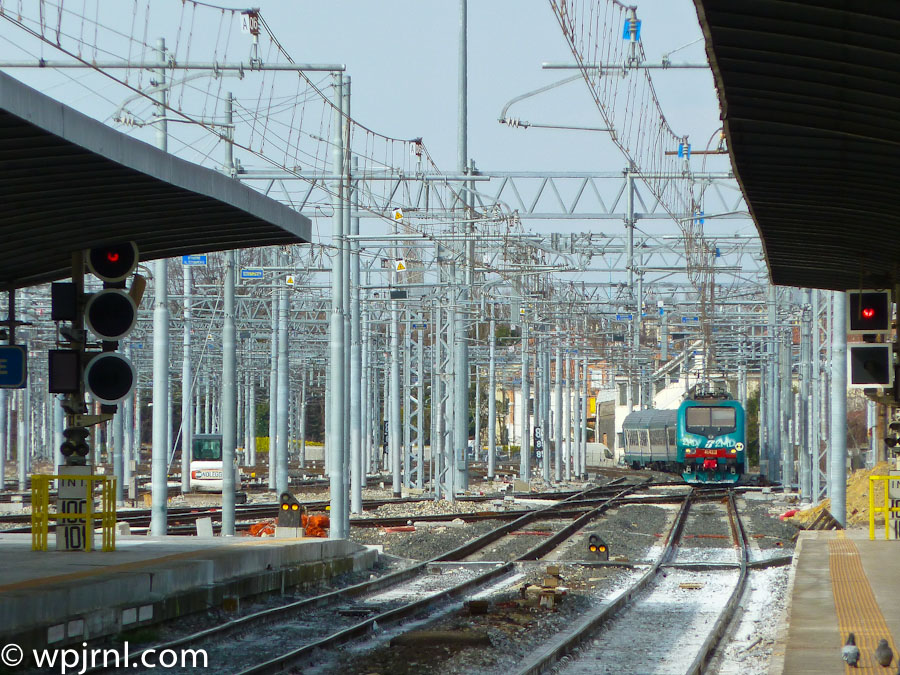
Venice Mestre Station Railway Hub, Venice Italy
A modern railway gateway connecting mainland Venice to Italy’s extensive rail network with impressive infrastructure and engineering.

Venice Mestre Station is the primary railway hub serving the Venice metropolitan area, located on the mainland in Mestre rather than on the famous island itself. This substantial transit facility showcases contemporary Italian railway infrastructure with its extensive network of overhead electrical lines, multiple tracks, and modern signaling systems. The station serves as a crucial transportation junction for both regional and long-distance trains, connecting travelers to destinations throughout Italy and beyond. Its impressive architectural framework of steel structures and platforms demonstrates the scale and importance of rail transport in this region.

Highlights

  • Extensive overhead catenary wire network supplying power to electric trains
  • Multiple parallel railway tracks accommodating high traffic volume
  • Modern signaling systems with automated traffic lights
  • Large covered platform areas protecting passengers from weather
  • Important junction connecting Venice island to mainland Italy

What to Do

  • Observe the complex railway operations and train movements
  • Study the impressive engineering of the overhead electrical infrastructure
  • Watch various regional and international trains arrive and depart
  • Use the station as a transportation hub to explore Venice and surrounding regions
  • Photograph the geometric patterns of the railway infrastructure

Best Time to Visit

Spring and fall offer pleasant weather for visiting. Summer can be crowded with tourists, while winter is quieter but cooler. Any time of year provides excellent opportunities to observe active rail operations.

Getting There

Mestre Station is accessible by train from throughout Italy and Europe. By car, follow signs for Mestre from the Venice ring road. Public buses connect the station to surrounding areas. From the station, take a train or bus to Venice island, or rent a car to explore the mainland.

Visitor Tips

  • Arrive early during peak travel times to navigate the busy station
  • Purchase tickets in advance for better rates on regional and long-distance trains
  • The station has restaurants and shops for refreshments before traveling
  • Photography enthusiasts should note the dramatic industrial aesthetic of the railway infrastructure
  • Allow extra time if connecting to Venice island services

Nearby

  • Venice Island – Historic city center with St. Mark’s Basilica
  • Grand Canal – Famous waterway through Venice
  • Mestre Town Center – Local shopping and dining
  • Venice Lagoon – Natural scenic area surrounding the islands

Venice Mestre Station represents the vital connection between modern Italy and one of the world’s most enchanting destinations. Whether you’re a railway enthusiast captivated by its impressive infrastructure or a traveler using it as your gateway to explore Venice and beyond, this station embodies the engineering excellence and transportation heritage that links Italy’s cities and people. Plan your visit to experience this important transportation hub and appreciate the remarkable feat of engineering that makes Venice accessible to the modern world.

Location Map

Venice Mestre Station Railway Hub, Venice Italy Read More »
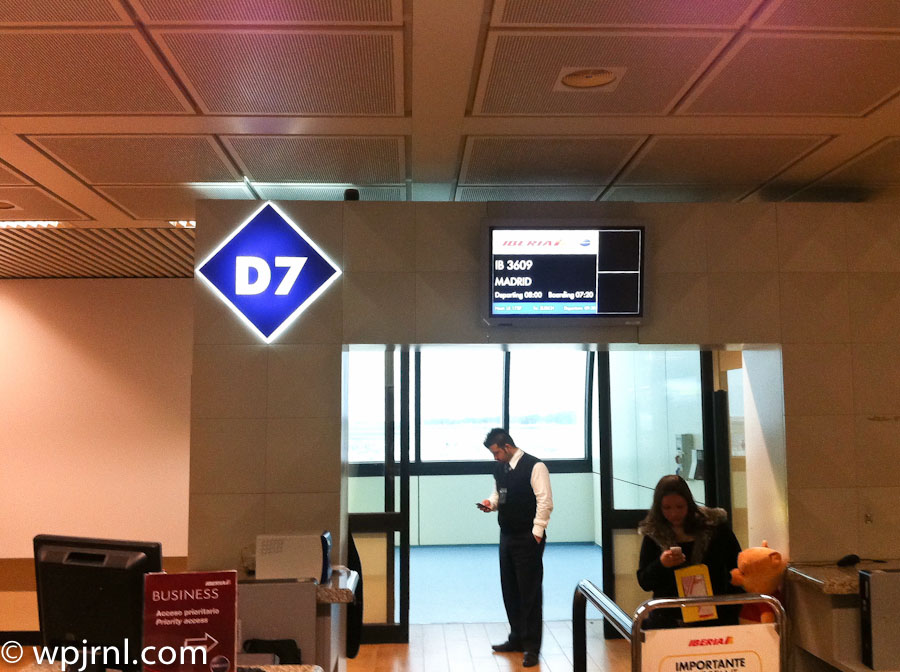
Gate D7, Madrid-Barajas Airport Spain

Gate D7, Madrid-Barajas Airport Spain
A modern airport gate serving international and domestic flights from Spain’s premier aviation hub.

Gate D7 is part of Madrid-Barajas Airport, one of Europe’s busiest and most important aviation hubs. Located in the departure area, this gate exemplifies the modern infrastructure and passenger facilities that make Madrid-Barajas a world-class international airport. The gate serves both Iberia Airlines flights and other carriers, connecting Spain to destinations across Europe and the globe. The contemporary design features clean lines, efficient boarding processes, and comfortable waiting areas for passengers preparing for their journey.

Highlights

  • Modern gate infrastructure with real-time flight information displays
  • Iberia Airlines hub operations with frequent departures
  • Contemporary architectural design typical of Madrid-Barajas Terminal 4
  • Efficient passenger boarding procedures and facilities

What to Do

  • Monitor flight information on digital displays
  • Access airport retail and dining in adjacent terminal areas
  • Utilize business facilities for last-minute work before departure
  • Observe the constant flow of international aviation activity

Best Time to Visit

Any time during standard operating hours; early morning or mid-afternoon typically experience fewer crowds than peak hours

Getting There

Madrid-Barajas Airport is accessible via Metro Line 8, regional trains, rental cars, and taxi services from Madrid city center, approximately 13 kilometers away

Visitor Tips

  • Arrive at least 2-3 hours before international flights
  • Check gate assignments on airport displays as they may change
  • Utilize Madrid-Barajas’ extensive dining and shopping options in terminal corridors
  • Have boarding passes ready for efficient gate entry

Nearby

  • Madrid-Barajas Airport Terminal 1
  • Madrid-Barajas Airport Terminal 4
  • Madrid city center attractions via Metro connection

Gate D7 at Madrid-Barajas represents the modern efficiency and connectivity that keeps Spain linked to the world. Whether you’re departing on an Iberia flight to a European capital or connecting to a global destination, this contemporary gate embodies the gateway experience that welcomes millions of travelers annually.

Location Map

Gate D7, Madrid-Barajas Airport Spain Read More »
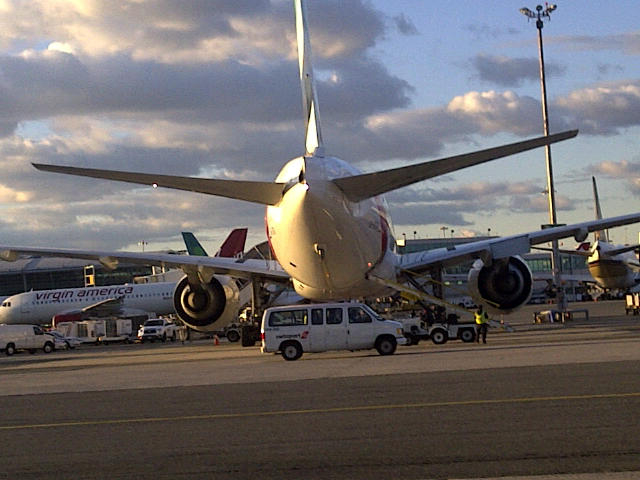
JFK Airport, New York City USA

JFK Airport, New York City USA
One of the world’s busiest international aviation hubs connecting New York to destinations across the globe.

John F. Kennedy International Airport (JFK) stands as one of the most important and busiest airports in the world, serving as the primary international gateway to New York City. Located in Queens, the airport handles millions of passengers annually and serves as a major hub for numerous international airlines. The airport’s tarmac and facilities are a constant flurry of activity, with aircraft from around the world conducting routine operations, maintenance, and security procedures. JFK Airport represents the intersection of global travel and aviation logistics, where planes like the Emirates aircraft in this image are inspected and serviced as part of standard airport operations.

Highlights

  • Major international hub connecting NYC to over 180 destinations worldwide
  • State-of-the-art terminal facilities and runway infrastructure
  • Home to numerous airline lounges and premium travel services
  • Iconic location featured in countless aviation and travel photographs

What to Do

  • Observe aircraft operations from observation areas and designated viewing locations
  • Browse duty-free shopping and dining in modern terminal buildings
  • Experience premium lounge facilities if traveling first or business class
  • Visit the TWA Hotel for aviation history and iconic 1960s architecture

Best Time to Visit

Year-round, though spring and fall offer the most pleasant weather for airport visits

Getting There

Accessible via AirTrain rail system, taxi, ride-share services, and car rental; located approximately 15 miles from Manhattan

Visitor Tips

  • Arrive early for flights; JFK can experience heavy congestion
  • Check airline websites for terminal information before arrival
  • Use the AirTrain for convenient ground transportation
  • Currency exchange and ATMs available throughout terminals

Nearby

  • Jamaica Station for rail connections to Manhattan
  • Howard Beach Station for subway access
  • Queens Museum and cultural attractions
  • Flushing Meadows-Corona Park

JFK Airport represents the global gateway to New York City and the beginning of countless journeys. Whether you’re departing on an international adventure or arriving to experience the energy of NYC, JFK’s world-class facilities and bustling operations embody the spirit of modern air travel and international connectivity.

Location Map

JFK Airport, New York City USA Read More »
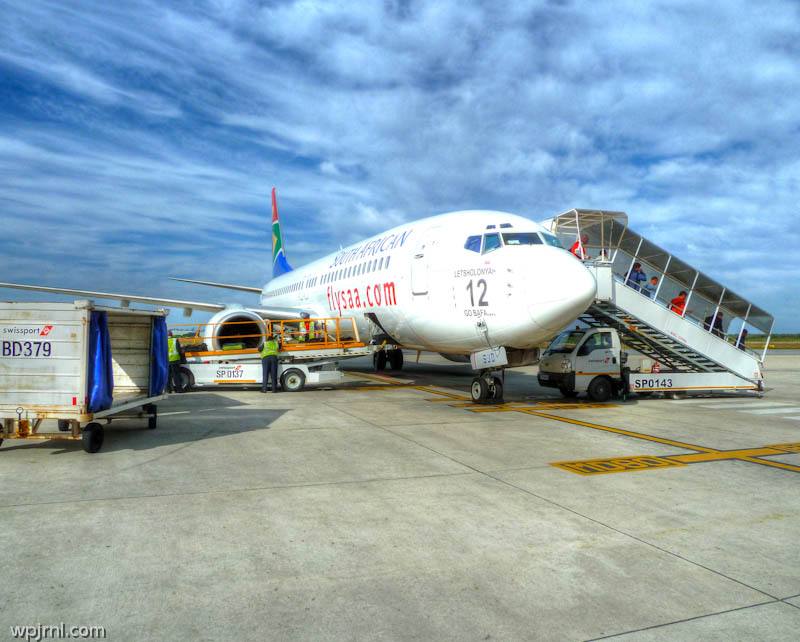
PLZ Airport, South Africa — South African Airways Boeing 737 Parking

PLZ Airport, South Africa — South African Airways Boeing 737 Parking
A regional South African airport offering a glimpse into the country’s aviation heritage and domestic travel infrastructure.

PLZ Airport, located in Pietersburg (now Polokwane), South Africa, serves as an important regional hub for both domestic and regional flights. The airport has been instrumental in connecting central South Africa to major cities and international destinations. This photograph captures a South African Airways Boeing 737 positioned at the tarmac, showcasing the aircraft and ground operations that keep this airport operational. The facility demonstrates modern aviation infrastructure while maintaining accessibility for regional travelers.

Highlights

  • South African Airways Boeing 737 aircraft operations and fleet visibility
  • Ground support operations with modern equipment and vehicles
  • Regional aviation hub connecting central South Africa
  • Professional airport infrastructure and facilities

What to Do

  • Watch aircraft operations from the airport viewing areas
  • Use the airport as a departure point for regional flights across South Africa
  • Explore the airport facilities and aviation heritage
  • Photograph modern commercial aircraft during ground operations

Best Time to Visit

Year-round, with clearer skies typically during South Africa’s dry season (May to September)

Getting There

PLZ Airport is accessible by road from Polokwane city center, approximately 10-15 km away, with rental cars and shuttle services available

Visitor Tips

  • Arrive early for flights to allow time for check-in and security procedures
  • Photography of aircraft may require permission — check airport policies
  • The airport has basic facilities including cafes and shops
  • Weather can be variable in central South Africa, so check conditions before travel

Nearby

  • Polokwane city center and museums
  • Kruger National Park (approximately 400 km east)
  • Limpopo province attractions and wildlife reserves

PLZ Airport represents the vital connection points that keep South Africa’s regions linked together. Whether you’re a aviation enthusiast, regional traveler, or simply curious about the infrastructure that supports the country’s transport network, this airport offers insight into modern African aviation operations and the role regional hubs play in continental connectivity.

Location Map

PLZ Airport, South Africa — South African Airways Boeing 737 Parking Read More »
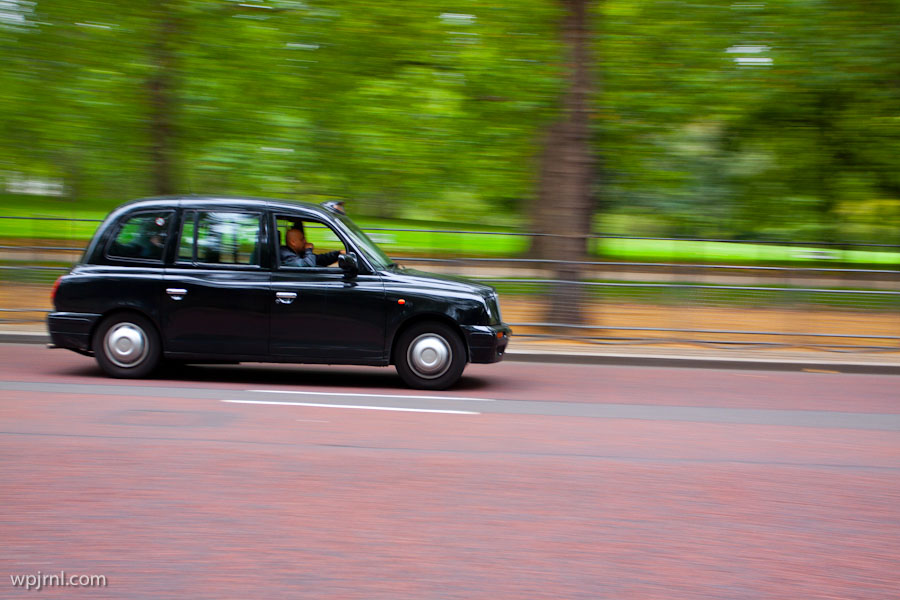
London Street with Black Taxi, England UK

London Street with Black Taxi, England UK
Experience the iconic motion of London’s famous black cab taxis navigating the vibrant streets of the British capital.

This dynamic photograph captures one of London’s most recognizable symbols—the black taxi cab—in motion along a bustling London street. The image showcases the classic design of the iconic London hackney carriage, a quintessential part of the city’s transport heritage and urban landscape. With lush green trees lining the street and the distinctive red asphalt pavement, this scene perfectly encapsulates the blend of tradition and modern city life that defines London.

Highlights

  • Black taxi cabs—an iconic symbol of London transport since the 1950s
  • Historic red tarmac streets characteristic of central London
  • Tree-lined avenues showcasing London’s green spaces and urban planning
  • Active street scenes reflecting daily London life and commerce

What to Do

  • Hail a black cab and explore London’s diverse neighborhoods on wheels
  • Walk the surrounding streets to discover local shops, cafes, and landmarks
  • Photograph iconic London transport and architecture
  • Visit nearby attractions along London’s bustling main streets

Best Time to Visit

Spring and summer (April-September) for pleasant weather and vibrant street activity, though London is a year-round destination.

Getting There

London is accessible via multiple airports (Heathrow, Gatwick, Stansted). Once in the city, use the extensive London Underground, buses, or the famous black cabs for transport.

Visitor Tips

  • Black cabs are one of the best ways to experience London’s streets and neighborhoods
  • The drivers are highly trained and knowledgeable about the city
  • Hailing a cab from the street is convenient, or pre-book via apps
  • Expect congestion during peak hours in central London

Nearby

  • London’s West End theatre district
  • Central London shopping areas
  • Historic parks and gardens
  • Museums and cultural attractions

London’s iconic black taxis are more than mere transportation—they represent the spirit and heritage of one of the world’s great cities. Whether you’re a visitor exploring for the first time or a local navigating familiar streets, experiencing London from a black cab offers a uniquely British perspective of this vibrant metropolis.

Location Map

London Street with Black Taxi, England UK Read More »
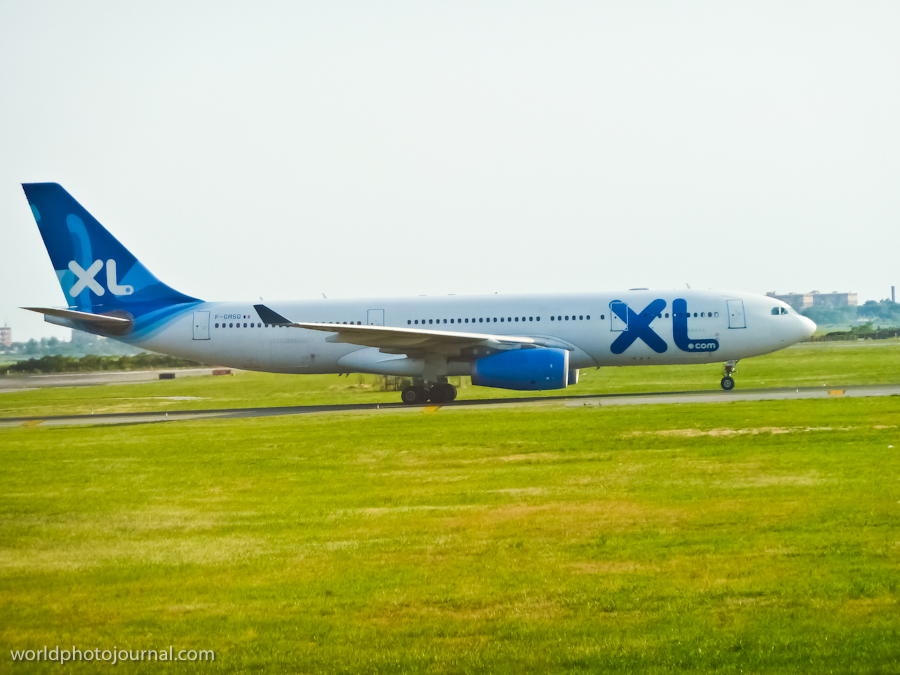
John F. Kennedy International Airport, New York USA

John F. Kennedy International Airport, New York USA
One of the world’s busiest and most iconic international airports, serving as a major gateway to New York City and the United States.

John F. Kennedy International Airport (JFK) is one of the most important aviation hubs in the world, located in the borough of Queens in New York City. Serving over 60 million passengers annually, JFK is a gateway for international travel and commerce, connecting New York to destinations across the globe. The airport is renowned for its modern terminals, diverse airline operations, and its role in aviation history, having hosted countless historic moments and technological innovations in air travel.

Highlights

  • Nine passenger terminals with world-class facilities and amenities
  • Hub for major international carriers including American Airlines, Delta, and many others
  • Diverse fleet operations including wide-body aircraft like the Airbus A330
  • Strategic location serving the New York metropolitan area with over 20 million residents
  • Modern air traffic control systems managing hundreds of daily flights

What to Do

  • Observe diverse international aircraft operations and plane spotting
  • Explore modern airport terminals with restaurants, shops, and lounges
  • Visit the TWA Flight Center, a historic architectural landmark
  • Use as a connection point to access New York City attractions
  • Experience world-class ground transportation including AirTrain, taxis, and shuttles

Best Time to Visit

Year-round, though spring and fall offer pleasant weather for ground-level visits and plane spotting activities

Getting There

Accessible via AirTrain Jamaica or Howard Beach, subway connections (Jamaica Station, Howard Beach), taxi, ride-sharing services, and car rental options

Visitor Tips

  • Arrive early for flights, especially during peak travel hours
  • Use the AirTrain for quick and reliable airport access
  • Check terminal information before arrival as operations span multiple terminals
  • Allow extra time for international flights and customs procedures
  • Download airport maps and apps for navigation assistance

Nearby

  • Queens Museum of Art
  • Flushing Meadows-Corona Park
  • Jamaica Station transit hub
  • Long Island City waterfront
  • Manhattan attractions via subway connections

JFK Airport represents the intersection of global commerce, travel, and human connection. Whether you’re departing, arriving, or simply fascinated by aviation, JFK’s bustling runways and world-class facilities offer a compelling window into modern international travel. The airport’s continuous evolution and commitment to excellence make it an essential part of the New York experience and a crucial link connecting people across continents.

Location Map

John F. Kennedy International Airport, New York USA Read More »

Scroll to Top