rome

Colosseum Ancient Amphitheater, Rome Italy
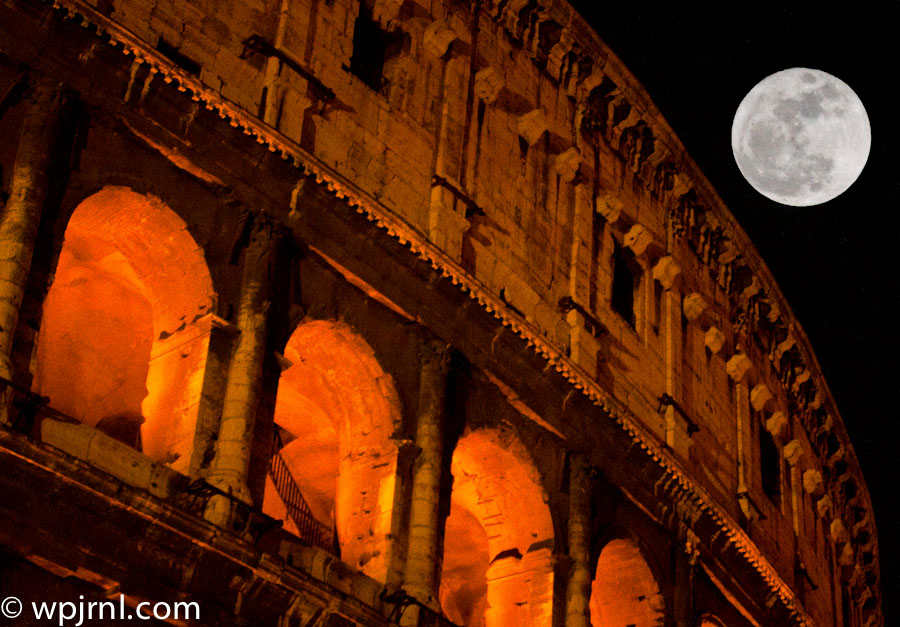
Colosseum Ancient Amphitheater, Rome Italy
Experience the grandeur of ancient Rome under the moonlight at this iconic amphitheater that has stood for nearly 2,000 years.

The Colosseum, also known as the Flavian Amphitheatre, is one of the most recognizable monuments of ancient Rome and the world. Built between 70-80 AD, this magnificent structure once hosted gladiatorial combat and public spectacles that captivated thousands of spectators. Today, it stands as a testament to the architectural prowess and engineering brilliance of the Roman Empire, with its iconic arches and weathered stone facade telling stories of centuries past.

Night photography at the Colosseum reveals the structure’s true majesty, as strategic lighting illuminates the ancient arches in warm golden tones while the full moon rises above, creating a mystical atmosphere. This interplay of artificial and natural light transforms the ruins into a dreamlike vision, making evening visits particularly enchanting for photographers and history enthusiasts alike.

As one of Rome’s most visited attractions, the Colosseum represents the pinnacle of Roman achievement and continues to inspire awe in millions of visitors each year. Whether explored by daylight or admired under the stars, this UNESCO World Heritage Site remains an unforgettable destination.

Highlights

  • Ancient Roman engineering with its iconic four-story arched facade featuring different architectural orders
  • Capacity to hold up to 50,000 spectators during its operational days
  • Underground chambers (hypogeum) that once housed wild animals and gladiators before performances
  • Exceptional nocturnal photography opportunities with dramatic lighting and moonlit skies

What to Do

  • Take guided tours through the Colosseum to learn about gladiatorial combat and ancient Roman society
  • Explore the underground areas to see where animals and fighters were kept
  • Visit at night for spectacular photography when the monument is beautifully illuminated
  • Combine a visit with nearby attractions like the Roman Forum and Palatine Hill
  • Capture stunning sunset and moonrise shots from elevated viewpoints around the structure

Best Time to Visit

Visit during spring (April-May) or fall (September-October) for pleasant weather and smaller crowds. Evening visits during clear nights offer the best photography opportunities, especially during a full moon.

Getting There

The Colosseum is easily accessible via Rome’s public metro system (Line B, Colosseo station). Located in central Rome, it’s also reachable by bus or taxi. The nearest airport is Leonardo da Vinci-Fiumicino Airport, about 30 kilometers away.

Visitor Tips

  • Book tickets online in advance to skip long queues, especially during peak season
  • Wear comfortable walking shoes as the terrain is uneven and involves climbing stairs
  • Bring a camera with good low-light capabilities for nighttime photography
  • Visit early morning or late evening to avoid midday crowds and heat
  • Allow 2-3 hours for a thorough exploration of all accessible areas

Nearby

  • Roman Forum – ancient governmental and social center of Rome
  • Palatine Hill – ruins of imperial palaces overlooking the Forum
  • Arch of Constantine – triumphal arch dedicated to Constantine the Great
  • Santa Maria in Aracoeli – medieval church with stunning city views

The Colosseum stands as a timeless symbol of human achievement and the grandeur of ancient civilizations. Whether you’re a history buff, architecture enthusiast, or photography lover, standing before this magnificent monument under the light of the moon is an experience that connects you to nearly two millennia of human history. Plan your visit to this eternal monument and let its ancient stones transport you through time.

Location Map

Colosseum Ancient Amphitheater, Rome Italy Read More »
Colosseum Historic Landmark, Rome Italy

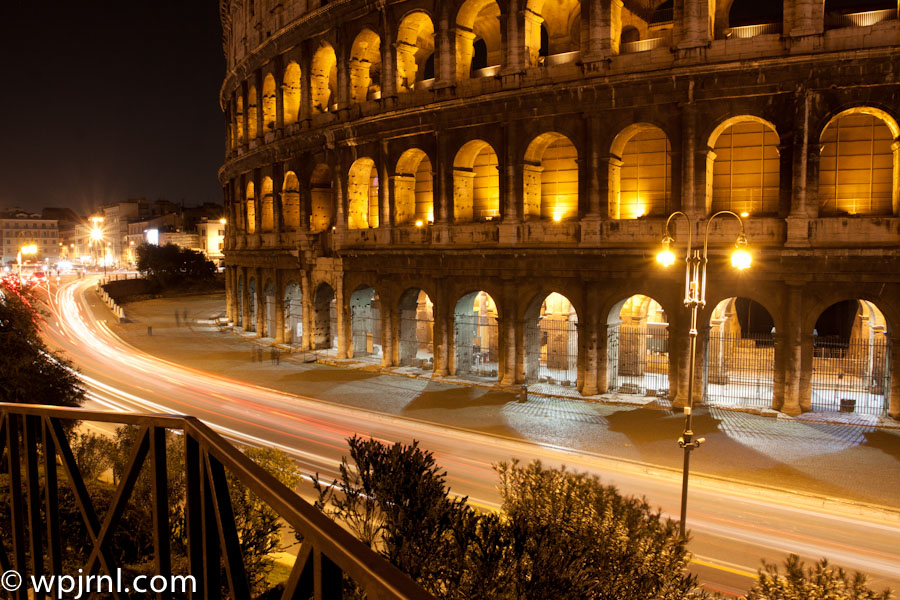
Colosseum Historic Landmark, Rome Italy
Marvel at the iconic ancient Roman amphitheater illuminated against the night sky, a timeless symbol of Imperial Rome’s architectural grandeur.

The Colosseum, or Flavian Amphitheatre, stands as one of the most impressive monuments of ancient Rome and a UNESCO World Heritage Site. Built between 72-80 AD, this colossal structure once hosted gladiatorial combats and public spectacles for up to 50,000 spectators. Today, the Colosseum remains the largest standing structure from the Roman Empire and continues to captivate millions of visitors annually with its remarkable engineering and historical significance.

At night, the Colosseum transforms into a breathtaking sight as golden floodlights illuminate its weathered arches and travertine facades. The interplay of light and shadow across its three-tiered arched architecture creates a magical atmosphere that transports visitors back through centuries. The surrounding piazza buzzes with energy as tourists, locals, and street performers gather to witness this eternal symbol of Rome’s power and cultural legacy.

Highlights

  • Ancient Roman engineering marvel with 80 arches across three tiers of classical orders
  • Stunning nighttime illumination creating an ethereal glow across the historic structure
  • Views of the surrounding Roman Forum and cityscape from the elevated arena location
  • Preserved underground chambers (hypogeum) revealing the complex machinery once used for spectacles

What to Do

  • Take a guided tour exploring the arena floor, seating levels, and underground chambers with expert historical commentary
  • Photograph the illuminated monument at night for iconic views of the ancient architecture
  • Visit the adjacent Roman Forum and Palatine Hill to explore the heart of ancient Rome
  • Attend evening light shows or special events that bring the amphitheater’s history to life

Best Time to Visit

October to April offers cooler temperatures and fewer crowds, while evening hours provide spectacular nighttime photography opportunities and a more atmospheric experience.

Getting There

Accessible by Metro Line B (Colosseo station), buses 75, 81, 673, or walking from the Roman Forum. The monument is centrally located in Rome’s historic center.

Visitor Tips

  • Book skip-the-line tickets in advance to avoid lengthy queues, especially during peak tourist season
  • Wear comfortable walking shoes as the interior involves uneven ancient stone surfaces and multiple levels
  • Visit in late afternoon to experience both daylight exploration and the transition into evening illumination
  • Bring a camera for the golden hour and nighttime photography opportunities

Nearby

  • Roman Forum archaeological site with ruins of temples and civic buildings
  • Palatine Hill offering panoramic views over ancient Rome
  • Arch of Constantine iconic triumphal arch from 315 AD

Standing before the Colosseum, whether bathed in golden evening light or silhouetted against the Roman sky, you are witnessing nearly 2,000 years of history. This architectural masterpiece represents the pinnacle of Roman engineering and remains a powerful testament to the sophistication and ambition of the ancient world. A visit to the Colosseum is an unforgettable journey through time, connecting you directly to one of humanity’s greatest civilizations.

Location Map

Colosseum Historic Landmark, Rome Italy Read More »
Bar S. Calisto, Historic Café & Bar, Trastevere Rome Italy

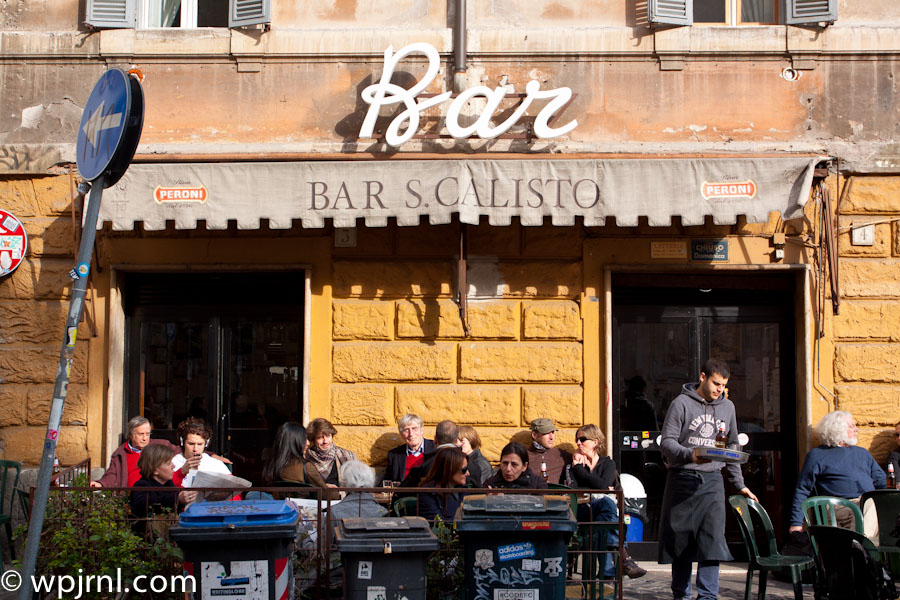
Bar S. Calisto, Historic Café & Bar, Trastevere Rome Italy
A beloved neighborhood bar in Rome’s charming Trastevere district, famous for its authentic Roman atmosphere and affordable espresso culture.

Bar S. Calisto is a quintessential Roman bar located in the heart of Trastevere, one of Rome’s most picturesque and vibrant neighborhoods. This unpretentious establishment embodies the essence of Italian coffee culture, where locals gather for quick espresso shots at the counter or linger over drinks at outdoor tables. The bar’s worn, characterful façade and street-level seating perfectly capture the casual, welcoming spirit that defines Trastevere’s bohemian charm. It’s the kind of place where you’ll find Romans of all ages mixing with travelers, creating a genuine slice of everyday Roman life that few tourist-focused establishments can match.

Highlights

  • Authentic Roman bar experience with a local crowd and genuine atmosphere
  • Prime location in Trastevere with excellent street-level seating for people-watching
  • Affordable prices for espresso, drinks, and simple snacks typical of neighborhood bars
  • Historical character and traditional Italian coffee culture preserved in every detail

What to Do

  • Order an espresso at the counter in true Roman fashion and observe the daily ritual
  • Sit at outdoor tables to watch the vibrant street life and architecture of Trastevere
  • Chat with locals and fellow travelers in the relaxed, convivial atmosphere
  • Explore the surrounding medieval streets and charming piazzas of the neighborhood

Best Time to Visit

Year-round, though spring (April-May) and fall (September-October) offer pleasant weather for enjoying outdoor seating. Mornings are ideal for authentic espresso culture, while evenings bring a lively aperitivo crowd.

Getting There

Located in Trastevere district, accessible via tram 8 from central Rome, or a pleasant walk across the Tiber River from the historic center. Multiple bus routes serve the area.

Visitor Tips

  • Order and pay at the counter for the most authentic experience and best prices
  • Visit during morning hours to experience the genuine local coffee ritual
  • Keep cash handy, though many Roman bars now accept cards
  • Don’t rush—Romans take time to enjoy their coffee and conversation

Nearby

  • Piazza di Santa Maria in Trastevere with its stunning basilica and fountain
  • Ponte Sisto bridge offering romantic views of the Tiber River
  • Palazzo Farnese in the nearby Campo de’ Fiori area
  • Villa Farnesina with its Renaissance frescoes and gardens

Bar S. Calisto represents the soul of Roman neighborhood culture—a place where time seems to slow down and the real Rome reveals itself to those willing to sit, sip, and simply be. Whether you’re seeking authentic espresso, genuine local interaction, or just a moment of respite in the charming chaos of Trastevere, this beloved bar delivers an unforgettable taste of everyday Roman life that no guidebook can fully capture.

Location Map

Bar S. Calisto, Historic Café & Bar, Trastevere Rome Italy Read More »
Farmacia Rellecati Historic Pharmacy, Rome Italy

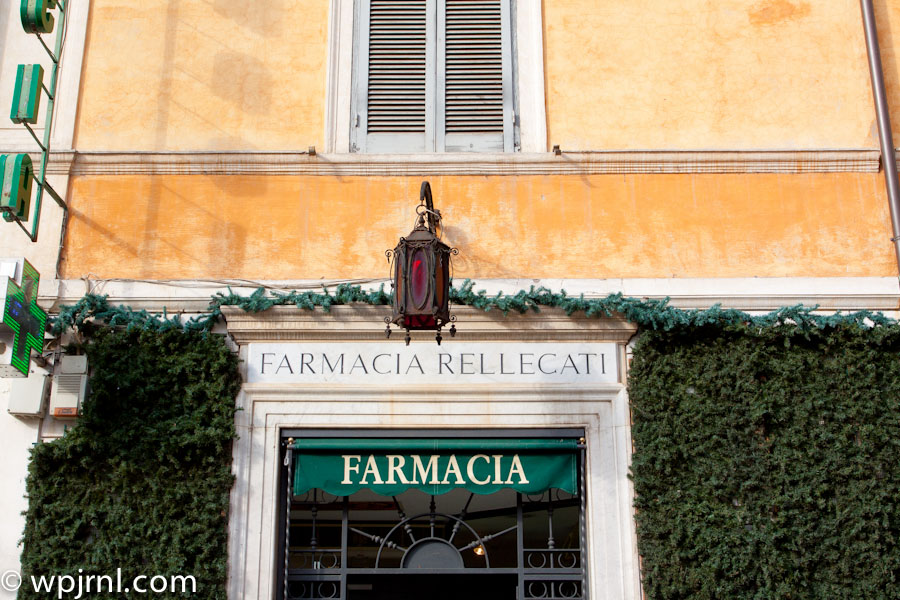
Farmacia Rellecati Historic Pharmacy, Rome Italy
A beautifully preserved historic pharmacy in Rome’s charming streets, blending centuries of tradition with elegant Italian architecture.

Farmacia Rellecati stands as a testament to Rome’s rich pharmaceutical heritage and architectural elegance. This historic pharmacy, with its distinctive signage and ivy-draped façade, captures the essence of traditional Italian apothecaries that have served the city’s residents for generations. The storefront showcases classic Italian design elements, from the ornate wooden door frame to the carefully maintained green shutters above, creating an inviting and timeless atmosphere that transports visitors back through centuries of Roman history.

Located in one of Rome’s charming neighborhoods, this pharmacy represents not just a place of commerce but a cultural landmark. The dedication to maintaining its historic character, evident in every architectural detail from the illuminated lantern to the carefully preserved signage, makes it a favorite among locals and tourists alike who appreciate authentic, traditional Rome.

Whether you’re a pharmacy history enthusiast, architecture lover, or simply exploring Rome’s hidden gems, Farmacia Rellecati offers a glimpse into how the city preserves its heritage while continuing to serve its community.

Highlights

  • Historic storefront with authentic Italian architectural details and ivy-covered façade
  • Traditional pharmacy signage and elegant wooden door frame representative of classical Roman design
  • Illuminated lantern above entrance adding to the atmospheric, historic character
  • Well-preserved example of Rome’s pharmaceutical heritage and traditional apothecary culture

What to Do

  • Photograph the beautifully preserved storefront and architectural details for your Rome memories
  • Stop by to appreciate authentic Italian pharmacy design and historical preservation
  • Explore the surrounding neighborhood streets to discover other hidden historic gems
  • Visit during different times of day to capture the changing light on the façade

Best Time to Visit

Spring (April-May) and fall (September-October) offer pleasant weather and fewer crowds for exploring Rome’s historic neighborhoods and photographing landmarks like this pharmacy.

Getting There

Farmacia Rellecati is located in central Rome and is accessible by public transportation including metro, bus, or tram. Walking through Rome’s charming streets is recommended to discover the pharmacy and nearby attractions.

Visitor Tips

  • Visit during daylight hours to fully appreciate the architectural details and photograph the storefront
  • The neighborhood is best explored on foot to discover other historic buildings and local shops
  • Respect operating hours if you wish to enter; many historic pharmacies maintain traditional hours
  • The surrounding area has excellent cafés and local restaurants perfect for a leisurely Roman afternoon

Nearby

  • Rome’s historic city center and charming neighborhood streets
  • Local trattorias and cafés serving traditional Roman cuisine
  • Other preserved historic buildings and architectural landmarks
  • Nearby piazzas and public squares typical of Rome’s urban layout

Farmacia Rellecati invites you to step into Rome’s past and experience the city’s commitment to preserving its rich heritage. This historic pharmacy is more than a place of commerce—it’s a window into centuries of Roman tradition, beautiful architecture, and the timeless character that makes Rome one of the world’s most enchanting cities. Visit this gem to experience authentic, historic Rome away from the crowds.

Location Map

Farmacia Rellecati Historic Pharmacy, Rome Italy Read More »
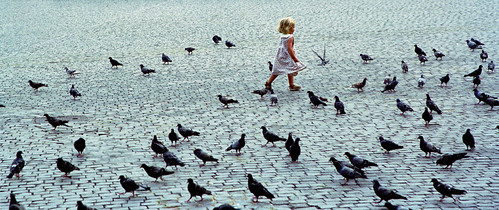
St. Peter’s Square Pigeons, Vatican City Rome Italy

St. Peter's Square Pigeons, Vatican City Rome Italy
A whimsical moment in the heart of Vatican City, where children and pigeons share the timeless cobblestones of St. Peter’s Square.

Vatican City, the smallest sovereign state in the world, is a place where centuries of history, art, and spirituality converge. Its iconic St. Peter’s Square, designed by Gian Lorenzo Bernini in the 17th century, is a vast cobblestone plaza that welcomes millions of pilgrims and travelers each year. Beyond the grandeur of the basilica and the colonnades, the square is home to flocks of pigeons that have become an unexpected charm of the visitor experience.

Watching a child dance through a sea of birds against the textured stones of the piazza captures a quintessential Roman moment — playful, candid, and unforgettable. It’s the kind of scene that reminds you that even in one of the most sacred and historic places on earth, simple joys are everywhere. The Vatican is not just about cathedrals and museums; it’s about these fleeting, human encounters too.

Highlights

  • St. Peter’s Basilica — Michelangelo’s masterpiece dome and Bernini’s baldachin
  • Bernini’s Colonnade encircling the square with 284 columns and 140 saint statues
  • The vast cobblestone piazza, perfect for people-watching and photography
  • Resident pigeons that delight children and photographers alike
  • Vatican Museums and the Sistine Chapel just steps away

What to Do

  • Attend a papal audience on Wednesday mornings in St. Peter’s Square
  • Climb to the top of St. Peter’s Basilica dome for panoramic views of Rome
  • Explore the Vatican Museums and marvel at the Sistine Chapel ceiling
  • Wander the cobblestones and capture candid moments with the pigeons
  • Visit the Vatican Gardens on a guided tour

Best Time to Visit

Spring (April-May) and autumn (September-October) offer mild weather and fewer crowds than peak summer.

Getting There

Vatican City is easily reached by Rome Metro Line A (Ottaviano station), buses 40 and 64, or a scenic walk from central Rome across the Tiber River.

Visitor Tips

  • Dress modestly — shoulders and knees must be covered to enter the basilica
  • Book Vatican Museum tickets online in advance to skip long queues
  • Arrive early in the morning to enjoy the square before the crowds arrive
  • Watch out for pickpockets in the busy plaza and surrounding streets

Nearby

  • Castel Sant’Angelo — historic fortress along the Tiber
  • Via della Conciliazione — grand boulevard leading to the Vatican
  • Trastevere — charming Roman neighborhood across the river
  • Piazza Navona and the Pantheon in central Rome

Whether you come for the spiritual significance, the breathtaking art, or simply to chase pigeons across ancient cobblestones, Vatican City offers experiences that linger long after you leave. Step into St. Peter’s Square and become part of a story centuries in the making.

Location Map

St. Peter’s Square Pigeons, Vatican City Rome Italy Read More »

Scroll to Top