UNESCO

Colosseum Historic Landmark, Rome Italy
Colosseum Historic Landmark, Rome Italy
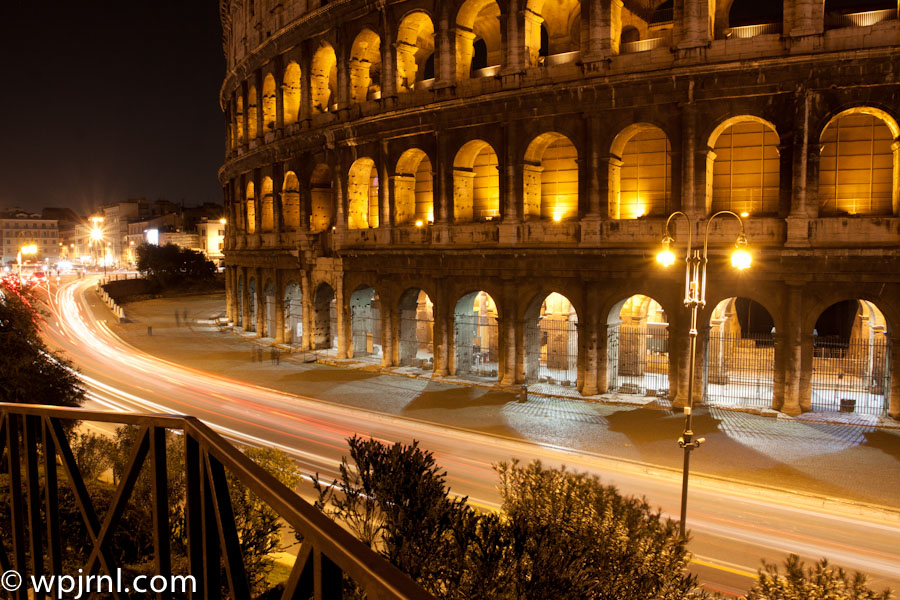
Marvel at the iconic ancient Roman amphitheater illuminated against the night sky, a timeless symbol of Imperial Rome’s architectural grandeur.

The Colosseum, or Flavian Amphitheatre, stands as one of the most impressive monuments of ancient Rome and a UNESCO World Heritage Site. Built between 72-80 AD, this colossal structure once hosted gladiatorial combats and public spectacles for up to 50,000 spectators. Today, the Colosseum remains the largest standing structure from the Roman Empire and continues to captivate millions of visitors annually with its remarkable engineering and historical significance.

At night, the Colosseum transforms into a breathtaking sight as golden floodlights illuminate its weathered arches and travertine facades. The interplay of light and shadow across its three-tiered arched architecture creates a magical atmosphere that transports visitors back through centuries. The surrounding piazza buzzes with energy as tourists, locals, and street performers gather to witness this eternal symbol of Rome’s power and cultural legacy.

Highlights

  • Ancient Roman engineering marvel with 80 arches across three tiers of classical orders
  • Stunning nighttime illumination creating an ethereal glow across the historic structure
  • Views of the surrounding Roman Forum and cityscape from the elevated arena location
  • Preserved underground chambers (hypogeum) revealing the complex machinery once used for spectacles

What to Do

  • Take a guided tour exploring the arena floor, seating levels, and underground chambers with expert historical commentary
  • Photograph the illuminated monument at night for iconic views of the ancient architecture
  • Visit the adjacent Roman Forum and Palatine Hill to explore the heart of ancient Rome
  • Attend evening light shows or special events that bring the amphitheater’s history to life

Best Time to Visit

October to April offers cooler temperatures and fewer crowds, while evening hours provide spectacular nighttime photography opportunities and a more atmospheric experience.

Getting There

Accessible by Metro Line B (Colosseo station), buses 75, 81, 673, or walking from the Roman Forum. The monument is centrally located in Rome’s historic center.

Visitor Tips

  • Book skip-the-line tickets in advance to avoid lengthy queues, especially during peak tourist season
  • Wear comfortable walking shoes as the interior involves uneven ancient stone surfaces and multiple levels
  • Visit in late afternoon to experience both daylight exploration and the transition into evening illumination
  • Bring a camera for the golden hour and nighttime photography opportunities

Nearby

  • Roman Forum archaeological site with ruins of temples and civic buildings
  • Palatine Hill offering panoramic views over ancient Rome
  • Arch of Constantine iconic triumphal arch from 315 AD

Standing before the Colosseum, whether bathed in golden evening light or silhouetted against the Roman sky, you are witnessing nearly 2,000 years of history. This architectural masterpiece represents the pinnacle of Roman engineering and remains a powerful testament to the sophistication and ambition of the ancient world. A visit to the Colosseum is an unforgettable journey through time, connecting you directly to one of humanity’s greatest civilizations.

Location Map

Colosseum Historic Landmark, Rome Italy Read More »
Nærøyfjord, Norwegian Fjords Norway

Nærøyfjord, Norwegian Fjords Norway
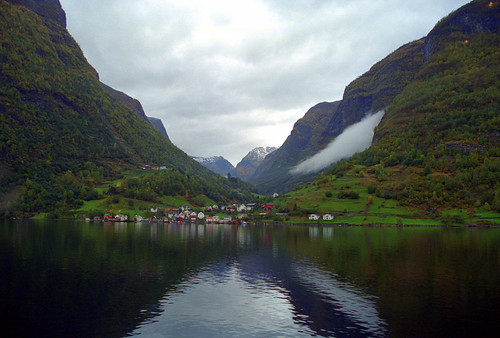
A breathtaking UNESCO-listed fjord where mist-veiled mountains plunge into mirror-still waters dotted with timeless villages.

Tucked deep within the heart of western Norway, the Nærøyfjord is one of the most spectacular arms of the mighty Sognefjord. Towering cliffs rise dramatically from glassy emerald waters, while wisps of cloud drift between the peaks and tiny red-roofed hamlets cling to the shoreline. It’s a landscape that feels both ancient and otherworldly, shaped over millennia by glaciers and time.

Designated a UNESCO World Heritage Site, this narrow fjord stretches for about 17 kilometers and reaches widths of just 250 meters in places, making it one of the narrowest fjords in the world. The surrounding villages, like Bakka and Styvi, preserve a way of life that has changed little in centuries, with farms perched on impossibly steep slopes and small wooden churches dating back generations.

Whether you arrive by ferry, kayak, or scenic train, the Nærøyfjord delivers a sense of awe that few places on earth can rival — a true bucket-list encounter with raw Nordic beauty.

Highlights

  • UNESCO World Heritage status for outstanding natural beauty
  • Dramatic 1,800-meter cliffs rising directly from the water
  • Picturesque shoreline villages with traditional Norwegian architecture
  • Mirror-like reflections of mountains on calm fjord waters
  • Frequent mist and low cloud creating a mystical atmosphere

What to Do

  • Take the iconic Flåm to Gudvangen fjord cruise through the narrowest passages
  • Kayak along the quiet shoreline for an up-close perspective of the cliffs
  • Ride the famous Flåmsbana railway, one of the world’s steepest scenic rail journeys
  • Hike the trails around Bakka and Styvi for panoramic fjord views
  • Visit the historic Undredal village, famous for its tiny stave church and goat cheese

Best Time to Visit

May to September offers the mildest weather, lush green landscapes, and long daylight hours, while autumn brings dramatic moody skies and fewer crowds.

Getting There

Fly into Bergen or Oslo, then take the scenic Bergen Railway to Myrdal, transferring to the Flåm Railway. From Flåm, regular ferries and express boats run through the Nærøyfjord to Gudvangen.

Visitor Tips

  • Dress in layers — fjord weather changes quickly even in summer
  • Book fjord cruises and the Flåm Railway in advance during peak season
  • Bring a waterproof jacket and sturdy shoes for sudden rain showers
  • Stay overnight in Flåm or Aurland to experience the fjords beyond day-trippers

Nearby

  • Flåm Village and the Flåm Railway
  • Aurlandsfjord and Stegastein viewpoint
  • Undredal stave church
  • Sognefjord — Norway’s longest and deepest fjord

Standing at the edge of the Nærøyfjord, with mountains soaring overhead and silence broken only by lapping water, you feel the timeless magic of Norway’s wild heart. It’s a place that lingers in the memory long after you’ve left — and calls you back again and again.

Location Map

Nærøyfjord, Norwegian Fjords Norway Read More »

Scroll to Top