Norway

Nærøyfjord, Norwegian Fjords Norway
Nærøyfjord, Norwegian Fjords Norway
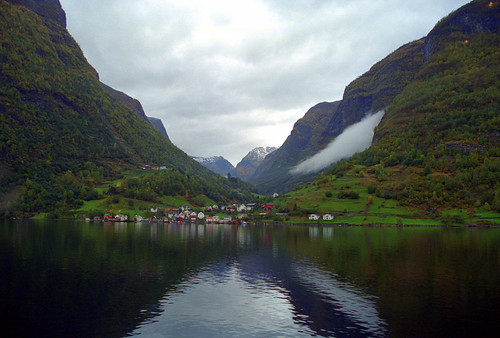
A breathtaking UNESCO-listed fjord where mist-veiled mountains plunge into mirror-still waters dotted with timeless villages.

Tucked deep within the heart of western Norway, the Nærøyfjord is one of the most spectacular arms of the mighty Sognefjord. Towering cliffs rise dramatically from glassy emerald waters, while wisps of cloud drift between the peaks and tiny red-roofed hamlets cling to the shoreline. It’s a landscape that feels both ancient and otherworldly, shaped over millennia by glaciers and time.

Designated a UNESCO World Heritage Site, this narrow fjord stretches for about 17 kilometers and reaches widths of just 250 meters in places, making it one of the narrowest fjords in the world. The surrounding villages, like Bakka and Styvi, preserve a way of life that has changed little in centuries, with farms perched on impossibly steep slopes and small wooden churches dating back generations.

Whether you arrive by ferry, kayak, or scenic train, the Nærøyfjord delivers a sense of awe that few places on earth can rival — a true bucket-list encounter with raw Nordic beauty.

Highlights

  • UNESCO World Heritage status for outstanding natural beauty
  • Dramatic 1,800-meter cliffs rising directly from the water
  • Picturesque shoreline villages with traditional Norwegian architecture
  • Mirror-like reflections of mountains on calm fjord waters
  • Frequent mist and low cloud creating a mystical atmosphere

What to Do

  • Take the iconic Flåm to Gudvangen fjord cruise through the narrowest passages
  • Kayak along the quiet shoreline for an up-close perspective of the cliffs
  • Ride the famous Flåmsbana railway, one of the world’s steepest scenic rail journeys
  • Hike the trails around Bakka and Styvi for panoramic fjord views
  • Visit the historic Undredal village, famous for its tiny stave church and goat cheese

Best Time to Visit

May to September offers the mildest weather, lush green landscapes, and long daylight hours, while autumn brings dramatic moody skies and fewer crowds.

Getting There

Fly into Bergen or Oslo, then take the scenic Bergen Railway to Myrdal, transferring to the Flåm Railway. From Flåm, regular ferries and express boats run through the Nærøyfjord to Gudvangen.

Visitor Tips

  • Dress in layers — fjord weather changes quickly even in summer
  • Book fjord cruises and the Flåm Railway in advance during peak season
  • Bring a waterproof jacket and sturdy shoes for sudden rain showers
  • Stay overnight in Flåm or Aurland to experience the fjords beyond day-trippers

Nearby

  • Flåm Village and the Flåm Railway
  • Aurlandsfjord and Stegastein viewpoint
  • Undredal stave church
  • Sognefjord — Norway’s longest and deepest fjord

Standing at the edge of the Nærøyfjord, with mountains soaring overhead and silence broken only by lapping water, you feel the timeless magic of Norway’s wild heart. It’s a place that lingers in the memory long after you’ve left — and calls you back again and again.

Location Map

Nærøyfjord, Norwegian Fjords Norway Read More »
Autumn Tree-Lined Avenue, Oslo Norway

Autumn Tree-Lined Avenue, Oslo Norway
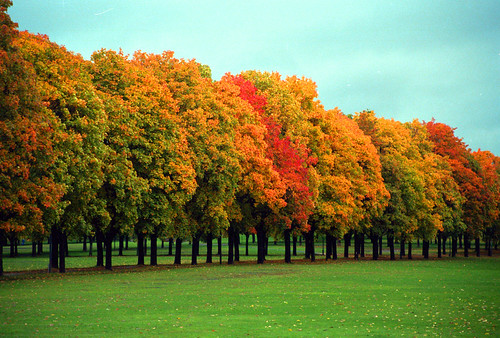
A breathtaking row of fiery autumn maples paints Oslo’s parkland in shades of gold, orange, and crimson.

When fall sweeps across Oslo, the Norwegian capital transforms into a painter’s palette of warm hues. This stunning row of maple trees, lined up like soldiers in formation, captures the very essence of a Scandinavian autumn — vibrant reds, glowing oranges, and lingering greens set against a soft, overcast sky.

Oslo is famous for its abundance of green spaces, and during October, parks like Frogner, Ekeberg, and the grounds around Akershus Fortress become magical retreats. The crisp air, the crunch of leaves underfoot, and the long shadows cast by the low northern sun make this one of the most atmospheric times to visit the Norwegian capital.

Highlights

  • Spectacular fall foliage with maples turning every shade from gold to scarlet
  • Perfectly aligned tree avenues ideal for photography and peaceful strolls
  • Vast manicured lawns typical of Oslo’s beloved public parks
  • Crisp Nordic autumn air with soft, diffused light

What to Do

  • Take a leisurely walk through Frogner Park and admire the autumn colors alongside the Vigeland Sculptures
  • Photograph the symmetry of tree-lined avenues during golden hour
  • Enjoy a picnic with hot chocolate or coffee under the canopy of fall leaves
  • Cycle along Oslo’s many park trails to experience the seasonal change
  • Visit the Ekeberg Sculpture Park for art combined with sweeping autumn views

Best Time to Visit

Late September through mid-October, when the foliage peaks and temperatures remain comfortable for outdoor exploration.

Getting There

Fly into Oslo Gardermoen Airport (OSL) and take the Flytoget Airport Express train to the city center in just 20 minutes. Oslo’s parks are easily reached by tram, metro, or on foot from downtown.

Visitor Tips

  • Dress in layers — autumn weather in Oslo can shift quickly from sunny to rainy
  • Bring waterproof shoes for damp grass and wet leaves
  • Visit early morning for the best light and fewer crowds
  • Combine park visits with nearby museums for a full-day itinerary

Nearby

  • Vigeland Sculpture Park
  • The Royal Palace and its surrounding gardens
  • Akershus Fortress
  • Holmenkollen Ski Jump and viewpoint

Whether you’re a photographer chasing color, a traveler seeking calm, or simply someone who loves the romance of falling leaves, Oslo in autumn delivers an unforgettable Nordic experience. Pack a warm jacket, lace up your boots, and let Norway’s capital enchant you with its golden season.

Location Map

Autumn Tree-Lined Avenue, Oslo Norway Read More »

Scroll to Top