Argentina travel

Café Tabac, Buenos Aires Argentina
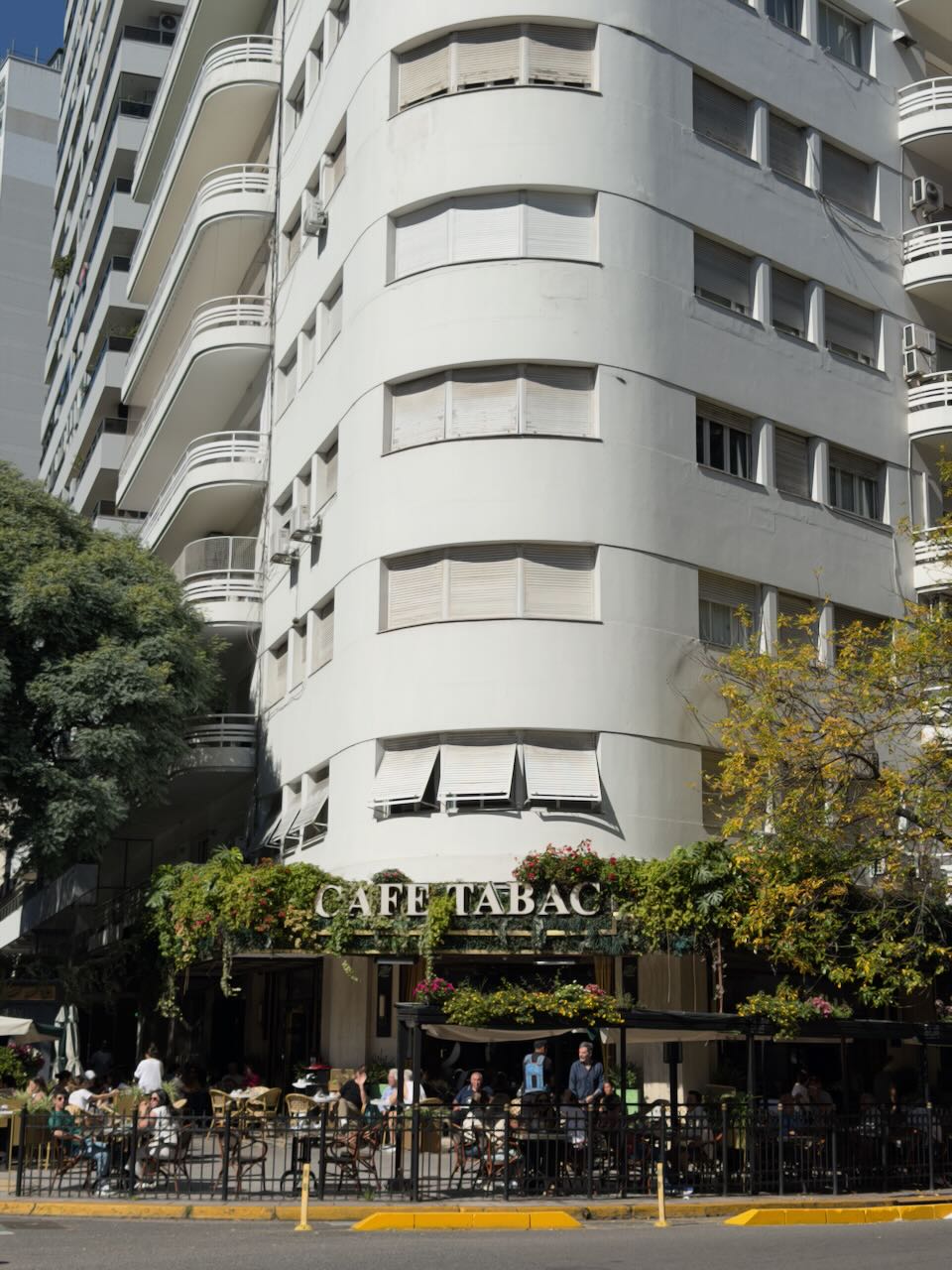
Café Tabac, Buenos Aires Argentina

A classic corner café in the heart of Recoleta where Porteño tradition meets stylish street-side people-watching.

Tucked into the curving base of an iconic Art Deco building on Avenida del Libertador, Café Tabac is one of Buenos Aires’ most beloved corner cafés. Its sweeping white façade, leafy outdoor terrace, and bustling street-side seating make it a quintessential Recoleta institution where locals linger for hours over coffee, conversation, and people-watching.

For decades, Café Tabac has drawn a stylish crowd of Porteños — from morning commuters grabbing a cortado to families enjoying long weekend lunches and friends meeting for evening drinks. The atmosphere blends old-school Buenos Aires café culture with the energy of one of the city’s most fashionable neighborhoods, making it as much a social landmark as a place to eat.

Highlights

  • Iconic curved Art Deco building façade overlooking Avenida del Libertador
  • Spacious sidewalk terrace shaded by trees and greenery — perfect for people-watching
  • Classic Porteño café menu featuring everything from medialunas to full meals
  • Prime Recoleta location near top museums, parks, and shopping

What to Do

  • Settle in at the outdoor terrace for a leisurely breakfast of café con leche and medialunas
  • Order classic Argentine fare like milanesa, sandwiches de miga, or a juicy steak
  • Enjoy an afternoon merienda with submarino (hot milk with chocolate) and pastries
  • Watch elegant Recoleta life pass by while sipping a Malbec or evening cocktail

Best Time to Visit

Spring (October–November) and autumn (March–May) offer the most pleasant weather for sitting on the outdoor terrace. Mornings and late afternoons are the most atmospheric times to visit.

Getting There

Located on Avenida del Libertador in Recoleta, Café Tabac is easily reached by taxi, Uber, or the city’s Subte (Line H to Las Heras station). Many visitors arrive on foot while exploring the Recoleta neighborhood.

Visitor Tips

  • Arrive early on weekends to snag a coveted outdoor terrace table
  • Bring cash — some Buenos Aires cafés have card limits or surcharges
  • Linger! In Argentine café culture, no one rushes you out the door
  • Try a ‘cortado’ if you want espresso with just a splash of milk, the local favorite

Nearby

  • Recoleta Cemetery — the famous resting place of Eva Perón
  • Museo Nacional de Bellas Artes with its world-class art collection
  • Plaza Francia and the weekend artisan fair
  • Avenida Alvear’s luxury shopping and grand mansions

Whether you stop in for a quick espresso or settle in for a long, lazy afternoon, Café Tabac captures the timeless charm of Buenos Aires café culture. It’s the kind of place where a single coffee can turn into hours of conversation — and where every visit feels like a small slice of Porteño life.

Location Map

Café Tabac, Buenos Aires Argentina Read More »

Ministro Pistarini International Airport, Buenos Aires Argentina

Ministro Pistarini International Airport, Buenos Aires Argentina
Argentina’s primary international gateway, serving as a vital hub for air travel in South America.

Ministro Pistarini International Airport, also known as Ezeiza International Airport, is located approximately 35 kilometers southwest of Buenos Aires and serves as Argentina’s main international aviation hub. The airport handles millions of passengers annually and connects Buenos Aires to major cities across the Americas, Europe, and beyond. With modern facilities and efficient operations, it plays a crucial role in Argentina’s tourism and commercial aviation landscape.

Highlights

  • Major international hub connecting Argentina to worldwide destinations
  • Modern terminal infrastructure with contemporary amenities and services
  • Gateway to exploring Buenos Aires and Argentina’s diverse regions

What to Do

  • Catch international flights to explore South America and beyond
  • Utilize airport facilities including restaurants, shops, and lounges during layovers
  • Use the airport as your starting point for exploring Buenos Aires and Patagonia

Best Time to Visit

Year-round, though December to February (summer) and June to August (winter) offer pleasant weather for onward travel within Argentina

Getting There

Located 35km southwest of downtown Buenos Aires; accessible by taxi, remis (private car), bus services, and car rental

Visitor Tips

  • Arrive at least 3 hours before international departures
  • Exchange currency or use ATMs before leaving the airport for competitive rates
  • Check flight schedules in advance as international connections can be lengthy

Nearby

  • Buenos Aires city center and historic neighborhoods
  • La Plata city and museums
  • Estancia (traditional ranch) experiences in surrounding countryside

Whether arriving or departing, Ministro Pistarini International Airport serves as your gateway to Argentina’s vibrant culture, stunning landscapes, and world-class attractions. Begin your South American adventure at this modern, efficient hub that connects Buenos Aires to the world.

Location Map

Ministro Pistarini International Airport, Buenos Aires Argentina Read More »
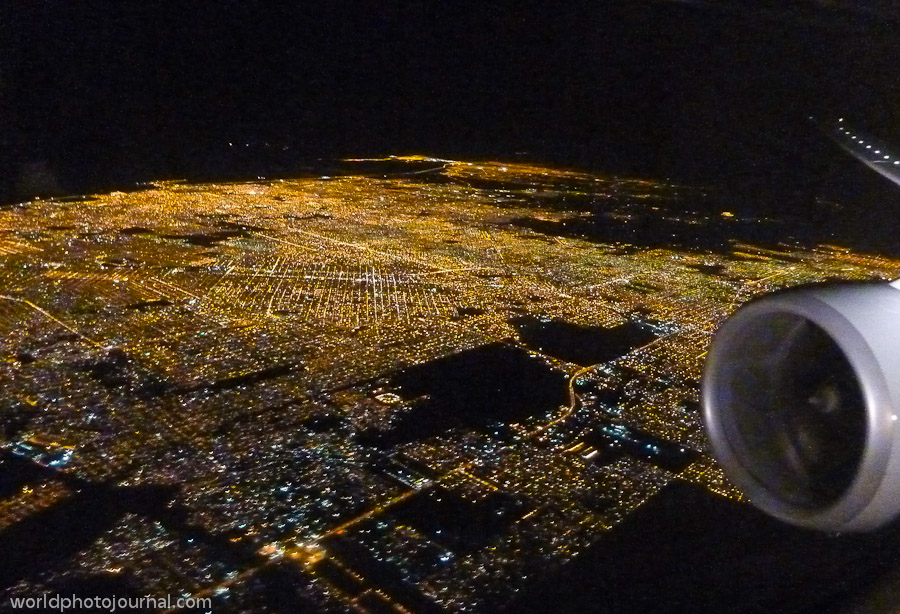
Buenos Aires Aerial View at Night, Argentina

Buenos Aires Aerial View at Night, Argentina
Experience the glittering beauty of Argentina’s vibrant capital city from above as thousands of lights paint the night sky.

Buenos Aires, often called the “Paris of South America,” reveals its true magic when viewed from the sky at night. This aerial perspective captures the sprawling metropolis in all its nocturnal glory, with millions of lights twinkling across the urban landscape. The view from an aircraft offers a humbling reminder of the city’s vast size and the energy that pulses through its streets after dark. From this vantage point, you can appreciate the grid-like street patterns, the dark patches of parks and water bodies, and the concentrated clusters of light that mark the city’s bustling neighborhoods.

Highlights

  • Spectacular nighttime cityscape with millions of twinkling lights creating a golden tapestry
  • Clear view of Buenos Aires’ urban planning and distinctive neighborhoods from above
  • The contrast between illuminated areas and dark parks like the Palermo neighborhood
  • Perfect photography opportunity capturing the city’s scale and vibrancy

What to Do

  • Book a flight that departs or arrives at night to capture these stunning aerial views
  • Visit neighborhoods visible from above like La Boca, San Telmo, and Palermo once you land
  • Explore the Teatro Colón and other landmarks that dot the lit landscape below
  • Experience the city’s famous nightlife and tango culture after sunset

Best Time to Visit

Late evening flights (8 PM to midnight) offer the best aerial city views when the lights are fully illuminated against the dark sky. Visit during winter months (June-August) for longer nights and clearer viewing conditions.

Getting There

Fly into Ministro Pistarini International Airport (Ezeiza) or Aeroparque Jorge Newbery (Aeroparque). Book evening or night flights from major airlines serving Buenos Aires to experience this spectacular view.

Visitor Tips

  • Request a window seat on the right side of the aircraft for the best city views when departing northbound
  • Bring a camera with good low-light capability or use your phone’s night mode for photos
  • Avoid cloudy nights that may obscure the city lights below
  • Allow extra time before your flight to capture this view without rushing

Nearby

  • La Boca neighborhood with its colorful Caminito street
  • San Telmo historic district with tango venues and antique markets
  • Recoleta Cemetery and upscale Recoleta neighborhood
  • Palermo Soho and Palermo Hollywood trendy districts

Buenos Aires from above is a breathtaking reminder of why this city captivates millions of visitors each year. Whether you’re arriving or departing, make sure to gaze out your window and witness the glittering spectacle of Argentina’s greatest city spreading endlessly beneath you—a view that captures the spirit and energy of one of the world’s most vibrant metropolises.

Location Map

Buenos Aires Aerial View at Night, Argentina Read More »
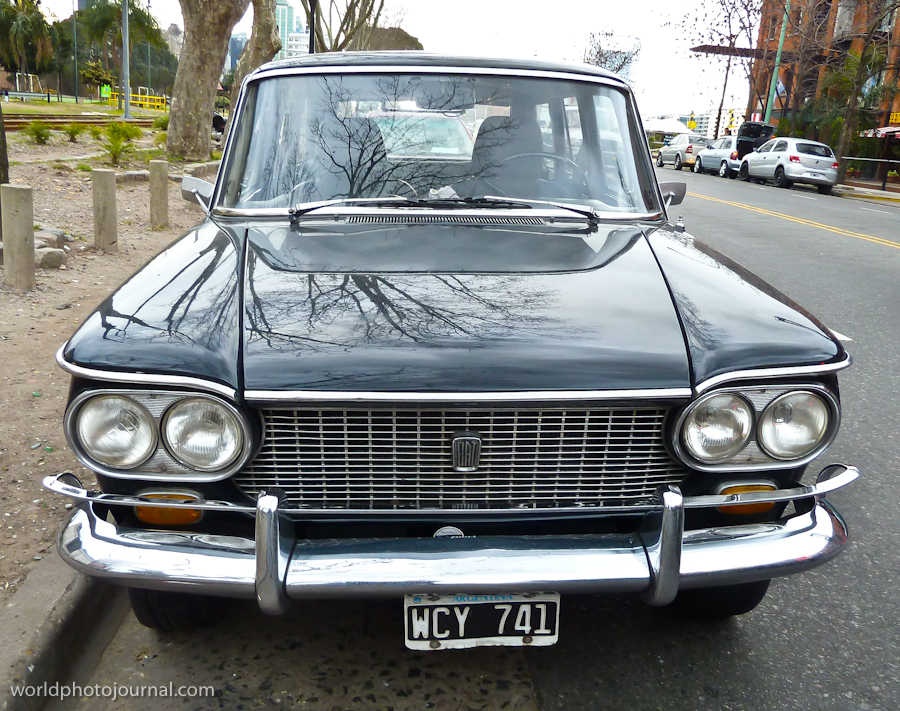
Classic Fiat 1500 in Buenos Aires, Argentina

Classic Fiat 1500 in Buenos Aires, Argentina
A stunning vintage Fiat that captures the retro charm and automotive heritage of Buenos Aires’s tree-lined streets.

Buenos Aires is a city where the past beautifully coexists with the present, and nowhere is this more evident than in its streets filled with classic automobiles. This pristine Fiat 1500, with its distinctive dual headlights, chrome bumpers, and elegant lines, represents a golden era of European automotive design. The car’s presence on a Buenos Aires street corner is a testament to the city’s appreciation for vintage vehicles and its residents’ dedication to preserving automotive history. The lush trees, historic architecture, and relaxed pace of the city create the perfect backdrop for such timeless machines.

Highlights

  • Well-preserved Fiat 1500 featuring iconic dual headlight design and chrome details
  • Located in a charming Buenos Aires neighborhood with mature trees and period-appropriate architecture
  • Example of the thriving classic car culture that defines parts of the city

What to Do

  • Explore the neighborhoods where classic cars like this Fiat are regularly spotted and appreciated
  • Visit local automotive museums and car shows celebrating Argentina’s rich motoring heritage
  • Stroll tree-lined streets photographing vintage vehicles and experiencing authentic Buenos Aires culture
  • Join classic car enthusiast groups and tours that showcase the city’s automotive treasures

Best Time to Visit

Spring (September-November) and autumn (March-May) offer pleasant weather and clear skies perfect for admiring and photographing classic cars throughout the city

Getting There

Buenos Aires is accessible via Ministro Pistarini International Airport. The city has extensive public transportation including buses, subway, and taxis. Car rentals are available for those wanting to explore neighborhoods with vintage vehicles.

Visitor Tips

  • Early mornings are best for photographing classic cars before traffic increases
  • Neighborhoods like San Telmo and La Boca are known for concentrations of vintage vehicles
  • Respect private property and always ask permission before photographing someone’s classic car
  • Learn about Argentina’s automotive history to better appreciate the vehicles you encounter

Nearby

  • San Telmo neighborhood – historic district with colonial architecture and classic car culture
  • La Boca – colorful riverside neighborhood famous in tango history
  • Palermo – trendy district with cafes and galleries reflecting Buenos Aires’s creative spirit

Buenos Aires is a destination where automotive history comes alive on tree-shaded streets. Whether you’re a classic car enthusiast or simply appreciate the elegance of vintage design, the city’s well-preserved vehicles like this stunning Fiat 1500 offer a window into a golden age of motoring. Come discover the magic of Buenos Aires, where every corner reveals the timeless beauty of the past.

Location Map

Classic Fiat 1500 in Buenos Aires, Argentina Read More »
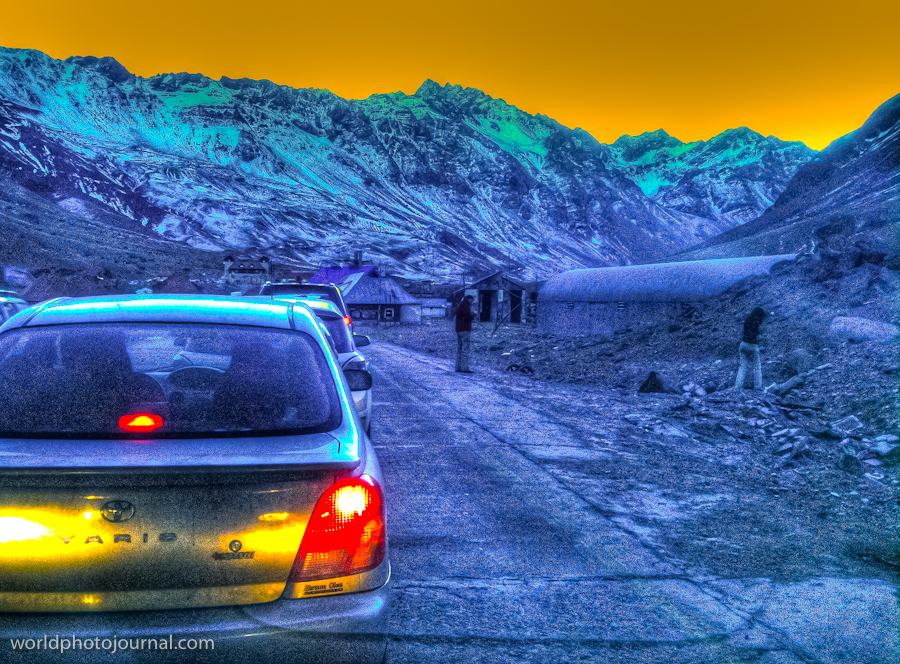
Las Cuevas Mountain Pass, Argentina

Las Cuevas Mountain Pass, Argentina
A dramatic high-altitude mountain pass offering stunning Andean vistas and an otherworldly landscape of colorful peaks.

Las Cuevas is a remote mountain pass located in the Andes along the border region between Argentina and Chile. Situated at over 3,000 meters elevation, this stark and beautiful landscape features towering peaks with distinctive turquoise and purple mineral colorations that create an almost surreal visual experience. The pass serves as an important route through the Andes and attracts adventurers, photographers, and travelers seeking authentic mountain wilderness and dramatic natural scenery.

The area is characterized by its barren, rocky terrain and extreme high-altitude environment where vegetation is sparse and the climate is harsh. Despite its remote nature, Las Cuevas has become increasingly popular with travelers exploring the Andean region, drawn by its unique geological formations and the sense of adventure that comes with visiting such a remote location.

The changing light throughout the day transforms the landscape dramatically, from golden sunrise hues to deep blues and purples at dusk, making it a paradise for photographers and nature enthusiasts seeking to capture the raw beauty of the Andes.

Highlights

  • Dramatic turquoise and purple mineral-colored mountain peaks with striking geological formations
  • High-altitude Andean pass offering panoramic vistas of untouched wilderness
  • Remote location providing genuine solitude and connection with nature

What to Do

  • Photography expeditions capturing the colorful peaks and changing light conditions
  • Hiking and trekking through the Andean terrain to explore nearby summits
  • Scenic drives along mountain passes with breathtaking overlooks

Best Time to Visit

December to March (Southern Hemisphere summer) when weather is most stable and passes are accessible; however, Las Cuevas is visitable year-round for experienced travelers

Getting There

Las Cuevas is accessible by vehicle from Mendoza via Route 7 heading towards the Chilean border. The journey takes approximately 3-4 hours from Mendoza city. High-clearance vehicles are recommended due to mountain terrain.

Visitor Tips

  • Bring layers and windproof clothing as temperatures can drop significantly at high altitude
  • Carry plenty of water and snacks as services are extremely limited in this remote area
  • Start early in the day to maximize daylight and safely navigate mountain roads
  • Check weather conditions and road status before traveling as passes can close seasonally
  • Allow extra time for acclimatization if coming from lower elevations

Nearby

  • Aconcagua National Park – home to the highest peak in the Americas
  • Puente del Inca – historic stone bridge and archaeological site
  • Mendoza Wine Region – renowned vineyards and wineries

Las Cuevas represents the raw, untamed beauty of the Andes at their most dramatic and colorful. For travelers seeking an authentic high-altitude adventure away from crowds, this remote mountain pass offers an unforgettable experience where nature’s geological artistry is on full display. Whether you’re a photographer, adventurer, or simply someone seeking to stand at the edge of the world, Las Cuevas beckons with its stark beauty and transformative mountain wilderness.

Location Map

Las Cuevas Mountain Pass, Argentina Read More »

La Bombonera Stadium, Buenos Aires Argentina

La Bombonera Stadium, Buenos Aires Argentina
Home of Boca Juniors and one of South America’s most passionate football stadiums, steeped in the legacy of Diego Maradona.

La Bombonera Stadium, officially known as Estadio Alberto J. Armando, is the iconic home of Boca Juniors in the La Boca neighborhood of Buenos Aires. Named for its distinctive shape resembling a bonbon box, this legendary venue has witnessed some of the greatest moments in football history, particularly during Diego Maradona’s era. The stadium’s electric atmosphere, created by devoted fans draped in the club’s signature blue and white colors, makes it one of the most intimidating and inspiring places in world football. As the quote suggests—’God exists, he sits on the bench’—Maradona’s presence and influence continue to define the spirit of this sacred ground.

Highlights

  • Capacity of over 49,000 passionate Boca Juniors supporters creating an unforgettable atmosphere
  • The distinctive architectural design that resembles a bonbon box, visible from multiple vantage points
  • Rich history as the stage for Maradona’s greatest performances and football’s most memorable moments
  • The Boca Juniors Museum showcasing decades of club history and iconic memorabilia
  • Located in the colorful, historic La Boca neighborhood with colonial architecture and cultural heritage

What to Do

  • Attend a match during the Argentine football season to experience the electrifying energy of Boca fans
  • Take a stadium tour to explore the pitch, locker rooms, and museum exhibits
  • Visit the adjacent Boca Juniors Museum to learn about the club’s storied history
  • Walk through the vibrant La Boca neighborhood and see the colorful caminito street
  • Capture photographs of the iconic stadium architecture and passionate fan displays

Best Time to Visit

March to November during the Argentine football season, when matches bring the stadium to life with passionate crowds. The cooler autumn and spring months offer pleasant weather for exploring the neighborhood.

Getting There

Located in the La Boca neighborhood of Buenos Aires, accessible via Subte Line C (metro) to Primera Junta station, or taxi/ride-sharing services. The stadium is approximately 15 km south of downtown Buenos Aires.

Visitor Tips

  • Book stadium tours in advance through official Boca Juniors channels for guaranteed access
  • Arrive early for match days to soak in the pre-game atmosphere and find parking
  • Respect local football culture and follow stadium security guidelines for visitor safety
  • Wear comfortable walking shoes when exploring the historic La Boca neighborhood
  • Learn basic Spanish phrases to enhance interactions with locals and fellow football enthusiasts

Nearby

  • Caminito Street – colorful historic pedestrian street famous for tango culture
  • Boca Juniors Museum – extensive collection of club history and Maradona memorabilia
  • Puerto Madero – modern waterfront district with restaurants and cultural attractions
  • San Telmo Market and neighborhood – historic quarter known for antiques and weekend fairs

La Bombonera Stadium stands as more than just a football venue—it is a temple to passion, history, and the beautiful game itself. Whether you’re a devoted football fan, a Maradona admirer, or simply seeking to understand Argentine culture, visiting this legendary stadium offers an unforgettable journey into the heart of one of the world’s greatest football traditions. The roar of the Boca fans, the vibrant blue and white sea of supporters, and the weight of football history make La Bombonera an essential pilgrimage for anyone who loves the sport.

Location Map

La Bombonera Stadium, Buenos Aires Argentina Read More »

Scroll to Top