International Airport

Los Angeles International Airport (LAX), California USA
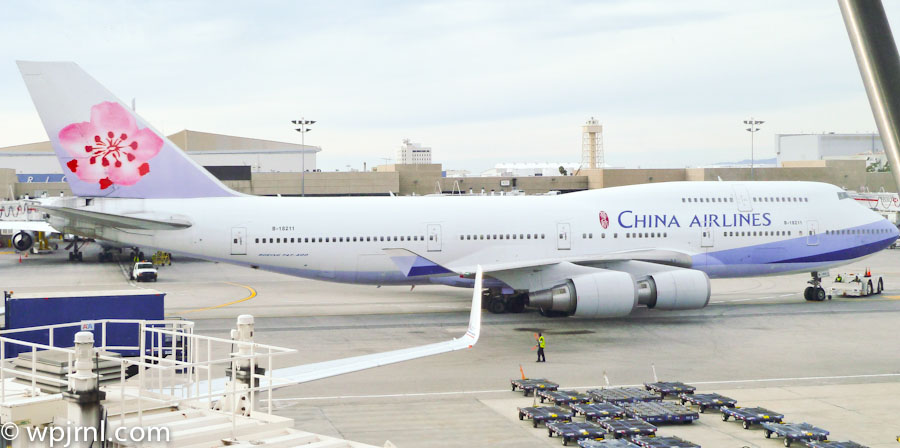
Los Angeles International Airport (LAX), California USA
One of the world’s busiest international aviation hubs connecting millions of travelers to destinations across the globe.

Los Angeles International Airport (LAX) stands as one of the most iconic and busiest airports in the world, serving as a gateway to Southern California and the Pacific Rim. Located along the Pacific coast near Manhattan Beach, LAX has been a pivotal aviation center since 1930, handling over 80 million passengers annually. The airport’s distinctive Theme Building with its futuristic architecture has become a symbol of Los Angeles and aviation innovation. As a major international hub for carriers like China Airlines, American Airlines, and numerous international carriers, LAX represents the intersection of global commerce, tourism, and cutting-edge aviation technology.

Highlights

  • Iconic Theme Building with observation deck offering panoramic city views
  • World-class airline terminals including the award-winning Tom Bradley International Terminal
  • Plane spotting opportunities from public viewing areas and surrounding locations
  • Multiple dining and shopping options reflecting diverse international cuisines
  • State-of-the-art aviation infrastructure and aircraft maintenance facilities

What to Do

  • Visit the Theme Building observation deck for 360-degree views of the airport and Los Angeles skyline
  • Observe international aircraft operations and watch planes from designated public viewing areas
  • Explore the diverse terminals showcasing different airlines and architectural designs
  • Dine at international restaurants representing cuisines from around the world
  • Photograph aircraft including Boeing 747s and modern jet airliners

Best Time to Visit

Year-round, though early mornings offer the best light for aircraft photography and fewer crowds. Avoid peak travel seasons (holidays and summer) if you prefer less congestion.

Getting There

LAX is accessible via the Metro Green Line, multiple shuttle services, ride-sharing apps, rental cars, and taxis. It’s located approximately 16 miles southwest of downtown Los Angeles.

Visitor Tips

  • Arrive early for flights as LAX can be extremely busy with significant security lines
  • Use the airport’s wayfinding apps and signage to navigate the complex terminal system
  • Check specific airline terminal locations before arrival to avoid confusion
  • Consider using TSA PreCheck or CLEAR for faster security screening
  • Allow extra time for international departures with additional documentation requirements

Nearby

  • Manhattan Beach Pier and coastal attractions
  • Santa Monica Pier and Venice Beach
  • Griffith Observatory and Hollywood Sign
  • Getty Center Museum
  • Downtown Los Angeles attractions

Los Angeles International Airport represents more than just a transit point—it’s a fascinating glimpse into global aviation, international commerce, and the movement of millions of people connecting the world. Whether you’re a aviation enthusiast, photographer, or traveler beginning your California adventure, LAX embodies the scale and significance of modern air travel. The sight of massive international carriers like the China Airlines 747 being maneuvered across the tarmac reminds us of the engineering marvels and logistical complexity that keep the world connected.

Location Map

Los Angeles International Airport (LAX), California USA Read More »
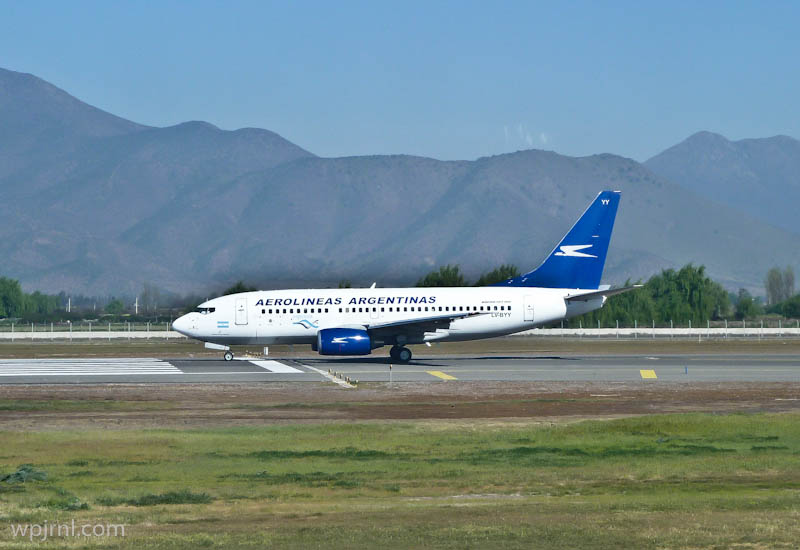
Ministro Pistarini International Airport, Buenos Aires Argentina

Ministro Pistarini International Airport, Buenos Aires Argentina
Argentina’s primary international gateway, serving as a vital hub for air travel in South America.

Ministro Pistarini International Airport, also known as Ezeiza International Airport, is located approximately 35 kilometers southwest of Buenos Aires and serves as Argentina’s main international aviation hub. The airport handles millions of passengers annually and connects Buenos Aires to major cities across the Americas, Europe, and beyond. With modern facilities and efficient operations, it plays a crucial role in Argentina’s tourism and commercial aviation landscape.

Highlights

  • Major international hub connecting Argentina to worldwide destinations
  • Modern terminal infrastructure with contemporary amenities and services
  • Gateway to exploring Buenos Aires and Argentina’s diverse regions

What to Do

  • Catch international flights to explore South America and beyond
  • Utilize airport facilities including restaurants, shops, and lounges during layovers
  • Use the airport as your starting point for exploring Buenos Aires and Patagonia

Best Time to Visit

Year-round, though December to February (summer) and June to August (winter) offer pleasant weather for onward travel within Argentina

Getting There

Located 35km southwest of downtown Buenos Aires; accessible by taxi, remis (private car), bus services, and car rental

Visitor Tips

  • Arrive at least 3 hours before international departures
  • Exchange currency or use ATMs before leaving the airport for competitive rates
  • Check flight schedules in advance as international connections can be lengthy

Nearby

  • Buenos Aires city center and historic neighborhoods
  • La Plata city and museums
  • Estancia (traditional ranch) experiences in surrounding countryside

Whether arriving or departing, Ministro Pistarini International Airport serves as your gateway to Argentina’s vibrant culture, stunning landscapes, and world-class attractions. Begin your South American adventure at this modern, efficient hub that connects Buenos Aires to the world.

Location Map

Ministro Pistarini International Airport, Buenos Aires Argentina Read More »
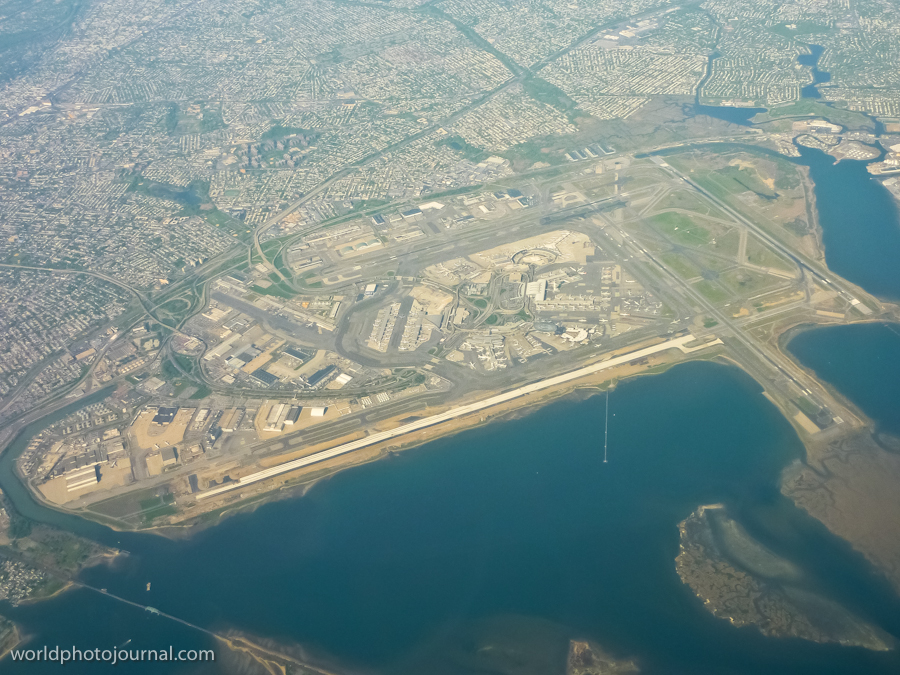
JFK Airport Aerial View, New York USA

JFK Airport Aerial View, New York USA
One of America’s busiest international aviation hubs, a marvel of infrastructure connecting the world to New York City.

John F. Kennedy International Airport stands as one of the most iconic and important transportation hubs in the world. Located in Queens, New York, this sprawling complex serves as the primary international gateway to New York City and the northeastern United States. From above, JFK reveals its impressive scale—multiple runways, extensive taxiways, and massive terminal facilities demonstrate the engineering prowess required to handle millions of passengers and cargo shipments annually. The airport has been a symbol of American aviation since its opening in 1948, and it continues to evolve as a modern, world-class facility.

Highlights

  • Multiple runways designed to handle simultaneous aircraft operations
  • Extensive terminal infrastructure with nine passenger terminals serving major airlines
  • Strategic location on Jamaica Bay with careful environmental planning
  • Advanced ground transportation systems including rail, highways, and parking facilities
  • State-of-the-art cargo handling and logistics operations

What to Do

  • Explore the airport’s art installations and architectural features in the terminals
  • Visit the TWA Flight Center, a historic modernist building designed by Eero Saarinen
  • Watch aircraft operations from designated viewing areas
  • Experience world-class dining and shopping in the modern terminals
  • Use the AirTrain rail system connecting the airport to Manhattan and outer boroughs

Best Time to Visit

Any season is suitable for visiting JFK as a transit point or to observe airport operations. Summer months see peak travel activity, while winter offers clearer skies for aerial photography.

Getting There

JFK is accessible via the AirTrain rail system, which connects to the Jamaica and Howard Beach subway stations. The airport is also reachable by car via the Van Wyck Expressway, Jamaica Expressway, and other major roads.

Visitor Tips

  • Arrive extra early if you’re flying—busy airport with significant passenger volume
  • Use the AirTrain for convenient ground transportation to avoid traffic delays
  • Explore terminal amenities during layovers; each terminal has distinct dining and shopping
  • Check current airport updates and security procedures before visiting
  • Consider timing your visit to avoid peak travel periods for shorter wait times

Nearby

  • Jamaica Bay Wildlife Refuge for nature observation
  • Aqueduct Racetrack for sports entertainment
  • Queens neighborhoods with diverse dining and cultural attractions
  • Flushing Meadows-Corona Park with museums and recreational facilities

JFK Airport is more than just a transportation hub—it’s a testament to human ingenuity and a gateway to endless possibilities. Whether you’re passing through or interested in witnessing one of the world’s busiest airports in action, JFK offers a fascinating glimpse into modern aviation and the vital role airports play in connecting our global community. From the moment you see its impressive infrastructure from above, you’ll understand why it remains one of the most important aviation facilities in the world.

Location Map

JFK Airport Aerial View, New York USA Read More »

Scroll to Top