football stadium

Soccer City Stadium, Johannesburg South Africa
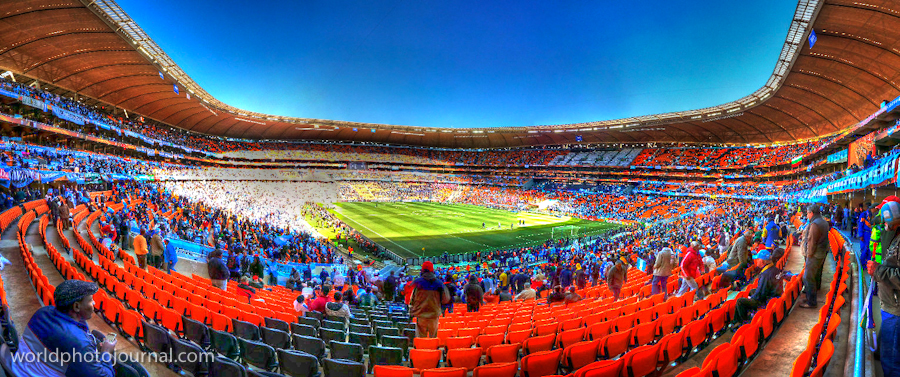
Soccer City Stadium, Johannesburg South Africa
Africa’s largest stadium and iconic venue that hosted the 2010 FIFA World Cup final.

Soccer City Stadium, officially known as the FNB Stadium, stands as a testament to South Africa’s passion for football and its place on the world sporting stage. Located in Johannesburg, this magnificent structure has a seating capacity of over 94,000 and features a distinctive architectural design inspired by African pottery. The stadium’s golden exterior and sweeping curves make it one of the most recognizable sports venues globally, serving as the spiritual home of South African football and a symbol of national pride.

Highlights

  • Iconic venue for the 2010 FIFA World Cup final between Spain and Netherlands
  • Massive seating capacity with stunning panoramic views of the pitch
  • Distinctive African pottery-inspired architectural design with golden exterior
  • Home ground for Kaizer Chiefs and other premier South African football clubs
  • World-class facilities including modern amenities and hospitality areas

What to Do

  • Watch a live Premier Soccer League match during the season
  • Take a stadium tour to explore the pitch, changing rooms and trophy room
  • Attend international fixtures and continental championship matches
  • Experience major concerts and cultural events held throughout the year
  • Visit the museum showcasing South African football history and memorabilia

Best Time to Visit

August to October during the South African football season offers the most vibrant matchday atmosphere, with clear skies and mild weather perfect for enjoying the stadium experience.

Getting There

Soccer City Stadium is accessible via the Gautrain rapid transit system from Johannesburg city center. Alternatively, ride-sharing services, taxis, and private car hire are available. The stadium is located in the Soweto region, approximately 25km southwest of central Johannesburg.

Visitor Tips

  • Book tickets in advance for major matches as the stadium fills quickly
  • Arrive early on matchdays to enjoy the pre-game atmosphere and avoid traffic
  • Wear team colors to immerse yourself in the passionate crowd experience
  • Bring sun protection for daytime matches as seating areas offer limited shade
  • Use official parking facilities rather than street parking for safety and convenience

Nearby

  • Soweto Township – historic area with cultural significance and guided tours
  • Apartheid Museum – powerful historical museum documenting South Africa’s journey
  • Maropeng Visitor Centre – modern museum showcasing human history and evolution
  • Gold Reef City – theme park built over an old gold mine with history and entertainment

Soccer City Stadium represents more than just a sports venue—it embodies the spirit of South African football, national unity, and world-class sporting excellence. Whether you’re a devoted football enthusiast or a curious traveler seeking authentic cultural experiences, standing in this magnificent arena surrounded by passionate fans creates memories that last a lifetime. The roar of the crowd, the beauty of the game, and the iconic golden structure make Soccer City a must-visit destination for anyone exploring Johannesburg.

Location Map

Soccer City Stadium, Johannesburg South Africa Read More »
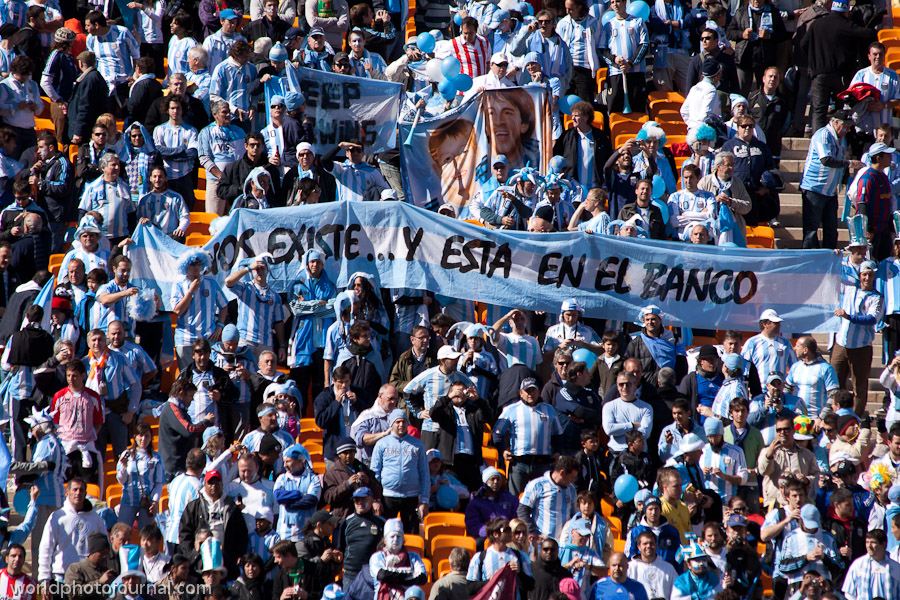
La Bombonera Stadium, Buenos Aires Argentina

La Bombonera Stadium, Buenos Aires Argentina
Home of Boca Juniors and one of South America’s most passionate football stadiums, steeped in the legacy of Diego Maradona.

La Bombonera Stadium, officially known as Estadio Alberto J. Armando, is the iconic home of Boca Juniors in the La Boca neighborhood of Buenos Aires. Named for its distinctive shape resembling a bonbon box, this legendary venue has witnessed some of the greatest moments in football history, particularly during Diego Maradona’s era. The stadium’s electric atmosphere, created by devoted fans draped in the club’s signature blue and white colors, makes it one of the most intimidating and inspiring places in world football. As the quote suggests—’God exists, he sits on the bench’—Maradona’s presence and influence continue to define the spirit of this sacred ground.

Highlights

  • Capacity of over 49,000 passionate Boca Juniors supporters creating an unforgettable atmosphere
  • The distinctive architectural design that resembles a bonbon box, visible from multiple vantage points
  • Rich history as the stage for Maradona’s greatest performances and football’s most memorable moments
  • The Boca Juniors Museum showcasing decades of club history and iconic memorabilia
  • Located in the colorful, historic La Boca neighborhood with colonial architecture and cultural heritage

What to Do

  • Attend a match during the Argentine football season to experience the electrifying energy of Boca fans
  • Take a stadium tour to explore the pitch, locker rooms, and museum exhibits
  • Visit the adjacent Boca Juniors Museum to learn about the club’s storied history
  • Walk through the vibrant La Boca neighborhood and see the colorful caminito street
  • Capture photographs of the iconic stadium architecture and passionate fan displays

Best Time to Visit

March to November during the Argentine football season, when matches bring the stadium to life with passionate crowds. The cooler autumn and spring months offer pleasant weather for exploring the neighborhood.

Getting There

Located in the La Boca neighborhood of Buenos Aires, accessible via Subte Line C (metro) to Primera Junta station, or taxi/ride-sharing services. The stadium is approximately 15 km south of downtown Buenos Aires.

Visitor Tips

  • Book stadium tours in advance through official Boca Juniors channels for guaranteed access
  • Arrive early for match days to soak in the pre-game atmosphere and find parking
  • Respect local football culture and follow stadium security guidelines for visitor safety
  • Wear comfortable walking shoes when exploring the historic La Boca neighborhood
  • Learn basic Spanish phrases to enhance interactions with locals and fellow football enthusiasts

Nearby

  • Caminito Street – colorful historic pedestrian street famous for tango culture
  • Boca Juniors Museum – extensive collection of club history and Maradona memorabilia
  • Puerto Madero – modern waterfront district with restaurants and cultural attractions
  • San Telmo Market and neighborhood – historic quarter known for antiques and weekend fairs

La Bombonera Stadium stands as more than just a football venue—it is a temple to passion, history, and the beautiful game itself. Whether you’re a devoted football fan, a Maradona admirer, or simply seeking to understand Argentine culture, visiting this legendary stadium offers an unforgettable journey into the heart of one of the world’s greatest football traditions. The roar of the Boca fans, the vibrant blue and white sea of supporters, and the weight of football history make La Bombonera an essential pilgrimage for anyone who loves the sport.

Location Map

La Bombonera Stadium, Buenos Aires Argentina Read More »

Soccer City Stadium, Johannesburg South Africa

Soccer City Stadium, Johannesburg South Africa
Africa’s largest stadium and iconic venue that hosted the 2010 FIFA World Cup final, pulsing with the energy of passionate football fans.

Soccer City Stadium, officially known as the FNB Stadium, stands as a monumental landmark in Johannesburg, South Africa. With a capacity of over 94,000 spectators, it is the largest stadium on the African continent and has been the heartbeat of South African football since its completion in 1989. The stadium gained worldwide recognition as the centerpiece venue of the 2010 FIFA World Cup, hosting the tournament’s opening match and the iconic final between Spain and the Netherlands. Beyond its architectural grandeur, Soccer City is a symbol of national pride and unity, drawing massive crowds for football matches, concerts, and cultural events that celebrate the vibrant spirit of South Africa.

Highlights

  • World Cup Legacy: Hosted the 2010 FIFA World Cup final and opening match, cementing its place in global football history
  • Massive Capacity: Africa’s largest stadium with over 94,000 seats, creating an electrifying atmosphere during matches
  • Iconic Architecture: The distinctive design featuring a ‘double-bowl’ structure inspired by African pottery is visually striking

What to Do

  • Attend a Kaizer Chiefs or Orlando Pirates football match to experience the passionate energy of South African football fans
  • Take a stadium tour to explore the facilities, learn about World Cup history, and visit the museum
  • Enjoy live music concerts and entertainment events held throughout the year
  • Capture photos of the impressive architecture and soak in the vibrant pre-match atmosphere

Best Time to Visit

Visit during the South African football season (August to May) for matchday experiences, or check the events calendar for concerts and special events. Weekend matches offer the most exciting atmosphere.

Getting There

Located in Nasrec, Johannesburg, the stadium is accessible by car, taxi, or ride-sharing services. From Johannesburg’s city center, it’s approximately 30 minutes by vehicle. Public transport options are available on match days.

Visitor Tips

  • Arrive early on match days to experience the pre-game festivities and colorful fan celebrations
  • Book tickets in advance for major matches, as the stadium fills quickly
  • Bring sunscreen, hats, and water as the stadium can get very hot during daytime events
  • Be prepared for enthusiastic, colorful fan displays including face paint, elaborate costumes, and traditional attire

Nearby

  • Apartheid Museum, documenting South Africa’s complex history
  • Soweto township tours offering cultural immersion
  • Gold Reef City, a recreation of a 1880s gold rush town

Soccer City Stadium is more than just a sports venue—it’s a monument to South African passion, pride, and the unifying power of football. Whether you’re a devoted football fan or a cultural enthusiast, experiencing a match or event at this legendary stadium offers an unforgettable glimpse into the heart of South African spirit and the electric energy that defines the nation’s love for the beautiful game.

Location Map

Soccer City Stadium, Johannesburg South Africa Read More »
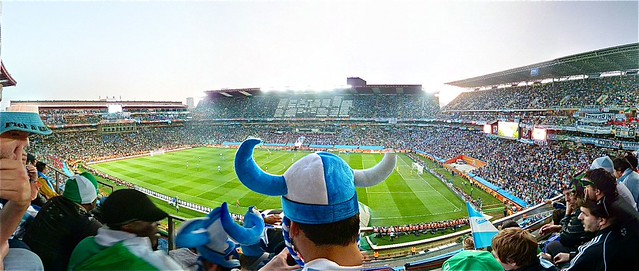
Estadio Ciudad de La Plata (Ellis Park Stadium), Buenos Aires Argentina

Estadio Ciudad de La Plata (Ellis Park Stadium), Buenos Aires Argentina
Home to Estudiantes de La Plata, this iconic football stadium pulses with passionate Argentine fans and unforgettable match day energy.

Estadio Ciudad de La Plata, formerly known as Ellis Park Stadium, stands as one of Argentina’s most vibrant and historically significant football venues. Located in La Plata, the capital of Buenos Aires Province, this stadium has been a fortress for Estudiantes de La Plata since its opening. The stadium’s distinctive architecture and massive capacity create an electrifying atmosphere that captures the essence of Argentine football culture. With passionate supporters filling the stands in blue and white colors, match days here are experiences that resonate long after the final whistle.

Highlights

  • Capacity of over 80,000 spectators creating an electric match day atmosphere
  • Home stadium of the prestigious Estudiantes de La Plata, multiple-time champions
  • Iconic blue and white supporter culture with vibrant fan traditions
  • Modern facilities and improved infrastructure for enhanced spectator experience

What to Do

  • Attend a live football match and experience authentic Argentine football passion
  • Explore the stadium’s architectural design and historical significance
  • Visit the club museum to learn about Estudiantes’ rich trophy history
  • Enjoy pre-match atmosphere and local food at nearby restaurants

Best Time to Visit

During the Argentine football season (August-December and February-May) for thrilling live matches and optimal weather conditions

Getting There

La Plata is approximately 60 kilometers southeast of Buenos Aires, accessible by train (Roca Line), bus, or private vehicle

Visitor Tips

  • Book tickets in advance for major matches, as the stadium fills quickly
  • Arrive early to soak in the pre-match atmosphere and find parking
  • Respect local fan customs and support etiquette during matches
  • Learn basic Spanish football chants to enhance the experience

Nearby

  • La Plata Cathedral – stunning Neo-Gothic religious landmark
  • Paseo del Bosque – the city’s iconic park with museums and attractions
  • National University of La Plata – historic architectural campus

Estadio Ciudad de La Plata is more than just a sports venue—it’s a living testament to Argentine football culture and community spirit. Whether you’re a die-hard football fan or a curious traveler seeking authentic local experiences, a match day at this legendary stadium offers memories that capture the heart and soul of Argentina’s passionate sporting traditions.

Location Map

Estadio Ciudad de La Plata (Ellis Park Stadium), Buenos Aires Argentina Read More »

Scroll to Top