Author name: G

Forbidden City Palace Complex, Beijing China

Forbidden City Palace Complex, Beijing China
An awe-inspiring imperial palace where centuries of Chinese history unfolds beneath dramatic skies.

The Forbidden City stands as one of the world’s most magnificent architectural achievements and the largest palace complex ever built. Located in the heart of Beijing, this vast imperial residence served as home to Chinese emperors for nearly 500 years, from the Ming Dynasty through the Qing Dynasty. With nearly 1,000 buildings arranged across 180 acres, the Forbidden City represents the pinnacle of Chinese architectural and artistic mastery, blending harmony with nature, feng shui principles, and imperial grandeur.

The complex is a masterpiece of symmetry and balance, featuring ornate red walls, golden-glazed roofs, and intricate courtyards that transport visitors back to imperial times. The name ‘Forbidden City’ reflects its historical exclusivity—for centuries, only the emperor, his family, and selected officials were permitted entry, making it one of history’s most exclusive destinations.

Today, the Forbidden City welcomes millions of visitors annually, offering an unparalleled glimpse into China’s imperial past and the sophisticated lifestyle of the ruling dynasty.

Highlights

  • Hall of Supreme Harmony (Taihedian) – The largest hall where emperors held court and major ceremonies took place
  • Intricate courtyards and gardens showcasing traditional Chinese landscape design and artistic elements
  • Golden-tiled roofs and ornate decorative details representing imperial power and celestial symbolism
  • Museum collections featuring imperial artifacts, calligraphy, paintings, and precious antiques
  • The dramatic interplay of light and weather creating mystical atmospheres throughout the complex

What to Do

  • Explore the three main halls and learn about imperial governance and court rituals
  • Wander through private quarters and imperial gardens to understand daily palace life
  • Visit the Palace Museum galleries displaying treasures from various dynasties
  • Photograph the stunning architecture with its distinctive red walls and golden accents
  • Experience the authentic atmosphere that has captivated visitors for centuries

Best Time to Visit

Spring (April-May) and autumn (September-October) offer pleasant weather, clear skies, and comfortable temperatures for exploring. Avoid peak summer heat and winter cold, though winter can provide dramatic cloud formations like those in this photo.

Getting There

The Forbidden City is centrally located in Beijing and easily accessible by public transportation. Take the Metro to Tiananmen East or Tiananmen West stations (Lines 1 or 2), or take buses that stop near the main entrances. Taxis and ride-sharing services are also readily available.

Visitor Tips

  • Arrive early morning to beat crowds and enjoy better lighting for photography
  • Wear comfortable walking shoes as the complex covers vast distances
  • Purchase tickets online in advance to skip queues and secure entry times
  • Consider hiring a guide or renting an audio guide for deeper historical context
  • Bring water and sun protection; there is limited shade throughout the grounds

Nearby

  • Tiananmen Square – The world’s largest public plaza adjacent to the Forbidden City
  • Temple of Heaven – Another magnificent imperial complex with stunning architecture
  • National Museum of China – Comprehensive museum showcasing Chinese art and history
  • Jingshan Park – Hilltop park offering panoramic views of the Forbidden City

The Forbidden City remains a testament to human ambition, artistic achievement, and cultural heritage. Standing within its walls, beneath dramatic Beijing skies, you are transported across centuries to experience the grandeur and complexity of imperial China. Whether you’re a history enthusiast, architecture lover, or simply seeking to understand one of humanity’s greatest civilizations, the Forbidden City delivers an unforgettable journey that will inspire and enlighten every visitor who crosses its threshold.

Location Map

Forbidden City Palace Complex, Beijing China Read More »

Mutianyu Section, Great Wall of China, Beijing

Mutianyu Section, Great Wall of China, Beijing
A stunning and less-crowded section of the Great Wall offering breathtaking mountain views and authentic Ming Dynasty architecture.

The Mutianyu section of the Great Wall of China stands as one of the most scenic and well-preserved portions of this legendary fortification. Located in the Huairou District north of Beijing, Mutianyu stretches across dramatic mountainous terrain, featuring 22 watchtowers connected by carefully restored stone walls that wind through dense forests and verdant valleys. Unlike the more heavily trafficked Badaling section, Mutianyu offers visitors a more intimate and authentic experience of this UNESCO World Heritage Site, combining natural beauty with historical significance.

Built during the Ming Dynasty (1368-1644), Mutianyu was strategically positioned to protect the capital from northern invasions. The section is renowned for its excellent preservation and the harmonious integration of the wall with its surrounding landscape. Visitors are treated to panoramic vistas of the wall snaking across forested ridges, ancient watchtowers standing sentinel over the valleys, and the seasonal transformations that paint the mountains in different hues throughout the year.

Whether visiting in winter’s serene silence or summer’s lush abundance, Mutianyu delivers an unforgettable journey through centuries of history and across some of northern China’s most compelling natural scenery.

Highlights

  • 22 restored watchtowers with stunning architectural detail and strategic positioning
  • Scenic cable car and toboggan ride options for convenient access to different sections
  • Less crowded than Badaling, offering a more peaceful and authentic experience
  • Dense forests surrounding the wall, changing seasonally from winter white to summer green
  • Excellent preservation showcasing authentic Ming Dynasty construction techniques

What to Do

  • Hike the restored wall sections between watchtowers for panoramic mountain views and photo opportunities
  • Ride the cable car up the mountain for easy access to higher sections of the wall
  • Descend via the thrilling toboggan ride for an adventurous return journey
  • Explore individual watchtowers and their defensive architectural features
  • Pack a picnic and enjoy meals with views of the wall stretching across the landscape

Best Time to Visit

September to October when fall foliage creates stunning golden and red hues across the mountains, or April to May for spring wildflowers and mild temperatures. Winter (as shown in this photo) offers serene, snow-dusted vistas with fewer tourists.

Getting There

From Beijing, take a bus or private car north through Huairou District (approximately 1.5-2 hours). Multiple tour operators offer day trips from central Beijing including transportation. Alternatively, use local buses or hire a taxi from Huairou Town.

Visitor Tips

  • Book tickets online in advance, especially during peak seasons, to avoid long queues
  • Wear sturdy hiking boots with good traction, as stone steps can be steep and slippery
  • Bring sufficient water and snacks, as facilities on the wall are limited
  • Start early to maximize daylight and enjoy the wall in relative solitude
  • Check weather conditions before visiting, as mountain weather changes rapidly

Nearby

  • Jinshanling Great Wall – another well-preserved section with cable car and lakeside views
  • Simatai Great Wall – wild and steep section popular with hikers and photographers
  • Huailai County – scenic rural area with traditional villages and folk culture

Mutianyu represents more than just stone and brick winding through mountains—it embodies centuries of human determination, strategic vision, and architectural mastery. Standing on its watchtowers, gazing across the forested ridges and valleys, you connect with countless generations who walked these same paths. Whether you seek historical insight, outdoor adventure, or simply stunning natural beauty, Mutianyu delivers an experience that captures the grandeur and romance of the Great Wall while remaining accessible and welcoming to travelers of all abilities.

Location Map

Mutianyu Section, Great Wall of China, Beijing Read More »

Angkor Wat Temple Complex, Siem Reap Cambodia

Angkor Wat Temple Complex, Siem Reap Cambodia
Witness the ethereal beauty of the world’s largest religious monument as the sun rises or sets over ancient temple spires in mystical silhouette.

Angkor Wat stands as one of the most breathtaking archaeological wonders of the world, a sprawling temple complex in northwestern Cambodia that has captivated travelers for centuries. Built in the 12th century as a Hindu temple dedicated to Vishnu, it later transformed into a Buddhist sanctuary, reflecting the spiritual evolution of Southeast Asia. The iconic silhouette of its five towers creates one of the most photographed images at sunrise and sunset, when the sky ignites in shades of orange and gold behind the ancient stone structures.

The temple complex encompasses over 400 square kilometers of jungle-covered ruins, making it not just a single temple but an entire city frozen in time. Angkor Wat is the crown jewel of the larger Angkor archaeological park, which contains the remains of several capitals of the Khmer Empire spanning from the 9th to 15th centuries. This UNESCO World Heritage Site represents the pinnacle of classical Khmer architecture and artistry, with intricate bas-reliefs and towering stone galleries that whisper stories of a vanished civilization.

Visiting Angkor Wat is a pilgrimage for history enthusiasts, photographers, and spiritual seekers alike. The combination of magnificent architecture, spiritual significance, and dramatic natural lighting creates an almost mystical atmosphere that few places on earth can match.

Highlights

  • The iconic five towers in perfect silhouette against sunrise and sunset skies
  • Intricate bas-relief carvings depicting Hindu epics and Khmer history across gallery walls
  • The sprawling moat surrounding the temple, reflecting the monuments in mirror-like waters
  • Over 2,000 apsara (celestial dancer) carvings adorning the temple walls
  • The atmospheric jungle-covered ruins of the broader Angkor archaeological park

What to Do

  • Witness sunrise from the eastern viewing platform for the classic silhouette shot over the main temple towers
  • Explore the intricate stone galleries and climb to the upper terraces for panoramic views
  • Study the detailed bas-reliefs in the outer galleries depicting the Churning of the Ocean of Milk and other epic scenes
  • Visit nearby temples like Bayon, Ta Prohm, and Banteay Srei within the Angkor complex
  • Hire a knowledgeable local guide to understand the historical and cultural significance of each temple section
  • Photograph the sunset from Phnom Bakheng hill for an alternative golden hour perspective

Best Time to Visit

November to February offers the most pleasant weather with cool temperatures and clear skies ideal for photography. Avoid the monsoon season from May to October when humidity is intense and afternoon rains are frequent. The dry season provides the best visibility for sunrise and sunset viewing.

Getting There

Fly into Siem Reap International Airport, which receives flights from major Asian hubs and Bangkok. From the airport, hire a private driver or join an organized tour to Angkor Wat, approximately 6 kilometers away. Most visitors arrange multi-day passes and hire guides for comprehensive exploration of the archaeological park.

Visitor Tips

  • Purchase a 1, 3, or 7-day pass at the Angkor Archaeological Park ticket office; sunrise viewing requires arriving before dawn
  • Wear comfortable walking shoes, lightweight breathable clothing, and bring plenty of water and sun protection
  • Arrive at sunrise at least 30-45 minutes early to secure good viewing positions; locations can become crowded
  • Hire a knowledgeable English-speaking guide to fully appreciate the historical and architectural significance
  • Consider visiting during weekday mornings to avoid the largest crowds of tour groups
  • Bring a headlamp or flashlight for pre-dawn arrival and navigation to sunrise viewpoints

Nearby

  • Bayon Temple with its mysterious smiling stone faces
  • Ta Prohm Temple with massive tree roots enveloping ancient stones
  • Banteay Srei Temple known for its intricate pink sandstone carvings
  • The Artisans Angkor craft workshops in Siem Reap town
  • Tonle Sap Lake, the largest freshwater lake in Southeast Asia

Angkor Wat transcends being merely a tourist destination—it is a portal to one of history’s greatest civilizations, a testament to human ingenuity and spiritual devotion. Standing before its ancient towers as the sun paints the sky in golden hues, you’ll understand why this sacred monument has endured for nearly a thousand years and continues to inspire awe in all who witness it. Whether you’re drawn by history, photography, spirituality, or simple wonder, Angkor Wat promises a transformative experience that will linger in your heart long after you leave Cambodia’s mystical shores.

Location Map

Angkor Wat Temple Complex, Siem Reap Cambodia Read More »

Starbucks Coffee Kowloon, Hong Kong

Starbucks Coffee Kowloon, Hong Kong
A stylish modern café in Kowloon offering the quintessential Starbucks experience with elegant seating and Hong Kong’s vibrant urban atmosphere.

Starbucks Coffee in Kowloon represents the global coffee culture’s successful integration into Hong Kong’s bustling urban landscape. This contemporary café features sophisticated interior design with warm wooden furniture, distinctive red velvet curtains, and ambient lighting that creates an inviting atmosphere for both work and leisure. The spacious seating arrangement with high-top tables and stools accommodates various visitor preferences, from solo travelers needing a quiet workspace to small groups meeting for conversation.

Located in one of Hong Kong’s most vibrant districts, this Starbucks outlet serves as both a destination for coffee enthusiasts and a comfortable refuge from the energy of Kowloon’s streets. The café’s thoughtful design balances modern minimalism with warm touches, making it a popular spot for locals and tourists alike seeking quality coffee and a pleasant environment.

Whether you’re exploring Kowloon or seeking a comfortable place to settle with your morning brew, this Starbucks location offers the reliability and aesthetic appeal that the brand is known for, combined with the unique character of Hong Kong’s hospitality culture.

Highlights

  • Elegant modern interior with distinctive red velvet curtains and ambient warm lighting
  • Spacious seating with diverse table configurations including high-top bar stools and traditional round tables
  • Prime Kowloon location offering convenient access to major shopping and business districts
  • Premium coffee selection and Starbucks menu offerings with professional barista service

What to Do

  • Enjoy quality espresso drinks and specialty beverages in a comfortable, modern setting
  • Work or study with reliable WiFi in a quiet, professionally designed environment
  • Meet friends or colleagues for casual gatherings at the various seating arrangements
  • Experience Hong Kong’s café culture while taking a break from exploring Kowloon

Best Time to Visit

Early mornings (7-9 AM) for a quieter experience with fresh pastries, or afternoons (2-4 PM) when the café offers a more relaxed atmosphere away from peak hours.

Getting There

Easily accessible via Kowloon’s extensive MTR (Mass Transit Railway) network. Most Kowloon Starbucks locations are within walking distance of major MTR stations including Tsim Sha Tsui, Jordan, or Mong Kok depending on the specific outlet.

Visitor Tips

  • Arrive early morning for the best selection of freshly baked pastries and quieter seating
  • High-top tables are ideal for quick visits, while round tables suit longer stays
  • The café provides excellent WiFi, making it suitable for remote work or studying
  • Peak hours (lunch and after-work times) can get crowded; visit during off-peak for a more relaxed experience
  • Cash and card payments accepted; Starbucks card or mobile payment options available

Nearby

  • Tsim Sha Tsui waterfront and Victoria Harbour viewpoints
  • Hong Kong Museum of History and Museum of Art
  • Kowloon’s famous street markets (Temple Street Night Market, Ladies’ Market)
  • Shopping districts along Nathan Road and Mong Kok

A visit to Starbucks Coffee in Kowloon offers more than just exceptional coffee—it’s an opportunity to experience how global brands have woven themselves into Hong Kong’s local fabric. Whether you’re a coffee connoisseur, digital nomad, or casual traveler, this thoughtfully designed café provides the perfect backdrop for your Kowloon adventure. Come for the coffee, stay for the experience of Hong Kong’s vibrant café culture.

Location Map

Starbucks Coffee Kowloon, Hong Kong Read More »

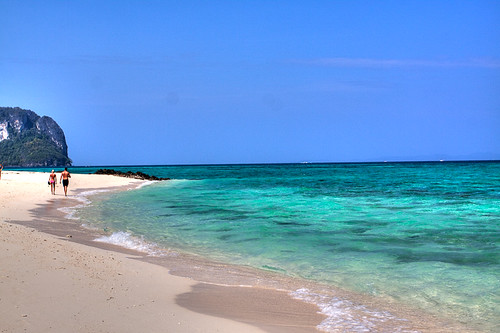
Maya Bay Beach, Phi Phi Islands Thailand

Maya Bay Beach, Phi Phi Islands Thailand
A stunning turquoise lagoon surrounded by dramatic limestone cliffs and traditional longtail boats, one of Thailand’s most iconic beaches.

Maya Bay is a breathtaking crescent-shaped beach nestled between towering limestone cliffs on the island of Phi Phi Leh in southern Thailand. Famous for its crystal-clear turquoise waters, powdery white sand, and dramatic geological formations, this tropical paradise has become one of Southeast Asia’s most sought-after destinations. The bay is accessible only by boat, preserving its exclusivity and natural beauty while attracting visitors from around the world seeking an unforgettable beach experience.

The iconic longtail boats you see in traditional Thai style are the primary way visitors reach and explore the bay. These wooden vessels, painted in vibrant blues and adorned with colorful flags, have become as much a symbol of the destination as the stunning landscape itself. The shallow, sheltered waters make the bay perfect for swimming, snorkeling, and photography.

Highlights

  • Crystal-clear turquoise waters perfect for swimming and snorkeling
  • Dramatic limestone cliff formations rising majestically from the sea
  • Iconic traditional Thai longtail boats creating an authentic Southeast Asian atmosphere
  • Pristine white sand beach ideal for sunbathing and relaxation
  • Excellent visibility for underwater exploration and marine life viewing

What to Do

  • Swim and sunbathe on the pristine white sand beach
  • Snorkel in the shallow, clear waters to see colorful tropical fish and coral
  • Take traditional longtail boat tours around the island and nearby bays
  • Photograph the stunning limestone cliffs and scenic landscape
  • Explore nearby attractions like Monkey Beach and Bamboo Island by boat
  • Watch the sunset from the beach with dramatic cliff backdrops

Best Time to Visit

November to April offers the best weather with calm seas, clear skies, and comfortable temperatures. Avoid monsoon season (May-October) when waters are rough and visibility is poor.

Getting There

Fly to Phuket International Airport, then take a ferry or speedboat to Phi Phi Islands. Alternatively, take a minivan and ferry combo from Phuket. Once on Phi Phi Islands, access Maya Bay exclusively by longtail boat from Tonsai or Loh Dalum beaches.

Visitor Tips

  • Arrive early in the morning to avoid crowds and secure parking spots for boats
  • Bring reef-safe sunscreen to protect the marine ecosystem
  • Wear water shoes as the beach has rocky areas and coral
  • Book longtail boat tours in advance during peak season
  • Bring cash as many boat operators don’t accept cards
  • Consider visiting during shoulder season for fewer crowds

Nearby

  • Monkey Beach – home to playful monkeys and accessible by longtail boat
  • Bamboo Island – pristine beach with dense bamboo forests
  • Phi Phi Don Island – larger island with accommodations and dining
  • Koh Lanta – quieter alternative island with white sand beaches
  • James Bond Island – famous limestone formation featured in The Man with the Golden Gun

Maya Bay represents the pinnacle of tropical beach beauty in Thailand, offering a perfect blend of natural splendor, adventure, and authentic cultural experiences. Whether you’re seeking relaxation on powdery sand, underwater exploration, or simply a glimpse of one of the world’s most photogenic destinations, Maya Bay delivers an unforgettable experience that captures the essence of Southeast Asian paradise. Plan your visit to witness firsthand why this iconic bay continues to enchant travelers from every corner of the globe.

Location Map

Maya Bay Beach, Phi Phi Islands Thailand Read More »

Laem Promthep Cape Viewpoint, Phuket Thailand

Laem Promthep Cape Viewpoint, Phuket Thailand
Watch the sun melt into the Andaman Sea from one of Thailand’s most iconic sunset viewpoints.

Laem Promthep Cape, located at the southern tip of Phuket Island, is a legendary sunset destination that draws visitors from around the world. This dramatic headland offers panoramic views of the Andaman Sea and is crowned with tall coconut palms that frame the golden hour in spectacular fashion. The Cape is named after a Hindu deity and holds spiritual significance for locals, making it not just a scenic spot but a culturally important landmark. As the sun descends toward the horizon, the sky transforms into a canvas of oranges, purples, and golds—a natural spectacle that justifies the journey to this remote southern point.

Highlights

  • Stunning golden hour sunsets with silhouetted palm trees and ocean vistas
  • Large gathering of local and international visitors creating a festive evening atmosphere
  • Dramatic cliff formations and pristine coastal views extending for miles
  • Spiritual temple dedicated to a Hindu deity on the cape grounds
  • Perfect photography location with natural framing by tropical palms

What to Do

  • Watch the sunset and capture photographs of the dramatic sky and palm trees
  • Visit the small shrine dedicated to the Hindu deity at the cape
  • Explore the surrounding cliffs and coastal pathways
  • Enjoy the cool sea breeze during evening hours
  • Mingle with other travelers and locals during peak sunset times

Best Time to Visit

November to February during the dry season offers the clearest skies and most vibrant sunsets. Visit in late afternoon to secure a good viewing spot before sunset.

Getting There

Drive or take a taxi from central Phuket Town, approximately 30-45 minutes depending on traffic. The cape is about 25 kilometers south. Organized tours from Phuket hotels are also available.

Visitor Tips

  • Arrive at least 30-45 minutes before sunset to find a good viewing spot, as it gets crowded
  • Bring sun protection and comfortable walking shoes for the rocky terrain
  • Respect the spiritual significance of the shrine; dress modestly and be culturally sensitive
  • Have your camera or phone fully charged for sunset photography
  • Bring water and snacks as facilities are limited at the cape

Nearby

  • Yanui Beach for swimming and snorkeling
  • Big Buddha (Phuket Big Buddha) statue and temple complex
  • Kata and Karon beaches for dining and accommodation
  • Phromthep Cape Viewpoint Restaurant for dining with views

Laem Promthep Cape represents the raw beauty of Thailand’s natural landscape, where land meets sea in a moment of breathtaking daily magic. Whether you’re a photography enthusiast, a nature lover, or simply seeking a moment of tranquility, this iconic sunset viewpoint delivers an experience that will stay with you long after the sun dips below the horizon. The silhouetted palms, the warm glow of the sky, and the shared wonder of fellow travelers make this one of Southeast Asia’s must-see destinations.

Location Map

Laem Promthep Cape Viewpoint, Phuket Thailand Read More »

Scroll to Top