Chinese Architecture

Starbucks Coffee Shop, Beijing Across Tiananmen Square, China
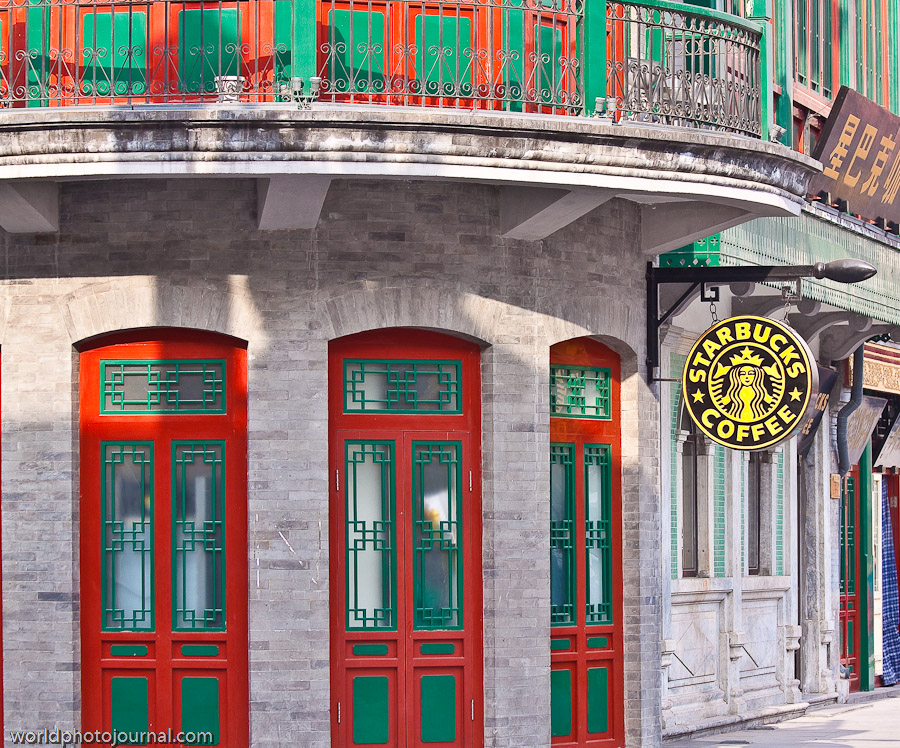
Starbucks Coffee Shop, Beijing Across Tiananmen Square, China
A controversial modern coffee chain housed in a historic Chinese-style building with traditional red doors and green accents across from Tiananmen Square.

This Starbucks location represents a fascinating collision of modern globalization and traditional Chinese heritage. Located across from the iconic Tiananmen Square, the café occupies a beautifully preserved building featuring classic Beijing architecture with distinctive red doors, green geometric window patterns, and ornate balconies. The storefront exemplifies the tension between Western corporate culture and Chinese cultural preservation, as the presence of Starbucks in such a historically significant location sparked considerable debate among locals and heritage advocates. Despite the controversy, the café serves as an intriguing landmark that captures Beijing’s complex relationship with modernization.

Highlights

  • Stunning traditional Chinese architectural facade with red frames and green decorative elements
  • Prime location directly across from the historic Tiananmen Square
  • Authentic Beijing-style building design blended with international coffee culture
  • Ornate wrought-iron balconies and window grilles reflecting classical Chinese aesthetics
  • Symbol of Beijing’s modern evolution and cultural dialogue

What to Do

  • Photograph the distinctive red and green colonial-style architecture contrasting with the Starbucks branding
  • Visit Tiananmen Square directly across the street, one of China’s most important landmarks
  • Enjoy coffee while observing the architectural fusion of tradition and modernity
  • Explore the surrounding hutong neighborhoods and historic districts
  • Visit nearby attractions including the Forbidden City and National Museum of China

Best Time to Visit

Spring (April-May) and autumn (September-October) offer pleasant weather and clear skies for photography. Avoid peak tourist seasons and national holidays when crowds are heaviest.

Getting There

Located on Chang’an Avenue directly across from Tiananmen Square. Accessible via Tiananmen East or Tiananmen West metro stations (Line 1). Multiple bus routes serve the area.

Visitor Tips

  • Go early morning for fewer crowds and better light for photography
  • The building’s exterior is more photogenic than the interior experience
  • Respect the historical significance of the location while visiting
  • Combine with a visit to Tiananmen Square across the street
  • Be aware this location remains somewhat controversial among heritage preservation advocates

Nearby

  • Tiananmen Square – China’s most iconic public plaza
  • The Forbidden City – ancient imperial palace complex
  • National Museum of China – world’s largest museum by visitor count
  • Mausoleum of Mao Zedong – important historical monument
  • Qianmen Street – historic shopping district

This unique Starbucks location offers visitors a compelling window into modern Beijing—where centuries-old architectural traditions meet contemporary global commerce. Whether you view it as a symbol of cultural evolution or cultural compromise, it undeniably represents a pivotal moment in Beijing’s transformation. Standing across from the magnificent Tiananmen Square, this café invites reflection on how cities balance heritage preservation with inevitable modernization, making it an unmissable stop for anyone seeking to understand contemporary China.

Location Map

Starbucks Coffee Shop, Beijing Across Tiananmen Square, China Read More »
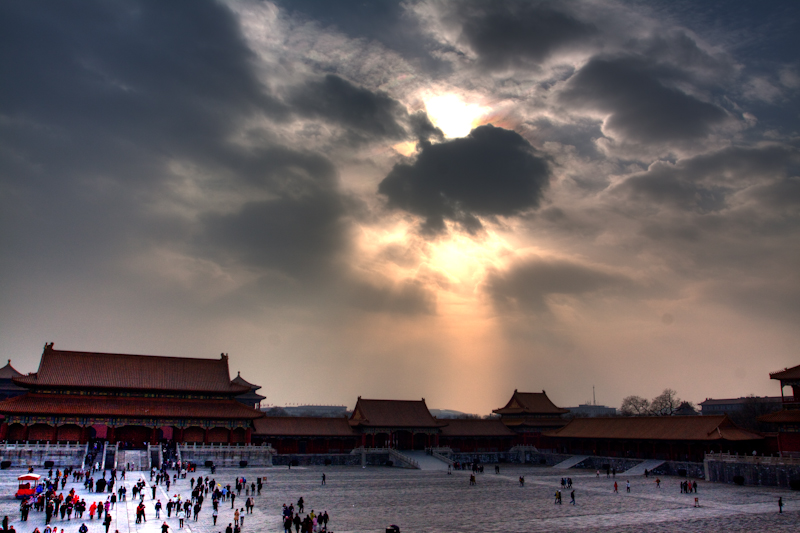
Forbidden City Palace Complex, Beijing China

Forbidden City Palace Complex, Beijing China
An awe-inspiring imperial palace where centuries of Chinese history unfolds beneath dramatic skies.

The Forbidden City stands as one of the world’s most magnificent architectural achievements and the largest palace complex ever built. Located in the heart of Beijing, this vast imperial residence served as home to Chinese emperors for nearly 500 years, from the Ming Dynasty through the Qing Dynasty. With nearly 1,000 buildings arranged across 180 acres, the Forbidden City represents the pinnacle of Chinese architectural and artistic mastery, blending harmony with nature, feng shui principles, and imperial grandeur.

The complex is a masterpiece of symmetry and balance, featuring ornate red walls, golden-glazed roofs, and intricate courtyards that transport visitors back to imperial times. The name ‘Forbidden City’ reflects its historical exclusivity—for centuries, only the emperor, his family, and selected officials were permitted entry, making it one of history’s most exclusive destinations.

Today, the Forbidden City welcomes millions of visitors annually, offering an unparalleled glimpse into China’s imperial past and the sophisticated lifestyle of the ruling dynasty.

Highlights

  • Hall of Supreme Harmony (Taihedian) – The largest hall where emperors held court and major ceremonies took place
  • Intricate courtyards and gardens showcasing traditional Chinese landscape design and artistic elements
  • Golden-tiled roofs and ornate decorative details representing imperial power and celestial symbolism
  • Museum collections featuring imperial artifacts, calligraphy, paintings, and precious antiques
  • The dramatic interplay of light and weather creating mystical atmospheres throughout the complex

What to Do

  • Explore the three main halls and learn about imperial governance and court rituals
  • Wander through private quarters and imperial gardens to understand daily palace life
  • Visit the Palace Museum galleries displaying treasures from various dynasties
  • Photograph the stunning architecture with its distinctive red walls and golden accents
  • Experience the authentic atmosphere that has captivated visitors for centuries

Best Time to Visit

Spring (April-May) and autumn (September-October) offer pleasant weather, clear skies, and comfortable temperatures for exploring. Avoid peak summer heat and winter cold, though winter can provide dramatic cloud formations like those in this photo.

Getting There

The Forbidden City is centrally located in Beijing and easily accessible by public transportation. Take the Metro to Tiananmen East or Tiananmen West stations (Lines 1 or 2), or take buses that stop near the main entrances. Taxis and ride-sharing services are also readily available.

Visitor Tips

  • Arrive early morning to beat crowds and enjoy better lighting for photography
  • Wear comfortable walking shoes as the complex covers vast distances
  • Purchase tickets online in advance to skip queues and secure entry times
  • Consider hiring a guide or renting an audio guide for deeper historical context
  • Bring water and sun protection; there is limited shade throughout the grounds

Nearby

  • Tiananmen Square – The world’s largest public plaza adjacent to the Forbidden City
  • Temple of Heaven – Another magnificent imperial complex with stunning architecture
  • National Museum of China – Comprehensive museum showcasing Chinese art and history
  • Jingshan Park – Hilltop park offering panoramic views of the Forbidden City

The Forbidden City remains a testament to human ambition, artistic achievement, and cultural heritage. Standing within its walls, beneath dramatic Beijing skies, you are transported across centuries to experience the grandeur and complexity of imperial China. Whether you’re a history enthusiast, architecture lover, or simply seeking to understand one of humanity’s greatest civilizations, the Forbidden City delivers an unforgettable journey that will inspire and enlighten every visitor who crosses its threshold.

Location Map

Forbidden City Palace Complex, Beijing China Read More »

Scroll to Top