angkor-wat

Angkor Wat Temple Complex, Siem Reap Cambodia
Angkor Wat Temple Complex, Siem Reap Cambodia
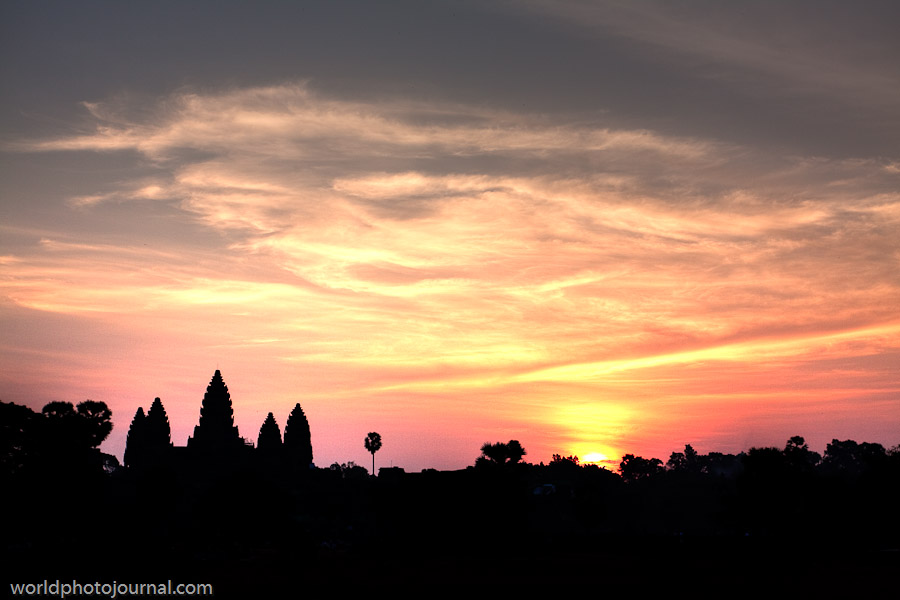
Witness the breathtaking sunrise over the world’s largest religious monument and UNESCO World Heritage site.

Angkor Wat stands as a magnificent testament to the architectural and artistic genius of the Khmer Empire. Built in the early 12th century as a Hindu temple dedicated to Vishnu, this sprawling complex has evolved into Cambodia’s most iconic landmark and one of the most important archaeological sites in Southeast Asia. The temple’s distinctive silhouette, crowned by five lotus-shaped towers, creates an unforgettable skyline that has captivated travelers and pilgrims for centuries.

The experience of witnessing the sunrise over Angkor Wat is truly transcendent. As the first light breaks across the horizon, the ancient stone structures gradually emerge from darkness, bathed in soft golden and pink hues. This magical moment, when the temple seems to bridge the earthly and spiritual realms, is why thousands of visitors wake before dawn each year to experience this natural spectacle.

Beyond its visual splendor, Angkor Wat represents an extraordinary feat of engineering and urban planning. The complex sprawls across 162.6 hectares and features intricate bas-reliefs, mysterious galleries, and a sophisticated water management system that still functions today, revealing the advanced knowledge of the Khmer civilization.

Highlights

  • Sunrise viewing from the western entrance or elevated vantage points, offering unparalleled photography opportunities
  • Intricate bas-relief carvings depicting Hindu epics and daily life scenes throughout the temple galleries
  • The iconic five-tower silhouette reflected in the surrounding moat and reservoirs
  • Three levels of galleries leading to the central sanctuary with panoramic views of the entire complex

What to Do

  • Wake before dawn and position yourself for sunrise photography at one of the designated viewing areas
  • Explore the temple’s three levels, taking time to study the detailed carved reliefs and inscriptions
  • Visit the Western Gallery to view the famous ‘Churning of the Ocean of Milk’ bas-relief
  • Climb to the central tower for expansive views across the temple grounds and surrounding landscape
  • Walk the perimeter around the outer moat for different perspectives and fewer crowds

Best Time to Visit

November to February offers the most comfortable weather with cooler temperatures and lower humidity. Sunrise viewing is spectacular year-round, but dry season provides clearer skies and better visibility.

Getting There

Fly into Siem Reap International Airport, then arrange transportation via tuk-tuk, private car, or organized tours. Most visitors purchase a multi-day Angkor Archaeological Park pass to explore the entire temple complex.

Visitor Tips

  • Arrive at least 1-1.5 hours before sunrise to secure a good viewing spot and avoid large crowds
  • Wear comfortable walking shoes and bring plenty of water, as exploration involves significant walking on stone surfaces
  • Dress respectfully when entering temple areas; cover shoulders and knees as a sign of respect
  • Hire a knowledgeable guide to fully appreciate the historical significance and intricate details
  • Consider visiting on a cloudy morning for dramatic skies, as shown in this photo

Nearby

  • Bayon Temple, known for its 216 smiling stone faces
  • Ta Prohm Temple, famous for its intertwining tree roots and jungle setting
  • Beng Mealea, an atmospheric and less-visited temple surrounded by jungle

Angkor Wat offers far more than a stunning sunrise—it is a profound journey into one of humanity’s greatest civilizations. Standing before these ancient stones as the sun breaks the horizon, you’ll understand why this sacred temple has endured for nearly a thousand years. Whether you’re a history enthusiast, spiritual seeker, or photography lover, Angkor Wat promises an experience that will transform your perspective on human achievement and beauty.

Location Map

Angkor Wat Temple Complex, Siem Reap Cambodia Read More »
Angkor Wat Temple Complex, Siem Reap Cambodia

Angkor Wat Temple Complex, Siem Reap Cambodia
The world’s largest religious monument and a breathtaking testament to Khmer architectural brilliance spanning centuries of history.

Angkor Wat stands as an iconic masterpiece of Southeast Asian civilization, nestled in the northwestern jungles of Cambodia. Originally constructed in the early 12th century as a Hindu temple dedicated to Vishnu, it was later transformed into a Buddhist sanctuary and remains the spiritual heart of Cambodia. The temple complex showcases extraordinary stone craftsmanship, intricate bas-reliefs, and atmospheric colonnades that transport visitors back to the golden age of the Khmer Empire. Walking through its ancient corridors and chambers reveals the sophisticated urban planning and artistic vision of a civilization at its peak.

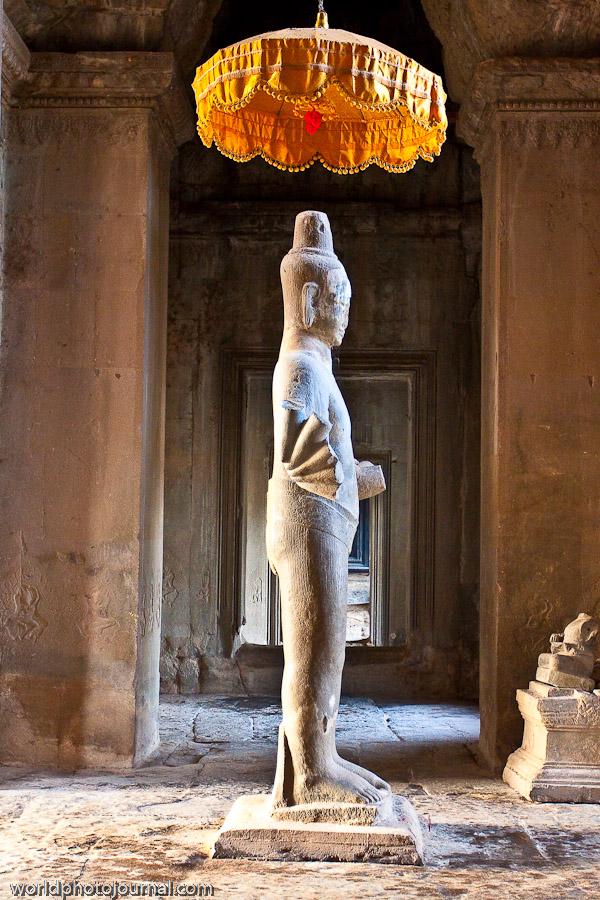
The photograph captures a serene moment within the temple’s interior—a beautifully carved stone statue stands beneath ornate columns, crowned by a vibrant golden parasol cloth draped as an offering. This intimate glimpse reveals the spiritual reverence still observed at this sacred site, where modern devotion coexists with ancient history. The interplay of light filtering through the stone architecture creates an atmosphere of profound tranquility.

Highlights

  • Massive five-tiered temple towers rising 65 meters, representing Mount Meru in Hindu cosmology
  • Extensive bas-relief galleries depicting scenes from Hindu epics, spanning over 800 meters
  • Intricate stone carvings and decorative elements showcasing peak Khmer artistic achievement
  • Serene colonnaded corridors and chambers used for worship and meditation
  • Sacred statue areas where Buddhist offerings and ceremonies continue daily

What to Do

  • Explore the three concentric galleries at sunrise for golden light on ancient stone facades
  • Study the detailed bas-reliefs telling stories of battles, celestial scenes, and daily life
  • Climb to the central tower sanctuary for panoramic views of the entire complex
  • Visit the library structures and dedicated prayer chambers still active with Buddhist devotion
  • Photograph interior colonnades and carved statuary in atmospheric natural lighting
  • Learn about Khmer history at the on-site museum before exploring the ruins

Best Time to Visit

November to February offers the coolest temperatures and best visibility. Avoid the monsoon season (May-October) when humidity is highest. Visit early morning before crowds arrive and heat intensifies.

Getting There

Fly into Siem Reap International Airport, then hire a tuk-tuk or join guided tours to Angkor Archaeological Park, approximately 5-6 km from the city center. Multi-day passes provide access to Angkor Wat and neighboring temple complexes.

Visitor Tips

  • Wear lightweight, breathable clothing and comfortable walking shoes for extensive exploration on uneven stone surfaces
  • Bring plenty of water, sunscreen, and insect repellent for extended temple visits
  • Hire a knowledgeable guide to understand the historical and spiritual significance of carved details
  • Respect active worship areas where monks and locals make Buddhist offerings
  • Photography is permitted in most areas but be considerate of prayer ceremonies and sacred spaces
  • Start exploration early morning to avoid peak heat and large tour groups

Nearby

  • Bayon Temple with its iconic 216 stone face towers
  • Ta Prohm Temple famously overgrown with ancient tree roots
  • Banteay Samre Temple with well-preserved galleries and decorative elements
  • Phnom Bakheng hilltop temple offering sunset views over Angkor complex

Angkor Wat transcends mere architectural wonder—it is a spiritual sanctuary where stone, light, and human devotion converge across centuries. Standing beneath ancient columns with golden offerings suspended overhead, visitors connect with a legacy of extraordinary craftsmanship and enduring faith. Whether you seek historical enlightenment, spiritual reflection, or photographic inspiration, Angkor Wat delivers an unforgettable journey into the heart of Khmer civilization. Plan your pilgrimage today to experience one of humanity’s greatest cultural treasures.

Location Map

Angkor Wat Temple Complex, Siem Reap Cambodia Read More »
Angkor Wat Temple Complex, Siem Reap Cambodia

Angkor Wat Temple Complex, Siem Reap Cambodia
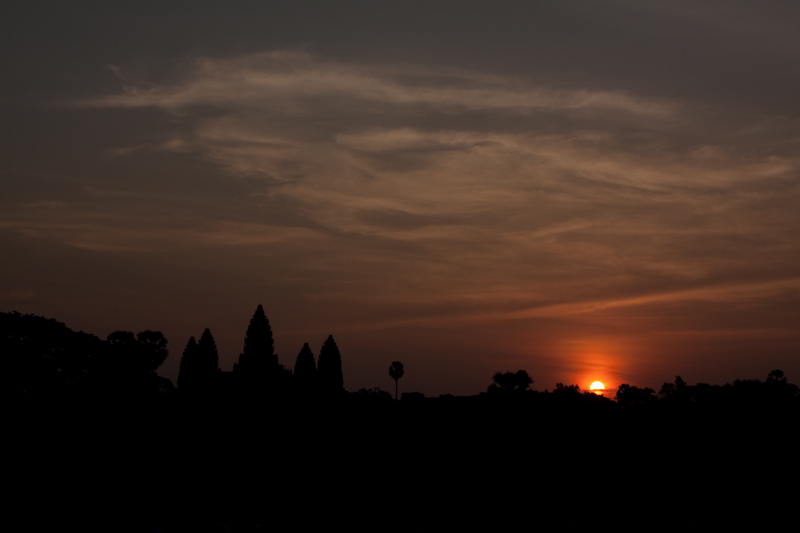
Witness the ethereal beauty of the world’s largest religious monument as the sun rises or sets over ancient temple spires in mystical silhouette.

Angkor Wat stands as one of the most breathtaking archaeological wonders of the world, a sprawling temple complex in northwestern Cambodia that has captivated travelers for centuries. Built in the 12th century as a Hindu temple dedicated to Vishnu, it later transformed into a Buddhist sanctuary, reflecting the spiritual evolution of Southeast Asia. The iconic silhouette of its five towers creates one of the most photographed images at sunrise and sunset, when the sky ignites in shades of orange and gold behind the ancient stone structures.

The temple complex encompasses over 400 square kilometers of jungle-covered ruins, making it not just a single temple but an entire city frozen in time. Angkor Wat is the crown jewel of the larger Angkor archaeological park, which contains the remains of several capitals of the Khmer Empire spanning from the 9th to 15th centuries. This UNESCO World Heritage Site represents the pinnacle of classical Khmer architecture and artistry, with intricate bas-reliefs and towering stone galleries that whisper stories of a vanished civilization.

Visiting Angkor Wat is a pilgrimage for history enthusiasts, photographers, and spiritual seekers alike. The combination of magnificent architecture, spiritual significance, and dramatic natural lighting creates an almost mystical atmosphere that few places on earth can match.

Highlights

  • The iconic five towers in perfect silhouette against sunrise and sunset skies
  • Intricate bas-relief carvings depicting Hindu epics and Khmer history across gallery walls
  • The sprawling moat surrounding the temple, reflecting the monuments in mirror-like waters
  • Over 2,000 apsara (celestial dancer) carvings adorning the temple walls
  • The atmospheric jungle-covered ruins of the broader Angkor archaeological park

What to Do

  • Witness sunrise from the eastern viewing platform for the classic silhouette shot over the main temple towers
  • Explore the intricate stone galleries and climb to the upper terraces for panoramic views
  • Study the detailed bas-reliefs in the outer galleries depicting the Churning of the Ocean of Milk and other epic scenes
  • Visit nearby temples like Bayon, Ta Prohm, and Banteay Srei within the Angkor complex
  • Hire a knowledgeable local guide to understand the historical and cultural significance of each temple section
  • Photograph the sunset from Phnom Bakheng hill for an alternative golden hour perspective

Best Time to Visit

November to February offers the most pleasant weather with cool temperatures and clear skies ideal for photography. Avoid the monsoon season from May to October when humidity is intense and afternoon rains are frequent. The dry season provides the best visibility for sunrise and sunset viewing.

Getting There

Fly into Siem Reap International Airport, which receives flights from major Asian hubs and Bangkok. From the airport, hire a private driver or join an organized tour to Angkor Wat, approximately 6 kilometers away. Most visitors arrange multi-day passes and hire guides for comprehensive exploration of the archaeological park.

Visitor Tips

  • Purchase a 1, 3, or 7-day pass at the Angkor Archaeological Park ticket office; sunrise viewing requires arriving before dawn
  • Wear comfortable walking shoes, lightweight breathable clothing, and bring plenty of water and sun protection
  • Arrive at sunrise at least 30-45 minutes early to secure good viewing positions; locations can become crowded
  • Hire a knowledgeable English-speaking guide to fully appreciate the historical and architectural significance
  • Consider visiting during weekday mornings to avoid the largest crowds of tour groups
  • Bring a headlamp or flashlight for pre-dawn arrival and navigation to sunrise viewpoints

Nearby

  • Bayon Temple with its mysterious smiling stone faces
  • Ta Prohm Temple with massive tree roots enveloping ancient stones
  • Banteay Srei Temple known for its intricate pink sandstone carvings
  • The Artisans Angkor craft workshops in Siem Reap town
  • Tonle Sap Lake, the largest freshwater lake in Southeast Asia

Angkor Wat transcends being merely a tourist destination—it is a portal to one of history’s greatest civilizations, a testament to human ingenuity and spiritual devotion. Standing before its ancient towers as the sun paints the sky in golden hues, you’ll understand why this sacred monument has endured for nearly a thousand years and continues to inspire awe in all who witness it. Whether you’re drawn by history, photography, spirituality, or simple wonder, Angkor Wat promises a transformative experience that will linger in your heart long after you leave Cambodia’s mystical shores.

Location Map

Angkor Wat Temple Complex, Siem Reap Cambodia Read More »

Scroll to Top