UNESCO-world-heritage

Angkor Wat Temple Complex, Siem Reap Cambodia
Angkor Wat Temple Complex, Siem Reap Cambodia
The world’s largest religious monument and a breathtaking testament to Khmer architectural brilliance spanning centuries of history.

Angkor Wat stands as an iconic masterpiece of Southeast Asian civilization, nestled in the northwestern jungles of Cambodia. Originally constructed in the early 12th century as a Hindu temple dedicated to Vishnu, it was later transformed into a Buddhist sanctuary and remains the spiritual heart of Cambodia. The temple complex showcases extraordinary stone craftsmanship, intricate bas-reliefs, and atmospheric colonnades that transport visitors back to the golden age of the Khmer Empire. Walking through its ancient corridors and chambers reveals the sophisticated urban planning and artistic vision of a civilization at its peak.

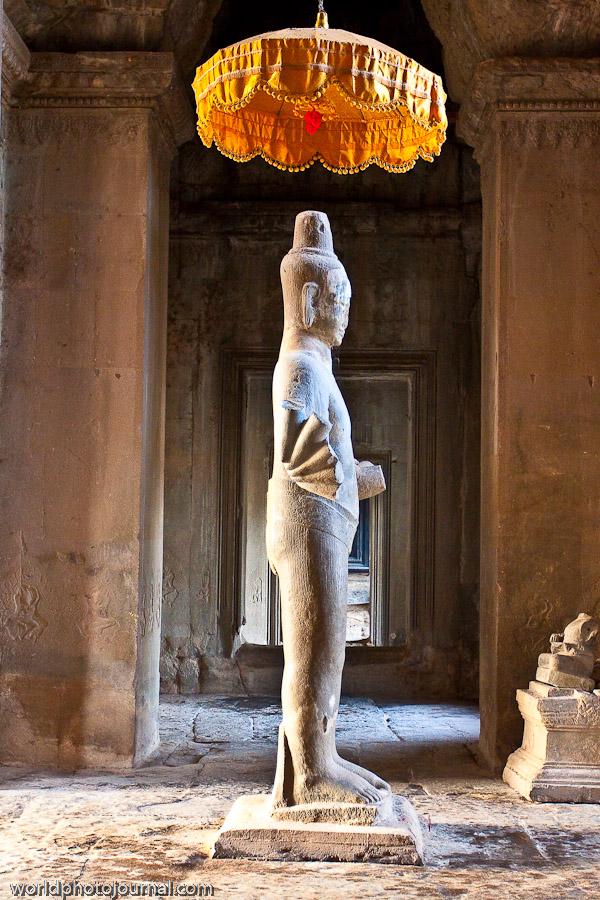
The photograph captures a serene moment within the temple’s interior—a beautifully carved stone statue stands beneath ornate columns, crowned by a vibrant golden parasol cloth draped as an offering. This intimate glimpse reveals the spiritual reverence still observed at this sacred site, where modern devotion coexists with ancient history. The interplay of light filtering through the stone architecture creates an atmosphere of profound tranquility.

Highlights

  • Massive five-tiered temple towers rising 65 meters, representing Mount Meru in Hindu cosmology
  • Extensive bas-relief galleries depicting scenes from Hindu epics, spanning over 800 meters
  • Intricate stone carvings and decorative elements showcasing peak Khmer artistic achievement
  • Serene colonnaded corridors and chambers used for worship and meditation
  • Sacred statue areas where Buddhist offerings and ceremonies continue daily

What to Do

  • Explore the three concentric galleries at sunrise for golden light on ancient stone facades
  • Study the detailed bas-reliefs telling stories of battles, celestial scenes, and daily life
  • Climb to the central tower sanctuary for panoramic views of the entire complex
  • Visit the library structures and dedicated prayer chambers still active with Buddhist devotion
  • Photograph interior colonnades and carved statuary in atmospheric natural lighting
  • Learn about Khmer history at the on-site museum before exploring the ruins

Best Time to Visit

November to February offers the coolest temperatures and best visibility. Avoid the monsoon season (May-October) when humidity is highest. Visit early morning before crowds arrive and heat intensifies.

Getting There

Fly into Siem Reap International Airport, then hire a tuk-tuk or join guided tours to Angkor Archaeological Park, approximately 5-6 km from the city center. Multi-day passes provide access to Angkor Wat and neighboring temple complexes.

Visitor Tips

  • Wear lightweight, breathable clothing and comfortable walking shoes for extensive exploration on uneven stone surfaces
  • Bring plenty of water, sunscreen, and insect repellent for extended temple visits
  • Hire a knowledgeable guide to understand the historical and spiritual significance of carved details
  • Respect active worship areas where monks and locals make Buddhist offerings
  • Photography is permitted in most areas but be considerate of prayer ceremonies and sacred spaces
  • Start exploration early morning to avoid peak heat and large tour groups

Nearby

  • Bayon Temple with its iconic 216 stone face towers
  • Ta Prohm Temple famously overgrown with ancient tree roots
  • Banteay Samre Temple with well-preserved galleries and decorative elements
  • Phnom Bakheng hilltop temple offering sunset views over Angkor complex

Angkor Wat transcends mere architectural wonder—it is a spiritual sanctuary where stone, light, and human devotion converge across centuries. Standing beneath ancient columns with golden offerings suspended overhead, visitors connect with a legacy of extraordinary craftsmanship and enduring faith. Whether you seek historical enlightenment, spiritual reflection, or photographic inspiration, Angkor Wat delivers an unforgettable journey into the heart of Khmer civilization. Plan your pilgrimage today to experience one of humanity’s greatest cultural treasures.

Location Map

Angkor Wat Temple Complex, Siem Reap Cambodia Read More »
The Forbidden City, Historic Imperial Palace Beijing China

The Forbidden City, Historic Imperial Palace Beijing China
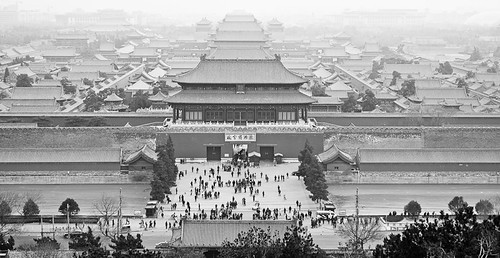
An architectural masterpiece spanning six centuries of Chinese imperial history, viewed majestically from Jingshan Hill.

The Forbidden City stands as one of the world’s largest and best-preserved palace complexes, a testament to the grandeur of ancient Chinese civilization. Built during the Ming Dynasty and home to emperors for nearly 500 years, this UNESCO World Heritage Site encompasses nearly 1,000 buildings arranged in a perfect geometric layout. Viewed from the northern vantage point of Jingshan Hill, the palace reveals its breathtaking scale and architectural symmetry, with layered roofs and intricate details stretching across the imperial landscape. The Forbidden City represents the pinnacle of Chinese architectural achievement, blending artistic beauty with strategic design principles that governed imperial life and governance.

The complex served as the exclusive residence and seat of power for Chinese emperors, hidden from the common people behind massive walls and guarded gates. Every structure, courtyard, and decorative element was designed with purpose, reflecting Confucian principles and imperial cosmology. Today, the palace museum welcomes millions of visitors annually, offering an unparalleled window into the opulence, rituals, and daily operations of the imperial court.

Highlights

  • Gate of Supreme Harmony – the grand entrance ceremonial gateway marking the beginning of imperial authority
  • Hall of Supreme Harmony – the largest building in the complex where major state ceremonies were held
  • The intricate layout of 980 buildings across 72 hectares, each positioned according to feng shui principles
  • Exquisite Ming and Qing Dynasty artifacts, imperial treasures, and artistic masterpieces throughout the museums
  • Panoramic views from Jingshan Hill showing the entire palace complex with traditional tiered roofs against the Beijing skyline

What to Do

  • Walk through the ceremonial pathway from south to north, experiencing the progression from public to private imperial spaces
  • Explore the Six Western Palaces and Six Eastern Palaces where concubines and imperial family members resided
  • Climb Jingshan Hill for breathtaking aerial views of the entire Forbidden City complex
  • Visit the Palace Museum exhibitions showcasing imperial artifacts, calligraphy, paintings, and historical documents
  • Discover the intricate details of garden courtyards, including the Imperial Garden with ancient cypress trees

Best Time to Visit

Spring (April-May) and autumn (September-October) offer pleasant weather and fewer crowds than summer. Winter visits provide fewer tourists and clear views, though temperatures drop significantly.

Getting There

Beijing is served by major international airports. The Forbidden City is located in central Beijing; visitors can take the subway (Line 1 to Tiananmen East or West), taxi, or join organized tours. Jingshan Hill is immediately north, accessible on foot.

Visitor Tips

  • Arrive early in the morning to beat crowds and secure the best photography positions from Jingshan Hill
  • Book tickets online in advance to skip queues and secure entry times, as daily visitor numbers are limited
  • Wear comfortable walking shoes as the complex requires several hours to explore thoroughly
  • Hire a guide or use an audio guide to understand the historical and architectural significance of each section
  • Visit during weekdays rather than weekends for a less crowded experience

Nearby

  • Jingshan Park and Jingshan Hill – perfect vantage point overlooking the entire palace complex
  • Tiananmen Square – China’s largest public plaza and iconic national symbol
  • National Museum of China – comprehensive collection of Chinese art and history
  • Mausoleum of Mao Zedong – historic monument located in Tiananmen Square
  • Temple of Heaven – ancient imperial temple complex south of the city

The Forbidden City represents an irreplaceable archive of human civilization, where centuries of imperial grandeur, artistic achievement, and historical events converge. Standing atop Jingshan Hill, gazing across the geometric perfection of the palace below, you’ll understand why this masterpiece continues to inspire awe in millions of visitors worldwide. Whether you’re a history enthusiast, architecture lover, or cultural explorer, the Forbidden City offers an unforgettable journey into the heart of ancient China’s imperial legacy.

Location Map

The Forbidden City, Historic Imperial Palace Beijing China Read More »

Scroll to Top