travel guide

Abbesses Metro Station, Montmartre Paris France
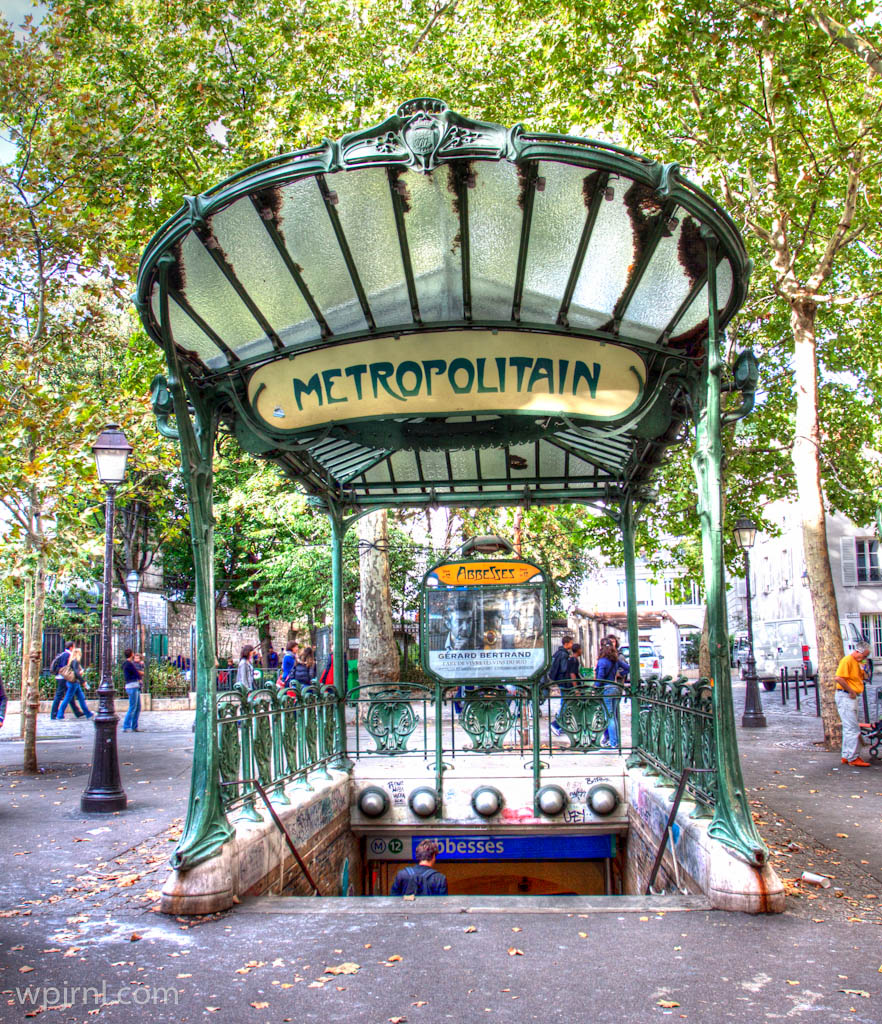
Abbesses Metro Station, Montmartre Paris France
One of Paris’s most iconic Art Nouveau metro entrances, nestled in the charming Montmartre district.

The Abbesses Metro Station is a beloved landmark in the heart of Montmartre, instantly recognizable by its distinctive green Art Nouveau canopy designed by Hector Guimard. This historic entrance exemplifies the Belle Époque architectural style that defines Paris’s metro system. The station sits in one of Paris’s most vibrant and artistic neighborhoods, surrounded by tree-lined streets, cafés, and the creative spirit that has inspired artists for centuries.

Highlights

  • Iconic Art Nouveau canopy with intricate ironwork and glass panels designed by Hector Guimard
  • Located in Montmartre, Paris’s most charming bohemian neighborhood with artistic heritage
  • Surrounded by historic streets, local cafés, and authentic Parisian atmosphere
  • Gateway to nearby attractions including Sacré-Cœur Basilica and Place du Tertre

What to Do

  • Photograph the stunning Art Nouveau architecture and vintage signage of the metro entrance
  • Explore the narrow winding streets of Montmartre surrounding the station
  • Visit nearby cafés and bistros for authentic Parisian dining experiences
  • Walk to Sacré-Cœur Basilica, just minutes away up the Montmartre steps
  • Browse local artist work and galleries throughout the neighborhood

Best Time to Visit

Spring (April-May) and fall (September-October) offer pleasant weather and fewer crowds. Summer brings vibrant energy but more tourists, while autumn leaves enhance the picturesque streets.

Getting There

Access via Line 12 of the Paris Metro. The station is easily reached from central Paris and serves as a starting point for exploring Montmartre on foot.

Visitor Tips

  • Visit early morning or weekday afternoons to capture photos without crowds
  • Wear comfortable walking shoes as Montmartre’s streets are steep and cobblestone
  • Bring a camera to capture the beautiful Art Nouveau details and neighborhood charm
  • The neighborhood is best explored on foot to discover hidden gems and local spots

Nearby

  • Sacré-Cœur Basilica – stunning white basilica at the top of Montmartre
  • Place du Tertre – historic square filled with local artists and galleries
  • Musée de Montmartre – museum dedicated to the area’s artistic heritage
  • Le Consulat Café – iconic café featured in numerous films

The Abbesses Metro Station stands as a portal to one of Paris’s most enchanting neighborhoods. Whether you’re a photography enthusiast captivated by its Art Nouveau elegance or a traveler seeking authentic Parisian charm, this iconic entrance invites you to descend into history and ascend into the creative heart of Montmartre. Experience the magic that has drawn artists and dreamers to these streets for generations.

Location Map

Abbesses Metro Station, Montmartre Paris France Read More »
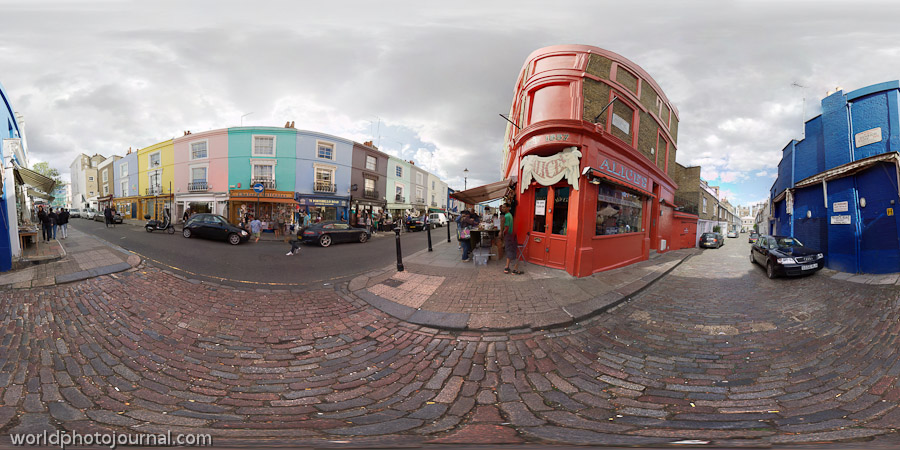
Notting Hill Street Corner, London England

Notting Hill Street Corner, London England
A vibrant bohemian neighborhood famous for its colorful Victorian townhouses, street art, and eclectic culture.

Notting Hill is one of London’s most picturesque and characterful neighborhoods, celebrated for its distinctive pastel-colored terraced houses, independent boutiques, and creative spirit. The area has evolved from a working-class district into an upscale residential and shopping destination while retaining its artistic edge and community charm. This 360-degree panorama captures the essence of the neighborhood with its iconic red telephone box, rainbow-hued buildings, and bustling street life that draws visitors and locals alike.

Highlights

  • Colorful Victorian and Edwardian architecture painted in pastel shades
  • Portobello Road Market featuring antiques, vintage clothing, and collectibles
  • Independent shops, cafes, and galleries showcasing local artists and designers
  • The famous red British telephone box, an iconic street landmark
  • Historic streets with thriving street culture and community events

What to Do

  • Browse Portobello Road Market on weekends for antiques and vintage finds
  • Explore independent boutiques and local designer shops throughout the neighborhood
  • Visit art galleries and street art installations celebrating local creativity
  • Enjoy brunch or coffee at one of the many indie cafes and restaurants
  • Photograph the colorful buildings and street scenes that define the area

Best Time to Visit

Late spring through early autumn (May-September) offers pleasant weather and vibrant street life, while the Notting Hill Carnival in August brings Caribbean culture and music to the streets.

Getting There

Accessible via the London Underground (District, Circle, and Central lines serve nearby stations). Portobello Road and surrounding streets are walkable from Notting Hill Gate station.

Visitor Tips

  • Visit Portobello Road on Saturday for the full market experience with antiques and vintage goods
  • Wear comfortable walking shoes as the neighborhood is best explored on foot
  • The streets can get crowded on weekends, especially during market hours and carnival season
  • Mix of high-end boutiques and affordable independent shops cater to all budgets
  • Photography lovers will find endless picturesque corners and colorful building facades

Nearby

  • Portobello Road Market
  • Leighton House Museum
  • The Electric Cinema, London’s oldest operating cinema
  • Holland Park with its Japanese gardens and open-air opera venue
  • Kensington Palace and Gardens

Notting Hill embodies the creative, colorful spirit of modern London while honoring its bohemian heritage. Whether you’re hunting for vintage treasures at Portobello Road, sipping espresso at a neighborhood cafe, or simply admiring the kaleidoscopic Victorian architecture, Notting Hill offers an authentic London experience that captivates visitors and celebrates individuality. Come discover why this neighborhood has captured hearts and inspired artists, writers, and dreamers for generations.

Location Map

Notting Hill Street Corner, London England Read More »
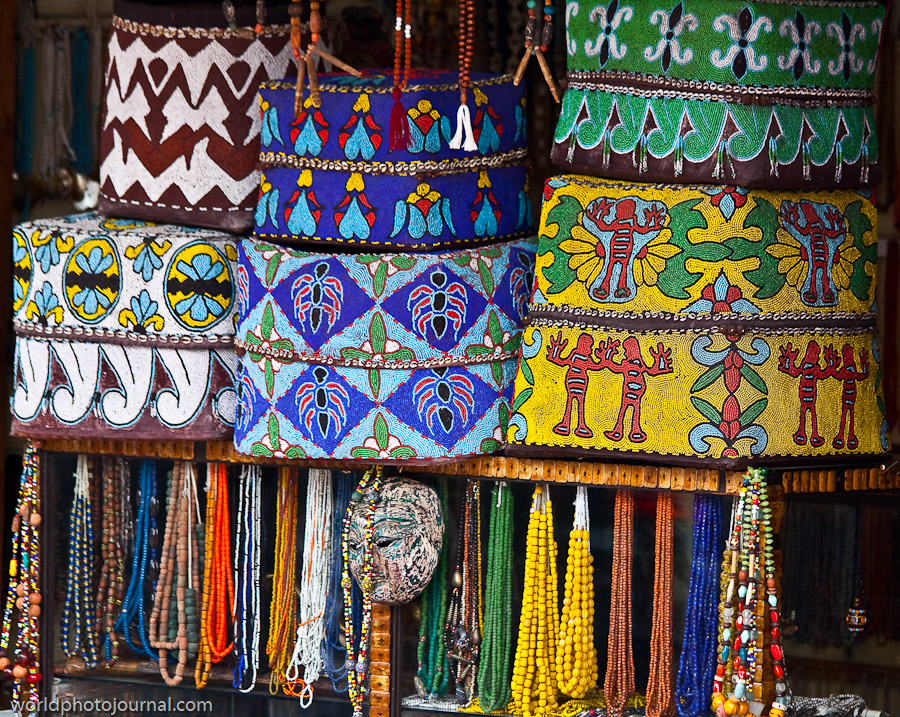
Ubud Crafts Store, Ubud Streets, Bali, Indonesia

Ubud Crafts Store, Ubud Streets, Bali, Indonesia
A vibrant marketplace showcase of traditional Balinese textiles, beads, and handcrafted cultural treasures

Ubud’s streets are lined with enchanting craft stores that capture the essence of Balinese artistry and tradition. This particular storefront exemplifies the region’s dedication to preserving and celebrating traditional craftsmanship, displaying an impressive array of handwoven ribbons, ceremonial textiles, and decorative beads. The intricate patterns and vibrant colors reflect centuries of cultural heritage, making these stores essential destinations for travelers seeking authentic souvenirs and insight into local artisanal practices. Every item tells a story of skilled craftspeople who have perfected their techniques across generations.

Highlights

  • Hand-woven textile ribbons with traditional Balinese motifs in rich jewel tones and earth colors
  • Ceremonial beaded necklaces and strings in every color imaginable, from deep blues to bright yellows
  • Intricately patterned decorative fabrics featuring iconic Balinese designs and symbols
  • Authentic crafts directly from local artisans, supporting traditional manufacturing methods

What to Do

  • Browse and select from hundreds of traditional textile patterns for clothing, home décor, or cultural gifts
  • Interact with shop owners to learn about the meaning and history behind specific designs and motifs
  • Shop for beaded jewelry and accessories made with natural materials
  • Photograph the vibrant displays that showcase Bali’s artistic heritage

Best Time to Visit

April to October during the dry season when weather is pleasant and ideal for exploring outdoor markets

Getting There

Ubud is centrally located in Bali, accessible by car from Denpasar Airport (about 1.5 hours) or by local shuttle services. The main streets of Ubud are pedestrian-friendly and easy to navigate on foot.

Visitor Tips

  • Arrive early in the day for the best selection before popular items sell out
  • Don’t hesitate to negotiate prices politely; bargaining is customary in these markets
  • Bring cash in Indonesian Rupiah, as not all small shops accept credit cards
  • Take time to chat with vendors about their products—they often have fascinating stories about the craftsmanship

Nearby

  • Ubud Traditional Market (Pasar Ubud)
  • Tegallalang Rice Terraces
  • Ubud Palace (Puri Saren Agung)
  • Campuhan Ridge Walk

The craft stores of Ubud’s streets offer more than just beautiful souvenirs—they provide a genuine window into Balinese culture and the enduring traditions of Indonesian artisans. Whether you’re seeking a special gift, home décor piece, or simply wish to connect with local craftsmanship, these vibrant marketplaces deliver an unforgettable shopping experience that supports communities and preserves cultural heritage.

Location Map

Ubud Crafts Store, Ubud Streets, Bali, Indonesia Read More »
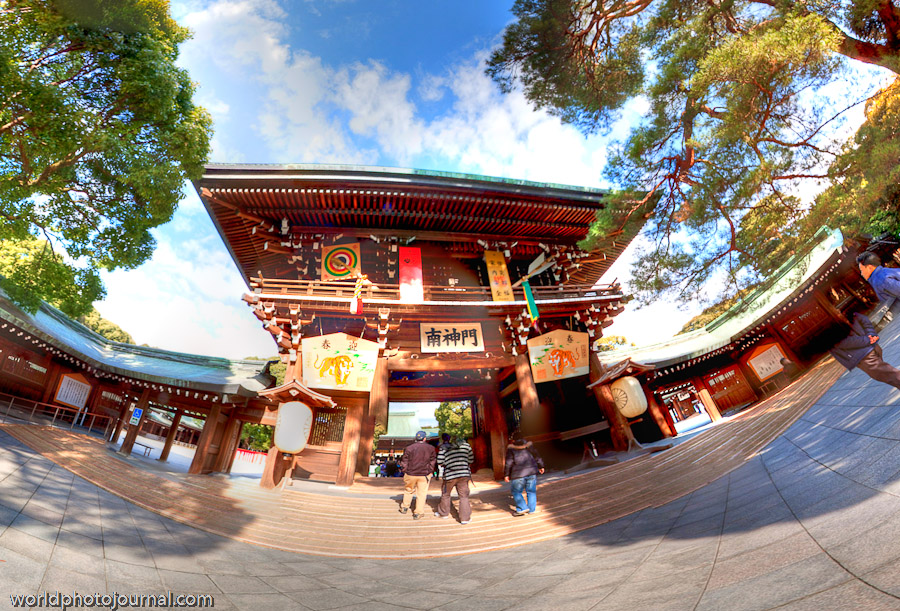
Meiji Shrine Gate, Tokyo Japan

Meiji Shrine Gate, Tokyo Japan
One of Japan’s most important Shinto shrines, nestled in a serene forested sanctuary in the heart of Tokyo.

Meiji Shrine stands as a magnificent tribute to Emperor Meiji, one of Japan’s most revered historical figures. Located in the lush Yoyogi Forest in Tokyo’s Shibuya district, this sacred Shinto shrine attracts millions of visitors annually who come to experience its spiritual tranquility and architectural beauty. The shrine was built in 1920 and remains one of Japan’s most important pilgrimage sites, offering visitors a chance to step away from the bustling city and into a world of peaceful contemplation.

The approach to the shrine is marked by towering torii gates and tree-lined pathways that wind through the pristine forest, creating an atmosphere of reverence and calm. The wooden architecture, with its distinctive curved rooflines and traditional craftsmanship, exemplifies classical Japanese temple design. Every element, from the lanterns to the decorative panels, tells a story of Japanese culture and spirituality.

Whether you visit during the serene morning hours or during one of the shrine’s vibrant festivals, Meiji Shrine offers an authentic glimpse into Japanese spiritual traditions and the nation’s deep respect for nature and history.

Highlights

  • Grand wooden torii gates and forest pathways leading to the shrine’s main halls
  • Stunning traditional Japanese architecture with green copper roofing and intricate wooden details
  • Sacred Yoyogi Forest surrounding the shrine, offering peaceful nature walks and meditation spaces
  • Meiji Shrine Museum showcasing imperial artifacts, imperial regalia, and historical exhibits
  • Seasonal festivals and cultural events throughout the year, including traditional tea ceremonies

What to Do

  • Walk through the iconic torii gates and peaceful forest paths to the main shrine
  • Participate in traditional Shinto rituals such as purification and offering prayers
  • Explore the museum to learn about Emperor Meiji’s life and influence on modern Japan
  • Attend seasonal festivals and celebrations featuring traditional music, dance, and ceremonies
  • Relax in the surrounding Yoyogi Park and enjoy nature walks among ancient trees

Best Time to Visit

Spring (March-May) and autumn (September-November) offer pleasant weather and stunning seasonal beauty. New Year’s (January 1-3) is the busiest period with lively celebrations. Avoid humid summer months and consider visiting early morning to enjoy a quieter, more contemplative experience.

Getting There

The shrine is easily accessible via Tokyo’s extensive train network. Take the JR Yamanote Line to Harajuku Station or Meiji-Jingumae Station on the Chiyoda/Fukutoshin Lines. From Harajuku Station, it’s a 10-minute walk through the forest to the main shrine.

Visitor Tips

  • Arrive early in the morning (before 9 AM) for a more serene and less crowded experience
  • Dress respectfully and remove shoes when entering shrine buildings; wear comfortable walking shoes for forest paths
  • Bring yen coins (5 and 50 yen) and small bills for purification and offering rituals
  • Photography is generally allowed, but be respectful of the sacred spaces and other visitors
  • The forest paths are well-maintained but can be muddy after rain—wear appropriate footwear

Nearby

  • Yoyogi Park—expansive green space perfect for picnicking and relaxation
  • Harajuku’s Takeshita Street—famous shopping district known for youth fashion and trendy cafes
  • Omotesando—Tokyo’s ‘Champs-Élysées’ lined with luxury boutiques and flagship stores
  • Shinjuku—vibrant entertainment district with shopping, dining, and nightlife

Meiji Shrine represents the spiritual heart of Tokyo, offering visitors a profound connection to Japanese culture and history. Whether you seek solace in nature, wish to participate in sacred traditions, or simply desire an escape from urban hustle, this extraordinary shrine welcomes you. Step through those magnificent gates and discover why millions of pilgrims and travelers consider Meiji Shrine an essential experience that captures the essence of Japan’s enduring beauty and spiritual legacy.

Location Map

Meiji Shrine Gate, Tokyo Japan Read More »
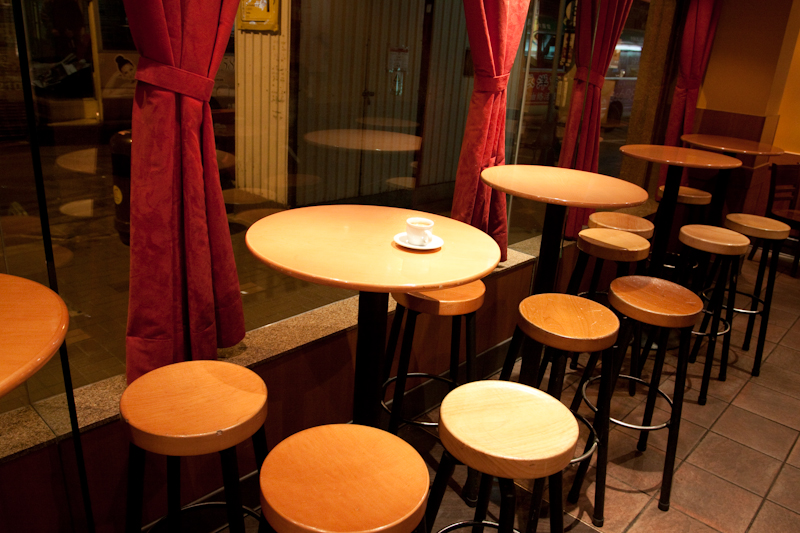
Starbucks Coffee Kowloon, Hong Kong

Starbucks Coffee Kowloon, Hong Kong
A stylish modern café in Kowloon offering the quintessential Starbucks experience with elegant seating and Hong Kong’s vibrant urban atmosphere.

Starbucks Coffee in Kowloon represents the global coffee culture’s successful integration into Hong Kong’s bustling urban landscape. This contemporary café features sophisticated interior design with warm wooden furniture, distinctive red velvet curtains, and ambient lighting that creates an inviting atmosphere for both work and leisure. The spacious seating arrangement with high-top tables and stools accommodates various visitor preferences, from solo travelers needing a quiet workspace to small groups meeting for conversation.

Located in one of Hong Kong’s most vibrant districts, this Starbucks outlet serves as both a destination for coffee enthusiasts and a comfortable refuge from the energy of Kowloon’s streets. The café’s thoughtful design balances modern minimalism with warm touches, making it a popular spot for locals and tourists alike seeking quality coffee and a pleasant environment.

Whether you’re exploring Kowloon or seeking a comfortable place to settle with your morning brew, this Starbucks location offers the reliability and aesthetic appeal that the brand is known for, combined with the unique character of Hong Kong’s hospitality culture.

Highlights

  • Elegant modern interior with distinctive red velvet curtains and ambient warm lighting
  • Spacious seating with diverse table configurations including high-top bar stools and traditional round tables
  • Prime Kowloon location offering convenient access to major shopping and business districts
  • Premium coffee selection and Starbucks menu offerings with professional barista service

What to Do

  • Enjoy quality espresso drinks and specialty beverages in a comfortable, modern setting
  • Work or study with reliable WiFi in a quiet, professionally designed environment
  • Meet friends or colleagues for casual gatherings at the various seating arrangements
  • Experience Hong Kong’s café culture while taking a break from exploring Kowloon

Best Time to Visit

Early mornings (7-9 AM) for a quieter experience with fresh pastries, or afternoons (2-4 PM) when the café offers a more relaxed atmosphere away from peak hours.

Getting There

Easily accessible via Kowloon’s extensive MTR (Mass Transit Railway) network. Most Kowloon Starbucks locations are within walking distance of major MTR stations including Tsim Sha Tsui, Jordan, or Mong Kok depending on the specific outlet.

Visitor Tips

  • Arrive early morning for the best selection of freshly baked pastries and quieter seating
  • High-top tables are ideal for quick visits, while round tables suit longer stays
  • The café provides excellent WiFi, making it suitable for remote work or studying
  • Peak hours (lunch and after-work times) can get crowded; visit during off-peak for a more relaxed experience
  • Cash and card payments accepted; Starbucks card or mobile payment options available

Nearby

  • Tsim Sha Tsui waterfront and Victoria Harbour viewpoints
  • Hong Kong Museum of History and Museum of Art
  • Kowloon’s famous street markets (Temple Street Night Market, Ladies’ Market)
  • Shopping districts along Nathan Road and Mong Kok

A visit to Starbucks Coffee in Kowloon offers more than just exceptional coffee—it’s an opportunity to experience how global brands have woven themselves into Hong Kong’s local fabric. Whether you’re a coffee connoisseur, digital nomad, or casual traveler, this thoughtfully designed café provides the perfect backdrop for your Kowloon adventure. Come for the coffee, stay for the experience of Hong Kong’s vibrant café culture.

Location Map

Starbucks Coffee Kowloon, Hong Kong Read More »

Albayzín Historic Neighborhood, Granada Spain

Albayzín Historic Neighborhood, Granada Spain
A mesmerizing maze of whitewashed medieval streets cascading down a hillside, offering breathtaking views of the Alhambra and timeless Moorish charm.

The Albayzín is Granada’s most enchanting district, a UNESCO World Heritage site that transports visitors back centuries with its labyrinthine streets, traditional carmen houses with hidden gardens, and authentic Moorish architecture. Perched dramatically on a hillside overlooking the city, this ancient neighborhood showcases white-washed buildings stacked upon one another, creating a striking visual tapestry visible from the Alhambra palace above. The quarter’s rich history reflects centuries of cultural fusion, blending Arab, Jewish, and Spanish influences into a uniquely captivating atmosphere that feels frozen in time yet vibrant with modern life.

Wandering through the Albayzín’s winding pathways reveals hidden plazas, traditional tea houses, artisan workshops, and family-run restaurants serving authentic Andalusian cuisine. The neighborhood pulses with creative energy, attracting artists, musicians, and travelers seeking an authentic Granada experience away from tourist crowds. Every corner offers postcard-worthy views, particularly during golden hour when the warm light bathes the historic buildings in ethereal beauty.

Highlights

  • Spectacular panoramic views of the Alhambra palace and snow-capped Sierra Nevada mountains from multiple viewpoints including Mirador de San Nicolás
  • Authentic Moorish architecture featuring whitewashed carmen houses with secret gardens, traditional courtyards, and ornate tilework
  • Vibrant cultural scene with independent galleries, bohemian cafés, traditional hammams (Turkish baths), and live flamenco venues

What to Do

  • Explore the winding cobblestone streets on foot, getting deliberately lost to discover hidden plazas and neighborhood gems
  • Watch sunset from Mirador de San Nicolás for unobstructed views of the Alhambra bathed in golden light
  • Visit traditional tea houses and tapas bars for authentic Andalusian cuisine and local culture
  • Browse artisan shops selling ceramics, textiles, jewelry, and local crafts created by resident artists
  • Experience a traditional hammam (Turkish bath) for relaxation and cultural immersion

Best Time to Visit

Late spring (May-June) or early fall (September-October) offer pleasant weather, fewer crowds than summer, and ideal photography light. Winter brings atmospheric mist and fewer tourists, while summer is vibrant but very crowded.

Getting There

Granada is easily reached by bus, train, or flight from major Spanish cities. From Granada’s city center, the Albayzín is accessible via steep walking paths or local buses. Most visitors park in the lower city and explore on foot.

Visitor Tips

  • Wear comfortable walking shoes—the narrow streets involve significant uphill and downhill terrain
  • Visit early morning or late afternoon to avoid peak crowds and enjoy better photography light
  • Bring water and snacks; while there are cafés throughout, some areas lack immediate amenities
  • Respect residents’ privacy in residential areas; this is a living neighborhood, not just a museum
  • Learn a few Spanish phrases; locals appreciate the effort and English is less common here than in tourist zones

Nearby

  • Alhambra Palace—the stunning Moorish fortress and palace complex directly overlooking the Albayzín
  • Granada Cathedral and Royal Chapel—impressive Renaissance architecture in the city center
  • Monastery of San Jerónimo—beautiful religious architecture with peaceful gardens
  • Arab Baths (Hammam Al-Andalus)—authentic traditional bathing experience in the Albayzín

The Albayzín is more than a tourist destination—it’s a living, breathing testament to Granada’s multicultural heritage and artistic spirit. As you wander its atmospheric streets, sipping mint tea in a hidden plaza or watching the Alhambra glow at sunset, you’ll understand why this neighborhood has captivated visitors for centuries. Whether you’re a history enthusiast, artist, foodie, or simply a traveler seeking authentic experiences, the Albayzín invites you to slow down, explore freely, and discover the magic that makes Granada unforgettable.

Location Map

Albayzín Historic Neighborhood, Granada Spain Read More »

Scroll to Top