coral reef

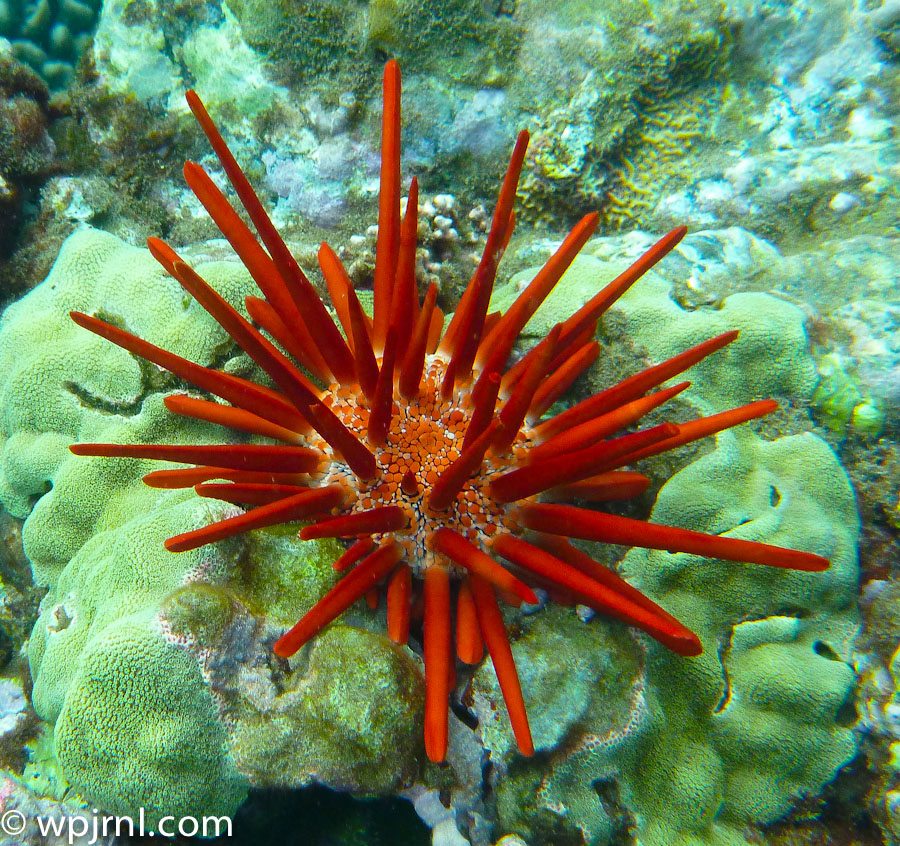
Red Pencil Urchin, Coral Reef Ecosystem
Red Pencil Urchin, Coral Reef Ecosystem
Discover the vibrant red pencil urchin, a stunning spiky inhabitant of tropical coral reefs.

The red pencil urchin is a remarkable marine creature found in shallow coral reef environments across tropical and subtropical oceans. With its distinctive long, slender red spines radiating outward like a sea urchin’s crown, this creature is a favorite subject for underwater photographers and marine enthusiasts. These echinoderms play an important role in reef ecosystems, grazing on algae and detritus while adding a splash of brilliant color to the underwater landscape.

Observing red pencil urchins in their natural habitat offers a glimpse into the incredible biodiversity of coral reefs. These spiny creatures are typically found clinging to coral heads and rocky surfaces, their bright red coloring serving as a warning to potential predators. Snorkeling or diving in areas with healthy coral populations provides the best opportunity to encounter these magnificent sea urchins.

Coral reefs are among the most biodiverse ecosystems on Earth, and the red pencil urchin is just one of countless fascinating species that call these underwater gardens home. Visiting these reefs supports marine conservation efforts and raises awareness about the importance of protecting these fragile environments.

Highlights

  • Vibrant red coloring with long, slender spines extending radially
  • Natural habitat among healthy coral formations and reef structures
  • Important role in reef ecology through algae grazing behavior
  • Excellent subject for underwater photography and marine observation

What to Do

  • Snorkel or scuba dive to observe red pencil urchins in their natural coral reef habitat
  • Participate in guided reef tours with marine biologists to learn about urchin behavior and ecology
  • Photograph these stunning creatures while respecting safe distance and reef conservation guidelines
  • Explore the surrounding coral reef ecosystem to understand species interactions and biodiversity

Best Time to Visit

Year-round in tropical regions, with optimal visibility during dry seasons (typically November to April in many locations). Water temperature and clarity vary by specific reef location.

Getting There

Red pencil urchins are found in coral reefs worldwide. Access them via snorkeling or diving excursions from coastal destinations in the Caribbean, Indo-Pacific, Red Sea, and other tropical reef areas. Book with certified dive operators or snorkeling tour companies.

Visitor Tips

  • Maintain a safe distance and avoid touching urchins to prevent spine injuries and reef damage
  • Use reef-safe sunscreen to protect coral ecosystems
  • Hire experienced local guides familiar with reef species and conservation practices
  • Visit during times of good water visibility for the best underwater photography

Nearby

  • Other coral reef marine life including sea stars, fish, and anemones
  • Coral formations and reef structures of varying colors and sizes
  • Beach and coastal areas near reef access points

The red pencil urchin embodies the beauty and complexity of coral reef ecosystems. By visiting these underwater worlds responsibly, you contribute to marine conservation awareness and support the protection of one of Earth’s most precious natural wonders. Dive into the vibrant colors and fascinating biodiversity of coral reefs today.

Location Map

Red Pencil Urchin, Coral Reef Ecosystem Read More »

Cleaner Shrimp in Action HD — Fascinating Marine Life Documentary of Nature’s Underwater Healers

Watch in stunning HD as cleaner shrimp perform their remarkable symbiotic dance on the coral reef floor, meticulously grooming fish and maintaining the ocean’s delicate ecosystem.
Beneath the surface of our world’s most vibrant coral reefs exists a fascinating microcosm of interdependence and survival. This captivating HD video takes viewers on an intimate journey into the underwater realm, showcasing one of nature’s most elegant examples of symbiosis: the cleaner shrimp. These diminutive crustaceans, adorned in striking red and white stripes, are nature’s tireless attendants of the deep, removing parasites, dead skin, and debris from fish far larger than themselves. What makes this documentary-style footage so compelling is its raw authenticity—captured in pristine high definition, every delicate movement of the shrimp’s antennae and legs becomes a testament to millions of years of evolutionary refinement. This is not just a video; it’s a window into a world most of us will never experience firsthand, yet desperately need to understand and protect.

Video Highlights

  • Stunning HD close-ups of the cleaner shrimp’s intricate anatomy and distinctive red coloring
  • Real-time demonstration of the shrimp’s cleaning behavior and symbiotic relationship with reef fish
  • Detailed observation of the shrimp’s antennae and delicate leg movements during feeding
  • Natural coral reef environment showcasing the shrimp’s habitat and ecological role

What to Expect

  • Breathtaking high-definition footage of cleaner shrimp navigating the sandy reef floor
  • Up-close views of the shrimp’s remarkable interaction with larger fish species
  • Insight into how these tiny creatures maintain the health of coral reef ecosystems
  • Peaceful, immersive ocean footage that highlights the beauty of marine biodiversity

Location

If you’ve ever wondered about the hidden wonders of our oceans and the incredible relationships that sustain marine life, this HD video is an absolute must-watch. The cleaner shrimp may be small, but their role in maintaining healthy coral reefs is enormous. Take a moment to appreciate these remarkable creatures and the fragile ecosystems they call home.

Cleaner Shrimp in Action HD — Fascinating Marine Life Documentary of Nature’s Underwater Healers Read More »

Blue Carpet Coral Reef, Underwater Marine Sanctuary

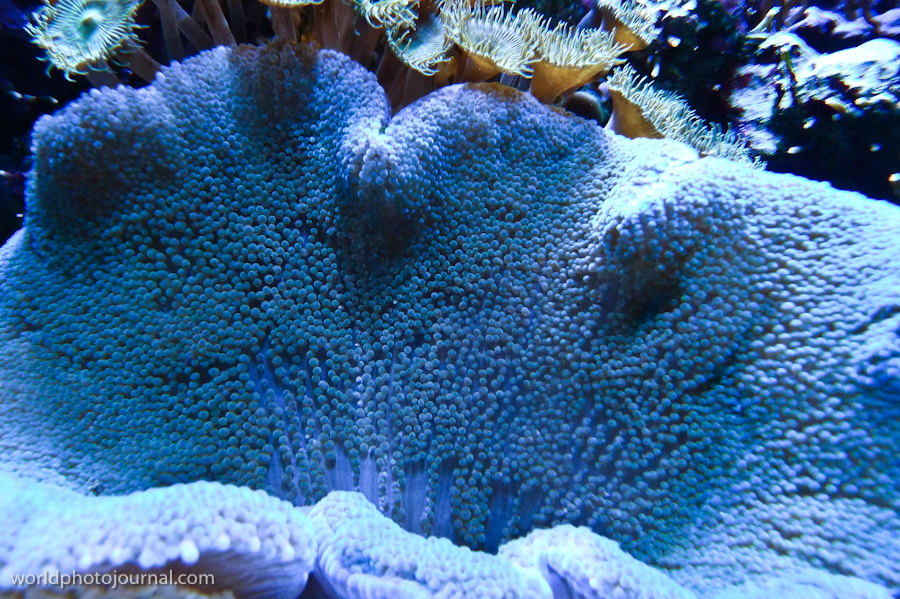
Blue Carpet Coral Reef, Underwater Marine Sanctuary
A stunning underwater carpet of vibrant blue coral polyps creates one of nature’s most mesmerizing living tapestries.

Beneath the ocean’s surface lies a world of extraordinary beauty, where massive coral colonies thrive in brilliant shades of electric blue. The ‘blue carpet’ is a breathtaking display of countless tiny coral polyps densely packed together, creating a soft, textured landscape that seems almost otherworldly when illuminated by underwater lighting. This living ecosystem represents the intricate balance of marine life, showcasing how individual organisms work together to form some of the planet’s most vibrant biological communities. The mesmerizing blue hues indicate healthy, thriving coral that provides essential habitat for countless marine species.

Highlights

  • Dense carpet of electric blue coral polyps stretching across the reef structure
  • Vibrant bioluminescent appearance when photographed under specialized lighting
  • Surrounding branching corals and anemones creating a multi-layered ecosystem
  • Crystal-clear water visibility revealing intricate coral polyp details

What to Do

  • Scuba dive to observe the coral colony up close and photograph its intricate textures
  • Snorkel at shallower depths to see the coral carpet from above
  • Study marine biodiversity living among and within the coral structure
  • Time your visit to capture the coral’s natural fluorescence in blue light

Best Time to Visit

Year-round, though water clarity and coral fluorescence are often best during calm, clear seasons with optimal underwater lighting conditions

Getting There

Access to coral reefs requires boat tours or liveaboard diving expeditions from coastal cities; popular reef diving destinations include the Great Barrier Reef, Caribbean reefs, and Red Sea dive sites

Visitor Tips

  • Always dive with certified operators and follow reef conservation protocols
  • Avoid touching or damaging coral — use proper buoyancy control and stay at safe distances
  • Bring underwater cameras with blue/UV lighting to capture the coral’s vibrant colors
  • Wear reef-safe sunscreen and appropriate wetsuits for protection

Nearby

  • Other coral formations and reef ecosystems
  • Kelp forests and seagrass meadows
  • Deep-sea trenches and open ocean habitats

The blue carpet coral stands as a testament to the ocean’s hidden majesty and the delicate ecosystems that depend on healthy coral reefs. Whether you’re an experienced diver or an ocean enthusiast, witnessing this living masterpiece firsthand is an unforgettable reminder of why our oceans deserve protection and respect. Plan your diving adventure today to experience the wonder of these vibrant underwater worlds.

Location Map

Blue Carpet Coral Reef, Underwater Marine Sanctuary Read More »
Coral Reef Ecosystem, Tropical Ocean Waters

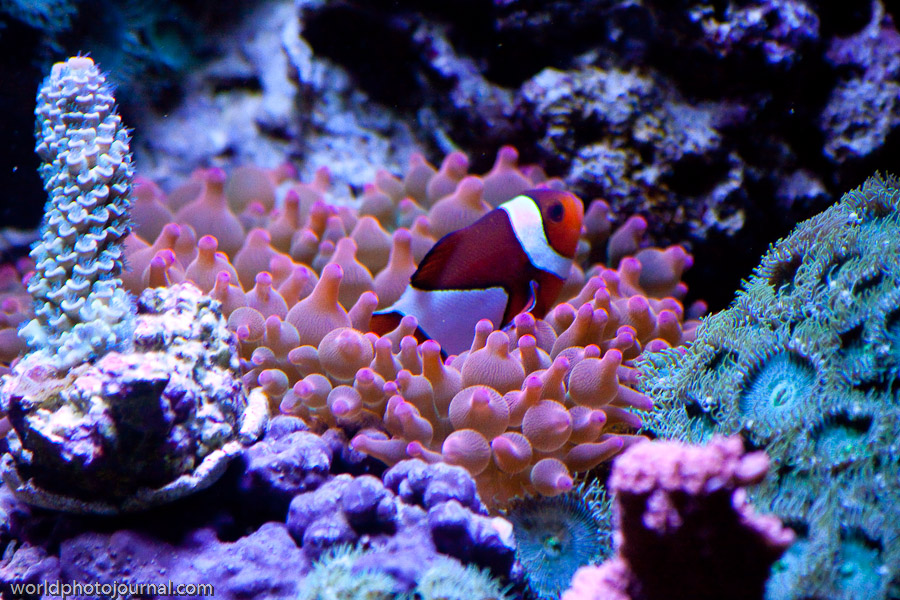
Coral Reef Ecosystem, Tropical Ocean Waters
Witness the vibrant underwater world where clownfish and sea anemones thrive in a dazzling display of marine biodiversity.

Coral reefs represent some of Earth’s most spectacular and biodiverse ecosystems, teeming with colorful fish, intricate coral formations, and fascinating symbiotic relationships. This underwater realm showcases the delicate balance of marine life, where iconic clownfish nestle safely within the tentacles of host anemones—particularly the Red and Black Tree Anemone (RBTA). These living gardens of the sea are found in tropical and subtropical waters around the globe, creating a mesmerizing landscape of blues, purples, and vibrant corals that captivates divers and snorkelers alike. The interplay of light filtering through the water illuminates countless species in their natural habitat, offering an unforgettable glimpse into one of nature’s most remarkable environments.

Highlights

  • Clownfish and anemone symbiosis—a remarkable example of marine mutualism
  • Stunning biodiversity with hundreds of coral species and thousands of fish varieties
  • Vibrant colors enhanced by natural reef lighting and bioluminescence
  • Complex coral structures providing shelter and breeding grounds for marine life
  • Critical ecosystem supporting global marine food webs

What to Do

  • Scuba dive or snorkel to observe clownfish in their natural anemone homes
  • Photograph the intricate details of coral formations and colorful reef inhabitants
  • Learn about coral conservation and the impacts of climate change on reefs
  • Explore different reef zones from shallow lagoons to deep drop-offs
  • Participate in reef restoration and monitoring programs

Best Time to Visit

Dry season months (typically November to April in Northern Hemisphere reefs) offer the calmest waters, best visibility, and most comfortable diving conditions.

Getting There

Access to coral reefs varies by location. Popular reef destinations include the Great Barrier Reef (Australia), Maldives, Caribbean islands, Southeast Asia, and the Red Sea. Most are reached via boat tours, liveaboard diving vessels, or shore-based diving operations.

Visitor Tips

  • Wear reef-safe sunscreen to protect coral ecosystems from harmful chemicals
  • Maintain proper buoyancy control to avoid damaging coral during diving or snorkeling
  • Never touch or stand on coral—it damages polyps and interrupts their feeding
  • Book with certified operators who follow sustainable tourism practices
  • Respect wildlife and maintain a safe distance from all marine creatures

Nearby

  • Tropical island destinations and beach resorts near major reef systems
  • Marine research centers and aquariums dedicated to reef education
  • Coastal villages offering authentic local culture and cuisine
  • Secondary reef sites and alternative diving locations within the same region

Coral reefs are living treasures that demand our admiration and protection. Whether you’re an experienced diver or a curious snorkeler, witnessing the vibrant interaction between clownfish and their host anemones in a thriving reef ecosystem is an experience that will forever deepen your appreciation for the ocean’s wonders. Visit these magical underwater worlds responsibly and become an advocate for reef conservation.

Location Map

Coral Reef Ecosystem, Tropical Ocean Waters Read More »
Coral Reef Aquarium Display, Marine Aquarium Installation

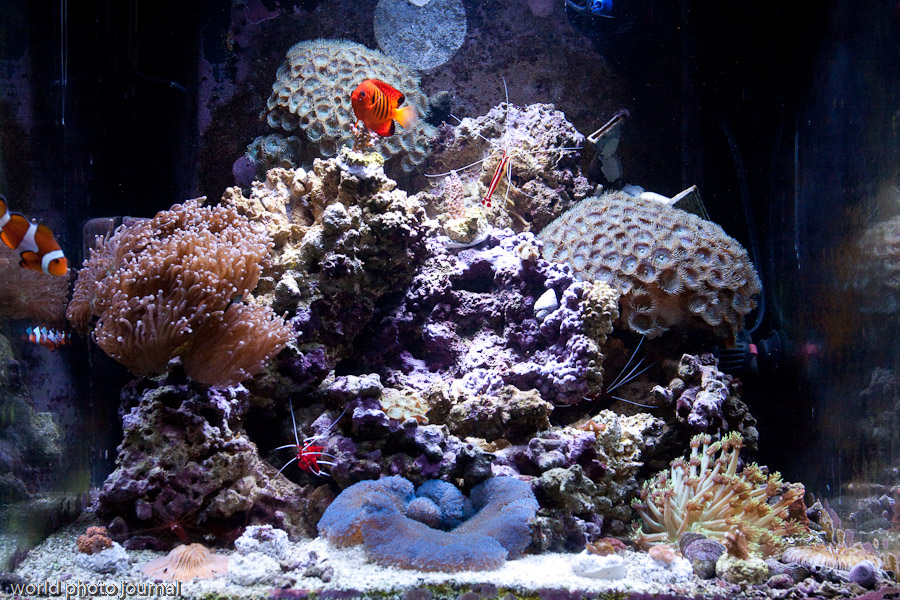
Coral Reef Aquarium Display, Marine Aquarium Installation
A vibrant underwater ecosystem showcasing thriving corals, tropical fish, and marine biodiversity in a professionally maintained reef environment.

This stunning coral reef aquarium represents a carefully curated marine habitat that demonstrates the beauty and complexity of ocean ecosystems. The display features a diverse collection of hard and soft corals, colorful tropical fish species including clownfish, and various invertebrates thriving under specialized LED lighting. The aquarium showcases professional aquaculture techniques and the delicate balance required to maintain a healthy reef system in captivity.

Highlights

  • Diverse coral collection including brain corals, anemones, and branching corals in various colors
  • Vibrant tropical fish species such as orange clownfish and striped reef fish
  • Professional Solana pendant LED lighting system providing optimal spectrum for coral health
  • Living rock formations creating natural habitat structures for marine life
  • Red and white cleaner shrimp visible among the coral formations

What to Do

  • Observe the symbiotic relationships between clownfish and host anemones
  • Study the different coral species and their individual characteristics
  • Watch the behavior of various tropical fish species in their reef environment
  • Learn about marine conservation and reef sustainability efforts
  • Photograph the vibrant colors and intricate details of the coral ecosystem

Best Time to Visit

During daylight hours when LED lighting is optimally set to showcase coral colors and fish activity; visiting in afternoon provides best lighting conditions for observation

Getting There

Located within an aquarium facility; check facility hours and admission requirements

Visitor Tips

  • Allow time to observe the same area multiple times to spot different fish behaviors
  • Read information placards about each coral species and their care requirements
  • Avoid tapping on glass or shining bright lights that may stress the marine life
  • Visit during quieter hours for better observation and photography opportunities

Nearby

  • Other aquarium tank displays
  • Marine education center exhibits
  • Visitor facilities and marine gift shop

This remarkable coral reef aquarium offers a window into one of Earth’s most biodiverse ecosystems, demonstrating the wonder of marine life and the importance of reef conservation. Whether you’re a marine enthusiast, aquarium hobbyist, or casual visitor, this display provides unforgettable insights into the underwater world and inspires appreciation for ocean preservation.

Location Map

Coral Reef Aquarium Display, Marine Aquarium Installation Read More »
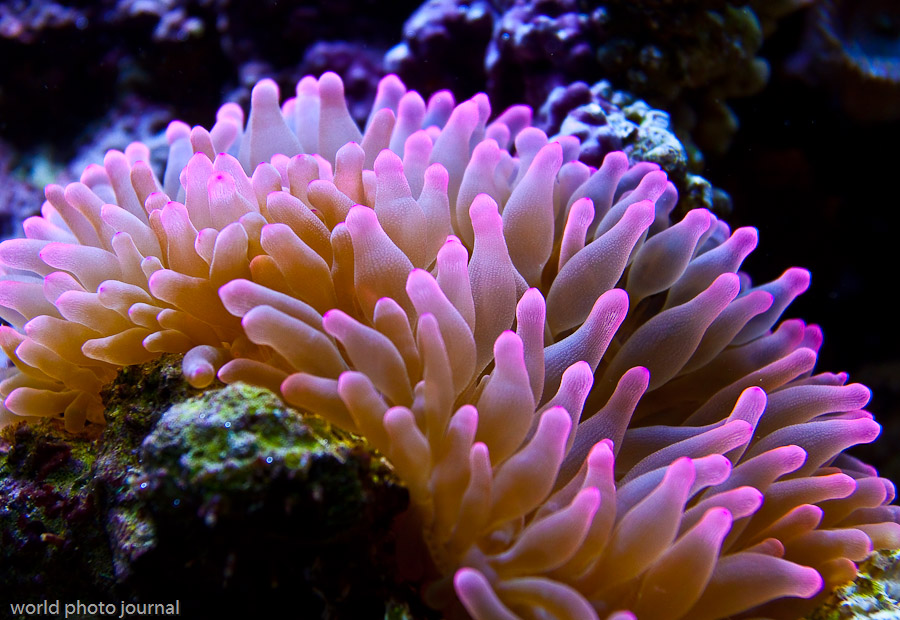
Coral Reef Marine Ecosystem, Tropical Oceans Worldwide

Coral Reef Marine Ecosystem, Tropical Oceans Worldwide
Explore the vibrant underwater world of coral reefs, home to some of Earth’s most colorful and biodiverse ecosystems.

Coral reefs represent some of the most spectacular and biodiverse ecosystems on our planet, thriving in warm tropical and subtropical waters. These underwater gardens are built by tiny colonial animals called coral polyps, which create intricate structures that support thousands of marine species. The RBTA, or Red and Black Tree Anemone, is just one of the countless fascinating creatures that call coral reefs home, displaying remarkable colors and adaptations that make these places truly magical destinations for divers and marine enthusiasts.

Highlights

  • Stunning biodiversity with thousands of fish, invertebrate, and plant species in one ecosystem
  • Vibrant colors and intricate coral formations that create an alien landscape beneath the waves
  • Symbiotic relationships between corals and anemones that showcase nature’s complexity
  • Bioluminescent creatures and nocturnal marine life visible on night dives

What to Do

  • Scuba diving or snorkeling to observe coral structures and marine wildlife up close
  • Underwater photography to capture the incredible colors and formations
  • Marine biology tours led by expert guides explaining ecosystem dynamics
  • Night diving to witness nocturnal creatures and bioluminescence

Best Time to Visit

Dry season (typically November to April) offers the best visibility and calmest conditions for reef exploration, though timing varies by location

Getting There

Most coral reef destinations are accessible by boat from coastal cities or islands; popular reefs include the Great Barrier Reef (Australia), Maldives, Caribbean islands, and Southeast Asian locations

Visitor Tips

  • Use reef-safe sunscreen to protect coral from chemical damage
  • Never touch or step on coral; observe wildlife from a respectful distance
  • Consider diving certification courses before exploring deeper reefs
  • Go with licensed tour operators who follow sustainable tourism practices

Nearby

  • Tropical beaches and island resorts near reef systems
  • Marine research centers and aquariums dedicated to coral conservation
  • Mangrove forests and seagrass beds that support reef ecosystems

Coral reefs are irreplaceable natural wonders that deserve our respect and protection. Whether you’re an experienced diver or a curious snorkeler, visiting these underwater treasures offers an unforgettable glimpse into one of Earth’s most vibrant ecosystems. By exploring reefs responsibly, you not only create lasting memories but also support conservation efforts that keep these magical worlds thriving for future generations.

Location Map

Coral Reef Marine Ecosystem, Tropical Oceans Worldwide Read More »

Scroll to Top