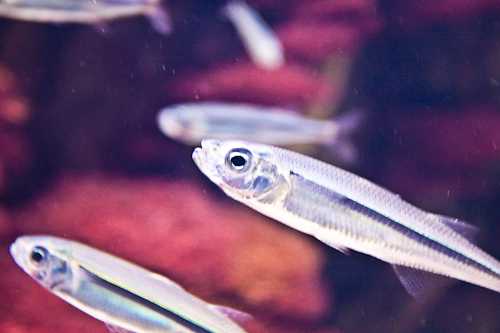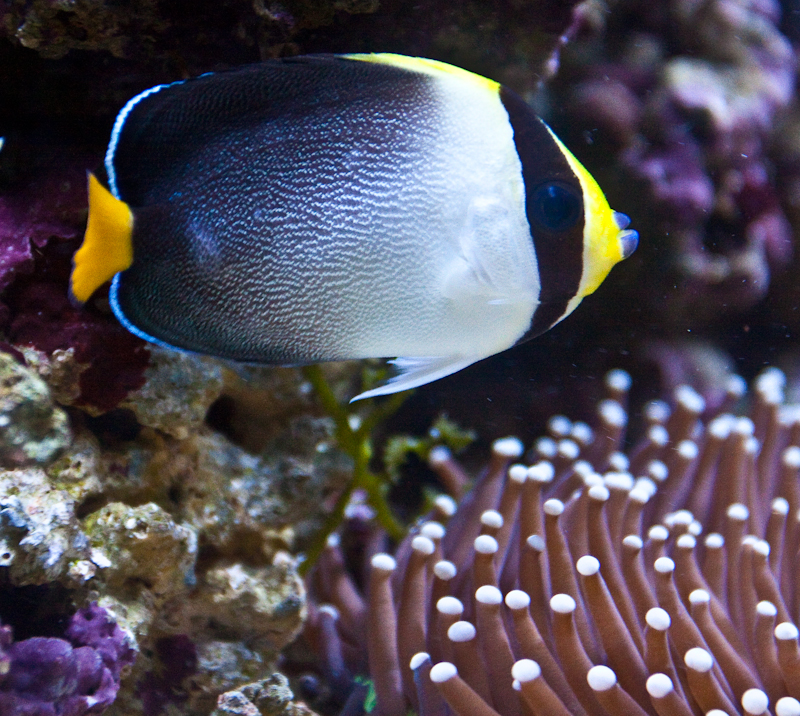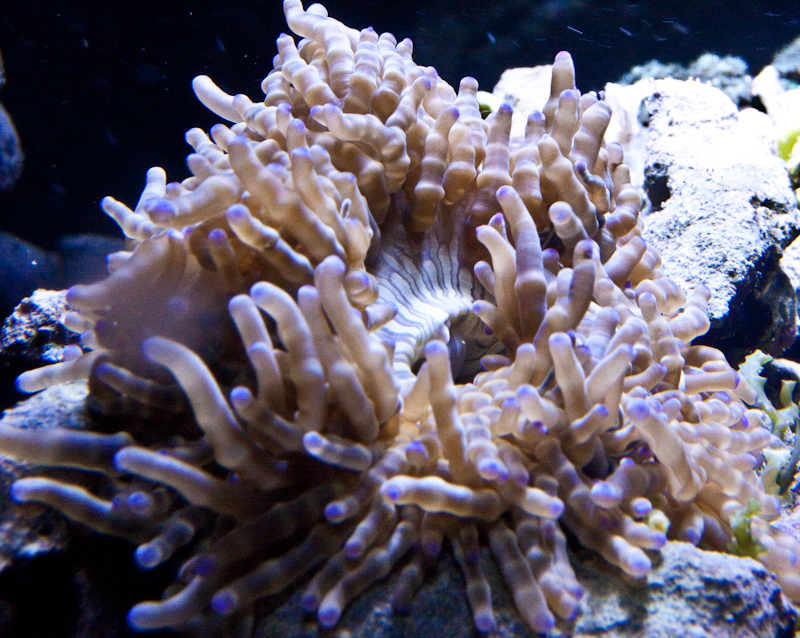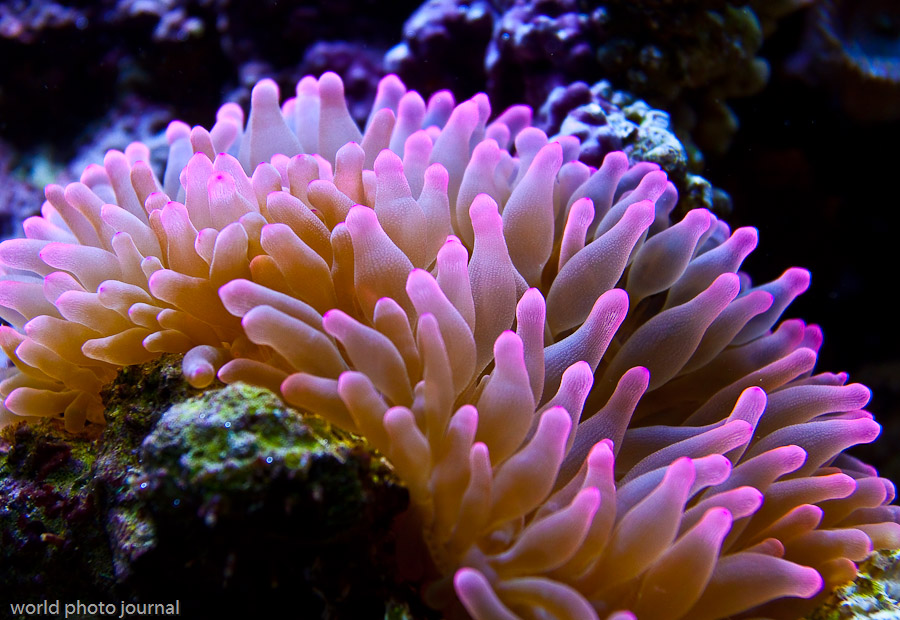
Coral reefs represent some of the most spectacular and biodiverse ecosystems on our planet, thriving in warm tropical and subtropical waters. These underwater gardens are built by tiny colonial animals called coral polyps, which create intricate structures that support thousands of marine species. The RBTA, or Red and Black Tree Anemone, is just one of the countless fascinating creatures that call coral reefs home, displaying remarkable colors and adaptations that make these places truly magical destinations for divers and marine enthusiasts.
Highlights
- Stunning biodiversity with thousands of fish, invertebrate, and plant species in one ecosystem
- Vibrant colors and intricate coral formations that create an alien landscape beneath the waves
- Symbiotic relationships between corals and anemones that showcase nature’s complexity
- Bioluminescent creatures and nocturnal marine life visible on night dives
What to Do
- Scuba diving or snorkeling to observe coral structures and marine wildlife up close
- Underwater photography to capture the incredible colors and formations
- Marine biology tours led by expert guides explaining ecosystem dynamics
- Night diving to witness nocturnal creatures and bioluminescence
Best Time to Visit
Dry season (typically November to April) offers the best visibility and calmest conditions for reef exploration, though timing varies by location
Getting There
Most coral reef destinations are accessible by boat from coastal cities or islands; popular reefs include the Great Barrier Reef (Australia), Maldives, Caribbean islands, and Southeast Asian locations
Visitor Tips
- Use reef-safe sunscreen to protect coral from chemical damage
- Never touch or step on coral; observe wildlife from a respectful distance
- Consider diving certification courses before exploring deeper reefs
- Go with licensed tour operators who follow sustainable tourism practices
Nearby
- Tropical beaches and island resorts near reef systems
- Marine research centers and aquariums dedicated to coral conservation
- Mangrove forests and seagrass beds that support reef ecosystems
Coral reefs are irreplaceable natural wonders that deserve our respect and protection. Whether you’re an experienced diver or a curious snorkeler, visiting these underwater treasures offers an unforgettable glimpse into one of Earth’s most vibrant ecosystems. By exploring reefs responsibly, you not only create lasting memories but also support conservation efforts that keep these magical worlds thriving for future generations.