marine life

Reef Aquarium Marine Life Display, Clarkii Clownfish in Sebae Anemone

Reef Aquarium Marine Life Display, Clarkii Clownfish in Sebae Anemone
A captivating glimpse into the symbiotic world of a Clarkii clownfish nestled within the swaying tentacles of a Sebae anemone.

Few sights in the marine world are as enchanting as a Clarkii clownfish (Amphiprion clarkii) finding refuge among the pulsing tentacles of a Sebae anemone (Heteractis crispa). This vibrant pairing showcases one of nature’s most famous symbiotic relationships, where the clownfish gains protection from predators while keeping the anemone clean and well-aerated.

Reef aquariums dedicated to displaying this kind of marine life offer a window into the complex ecosystems of tropical coral reefs. The Clarkii clownfish, with its bold black, orange, and white stripes paired with a striking yellow tail, is one of the most recognizable species in the saltwater hobby — second only to its cousin, the iconic Ocellaris.

Whether viewed in a public aquarium or a carefully maintained home reef tank, scenes like this remind us of the delicate beauty of ocean life and the importance of conservation efforts to protect coral reefs around the world.

Highlights

  • Clarkii clownfish (Amphiprion clarkii) displaying classic black, white, and yellow markings
  • Sebae anemone (Heteractis crispa) with characteristic purple-tipped tentacles
  • Living example of mutualistic symbiosis in a reef ecosystem
  • Vibrant blue actinic lighting typical of marine reef tanks

What to Do

  • Observe the clownfish weaving through the anemone’s tentacles for protection
  • Learn about reef-safe aquarium husbandry and proper water chemistry
  • Photograph marine life with a macro lens and patient timing
  • Visit a public aquarium to see large-scale reef displays in person

Best Time to Visit

Reef aquariums can be enjoyed year-round, though feeding times offer the most active fish behavior

Getting There

Visit world-class public aquariums like Monterey Bay Aquarium, Georgia Aquarium, or S.E.A. Aquarium Singapore to see similar reef life displays

Visitor Tips

  • Use a polarizing filter or shoot at an angle to reduce glare on aquarium glass
  • Turn off your camera flash — it disturbs the fish and creates reflections
  • Be patient; clownfish often dart in and out of their host anemone

Nearby

  • Coral reef exhibits at major public aquariums
  • Local marine aquarium specialty stores
  • Tropical dive destinations like the Indo-Pacific reefs

Whether you’re a marine hobbyist or simply a lover of ocean life, the sight of a Clarkii clownfish hiding within a Sebae anemone is a timeless reminder of the wonder thriving beneath the waves. Take time to explore reef aquariums and appreciate the intricate beauty of our planet’s coral ecosystems.

Location Map

Reef Aquarium Marine Life Display, Clarkii Clownfish in Sebae Anemone Read More »
Maldivian Coral Reefs, Maldives

Maldivian Coral Reefs, Maldives
Explore the vibrant underwater world where clownfish dance among bioluminescent anemones in crystal-clear tropical waters.

The Maldives is a premier destination for underwater exploration, home to some of the world’s most spectacular coral reef ecosystems. These pristine waters showcase incredible marine biodiversity, with vibrant anemones and their symbiotic clownfish partners creating unforgettable encounters for divers and snorkelers. The archipelago’s commitment to marine conservation has preserved these delicate ecosystems, making it a living showcase of coral reef life at its finest.

Highlights

  • Vibrant anemone gardens with resident clownfish in all colors and sizes
  • Crystal-clear warm waters perfect for year-round snorkeling and diving
  • Diverse coral formations and marine species within minutes of resort islands

What to Do

  • Snorkel or dive to observe clownfish in their natural anemone habitats
  • Explore house reefs directly from island resorts
  • Participate in marine conservation and reef monitoring programs
  • Take guided diving expeditions to pristine coral gardens

Best Time to Visit

November to April offers calm seas, excellent visibility, and warm water temperatures ideal for reef exploration

Getting There

Fly to Malé International Airport, then take a seaplane or speedboat to your island resort

Visitor Tips

  • Use reef-safe sunscreen to protect delicate coral ecosystems
  • Bring an underwater camera to capture the stunning marine life
  • Stay with reef-conscious resorts that practice sustainable tourism
  • Respect marine life by observing from a distance without touching

Nearby

  • Banana Reef diving site
  • Veligandu Island House Reef
  • Artificial reefs and protected marine areas

The Maldives offers an unparalleled opportunity to witness the magic of coral reef ecosystems firsthand. Whether you’re a seasoned diver or a curious snorkeler, the vibrant anemones and their delightful clownfish companions will leave you enchanted and inspired to help protect these precious underwater worlds.

Location Map

Maldivian Coral Reefs, Maldives Read More »

Molokini Crater Marine Reserve, Maui Hawaii

Molokini Crater Marine Reserve, Maui Hawaii
A crescent-shaped underwater paradise teeming with tropical marine life and crystal-clear waters.

Molokini Crater is one of Hawaii’s most spectacular snorkeling and diving destinations, located off the coast of Maui. This crescent-shaped volcanic caldera rises from the ocean floor and creates a natural amphitheater of vibrant coral reefs and abundant marine ecosystems. The protected marine reserve is home to over 250 species of fish and countless other sea creatures, making it an unforgettable underwater experience for visitors of all skill levels.

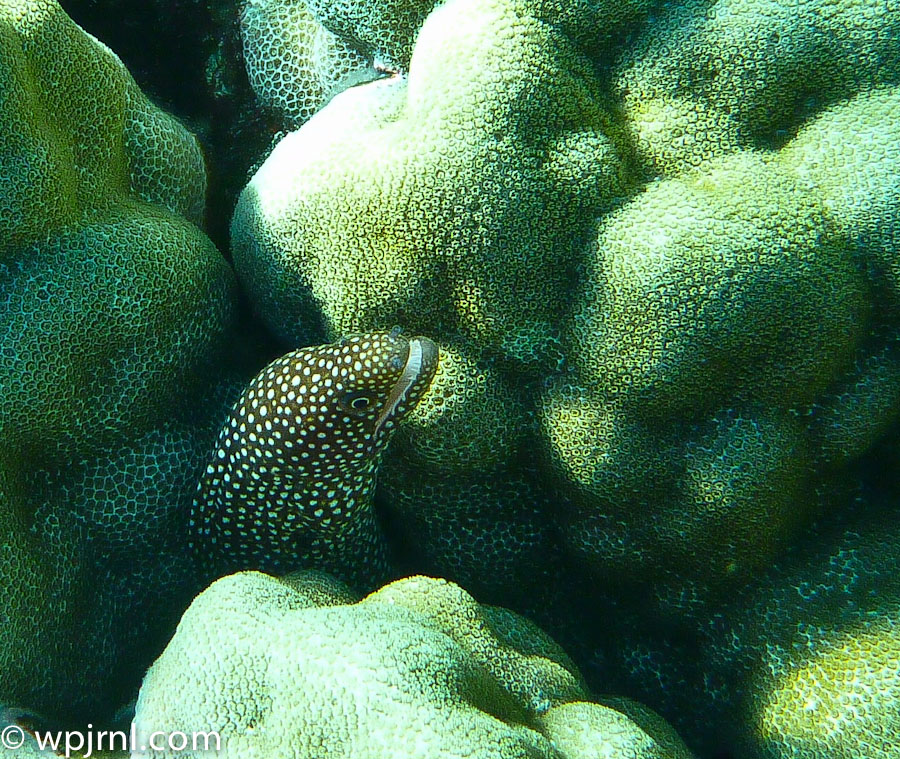
The crater’s unique geography provides exceptional visibility and shelter from ocean currents, creating ideal conditions for observing Hawaiian marine life in their natural habitat. From graceful sea turtles to colorful tropical fish and fascinating moray eels like the one captured in this stunning photograph, Molokini offers an intimate window into Hawaii’s underwater world.

Highlights

  • Exceptional snorkeling and diving with 100+ foot visibility on clear days
  • Diverse marine life including moray eels, parrotfish, tangs, and sea turtles
  • Protected marine reserve status ensuring pristine coral ecosystems
  • Crescent-shaped volcanic crater creating dramatic underwater landscape
  • Back side wall perfect for advanced divers seeking deeper exploration

What to Do

  • Snorkel the inner reef to observe colorful tropical fish and coral formations up close
  • Dive the back wall for experienced divers seeking deeper marine encounters
  • Photograph marine life including eels, octopus, and reef fish
  • Take a catamaran tour from Maui’s south shore beaches
  • Observe and respect sea turtles in their natural environment

Best Time to Visit

May through October offers the calmest waters and best visibility, though the crater is accessible year-round. Summer months provide the warmest water temperatures and most stable weather conditions.

Getting There

Molokini Crater is accessible only by boat. Tour operators depart from Wailea, Kihei, and Lahaina beaches on Maui’s south and west shores. Most tours take 30-45 minutes to reach the crater.

Visitor Tips

  • Book tours early in the morning for the best visibility and smallest crowds
  • Bring reef-safe sunscreen to protect both your skin and the coral ecosystem
  • Wear a wetsuit even in summer for comfort during extended water time
  • Respect marine life by maintaining distance and never touching coral or animals
  • Check weather conditions before booking, as high winds can make conditions rough

Nearby

  • Wailea Beach – nearby sandy beach perfect for relaxation
  • Ahihi-Kinau Natural Area Reserve – another excellent snorkeling spot
  • Maui Ocean Center Aquarium – educational marine experience in Wailuku
  • Haleakala National Park – volcanic crater viewpoint on Maui’s interior

Molokini Crater represents the very best of Hawaii’s underwater treasures. Whether you’re a seasoned diver or a first-time snorkeler, the opportunity to witness moray eels, tropical fish, and vibrant coral reefs in their pristine natural habitat is an experience that will stay with you long after you leave Maui’s shores. Plan your visit to this marine jewel and discover why it’s one of the most beloved destinations in the Hawaiian Islands.

Location Map

Molokini Crater Marine Reserve, Maui Hawaii Read More »

Up Close Dolphin Feeding Experience at SeaWorld San Diego — Interactive Marine Life Encounter

Watch as friendly dolphins come face-to-face with visitors during an unforgettable feeding interaction at SeaWorld San Diego.

SeaWorld San Diego stands as one of Southern California’s most iconic marine life destinations, offering visitors rare opportunities to connect with ocean creatures in ways that leave lasting memories. This captivating video captures one of the park’s most popular attractions — the dolphin feeding experience — where guests get remarkably close to these intelligent and charismatic marine mammals. The footage showcases the incredible curiosity and personality of these dolphins as they interact directly with visitors, their mouths wide open and eyes engaged as they participate in this interactive feeding session. It’s a moment that perfectly encapsulates why families and animal lovers from around the world continue to flock to SeaWorld for unforgettable wildlife encounters.

What makes this video particularly special is the raw, up-close perspective of the dolphins’ personalities and behaviors. You’ll witness the animals’ playful nature and their apparent enjoyment of human interaction, captured from a vantage point that truly conveys the scale and majesty of these magnificent creatures. Whether you’re planning a San Diego trip or simply curious about marine park experiences, this footage provides an authentic glimpse into one of the region’s most beloved attractions.

Video Highlights

  • Close-up interaction with dolphins feeding from visitors’ hands
  • Clear view of dolphin facial expressions and personality during engagement
  • Authentic capture of marine mammal behavior in a professional park setting
  • Perfect reference for planning your own SeaWorld San Diego visit

What to Expect

  • Dolphins approaching extremely close to the camera with open mouths
  • Interactive feeding moments showing the animals’ enthusiasm and intelligence
  • Detailed views of the dolphins’ physical features and expressions
  • A genuine sense of the excitement and wonder of the experience

Location

If you’re planning a trip to Southern California or looking for a unique wildlife experience, this video is essential viewing. The dolphin feeding experience at SeaWorld San Diego offers something truly special — a chance to connect with intelligent, fascinating creatures in an unforgettable way. Watch this video to see exactly what awaits you and start planning your own incredible marine life adventure today.

Up Close Dolphin Feeding Experience at SeaWorld San Diego — Interactive Marine Life Encounter Read More »

Molokini Crater Snorkel Site, Maui Hawaii

Molokini Crater Snorkel Site, Maui Hawaii
A crescent-shaped volcanic crater offering world-class snorkeling with abundant tropical fish and crystal-clear waters.

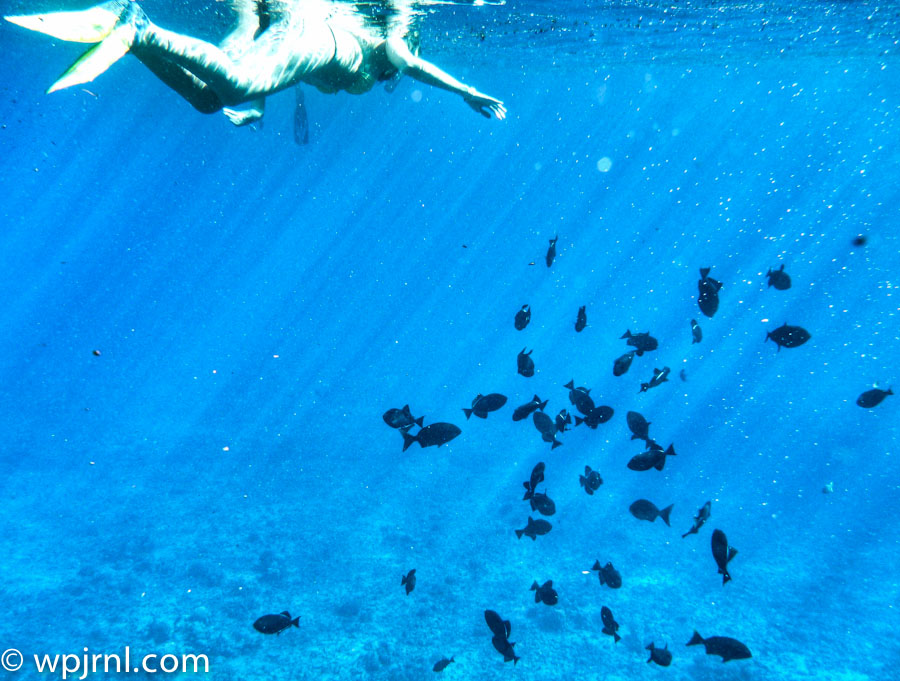
Molokini Crater is one of Hawaii’s most spectacular snorkeling destinations, located off the coast of Maui between the islands of Maui and Kahoolawe. This crescent-shaped volcanic crater rises 160 feet above the ocean surface and plunges to depths of up to 300 feet, creating a natural marine sanctuary teeming with vibrant coral reefs and tropical fish species. The crater’s unique geography protects its waters from strong currents and waves, making it an ideal location for both beginners and experienced snorkelers. The visibility here is exceptional, often reaching 100+ feet, allowing visitors to fully appreciate the stunning underwater ecosystem.

Highlights

  • Crystal-clear turquoise waters with visibility often exceeding 100 feet
  • Diverse tropical fish species including parrotfish, surgeonfish, and triggerfish
  • Healthy coral reef ecosystem protected as a marine sanctuary
  • Crescent-shaped crater formation creating a unique snorkeling experience
  • Excellent for both beginner and advanced snorkelers

What to Do

  • Snorkel along the reef wall on the inside of the crater to observe schools of tropical fish
  • Explore the deeper waters for experienced snorkelers seeking more adventure
  • Spot sea turtles and other marine life in their natural habitat
  • Photograph the stunning underwater coral formations and colorful fish
  • Take a boat tour from Maui’s shores to reach the crater

Best Time to Visit

May through October offers the calmest waters and best visibility, though Molokini is accessible year-round. Summer months provide warmer water temperatures and fewer crowds on weekdays.

Getting There

Molokini Crater is accessible only by boat. Several tour operators in Wailea, Kihei, and Ma’alaea Harbor offer snorkel tours ranging from 2-4 hours. Most tours depart in the early morning to take advantage of calm waters and optimal visibility.

Visitor Tips

  • Arrive early to secure a spot on popular tour boats, especially during peak season
  • Bring reef-safe sunscreen to protect both your skin and the marine ecosystem
  • Wear a rash guard or wetsuit for sun protection and thermal comfort in the water
  • Bring an underwater camera or GoPro to capture the stunning marine life
  • Plan for 2-3 hours in the water; wear fins for easier movement and conservation of energy

Nearby

  • Wailea Beach – nearby sandy beach perfect for relaxation before or after snorkeling
  • Ahihi-Kinau Natural Area Reserve – another excellent snorkeling spot with lava rock formations
  • Makena Beach State Park – scenic coastal area with additional snorkeling opportunities

Molokini Crater represents the best of Hawaii’s underwater world, offering an unforgettable snorkeling adventure in pristine waters surrounded by vibrant marine life. Whether you’re a first-time snorkeler or an experienced underwater explorer, the crater’s exceptional clarity, abundant fish populations, and protected coral ecosystems make it a must-visit destination. Plan your Maui vacation to include this iconic snorkeling experience and discover why Molokini Crater remains one of the Pacific’s most treasured natural wonders.

Location Map

Molokini Crater Snorkel Site, Maui Hawaii Read More »

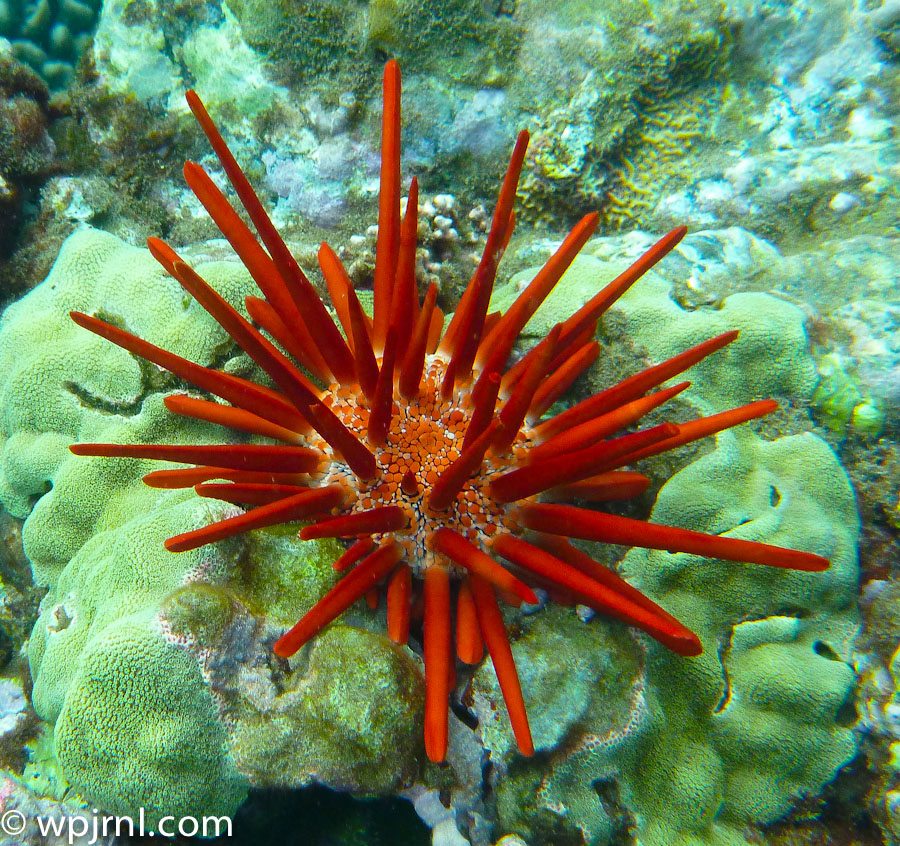
Red Pencil Urchin, Coral Reef Ecosystem

Red Pencil Urchin, Coral Reef Ecosystem
Discover the vibrant red pencil urchin, a stunning spiky inhabitant of tropical coral reefs.

The red pencil urchin is a remarkable marine creature found in shallow coral reef environments across tropical and subtropical oceans. With its distinctive long, slender red spines radiating outward like a sea urchin’s crown, this creature is a favorite subject for underwater photographers and marine enthusiasts. These echinoderms play an important role in reef ecosystems, grazing on algae and detritus while adding a splash of brilliant color to the underwater landscape.

Observing red pencil urchins in their natural habitat offers a glimpse into the incredible biodiversity of coral reefs. These spiny creatures are typically found clinging to coral heads and rocky surfaces, their bright red coloring serving as a warning to potential predators. Snorkeling or diving in areas with healthy coral populations provides the best opportunity to encounter these magnificent sea urchins.

Coral reefs are among the most biodiverse ecosystems on Earth, and the red pencil urchin is just one of countless fascinating species that call these underwater gardens home. Visiting these reefs supports marine conservation efforts and raises awareness about the importance of protecting these fragile environments.

Highlights

  • Vibrant red coloring with long, slender spines extending radially
  • Natural habitat among healthy coral formations and reef structures
  • Important role in reef ecology through algae grazing behavior
  • Excellent subject for underwater photography and marine observation

What to Do

  • Snorkel or scuba dive to observe red pencil urchins in their natural coral reef habitat
  • Participate in guided reef tours with marine biologists to learn about urchin behavior and ecology
  • Photograph these stunning creatures while respecting safe distance and reef conservation guidelines
  • Explore the surrounding coral reef ecosystem to understand species interactions and biodiversity

Best Time to Visit

Year-round in tropical regions, with optimal visibility during dry seasons (typically November to April in many locations). Water temperature and clarity vary by specific reef location.

Getting There

Red pencil urchins are found in coral reefs worldwide. Access them via snorkeling or diving excursions from coastal destinations in the Caribbean, Indo-Pacific, Red Sea, and other tropical reef areas. Book with certified dive operators or snorkeling tour companies.

Visitor Tips

  • Maintain a safe distance and avoid touching urchins to prevent spine injuries and reef damage
  • Use reef-safe sunscreen to protect coral ecosystems
  • Hire experienced local guides familiar with reef species and conservation practices
  • Visit during times of good water visibility for the best underwater photography

Nearby

  • Other coral reef marine life including sea stars, fish, and anemones
  • Coral formations and reef structures of varying colors and sizes
  • Beach and coastal areas near reef access points

The red pencil urchin embodies the beauty and complexity of coral reef ecosystems. By visiting these underwater worlds responsibly, you contribute to marine conservation awareness and support the protection of one of Earth’s most precious natural wonders. Dive into the vibrant colors and fascinating biodiversity of coral reefs today.

Location Map

Red Pencil Urchin, Coral Reef Ecosystem Read More »

Scroll to Top