ocean conservation

Coral Reef Ecosystem, Tropical Ocean Waters
Coral Reef Ecosystem, Tropical Ocean Waters
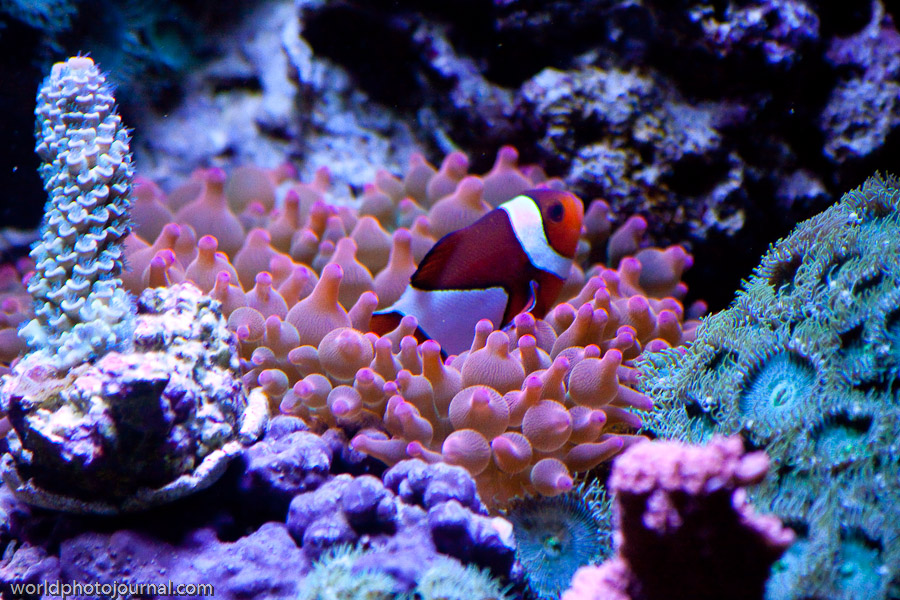
Witness the vibrant underwater world where clownfish and sea anemones thrive in a dazzling display of marine biodiversity.

Coral reefs represent some of Earth’s most spectacular and biodiverse ecosystems, teeming with colorful fish, intricate coral formations, and fascinating symbiotic relationships. This underwater realm showcases the delicate balance of marine life, where iconic clownfish nestle safely within the tentacles of host anemones—particularly the Red and Black Tree Anemone (RBTA). These living gardens of the sea are found in tropical and subtropical waters around the globe, creating a mesmerizing landscape of blues, purples, and vibrant corals that captivates divers and snorkelers alike. The interplay of light filtering through the water illuminates countless species in their natural habitat, offering an unforgettable glimpse into one of nature’s most remarkable environments.

Highlights

  • Clownfish and anemone symbiosis—a remarkable example of marine mutualism
  • Stunning biodiversity with hundreds of coral species and thousands of fish varieties
  • Vibrant colors enhanced by natural reef lighting and bioluminescence
  • Complex coral structures providing shelter and breeding grounds for marine life
  • Critical ecosystem supporting global marine food webs

What to Do

  • Scuba dive or snorkel to observe clownfish in their natural anemone homes
  • Photograph the intricate details of coral formations and colorful reef inhabitants
  • Learn about coral conservation and the impacts of climate change on reefs
  • Explore different reef zones from shallow lagoons to deep drop-offs
  • Participate in reef restoration and monitoring programs

Best Time to Visit

Dry season months (typically November to April in Northern Hemisphere reefs) offer the calmest waters, best visibility, and most comfortable diving conditions.

Getting There

Access to coral reefs varies by location. Popular reef destinations include the Great Barrier Reef (Australia), Maldives, Caribbean islands, Southeast Asia, and the Red Sea. Most are reached via boat tours, liveaboard diving vessels, or shore-based diving operations.

Visitor Tips

  • Wear reef-safe sunscreen to protect coral ecosystems from harmful chemicals
  • Maintain proper buoyancy control to avoid damaging coral during diving or snorkeling
  • Never touch or stand on coral—it damages polyps and interrupts their feeding
  • Book with certified operators who follow sustainable tourism practices
  • Respect wildlife and maintain a safe distance from all marine creatures

Nearby

  • Tropical island destinations and beach resorts near major reef systems
  • Marine research centers and aquariums dedicated to reef education
  • Coastal villages offering authentic local culture and cuisine
  • Secondary reef sites and alternative diving locations within the same region

Coral reefs are living treasures that demand our admiration and protection. Whether you’re an experienced diver or a curious snorkeler, witnessing the vibrant interaction between clownfish and their host anemones in a thriving reef ecosystem is an experience that will forever deepen your appreciation for the ocean’s wonders. Visit these magical underwater worlds responsibly and become an advocate for reef conservation.

Location Map

Coral Reef Ecosystem, Tropical Ocean Waters Read More »
Coral Reef Ecosystem, Tropical Ocean Waters

Coral Reef Ecosystem, Tropical Ocean Waters
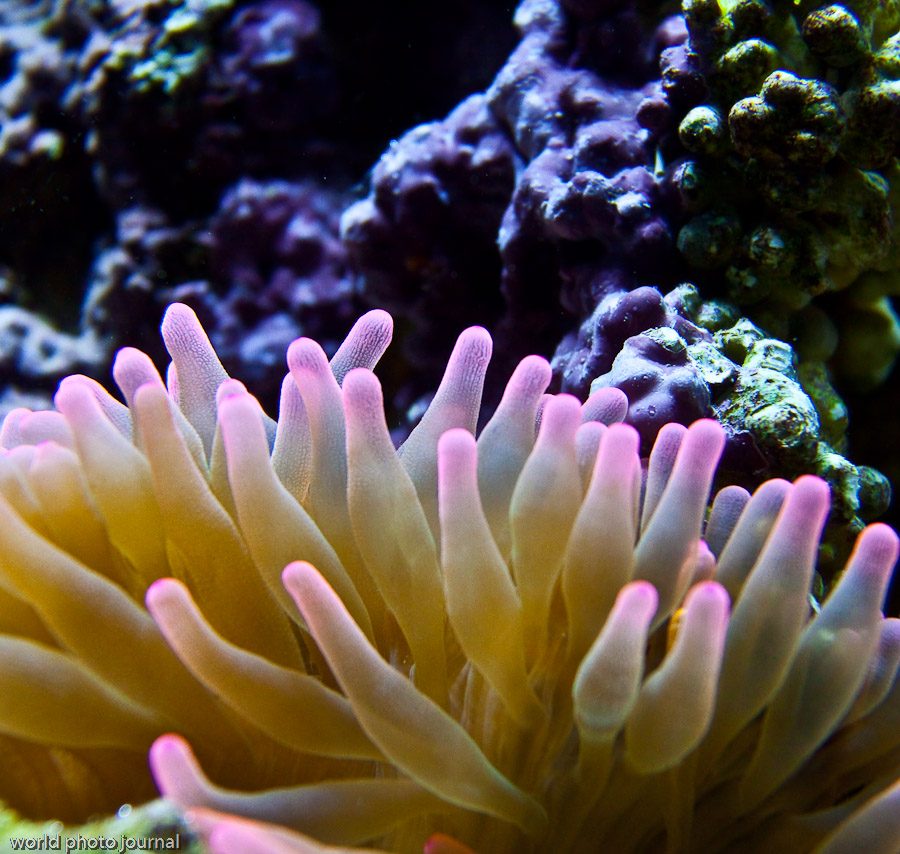
Explore the vibrant underwater world where delicate anemones and colorful corals create one of Earth’s most biodiverse ecosystems.

Coral reefs are among the most spectacular and vital ecosystems on our planet, thriving in warm tropical and subtropical waters. These underwater gardens host an extraordinary array of marine life, from the graceful pink anemones with their elegant tentacles to countless species of fish, crustaceans, and other invertebrates. The anemone pictured here exemplifies the stunning natural beauty found within these ecosystems, with its delicate pink and white tentacles creating a mesmerizing display under specialized aquarium lighting.

These living structures support approximately 25% of all marine species despite covering less than 1% of the ocean floor. Coral reefs are not just beautiful—they’re essential for maintaining ocean health, protecting coastlines, and supporting millions of people who depend on them for food and livelihoods.

Highlights

  • Observe vibrant anemones and their symbiotic relationships with clownfish and other marine species
  • Discover diverse coral formations including branching, plate, and massive corals
  • Experience the rainbow of colors created by fluorescent corals and fish under specialized lighting

What to Do

  • Snorkel or scuba dive to observe anemones and reef life in their natural habitat
  • Visit public aquariums with dedicated reef exhibits featuring living coral and anemone displays
  • Participate in reef conservation and restoration projects during your visit
  • Photograph the incredible biodiversity and unique colors of the reef ecosystem

Best Time to Visit

Dry season months (varies by location) typically offer the best visibility and calmest waters for reef exploration

Getting There

Coral reefs are found worldwide in tropical waters. Popular destinations include the Great Barrier Reef (Australia), Caribbean reefs, Southeast Asian reefs (Indonesia, Philippines, Thailand), and Red Sea reefs (Egypt). Access via local dive operators and snorkel tours from coastal towns.

Visitor Tips

  • Use reef-safe sunscreen to protect coral ecosystems from harmful chemicals
  • Never touch or stand on coral—maintain proper buoyancy while diving or snorkeling
  • Visit during recommended times when water conditions and marine life visibility are optimal
  • Support local conservation efforts and certified sustainable tour operators

Nearby

  • Tropical island resorts and coastal villages
  • Marine research centers and aquariums
  • Other pristine diving and snorkeling destinations

The delicate beauty of anemones and the thriving coral reef ecosystem remind us of nature’s incredible artistry and resilience. Whether you experience these wonders firsthand through snorkeling and diving or through stunning aquarium displays, coral reefs offer an unforgettable journey into one of Earth’s most precious underwater worlds. Plan your visit today and become part of the movement to protect these vital ecosystems for future generations.

Location Map

Coral Reef Ecosystem, Tropical Ocean Waters Read More »
Coral Reef Ecosystem, Underwater Marine Habitat

Coral Reef Ecosystem, Underwater Marine Habitat
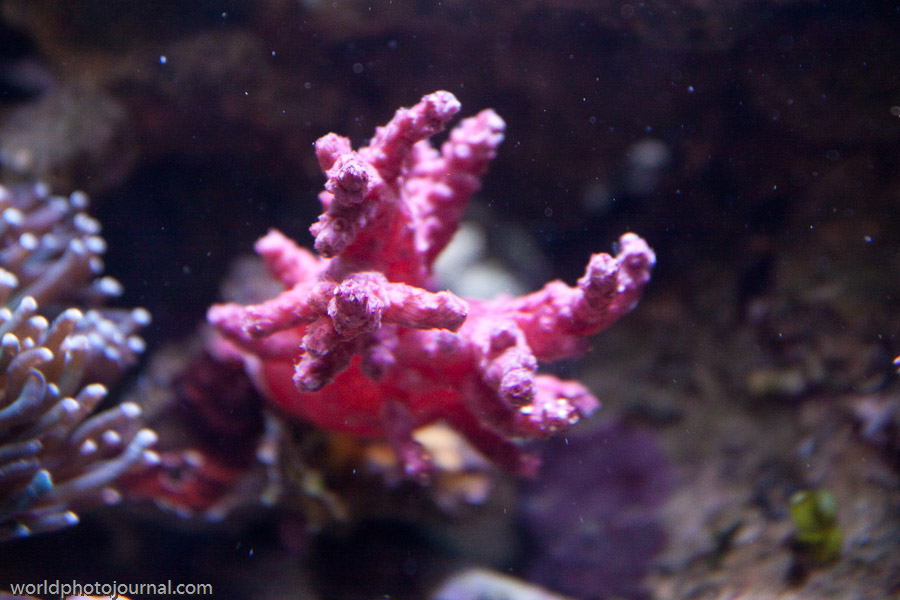
Explore vibrant underwater gardens where exotic corals and marine life thrive in colorful harmony.

Coral reefs represent some of Earth’s most biodiverse and visually stunning ecosystems, teeming with life beneath the ocean’s surface. This underwater world showcases nature’s incredible artistry through brilliantly colored corals, from soft dendrodendrils to hard branching formations, creating three-dimensional structures that support thousands of species. The delicate balance of this marine environment demonstrates the complexity and fragility of ocean life, making coral reefs among the planet’s most precious natural treasures.

Highlights

  • Vibrant purple and pink dendrodendrilla corals with intricate branching structures
  • Diverse coral colonies supporting complex marine ecosystems
  • Crystalline water environments ideal for underwater photography and observation
  • Rich biodiversity of fish, invertebrates, and other marine organisms

What to Do

  • Scuba diving to observe coral formations and marine life up close
  • Snorkeling in shallow reef areas for accessible underwater viewing
  • Underwater photography to capture the vivid colors and details
  • Marine conservation activities and reef restoration projects
  • Educational guided tours learning about coral biology and ecosystems

Best Time to Visit

Dry season months with calm seas and excellent water clarity, typically winter months depending on geographic location

Getting There

Access via boat tours, diving charters, or snorkeling expeditions from nearby coastal towns and resorts

Visitor Tips

  • Wear reef-safe sunscreen to protect marine ecosystems
  • Maintain proper buoyancy control to avoid damaging fragile corals
  • Follow local guidelines and regulations protecting reef habitats
  • Book with certified dive operators experienced in coral reef environments

Nearby

  • Tropical island beaches
  • Marine research centers
  • Coastal resort destinations

Coral reefs are living museums of the ocean, offering unparalleled beauty and biological wonder to those who explore them. Whether you’re an experienced diver or curious snorkeler, the chance to witness these magnificent underwater gardens is a transformative experience that deepens appreciation for marine conservation and our ocean’s precious ecosystems.

Location Map

Coral Reef Ecosystem, Underwater Marine Habitat Read More »

Scroll to Top