underwater photography

Blue Carpet Coral Reef, Underwater Marine Sanctuary
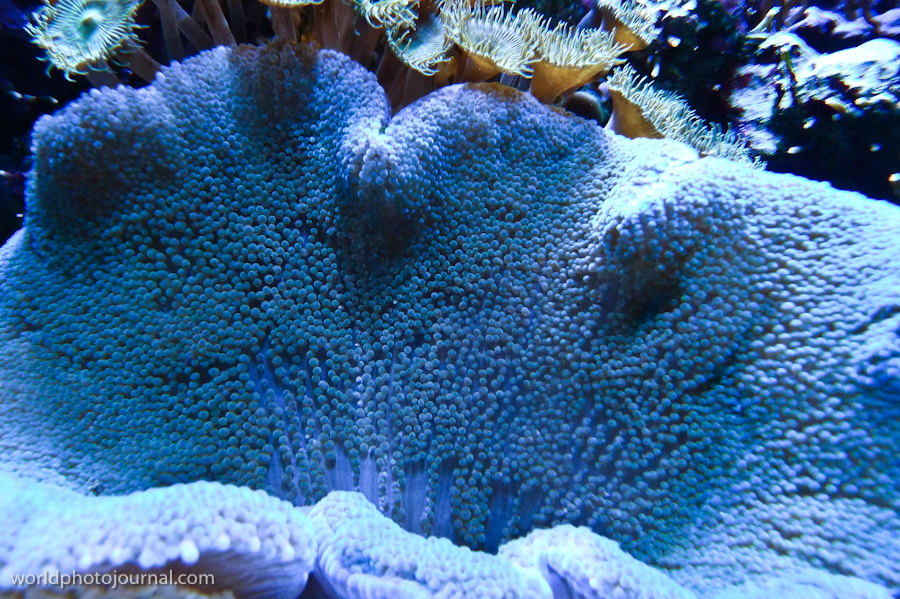
Blue Carpet Coral Reef, Underwater Marine Sanctuary
A stunning underwater carpet of vibrant blue coral polyps creates one of nature’s most mesmerizing living tapestries.

Beneath the ocean’s surface lies a world of extraordinary beauty, where massive coral colonies thrive in brilliant shades of electric blue. The ‘blue carpet’ is a breathtaking display of countless tiny coral polyps densely packed together, creating a soft, textured landscape that seems almost otherworldly when illuminated by underwater lighting. This living ecosystem represents the intricate balance of marine life, showcasing how individual organisms work together to form some of the planet’s most vibrant biological communities. The mesmerizing blue hues indicate healthy, thriving coral that provides essential habitat for countless marine species.

Highlights

  • Dense carpet of electric blue coral polyps stretching across the reef structure
  • Vibrant bioluminescent appearance when photographed under specialized lighting
  • Surrounding branching corals and anemones creating a multi-layered ecosystem
  • Crystal-clear water visibility revealing intricate coral polyp details

What to Do

  • Scuba dive to observe the coral colony up close and photograph its intricate textures
  • Snorkel at shallower depths to see the coral carpet from above
  • Study marine biodiversity living among and within the coral structure
  • Time your visit to capture the coral’s natural fluorescence in blue light

Best Time to Visit

Year-round, though water clarity and coral fluorescence are often best during calm, clear seasons with optimal underwater lighting conditions

Getting There

Access to coral reefs requires boat tours or liveaboard diving expeditions from coastal cities; popular reef diving destinations include the Great Barrier Reef, Caribbean reefs, and Red Sea dive sites

Visitor Tips

  • Always dive with certified operators and follow reef conservation protocols
  • Avoid touching or damaging coral — use proper buoyancy control and stay at safe distances
  • Bring underwater cameras with blue/UV lighting to capture the coral’s vibrant colors
  • Wear reef-safe sunscreen and appropriate wetsuits for protection

Nearby

  • Other coral formations and reef ecosystems
  • Kelp forests and seagrass meadows
  • Deep-sea trenches and open ocean habitats

The blue carpet coral stands as a testament to the ocean’s hidden majesty and the delicate ecosystems that depend on healthy coral reefs. Whether you’re an experienced diver or an ocean enthusiast, witnessing this living masterpiece firsthand is an unforgettable reminder of why our oceans deserve protection and respect. Plan your diving adventure today to experience the wonder of these vibrant underwater worlds.

Location Map

Blue Carpet Coral Reef, Underwater Marine Sanctuary Read More »
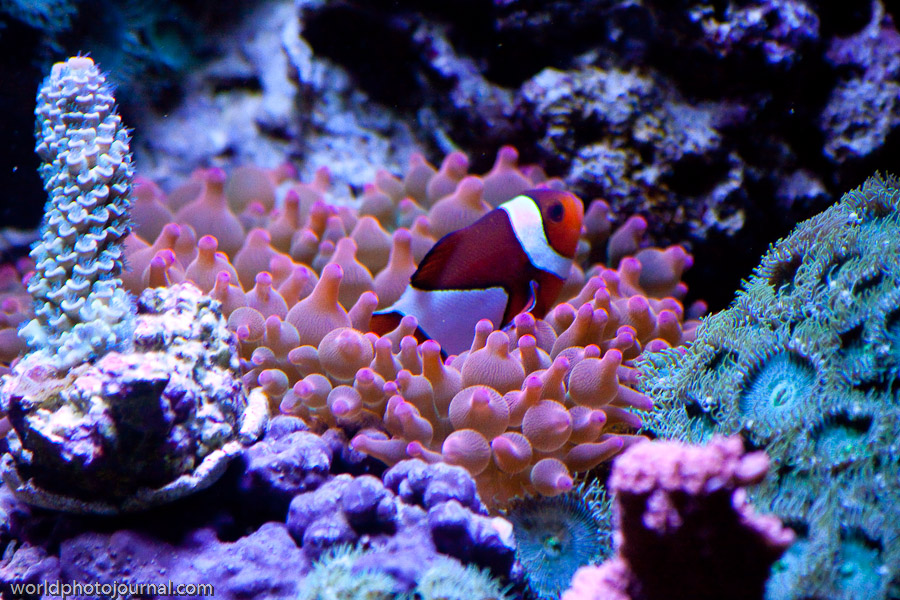
Coral Reef Ecosystem, Tropical Ocean Waters

Coral Reef Ecosystem, Tropical Ocean Waters
Witness the vibrant underwater world where clownfish and sea anemones thrive in a dazzling display of marine biodiversity.

Coral reefs represent some of Earth’s most spectacular and biodiverse ecosystems, teeming with colorful fish, intricate coral formations, and fascinating symbiotic relationships. This underwater realm showcases the delicate balance of marine life, where iconic clownfish nestle safely within the tentacles of host anemones—particularly the Red and Black Tree Anemone (RBTA). These living gardens of the sea are found in tropical and subtropical waters around the globe, creating a mesmerizing landscape of blues, purples, and vibrant corals that captivates divers and snorkelers alike. The interplay of light filtering through the water illuminates countless species in their natural habitat, offering an unforgettable glimpse into one of nature’s most remarkable environments.

Highlights

  • Clownfish and anemone symbiosis—a remarkable example of marine mutualism
  • Stunning biodiversity with hundreds of coral species and thousands of fish varieties
  • Vibrant colors enhanced by natural reef lighting and bioluminescence
  • Complex coral structures providing shelter and breeding grounds for marine life
  • Critical ecosystem supporting global marine food webs

What to Do

  • Scuba dive or snorkel to observe clownfish in their natural anemone homes
  • Photograph the intricate details of coral formations and colorful reef inhabitants
  • Learn about coral conservation and the impacts of climate change on reefs
  • Explore different reef zones from shallow lagoons to deep drop-offs
  • Participate in reef restoration and monitoring programs

Best Time to Visit

Dry season months (typically November to April in Northern Hemisphere reefs) offer the calmest waters, best visibility, and most comfortable diving conditions.

Getting There

Access to coral reefs varies by location. Popular reef destinations include the Great Barrier Reef (Australia), Maldives, Caribbean islands, Southeast Asia, and the Red Sea. Most are reached via boat tours, liveaboard diving vessels, or shore-based diving operations.

Visitor Tips

  • Wear reef-safe sunscreen to protect coral ecosystems from harmful chemicals
  • Maintain proper buoyancy control to avoid damaging coral during diving or snorkeling
  • Never touch or stand on coral—it damages polyps and interrupts their feeding
  • Book with certified operators who follow sustainable tourism practices
  • Respect wildlife and maintain a safe distance from all marine creatures

Nearby

  • Tropical island destinations and beach resorts near major reef systems
  • Marine research centers and aquariums dedicated to reef education
  • Coastal villages offering authentic local culture and cuisine
  • Secondary reef sites and alternative diving locations within the same region

Coral reefs are living treasures that demand our admiration and protection. Whether you’re an experienced diver or a curious snorkeler, witnessing the vibrant interaction between clownfish and their host anemones in a thriving reef ecosystem is an experience that will forever deepen your appreciation for the ocean’s wonders. Visit these magical underwater worlds responsibly and become an advocate for reef conservation.

Location Map

Coral Reef Ecosystem, Tropical Ocean Waters Read More »
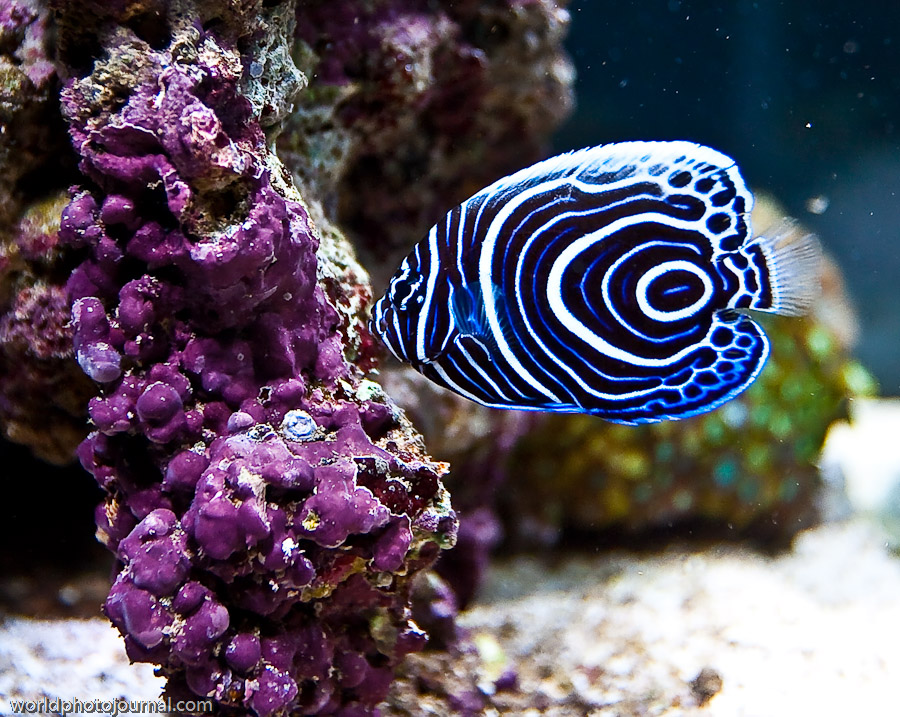
Coral Reef Ecosystem, Tropical Ocean Waters

Coral Reef Ecosystem, Tropical Ocean Waters
Discover the vibrant underwater world where Emperor Angelfish glide through pristine coral gardens.

Coral reefs represent some of Earth’s most biodiverse and visually stunning ecosystems, thriving in warm tropical waters across the globe. These underwater landscapes are home to thousands of species, including the magnificent Emperor Angelfish with its striking blue and white concentric patterns. Reef diving and snorkeling destinations offer visitors an extraordinary opportunity to witness this kaleidoscopic marine world, where colorful fish, intricate corals, and mysterious sea creatures coexist in delicate harmony. The Emperor Angelfish, one of the most prized sightings for reef enthusiasts, showcases the remarkable beauty and complexity of these natural underwater sanctuaries.

Highlights

  • Encounter the Emperor Angelfish with its distinctive electric-blue and white circular patterns
  • Explore vibrant purple coral formations and diverse hard corals
  • Observe the complex ecosystem where hundreds of fish species interact in their natural habitat
  • Experience the serene underwater environment filled with marine biodiversity

What to Do

  • Scuba dive among coral formations and spot tropical fish species
  • Snorkel in shallow reef areas to observe fish behavior and coral structure
  • Participate in guided reef tours led by marine biologists
  • Photograph the stunning marine life and coral gardens
  • Learn about reef conservation and marine ecosystem health

Best Time to Visit

Dry season months (typically November to April in most tropical regions) offer the best visibility and calmest waters for reef exploration

Getting There

Access coral reefs through coastal resort destinations, liveaboard dive boats, or day-trip charter services from major tropical beach towns

Visitor Tips

  • Use reef-safe sunscreen to protect marine ecosystems
  • Maintain proper buoyancy control to avoid damaging coral
  • Hire certified guides familiar with local reef conditions and fish behavior
  • Bring an underwater camera to capture memories responsibly
  • Respect marine life by observing from safe distances without touching

Nearby

  • Tropical beach resorts and coastal towns
  • Marine research centers and aquariums
  • Island diving destinations and water sports centers

Coral reefs are irreplaceable natural treasures that continue to inspire wonder and respect in all who venture beneath their surface. Witnessing the Emperor Angelfish and countless other species in their thriving habitat is a humbling reminder of nature’s artistry and the critical importance of ocean conservation. Plan your reef adventure today and become part of a global movement to protect these magnificent underwater worlds for future generations.

Location Map

Coral Reef Ecosystem, Tropical Ocean Waters Read More »
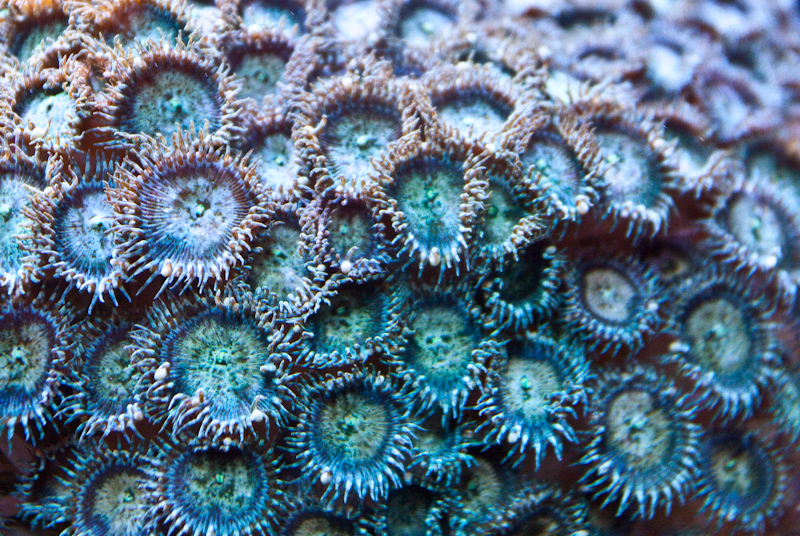
Green Zoanthids Coral Garden, Tropical Reef

Green Zoanthids Coral Garden, Tropical Reef
Discover the mesmerizing world of vibrant green zoanthids, nature’s living jewels of the underwater realm.

Green zoanthids are some of the most captivating and colorful creatures found in tropical coral reef ecosystems. These colonial polyps create stunning underwater gardens with their intricate, flower-like tentacles that display brilliant shades of green, blue, and iridescent hues. Zoanthids are hardy corals that thrive in shallow to moderate reef depths, creating dense colonies that form a critical part of reef biodiversity and provide shelter for countless small marine organisms.

Highlights

  • Vibrant green coloration with iridescent blue and turquoise tentacles
  • Dense colonial formations creating natural underwater gardens
  • Delicate yet resilient polyps with intricate radial tentacle patterns
  • Important reef ecosystem role supporting diverse marine life

What to Do

  • Snorkel or dive to observe zoanthid colonies up close and photograph their stunning colors
  • Study the symbiotic relationships between zoanthids and their reef community
  • Explore different reef depths to find various zoanthid species and color variations
  • Join guided reef tours to learn about coral conservation and reef health

Best Time to Visit

Year-round, though visibility and water clarity are typically best during dry seasons in tropical regions

Getting There

Reach tropical coral reefs via boat tours, resort diving operations, or snorkeling expeditions from coastal areas in the Caribbean, Indo-Pacific, or other tropical reef regions

Visitor Tips

  • Use reef-safe sunscreen to protect coral ecosystems
  • Maintain safe distance and never touch corals to avoid damaging them
  • Visit with certified dive operators who follow sustainable reef practices
  • Best viewed with macro photography or magnifying lens for detail appreciation

Nearby

  • Brain coral formations
  • Sea anemone gardens
  • Soft coral meadows
  • Fish nursery habitats

The green zoanthids represent nature’s incredible artistry and resilience, thriving in reef ecosystems that deserve our protection and admiration. Whether you’re a seasoned diver or curious snorkeler, witnessing these living flowers of the sea is an unforgettable experience that deepens your connection to the ocean’s magnificent underwater world.

Location Map

Green Zoanthids Coral Garden, Tropical Reef Read More »

Scroll to Top