travel

travel photos

Old San Juan Historic Streets, Puerto Rico

Old San Juan Historic Streets, Puerto Rico
Wander through centuries of Caribbean history on the colorful cobblestone streets of Old San Juan.

Old San Juan is a UNESCO World Heritage Site that transports visitors back in time with its vibrant colonial architecture, narrow winding streets, and rich cultural heritage. Founded in 1521, this historic district is one of the oldest settlements under the U.S. flag and showcases beautifully preserved Spanish colonial buildings painted in brilliant shades of blue, yellow, pink, and green. The distinctive blue-gray cobblestone streets, originally ballast from European ships, create an authentic Old World atmosphere that captivates every visitor.

The neighborhood seamlessly blends its storied past with contemporary life, featuring boutique shops, galleries, restaurants, and bars housed in centuries-old structures. Every corner reveals architectural details, historical plaques, and charming plazas that invite exploration and discovery.

Walking through Old San Juan feels like stepping into a living museum where Spanish, African, and Caribbean influences converge to create a uniquely Puerto Rican character.

Highlights

  • Iconic pastel-colored colonial buildings with ornate wooden balconies and wrought-iron details
  • Historic cobblestone streets made from ship ballast, creating an authentic European colonial atmosphere
  • El Morro Fortress, a 16th-century military stronghold with panoramic views of the Atlantic Ocean
  • Street art, murals, and galleries showcasing local Puerto Rican artists and contemporary culture
  • Diverse dining scene from casual eateries to fine restaurants serving traditional creole cuisine

What to Do

  • Explore El Morro and San Cristóbal fortresses, UNESCO sites offering panoramic ocean views and historical exhibits
  • Browse local art galleries, boutiques, and shops selling Puerto Rican crafts, jewelry, and souvenirs
  • Dine at restaurants serving authentic Puerto Rican cuisine including mofongo, alcapurrias, and fresh seafood
  • Visit the Cathedral of San Juan Bautista, one of the oldest churches under the U.S. flag
  • Stroll through Plaza de Armas and other plazas for people-watching and outdoor entertainment
  • Enjoy drinks at rooftop bars and colonial-era establishments with Caribbean views

Best Time to Visit

November through April offers ideal weather with comfortable temperatures and lower humidity. Avoid September through November for hurricane season. December brings festive holiday decorations and vibrant celebrations.

Getting There

Old San Juan is located along the waterfront of San Juan. Visitors can reach it via taxi, rideshare, local buses (Tren Urbano light rail connects to the area), or rental cars. Parking is limited, so walking or public transport is recommended.

Visitor Tips

  • Wear comfortable walking shoes as cobblestone streets can be uneven and challenging in heels
  • Visit early morning or late afternoon to avoid midday crowds and heat
  • Bring sun protection including sunscreen and a hat as there is limited shade on the streets
  • Many shops and restaurants close on Sundays or Mondays, so plan accordingly
  • Cash is useful as not all establishments accept cards, especially smaller vendors

Nearby

  • El Yunque National Rainforest, featuring waterfalls and hiking trails 45 minutes away
  • Bioluminescent bays in Vieques and Culebra, offering magical nighttime experiences
  • Local beaches including Flamenco Beach and nearby coastal towns
  • Bio Bay at Laguna Grande in Fajardo for bioluminescent water tours

Old San Juan is a captivating destination where history comes alive on every corner. Whether you’re admiring the architectural splendor, savoring Puerto Rican cuisine, or simply soaking in the Caribbean atmosphere, this UNESCO World Heritage Site promises an unforgettable journey through time and culture. Come experience the vibrant soul of Puerto Rico in its most authentic and enchanting form.

Location Map

Old San Juan Historic Streets, Puerto Rico Read More »

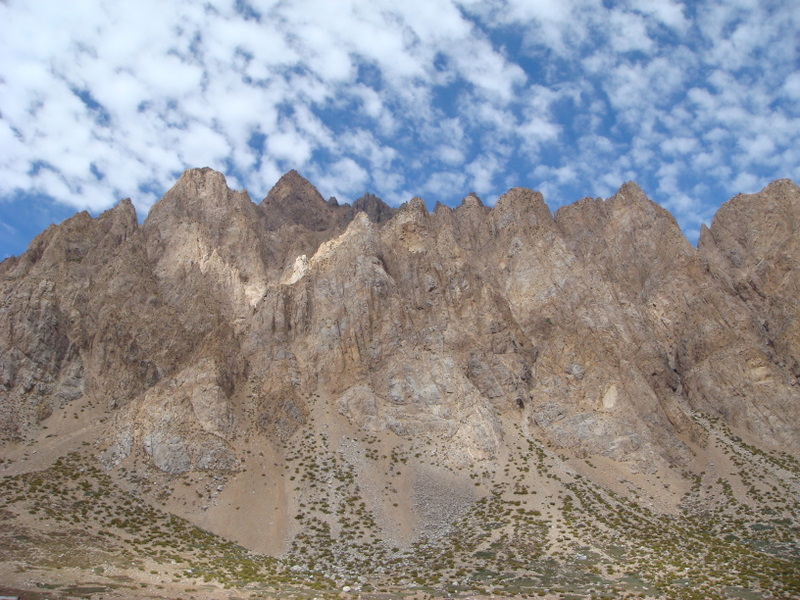
Puente del Inca, Andes Mountains Argentina

Puente del Inca, Andes Mountains Argentina
A surreal natural stone bridge draped in vivid yellow and orange mineral hues, hiding ancient thermal baths beneath the Andes.

Puente del Inca is one of Argentina’s most extraordinary natural wonders, a striking stone arch sculpted by centuries of mineral-rich thermal waters in the heart of the Andes Mountains. Located in Mendoza Province at an altitude of 2,720 meters, this geological marvel astonishes visitors with its glowing palette of sulfur yellows, rust oranges, and ochre reds, painted across the rock by the hot springs that flow beneath.

Beneath the natural bridge lie the haunting ruins of an early 20th-century thermal spa, once a glamorous retreat for European travelers. Though the resort was destroyed by an avalanche in 1965, its skeletal walls still cling to the cliffside, lending the site a romantic, time-worn atmosphere. Surrounded by snow-capped peaks and dramatic alpine valleys, Puente del Inca feels like a portal between worlds — half nature, half forgotten history.

Highlights

  • The iconic naturally-formed stone bridge stained in vivid sulfur colors
  • Ruins of the historic thermal spa hotel beneath the bridge
  • Panoramic views of the Andes and nearby Aconcagua, the highest peak in the Americas
  • Mineral hot springs bubbling through colorful rock formations

What to Do

  • Walk the viewing platforms to photograph the bridge from multiple angles
  • Explore the abandoned spa ruins and feel the warm mineral steam rising from below
  • Visit nearby Aconcagua Provincial Park for trekking and mountaineering
  • Browse the artisan stalls selling Andean crafts and woolens
  • Stop at the small chapel and learn about the area’s Inca trail heritage

Best Time to Visit

November to March (Southern Hemisphere summer), when mountain roads are open, weather is mild, and trekking conditions in the Andes are ideal.

Getting There

Puente del Inca lies along National Route 7, roughly 180 km west of Mendoza city. Visitors can reach it by rental car, organized day tours from Mendoza, or long-distance buses heading toward the Chilean border at Los Libertadores.

Visitor Tips

  • Bring layers — even in summer, the high altitude makes temperatures unpredictable
  • Stay hydrated and move slowly, as elevation can affect first-time visitors
  • Combine the visit with Aconcagua Park and the Christ the Redeemer of the Andes monument
  • Don’t touch the colored mineral formations — they are fragile and protected

Nearby

  • Aconcagua Provincial Park
  • Las Cuevas village near the Chilean border
  • Cristo Redentor de los Andes monument
  • Uspallata Valley

Whether you’re a geology lover, a history seeker, or simply chasing the unusual, Puente del Inca offers a landscape unlike anywhere else on Earth. Standing before its glowing arch, framed by the towering Andes, you’ll understand why travelers have been drawn to this mystical crossing for centuries.

Location Map

Puente del Inca, Andes Mountains Argentina Read More »

Colorful Burano Island Architecture, Venice Italy

Colorful Burano Island Architecture, Venice Italy
A vivid minimalist glimpse of Burano’s iconic painted walls and green shuttered windows that make this lagoon island one of Italy’s most photogenic destinations.

Burano is a small fishing island in the Venetian Lagoon, famous worldwide for its riot of brightly painted houses and delicate handmade lace. Each home is washed in a different vibrant hue — fiery red, sunshine yellow, ocean blue — creating a postcard-perfect scene at every turn. Local legend says the fishermen painted their homes in bold colors so they could spot them through the thick lagoon fog when returning from sea.

Beyond its colors, Burano offers a slower, more authentic taste of Venetian life. Narrow canals are lined with small boats, laundry flutters between shuttered windows, and the scent of fresh seafood drifts from family-run trattorias. It’s a place where every wall is a painting and every window — like the green-shuttered one framed against this brilliant red facade — tells a quiet story.

Highlights

  • Iconic rainbow-colored fishermen’s houses lining every canal
  • Traditional Venetian lace-making, a UNESCO-recognized craft
  • Charming green wooden shutters and pastel facades perfect for photography

What to Do

  • Wander Via Baldassarre Galuppi and photograph the colorful houses
  • Visit the Lace Museum (Museo del Merletto) to see centuries-old craftsmanship
  • Climb (or admire) the leaning bell tower of San Martino Church
  • Sample risotto de gò and bussolà cookies at a local trattoria

Best Time to Visit

April to June and September to October, when the weather is mild and crowds are thinner than peak summer.

Getting There

Take vaporetto line 12 from Venice’s Fondamente Nove stop; the ride across the lagoon takes about 45 minutes.

Visitor Tips

  • Arrive early in the morning to capture the colors without crowds
  • Wear comfortable shoes — the island is best explored on foot
  • Bring cash, as some smaller shops and lace makers don’t accept cards

Nearby

  • Murano Island, famed for its glassblowing workshops
  • Torcello Island, home to ancient Byzantine mosaics
  • Venice’s historic center with St. Mark’s Square

Whether you’re a photographer chasing color, a culture lover seeking artisan traditions, or simply a traveler in search of beauty in the smallest details, Burano rewards every visit. Step off the vaporetto and let its painted walls lead you into a world where everyday life feels like art.

Location Map

Colorful Burano Island Architecture, Venice Italy Read More »

Cologne Cathedral and Rhine River, Cologne Germany

Cologne Cathedral and Rhine River, Cologne Germany
A breathtaking nighttime vision of Gothic grandeur glowing above the timeless Rhine.

Few European landmarks rival the awe-inspiring presence of Cologne Cathedral (Kölner Dom), a UNESCO World Heritage masterpiece that has dominated the city’s skyline for over 600 years. Bathed in golden-green light at night, its twin spires soar above the Rhine, creating one of Germany’s most photographed scenes.

Flanked by the iron arches of the Hohenzollern Bridge and reflected in the dark waters of the Rhine, the cathedral becomes almost otherworldly after dark. The interplay of city lights, river reflections, and Gothic silhouette captures the romantic spirit of Cologne — a city where medieval heritage meets vibrant modern life.

Highlights

  • Twin Gothic spires illuminated against the night sky
  • Reflections of the cathedral and bridge lights shimmering on the Rhine
  • Iconic Hohenzollern Bridge framing the riverside view
  • UNESCO World Heritage Site status since 1996

What to Do

  • Climb the 533 steps of the south tower for panoramic city views
  • Admire the Shrine of the Three Kings and stunning stained glass windows inside the cathedral
  • Walk across the Hohenzollern Bridge and see the thousands of love locks
  • Take an evening Rhine river cruise for the best cathedral views
  • Explore the Old Town (Altstadt) and sample a traditional Kölsch beer

Best Time to Visit

Late spring through early autumn (May–September) offers pleasant weather for walking and river cruises, while December brings magical Christmas markets at the cathedral’s base.

Getting There

Cologne is easily reached by high-speed ICE trains from across Germany and Europe, arriving at Köln Hauptbahnhof directly beside the cathedral. Cologne Bonn Airport (CGN) is just 15 minutes away by train.

Visitor Tips

  • Visit at dusk to capture both daylight detail and the dramatic night illumination
  • Entry to the cathedral is free, but tower climbs and treasury require tickets
  • Dress modestly as it remains an active place of worship
  • The riverside promenade offers the best photography angles

Nearby

  • Hohenzollern Bridge and its famous love locks
  • Museum Ludwig (modern art)
  • Romano-Germanic Museum
  • Cologne Old Town (Altstadt) and the Rhine promenade
  • Chocolate Museum (Schokoladenmuseum)

Whether you’re a history enthusiast, an architecture lover, or a traveler chasing unforgettable skylines, Cologne Cathedral by night is a sight that lingers long after you’ve left. Stand by the Rhine, watch the spires glow, and feel the heartbeat of one of Europe’s most enduring icons.

Location Map

Cologne Cathedral and Rhine River, Cologne Germany Read More »

St. Peter’s Square Pigeons, Vatican City Rome Italy

St. Peter's Square Pigeons, Vatican City Rome Italy
A whimsical moment in the heart of Vatican City, where children and pigeons share the timeless cobblestones of St. Peter’s Square.

Vatican City, the smallest sovereign state in the world, is a place where centuries of history, art, and spirituality converge. Its iconic St. Peter’s Square, designed by Gian Lorenzo Bernini in the 17th century, is a vast cobblestone plaza that welcomes millions of pilgrims and travelers each year. Beyond the grandeur of the basilica and the colonnades, the square is home to flocks of pigeons that have become an unexpected charm of the visitor experience.

Watching a child dance through a sea of birds against the textured stones of the piazza captures a quintessential Roman moment — playful, candid, and unforgettable. It’s the kind of scene that reminds you that even in one of the most sacred and historic places on earth, simple joys are everywhere. The Vatican is not just about cathedrals and museums; it’s about these fleeting, human encounters too.

Highlights

  • St. Peter’s Basilica — Michelangelo’s masterpiece dome and Bernini’s baldachin
  • Bernini’s Colonnade encircling the square with 284 columns and 140 saint statues
  • The vast cobblestone piazza, perfect for people-watching and photography
  • Resident pigeons that delight children and photographers alike
  • Vatican Museums and the Sistine Chapel just steps away

What to Do

  • Attend a papal audience on Wednesday mornings in St. Peter’s Square
  • Climb to the top of St. Peter’s Basilica dome for panoramic views of Rome
  • Explore the Vatican Museums and marvel at the Sistine Chapel ceiling
  • Wander the cobblestones and capture candid moments with the pigeons
  • Visit the Vatican Gardens on a guided tour

Best Time to Visit

Spring (April-May) and autumn (September-October) offer mild weather and fewer crowds than peak summer.

Getting There

Vatican City is easily reached by Rome Metro Line A (Ottaviano station), buses 40 and 64, or a scenic walk from central Rome across the Tiber River.

Visitor Tips

  • Dress modestly — shoulders and knees must be covered to enter the basilica
  • Book Vatican Museum tickets online in advance to skip long queues
  • Arrive early in the morning to enjoy the square before the crowds arrive
  • Watch out for pickpockets in the busy plaza and surrounding streets

Nearby

  • Castel Sant’Angelo — historic fortress along the Tiber
  • Via della Conciliazione — grand boulevard leading to the Vatican
  • Trastevere — charming Roman neighborhood across the river
  • Piazza Navona and the Pantheon in central Rome

Whether you come for the spiritual significance, the breathtaking art, or simply to chase pigeons across ancient cobblestones, Vatican City offers experiences that linger long after you leave. Step into St. Peter’s Square and become part of a story centuries in the making.

Location Map

St. Peter’s Square Pigeons, Vatican City Rome Italy Read More »

Nærøyfjord, Norwegian Fjords Norway

Nærøyfjord, Norwegian Fjords Norway
A breathtaking UNESCO-listed fjord where mist-veiled mountains plunge into mirror-still waters dotted with timeless villages.

Tucked deep within the heart of western Norway, the Nærøyfjord is one of the most spectacular arms of the mighty Sognefjord. Towering cliffs rise dramatically from glassy emerald waters, while wisps of cloud drift between the peaks and tiny red-roofed hamlets cling to the shoreline. It’s a landscape that feels both ancient and otherworldly, shaped over millennia by glaciers and time.

Designated a UNESCO World Heritage Site, this narrow fjord stretches for about 17 kilometers and reaches widths of just 250 meters in places, making it one of the narrowest fjords in the world. The surrounding villages, like Bakka and Styvi, preserve a way of life that has changed little in centuries, with farms perched on impossibly steep slopes and small wooden churches dating back generations.

Whether you arrive by ferry, kayak, or scenic train, the Nærøyfjord delivers a sense of awe that few places on earth can rival — a true bucket-list encounter with raw Nordic beauty.

Highlights

  • UNESCO World Heritage status for outstanding natural beauty
  • Dramatic 1,800-meter cliffs rising directly from the water
  • Picturesque shoreline villages with traditional Norwegian architecture
  • Mirror-like reflections of mountains on calm fjord waters
  • Frequent mist and low cloud creating a mystical atmosphere

What to Do

  • Take the iconic Flåm to Gudvangen fjord cruise through the narrowest passages
  • Kayak along the quiet shoreline for an up-close perspective of the cliffs
  • Ride the famous Flåmsbana railway, one of the world’s steepest scenic rail journeys
  • Hike the trails around Bakka and Styvi for panoramic fjord views
  • Visit the historic Undredal village, famous for its tiny stave church and goat cheese

Best Time to Visit

May to September offers the mildest weather, lush green landscapes, and long daylight hours, while autumn brings dramatic moody skies and fewer crowds.

Getting There

Fly into Bergen or Oslo, then take the scenic Bergen Railway to Myrdal, transferring to the Flåm Railway. From Flåm, regular ferries and express boats run through the Nærøyfjord to Gudvangen.

Visitor Tips

  • Dress in layers — fjord weather changes quickly even in summer
  • Book fjord cruises and the Flåm Railway in advance during peak season
  • Bring a waterproof jacket and sturdy shoes for sudden rain showers
  • Stay overnight in Flåm or Aurland to experience the fjords beyond day-trippers

Nearby

  • Flåm Village and the Flåm Railway
  • Aurlandsfjord and Stegastein viewpoint
  • Undredal stave church
  • Sognefjord — Norway’s longest and deepest fjord

Standing at the edge of the Nærøyfjord, with mountains soaring overhead and silence broken only by lapping water, you feel the timeless magic of Norway’s wild heart. It’s a place that lingers in the memory long after you’ve left — and calls you back again and again.

Location Map

Nærøyfjord, Norwegian Fjords Norway Read More »

Scroll to Top