Southeast Asia

Ngurah Rai International Airport, Denpasar Bali Indonesia

Ngurah Rai International Airport, Denpasar Bali Indonesia
Bali’s primary gateway airport connecting the tropical island paradise to the world.

Ngurah Rai International Airport, commonly known as Denpasar Airport or DPS, is the main international aviation hub serving the Indonesian island of Bali. Located in Denpasar, the capital city of Bali, this modern airport welcomes millions of travelers annually who come to experience Bali’s stunning beaches, rich cultural heritage, and world-class hospitality. The airport’s strategic location makes it an essential transit point for visitors exploring Southeast Asia.

Highlights

  • Modern terminal facilities with efficient passenger processing
  • International flights connecting to major Asian hubs and beyond
  • Proximity to Bali’s famous beaches, resorts, and cultural attractions
  • Duty-free shopping and dining options in the terminal
  • Ground transportation services including taxis, car rentals, and ride-sharing

What to Do

  • Arrange ground transportation to your hotel or resort destination
  • Browse duty-free shops for souvenirs and travel essentials
  • Visit the airport’s observation areas for aircraft viewing
  • Explore nearby Denpasar city before traveling to beach areas
  • Book tours or activities at airport information desks

Best Time to Visit

April to October represents the dry season with the most favorable weather for airport operations and onward travel to island attractions

Getting There

International flights arrive from major Asian cities including Bangkok, Kuala Lumpur, Singapore, and beyond. Domestic connections link to Jakarta, Surabaya, and other Indonesian destinations.

Visitor Tips

  • Arrive at the airport 3 hours before international departures
  • Indonesian rupiah can be obtained at airport ATMs and currency exchanges
  • Pre-arrange transportation to your accommodation before arrival
  • Check visa requirements for Indonesia well in advance
  • The airport is approximately 13 km from Seminyak Beach resort area

Nearby

  • Seminyak Beach and resort area – 20 km
  • Ubud cultural heartland and rice terraces – 60 km
  • Tanah Lot Temple – 40 km
  • Kuta Beach – 15 km
  • Denpasar city center – 5 km

Whether you’re arriving for a tropical beach vacation, cultural exploration, or adventure activities, Ngurah Rai International Airport serves as your welcoming gateway to Bali’s extraordinary island experiences. Modern amenities, efficient services, and its strategic location make it the perfect starting point for unforgettable memories in one of the world’s most beloved travel destinations.

Location Map

Ngurah Rai International Airport, Denpasar Bali Indonesia Read More »
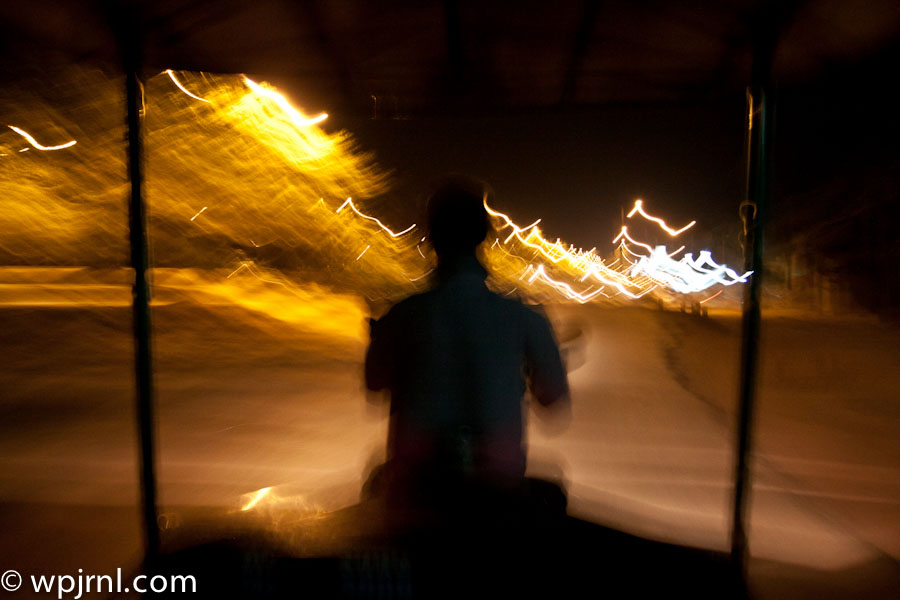
Tuk Tuk Ride, Southeast Asia

Tuk Tuk Ride, Southeast Asia
Experience the thrilling blur of colorful lights and motion on an iconic Southeast Asian tuk tuk at night.

A tuk tuk ride through the bustling streets of Southeast Asia is a quintessential travel experience that captures the energy and vibrancy of the region. These iconic three-wheeled vehicles are not just a mode of transport—they’re a cultural institution, offering visitors an authentic, adrenaline-pumping way to navigate crowded city streets. As the sun sets and neon lights illuminate the roads, a tuk tuk journey becomes a sensory adventure, complete with the rumble of the engine, the rush of wind, and the intoxicating atmosphere of urban nightlife.

Highlights

  • Night rides through illuminated streets with dazzling light trails and vibrant neon displays
  • Authentic local transportation offering an up-close view of daily city life
  • Heart-pounding thrills as drivers navigate through crowded urban traffic with practiced skill

What to Do

  • Take a sunset to night ride through the main tourist district to experience the city’s transformation after dark
  • Explore local neighborhoods and street food markets accessible only by tuk tuk
  • Enjoy the rush of an open-air ride with wind in your hair and city lights surrounding you

Best Time to Visit

Evening and night rides (6 PM to 11 PM) offer the best visual experience with city lights illuminating the streets

Getting There

Tuk tuks are readily available throughout Southeast Asian cities; hail them on the street or book through hotels and apps

Visitor Tips

  • Negotiate fares before boarding or use meter apps for transparency
  • Hold on tight—tuk tuk drivers are experienced but rides can be bumpy and thrilling
  • Avoid rush hour if you prefer a more leisurely pace; nighttime offers better photo opportunities

Nearby

  • Night markets and street food vendors
  • Temple complexes and historic landmarks
  • Rooftop bars and entertainment districts

A tuk tuk ride at night is more than just transportation—it’s an unforgettable immersion into the heart and soul of Southeast Asian cities. The blur of lights, the energy of the streets, and the thrill of movement create memories that will last a lifetime. Don’t miss this iconic experience during your travels.

Location Map

Tuk Tuk Ride, Southeast Asia Read More »
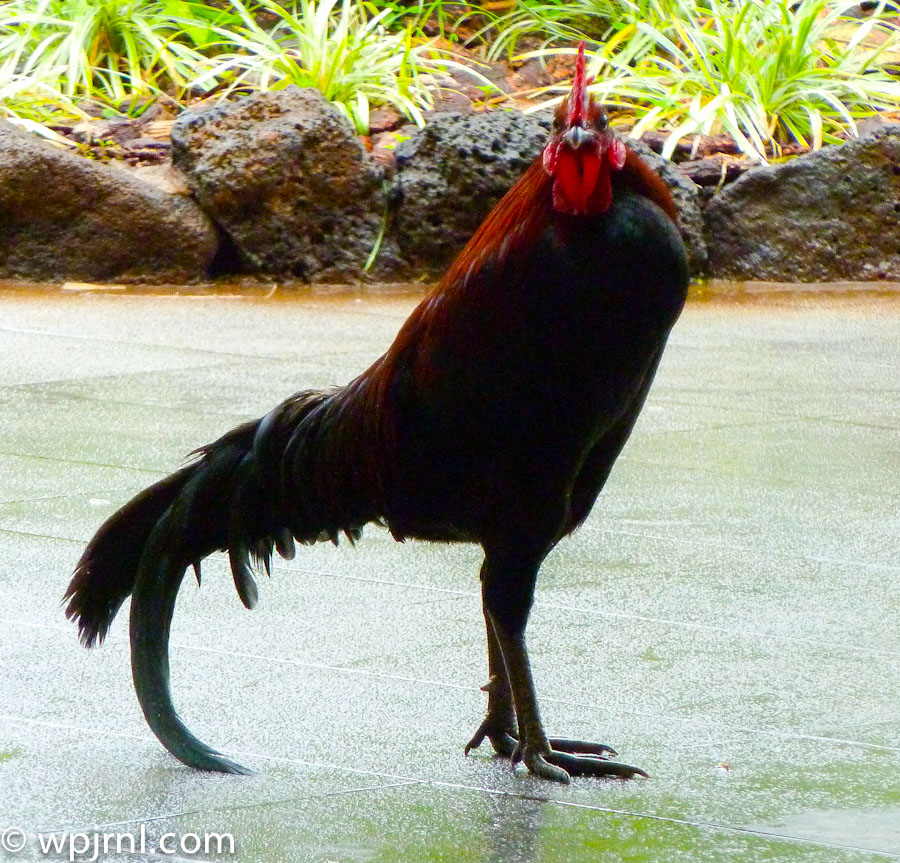
Rooster in Rural Village, Southeast Asia

Rooster in Rural Village, Southeast Asia
A striking red and black rooster showcases the vibrant wildlife of traditional Southeast Asian village life.

This photograph captures a moment of authentic rural life in Southeast Asia, where domestic roosters roam freely through village pathways. The bird’s distinctive red comb and deep black plumage are characteristic of traditional fighting cock breeds common throughout the region. Village life in Southeast Asia maintains strong connections to agricultural traditions and animal husbandry that have been passed down through generations. The natural stone walls and lush tropical vegetation visible in the background are typical of settled communities in countries like Thailand, Philippines, or Indonesia.

Highlights

  • Glimpse into authentic rural Southeast Asian village culture and daily life
  • Observation of traditional poultry breeds and animal husbandry practices
  • Natural tropical landscape with stone architecture and vegetation

What to Do

  • Explore traditional village markets and local farming communities
  • Photograph traditional architecture and rural landscapes
  • Experience local cultural practices and meet village residents
  • Visit agricultural areas and observe traditional animal husbandry

Best Time to Visit

November to February offers cooler, drier weather perfect for village exploration and outdoor photography

Getting There

Accessible by local transportation including buses, motorcycles, or guided tours from nearby towns

Visitor Tips

  • Respect local customs and ask permission before photographing animals or residents
  • Wear appropriate footwear for unpaved village paths
  • Visit early morning to experience peak village activity

Nearby

  • Local markets and temples
  • Agricultural farmland and rice paddies
  • Larger regional towns and cities

Rural Southeast Asian villages offer visitors an authentic glimpse into traditional ways of life that have flourished for centuries. The presence of free-roaming roosters and humble stone-built structures reminds us of the region’s deep agricultural heritage. By visiting these communities respectfully, travelers can gain meaningful cultural insights and support local economies while experiencing the genuine character of Southeast Asia.

Location Map

Rooster in Rural Village, Southeast Asia Read More »
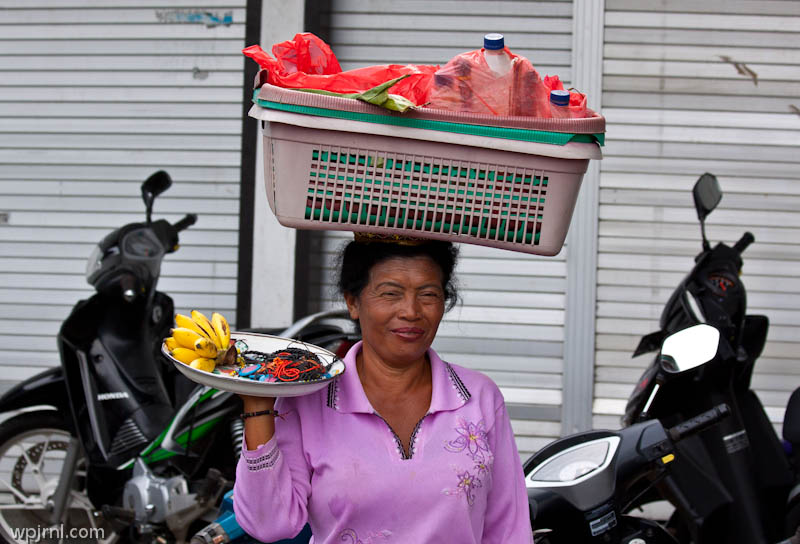
Street Markets of Southeast Asia – Vietnam

Street Markets of Southeast Asia - Vietnam
Experience the vibrant energy of authentic Southeast Asian street commerce where vendors skillfully balance tradition with commerce.

This photo captures the essence of Southeast Asian street culture, where resourceful vendors navigate daily commerce with remarkable ingenuity and cheerful determination. The scene showcases the everyday reality of street commerce in Vietnam, where motorcycles serve as mobile shops and vendors transform simple vehicles into mobile markets. The woman’s warm smile and impressive head-balancing technique—a traditional skill passed down through generations—exemplifies the resilience and entrepreneurial spirit that defines street life in Vietnam’s bustling urban centers.

Highlights

  • Traditional head-balancing technique used by street vendors across Southeast Asia
  • Authentic street commerce with motorcycles as mobile shops
  • Vibrant local produce and goods sold directly from the streets
  • Deep cultural insight into daily Vietnamese market life
  • Warm hospitality and human connection in informal commerce

What to Do

  • Explore local street markets early in the morning for the freshest produce and authentic interactions
  • Photograph street vendors and their unique selling methods
  • Sample fresh fruits and street food directly from vendors
  • Learn about traditional Vietnamese trading practices and cultural customs
  • Support local vendors by purchasing handmade goods and fresh items

Best Time to Visit

Early morning (6-9 AM) offers the best lighting and most active street commerce, with cooler temperatures ideal for exploring markets

Getting There

Navigate to major Vietnamese cities like Hanoi or Ho Chi Minh City where street markets operate daily on residential streets and near transportation hubs

Visitor Tips

  • Visit early morning for the freshest goods and most active vendor activity
  • Always ask permission before photographing vendors—most appreciate respect and courtesy
  • Carry small denominations of Vietnamese Dong for purchases
  • Be mindful of traffic and motorcycle congestion in market areas
  • Learn basic Vietnamese phrases to communicate and show respect

Nearby

  • Old Quarter, Hanoi – historic neighborhood with traditional street markets
  • Ben Thanh Market, Ho Chi Minh City – iconic covered market
  • Floating Markets of Mekong Delta – water-based commerce tradition

The street markets of Southeast Asia represent the beating heart of local culture and commerce. These scenes of daily life, captured through the genuine warmth of vendors like the one pictured, offer visitors an unfiltered glimpse into authentic Vietnamese society. By visiting these markets, you support local livelihoods while gaining memories and perspectives that no organized tour can provide.

Location Map

Street Markets of Southeast Asia – Vietnam Read More »
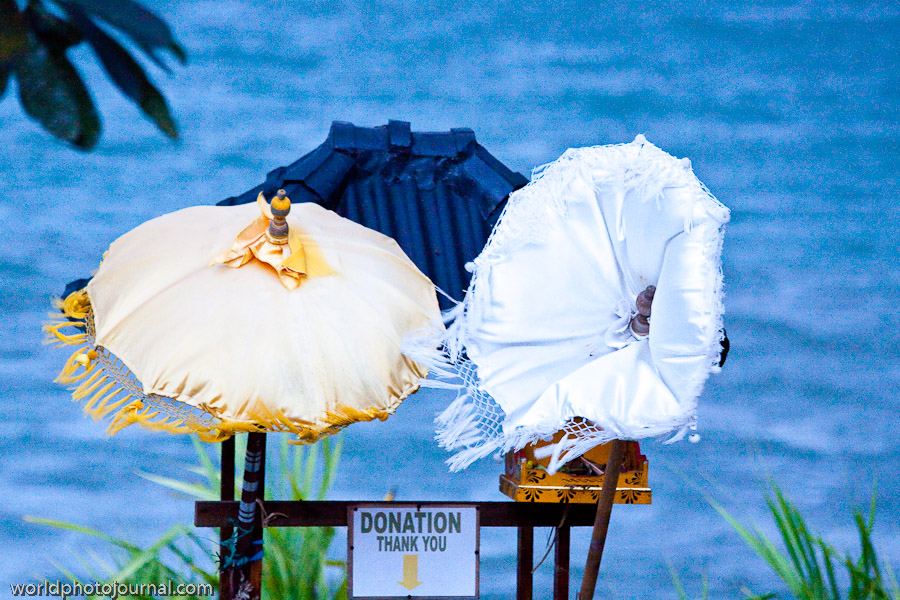
Tropical Beach Resort with Donation Station, Southeast Asia

Tropical Beach Resort with Donation Station, Southeast Asia
A serene beachfront escape where charitable giving meets paradise views.

This picturesque tropical beach destination captures the essence of Southeast Asian coastal hospitality, where turquoise waters meet white sandy shores and lush greenery. The iconic donation station with its elegant white and cream parasols serves as a charming focal point, inviting visitors to contribute to local communities while enjoying breathtaking ocean vistas. The juxtaposition of the traditional thatched-roof structure in the background and modern charitable infrastructure reflects the region’s blend of heritage and contemporary values.

Highlights

  • Crystal-clear turquoise waters perfect for swimming and water activities
  • Charitable donation station with traditional Southeast Asian architecture
  • Pristine white sandy beach lined with coconut palms and tropical vegetation
  • Stunning backdrop of traditional blue-roofed structures reflecting local culture

What to Do

  • Swim and snorkel in the transparent tropical waters
  • Support local communities through the donation station
  • Photograph the scenic parasol installations and ocean views
  • Relax on the white sand beach surrounded by tropical flora
  • Explore traditional local structures and cultural elements

Best Time to Visit

Dry season (November to April) offers calm seas, clear skies, and optimal beach conditions for swimming and water activities.

Getting There

Accessible via regional flights to major Southeast Asian hubs, followed by local transportation such as taxis, boats, or resort transfers.

Visitor Tips

  • Bring reef-safe sunscreen to protect the marine environment
  • Consider contributing to the donation station to support local initiatives
  • Visit early morning for the best lighting and fewer crowds
  • Wear water shoes for protection on sandy beaches
  • Check local weather and tide schedules before planning beach activities

Nearby

  • Traditional fishing villages with authentic local culture
  • Nearby coral reef systems ideal for snorkeling
  • Local markets selling traditional crafts and souvenirs

This serene tropical beach destination offers more than just stunning natural beauty—it provides an opportunity to make a meaningful impact on local communities while creating unforgettable memories in paradise. Whether you’re seeking relaxation, adventure, or cultural connection, this charming coastal haven welcomes you with open arms and crystal-clear waters.

Location Map

Tropical Beach Resort with Donation Station, Southeast Asia Read More »

Siem Reap, Cambodia – Tropical Wildlife Destination

Siem Reap, Cambodia - Tropical Wildlife Destination
Experience the vibrant wildlife and ancient temples of Cambodia’s most enchanting city.

Siem Reap is Cambodia’s premier tourist destination, famous as the gateway to the magnificent Angkor Wat temple complex. Beyond its world-renowned archaeological sites, the city offers visitors a chance to experience Southeast Asian tropical life in all its forms, from the bustling riverside markets to the lush natural environment that surrounds the region. The warm climate and rich biodiversity make it home to fascinating creatures like geckos, which can often be spotted on walls and buildings throughout the city, a reminder of the vibrant ecosystem thriving in this corner of Cambodia.

The city itself has evolved into a cosmopolitan hub while maintaining its authentic Khmer character, with colonial architecture, traditional temples, and modern amenities coexisting harmoniously. Whether exploring the intricate carvings of ancient temples or simply observing the local wildlife adapting to urban environments, Siem Reap offers a unique blend of history, culture, and natural wonder that captivates every traveler.

Highlights

  • Angkor Wat – the largest religious monument in the world and UNESCO World Heritage Site
  • Local wildlife encounters – geckos, lizards, and tropical creatures in their natural habitat
  • Tonlé Sap Lake – the largest freshwater lake in Southeast Asia with floating villages
  • Traditional Khmer cuisine and bustling night markets
  • Serene temples and atmospheric archaeological sites surrounding the city

What to Do

  • Explore the vast Angkor Archaeological Park with professional guides
  • Visit floating villages on Tonlé Sap Lake to experience local life
  • Observe tropical wildlife in their natural setting during evening walks
  • Shop at the Old Market for authentic Khmer crafts and souvenirs
  • Take cooking classes to learn traditional Cambodian recipes

Best Time to Visit

November to February offers the most pleasant weather with cooler temperatures and lower humidity, making it ideal for temple exploration and wildlife observation.

Getting There

Siem Reap International Airport (REP) is the main entry point with direct flights from Bangkok, Ho Chi Minh City, and other major Asian cities. Alternatively, visitors can reach the city by bus or boat from neighboring countries.

Visitor Tips

  • Wear light, breathable clothing and apply sunscreen – the tropical sun is intense
  • Hire a local guide for temple tours to gain deeper cultural insights
  • Visit temples early in the morning to avoid crowds and enjoy cooler temperatures
  • Be respectful when observing wildlife – maintain distance and avoid disturbing natural habitats
  • Learn a few basic Khmer phrases to enhance interactions with locals

Nearby

  • Angkor Wat temple complex – 5.5 km away
  • Tonlé Sap Lake floating villages – 15 km away
  • Banteay Srei temple – 25 km away
  • Phnom Kulen National Park – 50 km away

Siem Reap is more than just a destination for ancient history seekers – it’s a living, breathing corner of the world where tropical nature thrives and culture remains vibrant. From spotting geckos scaling temple walls to witnessing centuries-old architecture bathed in golden sunlight, every moment in Siem Reap offers discovery. Whether you’re a seasoned traveler or a first-time explorer, this enchanting city will leave you with unforgettable memories and a deeper appreciation for Southeast Asia’s natural and cultural treasures.

Location Map

Siem Reap, Cambodia – Tropical Wildlife Destination Read More »

Scroll to Top