wildlife

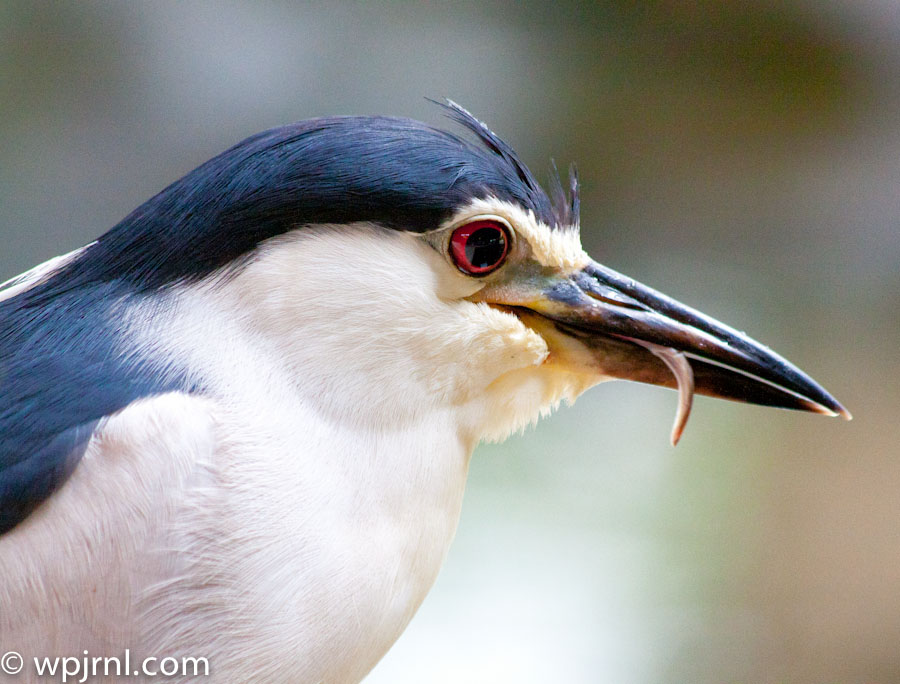
Fresh Fish Caught Heron Special
Fresh Fish Caught Heron Special
A heron’s perfectly fresh catch featuring live fish, nature’s most primal and delicious meal.

Prep Time: 0 minutes  |  Cook Time: 0 minutes  |  Total Time: Immediate
Servings: 1 serving  |  Difficulty: Expert  |  Cuisine: Natural/Wild

Ingredients

  • 1 freshly caught small fish
  • Natural water source
  • Heron hunting skills

Instructions

  1. Locate shallow water with abundant fish populations
  2. Wade slowly and deliberately into the water
  3. Wait with perfect stillness for prey to approach
  4. Strike with rapid precision using sharp beak
  5. Swallow whole immediately

Tips & Notes

  • Patience is key—wait motionless for the perfect moment
  • Hunt during early morning or dusk for best results
  • Shallow wetlands and marshes offer optimal hunting grounds
  • A sharp beak requires no cooking or preparation

Nutrition Notes

Raw fish provides excellent protein, omega-3 fatty acids, and essential nutrients for optimal heron health and plumage coloration.

Fresh Fish Caught Heron Special Read More »
Sea Turtle Snorkeling, Maui Hawaii

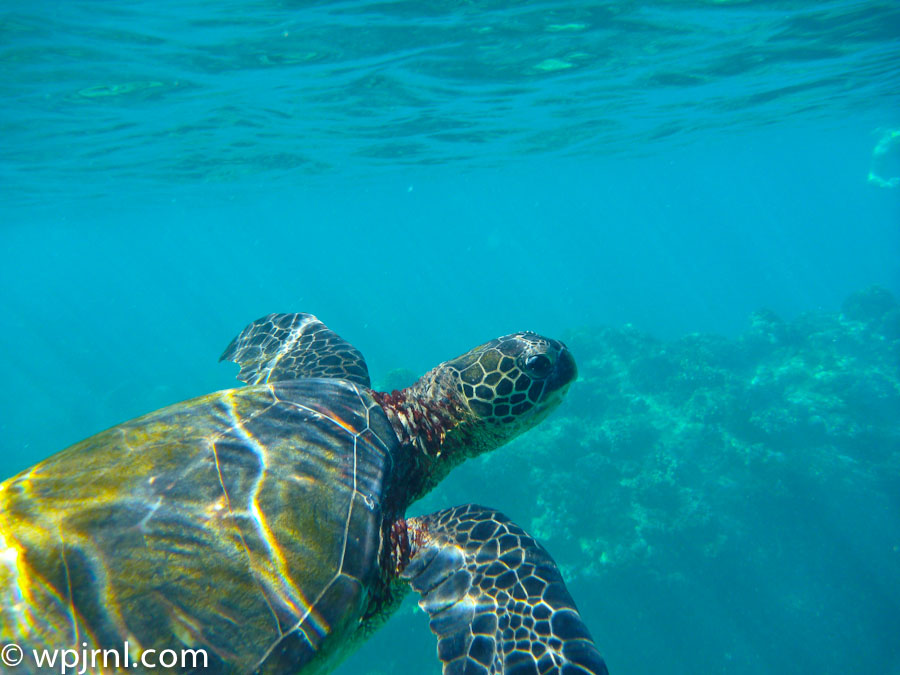
Sea Turtle Snorkeling, Maui Hawaii
Swim alongside ancient sea turtles in the crystal-clear waters of Maui’s most pristine snorkeling destinations.

Maui is one of Hawaii’s premier destinations for encountering green sea turtles (honu) in their natural habitat. These gentle giants, some over 50 years old, gracefully glide through the warm Pacific waters, offering unforgettable moments for snorkelers and ocean enthusiasts. The island’s protected marine areas provide safe havens where these endangered creatures feed and rest, creating magical wildlife encounters that connect visitors with Hawaii’s natural treasures and cultural heritage.

Snorkeling with sea turtles in Maui is not just an adventure—it’s a sacred experience deeply rooted in Hawaiian tradition. The island’s diverse coastlines, from sandy beaches to rocky coves, host thriving turtle populations that have called these waters home for centuries. Whether you’re a seasoned snorkeler or a first-timer, Maui offers accessible opportunities to witness these magnificent creatures up close.

Highlights

  • Encounter green sea turtles in crystal-clear turquoise waters
  • Explore vibrant coral reefs teeming with tropical fish
  • Experience pristine snorkeling at famous spots like Turtle Town and Molokini Crater
  • Learn about Hawaiian marine conservation and sea turtle protection
  • Photograph unforgettable wildlife moments in natural settings

What to Do

  • Snorkel at Turtle Town near Wailea, the most popular sea turtle spotting location
  • Take a guided snorkeling tour to Molokini Crater for diverse marine life
  • Visit the Hawaiian Islands Humpback Whale National Marine Sanctuary
  • Explore the Maui Ocean Center Aquarium to learn about local marine ecosystems
  • Kayak along the coast for peaceful wildlife observation

Best Time to Visit

Year-round, with best conditions from April to October when waters are calmest. Winter months (December-March) bring humpback whales alongside sea turtles.

Getting There

Fly into Kahului Airport on Maui. Rent a car to reach snorkeling spots; Turtle Town is about 20 minutes from Wailea Resort area. Many tour operators offer guided snorkeling excursions with hotel pickups.

Visitor Tips

  • Maintain a respectful distance of at least 6 feet from sea turtles; observe without touching
  • Use reef-safe sunscreen to protect marine ecosystems
  • Book early morning snorkeling tours for clearer waters and fewer crowds
  • Bring an underwater camera to capture memories responsibly
  • Consider hiring a local guide who knows the best turtle locations

Nearby

  • Molokini Crater Marine Reserve
  • Wailea Beach
  • Haleakala National Park summit views
  • Road to Hana scenic drive
  • Iao Valley State Park

Swimming alongside sea turtles in Maui’s pristine waters is a transformative experience that reminds us of our connection to nature and the importance of ocean conservation. These ancient mariners, gliding gracefully through turquoise depths, offer a glimpse into Hawaii’s rich marine heritage. Whether you’re seeking adventure, tranquility, or a deeper understanding of Hawaii’s ecosystems, snorkeling with Maui’s sea turtles promises memories that will last a lifetime.

Location Map

Sea Turtle Snorkeling, Maui Hawaii Read More »
South African Savanna Wildlife Reserve, South Africa

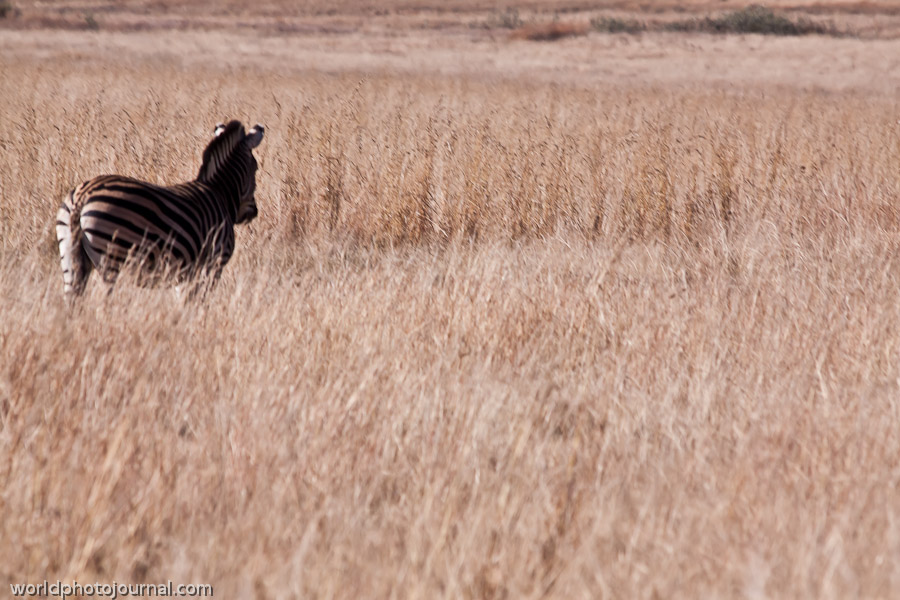
South African Savanna Wildlife Reserve, South Africa
Witness iconic African wildlife roaming freely across vast golden grasslands in one of the world’s most pristine ecosystems.

The South African savanna is one of Africa’s most breathtaking natural landscapes, where zebras, lions, elephants, and countless other species thrive in their natural habitat. This expansive grassland ecosystem stretches across millions of acres, characterized by golden grasses, scattered acacia trees, and an abundance of wildlife that makes it a premier destination for safari enthusiasts and nature photographers. The savanna’s seasonal changes transform the landscape dramatically, from lush green during the rainy season to drier, more exposed terrain during the dry months.

Highlights

  • Abundant wildlife including zebras, lions, leopards, elephants, and buffalo in their natural habitat
  • Vast open grasslands offering exceptional photography opportunities and wildlife viewing
  • Multiple national parks and private reserves offering various safari experiences

What to Do

  • Embark on guided safari drives to spot the Big Five and hundreds of other animal species
  • Photography safaris capturing iconic wildlife moments during golden hour
  • Walking safaris to experience the savanna up close with expert guides

Best Time to Visit

May to September during the dry season when wildlife congregates around water sources, making animal sightings more frequent and reliable.

Getting There

Fly into major airports like Johannesburg’s OR Tambo International Airport, then take connecting flights or drive to Kruger National Park or private reserves in the Mpumalanga and Limpopo provinces.

Visitor Tips

  • Bring binoculars, quality camera equipment, and zoom lenses for wildlife photography
  • Wear neutral earth-toned clothing to avoid disturbing wildlife
  • Plan at least 3-4 days for a meaningful safari experience

Nearby

  • Kruger National Park’s various camps and lodges
  • Private game reserves offering luxury safari experiences
  • Panorama Route scenic drives in Mpumalanga

The South African savanna offers an unparalleled opportunity to witness nature at its most magnificent, where you can observe zebras and countless other creatures thriving in one of Earth’s most extraordinary ecosystems. Whether you’re a seasoned traveler or embarking on your first safari adventure, the golden grasslands and abundant wildlife of South Africa will create memories that last a lifetime.

Location Map

South African Savanna Wildlife Reserve, South Africa Read More »
Lion Park Wildlife Sanctuary, Johannesburg South Africa

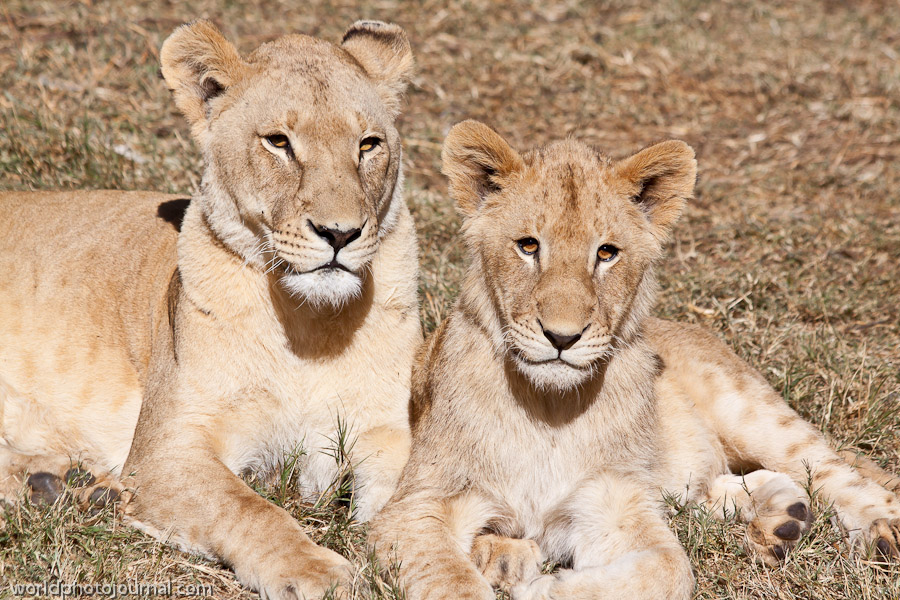
Lion Park Wildlife Sanctuary, Johannesburg South Africa
Experience Africa’s majestic lions up close in a world-class wildlife sanctuary near Johannesburg.

Lion Park is one of South Africa’s premier wildlife destinations, offering visitors an extraordinary opportunity to observe and photograph lions and other African animals in a safe, controlled environment. Located just outside Johannesburg, this acclaimed sanctuary provides an immersive African safari experience without requiring a lengthy journey into remote bush country. The park is home to numerous lions, including majestic males, proud females, and playful cubs, all living in spacious, naturalistic enclosures that prioritize animal welfare and authentic behavior.

Highlights

  • Walk-through lion enclosures for close encounters with these apex predators
  • Professional photography opportunities with multiple lion prides in natural settings
  • Educational guided tours led by knowledgeable wildlife experts
  • Other African wildlife including giraffes, zebras, wildebeest, and various bird species
  • Safe, well-maintained facilities with excellent viewing platforms

What to Do

  • Take a guided lion walk through open enclosures for thrilling close-range viewing
  • Participate in photo safaris to capture stunning portraits of lions and wildlife
  • Enjoy educational presentations about lion behavior and conservation efforts
  • Visit the various habitat zones to observe different animal species
  • Relax at the on-site restaurant with views of the animal enclosures

Best Time to Visit

April to September (South African autumn and winter) offers cooler temperatures and better wildlife activity, though the park is open year-round with animals most active in early morning hours.

Getting There

Located approximately 50km north of Johannesburg city center, Lion Park is accessible by car (45-60 minutes drive) or organized tour services. The nearest major airport is O.R. Tambo International Airport in Johannesburg.

Visitor Tips

  • Arrive early in the morning for optimal wildlife viewing and photography conditions
  • Wear neutral-colored clothing to avoid startling animals during walks
  • Bring a quality camera with a good zoom lens for excellent wildlife photography
  • Book guided tours in advance, especially during peak tourist seasons
  • Apply sunscreen and bring water, as the African sun is intense

Nearby

  • Hartebeespoort Dam scenic area
  • Cradle of Humankind UNESCO World Heritage Site
  • Johannesburg city attractions and museums
  • Pilanesberg National Park

Lion Park offers an unforgettable window into the majesty of Africa’s greatest predators, combining thrilling wildlife encounters with world-class facilities and expert guidance. Whether you’re a wildlife photographer, nature enthusiast, or simply seeking a remarkable South African experience, Lion Park delivers an authentic safari adventure that will leave you in awe of these magnificent creatures and inspire a deeper appreciation for African conservation.

Location Map

Lion Park Wildlife Sanctuary, Johannesburg South Africa Read More »
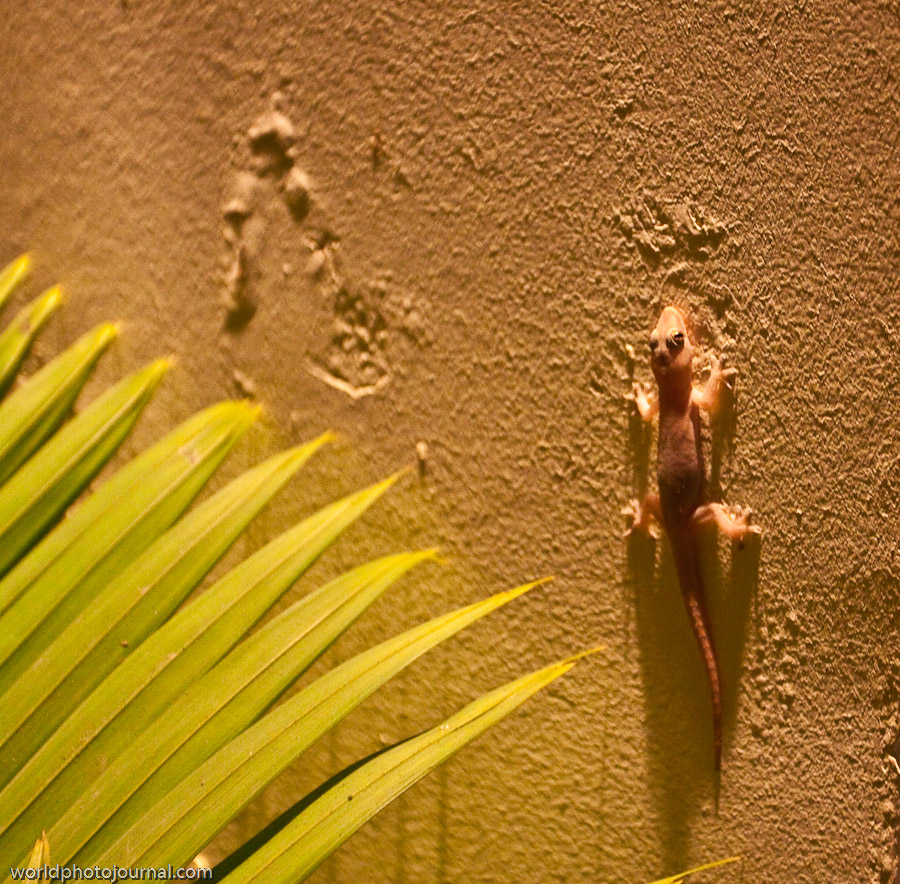
Siem Reap, Cambodia – Tropical Wildlife Destination

Siem Reap, Cambodia - Tropical Wildlife Destination
Experience the vibrant wildlife and ancient temples of Cambodia’s most enchanting city.

Siem Reap is Cambodia’s premier tourist destination, famous as the gateway to the magnificent Angkor Wat temple complex. Beyond its world-renowned archaeological sites, the city offers visitors a chance to experience Southeast Asian tropical life in all its forms, from the bustling riverside markets to the lush natural environment that surrounds the region. The warm climate and rich biodiversity make it home to fascinating creatures like geckos, which can often be spotted on walls and buildings throughout the city, a reminder of the vibrant ecosystem thriving in this corner of Cambodia.

The city itself has evolved into a cosmopolitan hub while maintaining its authentic Khmer character, with colonial architecture, traditional temples, and modern amenities coexisting harmoniously. Whether exploring the intricate carvings of ancient temples or simply observing the local wildlife adapting to urban environments, Siem Reap offers a unique blend of history, culture, and natural wonder that captivates every traveler.

Highlights

  • Angkor Wat – the largest religious monument in the world and UNESCO World Heritage Site
  • Local wildlife encounters – geckos, lizards, and tropical creatures in their natural habitat
  • Tonlé Sap Lake – the largest freshwater lake in Southeast Asia with floating villages
  • Traditional Khmer cuisine and bustling night markets
  • Serene temples and atmospheric archaeological sites surrounding the city

What to Do

  • Explore the vast Angkor Archaeological Park with professional guides
  • Visit floating villages on Tonlé Sap Lake to experience local life
  • Observe tropical wildlife in their natural setting during evening walks
  • Shop at the Old Market for authentic Khmer crafts and souvenirs
  • Take cooking classes to learn traditional Cambodian recipes

Best Time to Visit

November to February offers the most pleasant weather with cooler temperatures and lower humidity, making it ideal for temple exploration and wildlife observation.

Getting There

Siem Reap International Airport (REP) is the main entry point with direct flights from Bangkok, Ho Chi Minh City, and other major Asian cities. Alternatively, visitors can reach the city by bus or boat from neighboring countries.

Visitor Tips

  • Wear light, breathable clothing and apply sunscreen – the tropical sun is intense
  • Hire a local guide for temple tours to gain deeper cultural insights
  • Visit temples early in the morning to avoid crowds and enjoy cooler temperatures
  • Be respectful when observing wildlife – maintain distance and avoid disturbing natural habitats
  • Learn a few basic Khmer phrases to enhance interactions with locals

Nearby

  • Angkor Wat temple complex – 5.5 km away
  • Tonlé Sap Lake floating villages – 15 km away
  • Banteay Srei temple – 25 km away
  • Phnom Kulen National Park – 50 km away

Siem Reap is more than just a destination for ancient history seekers – it’s a living, breathing corner of the world where tropical nature thrives and culture remains vibrant. From spotting geckos scaling temple walls to witnessing centuries-old architecture bathed in golden sunlight, every moment in Siem Reap offers discovery. Whether you’re a seasoned traveler or a first-time explorer, this enchanting city will leave you with unforgettable memories and a deeper appreciation for Southeast Asia’s natural and cultural treasures.

Location Map

Siem Reap, Cambodia – Tropical Wildlife Destination Read More »
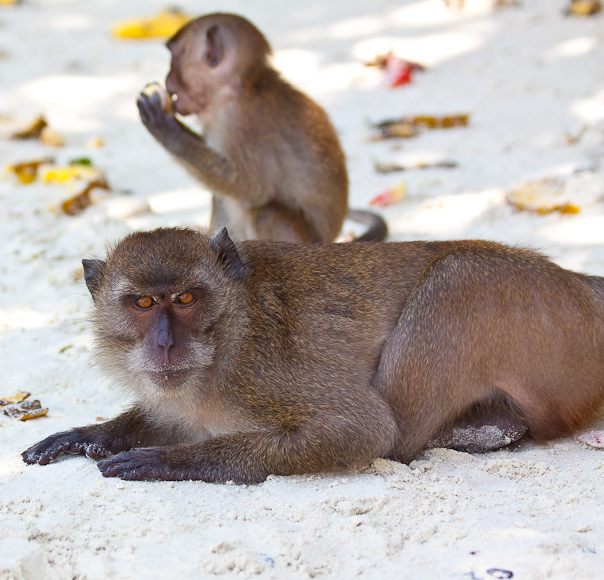
Monkey Island, Phi Phi Island — Thailand

Monkey Island, Phi Phi Island — Thailand
A pristine tropical sanctuary where wild monkeys roam freely on powdery white sand beaches surrounded by crystal-clear waters.

Monkey Island is one of Thailand’s most enchanting natural attractions, located off the coast of Phi Phi Island in Krabi Province. This idyllic destination offers visitors a rare opportunity to observe long-tailed macaques in their natural habitat while enjoying some of Southeast Asia’s most stunning beach scenery. The island’s untouched beauty, combined with its thriving monkey population, makes it a must-visit for wildlife enthusiasts and beach lovers alike. The monkeys here are remarkably habituated to human visitors, allowing for up-close wildlife photography and observation without disrupting their natural behavior.

Highlights

  • Wild long-tailed macaques lounging and foraging on pristine white sand beaches
  • Crystal-clear turquoise waters perfect for swimming and snorkeling
  • Dramatic limestone cliffs and lush tropical vegetation surrounding the island
  • Excellent opportunities for wildlife photography and nature observation

What to Do

  • Observe and photograph the resident monkey population in their natural environment
  • Swim and snorkel in the clear waters surrounding the island
  • Relax on the untouched white sand beaches with stunning views
  • Explore the island’s natural trails and scenic viewpoints
  • Take guided boat tours from nearby Phi Phi Island

Best Time to Visit

November to April offers the best weather with calm seas, clear skies, and comfortable temperatures. Avoid the monsoon season from May to October when seas are rough and visibility is poor.

Getting There

Monkey Island is accessible by boat from Phi Phi Island, which can be reached by speedboat or ferry from Phuket Town (about 40-60 minutes). Most visitors book organized tours or hire private long-tail boats from nearby islands.

Visitor Tips

  • Don’t bring plastic bags or leave food unattended, as monkeys may grab items
  • Keep valuables secure, as monkeys are known to snatch small objects
  • Bring reef-safe sunscreen to protect both your skin and the marine ecosystem
  • Visit early morning for the best wildlife viewing and fewer crowds
  • Wear water shoes for comfort on the sandy beach and rocky areas

Nearby

  • Phi Phi Don Island with its famous Maya Bay
  • Bamboo Island with pristine coral reefs
  • Phuket Town and Patong Beach
  • James Bond Island in Phang Nga Bay

Monkey Island offers an unforgettable experience where nature and wildlife converge in perfect harmony. Whether you’re seeking adventure, relaxation, or authentic wildlife encounters, this tropical paradise delivers on all fronts. The sight of wild monkeys against the backdrop of turquoise waters and white sand beaches is an image that stays with travelers long after they leave Thailand’s shores.

Location Map

Monkey Island, Phi Phi Island — Thailand Read More »

Scroll to Top