travel

travel photos

Ubud Crafts Store, Ubud Streets, Bali, Indonesia

Ubud Crafts Store, Ubud Streets, Bali, Indonesia
A vibrant marketplace showcase of traditional Balinese textiles, beads, and handcrafted cultural treasures

Ubud’s streets are lined with enchanting craft stores that capture the essence of Balinese artistry and tradition. This particular storefront exemplifies the region’s dedication to preserving and celebrating traditional craftsmanship, displaying an impressive array of handwoven ribbons, ceremonial textiles, and decorative beads. The intricate patterns and vibrant colors reflect centuries of cultural heritage, making these stores essential destinations for travelers seeking authentic souvenirs and insight into local artisanal practices. Every item tells a story of skilled craftspeople who have perfected their techniques across generations.

Highlights

  • Hand-woven textile ribbons with traditional Balinese motifs in rich jewel tones and earth colors
  • Ceremonial beaded necklaces and strings in every color imaginable, from deep blues to bright yellows
  • Intricately patterned decorative fabrics featuring iconic Balinese designs and symbols
  • Authentic crafts directly from local artisans, supporting traditional manufacturing methods

What to Do

  • Browse and select from hundreds of traditional textile patterns for clothing, home décor, or cultural gifts
  • Interact with shop owners to learn about the meaning and history behind specific designs and motifs
  • Shop for beaded jewelry and accessories made with natural materials
  • Photograph the vibrant displays that showcase Bali’s artistic heritage

Best Time to Visit

April to October during the dry season when weather is pleasant and ideal for exploring outdoor markets

Getting There

Ubud is centrally located in Bali, accessible by car from Denpasar Airport (about 1.5 hours) or by local shuttle services. The main streets of Ubud are pedestrian-friendly and easy to navigate on foot.

Visitor Tips

  • Arrive early in the day for the best selection before popular items sell out
  • Don’t hesitate to negotiate prices politely; bargaining is customary in these markets
  • Bring cash in Indonesian Rupiah, as not all small shops accept credit cards
  • Take time to chat with vendors about their products—they often have fascinating stories about the craftsmanship

Nearby

  • Ubud Traditional Market (Pasar Ubud)
  • Tegallalang Rice Terraces
  • Ubud Palace (Puri Saren Agung)
  • Campuhan Ridge Walk

The craft stores of Ubud’s streets offer more than just beautiful souvenirs—they provide a genuine window into Balinese culture and the enduring traditions of Indonesian artisans. Whether you’re seeking a special gift, home décor piece, or simply wish to connect with local craftsmanship, these vibrant marketplaces deliver an unforgettable shopping experience that supports communities and preserves cultural heritage.

Location Map

Ubud Crafts Store, Ubud Streets, Bali, Indonesia Read More »

Coral Reef Aquarium Display, Marine Aquarium Installation

Coral Reef Aquarium Display, Marine Aquarium Installation
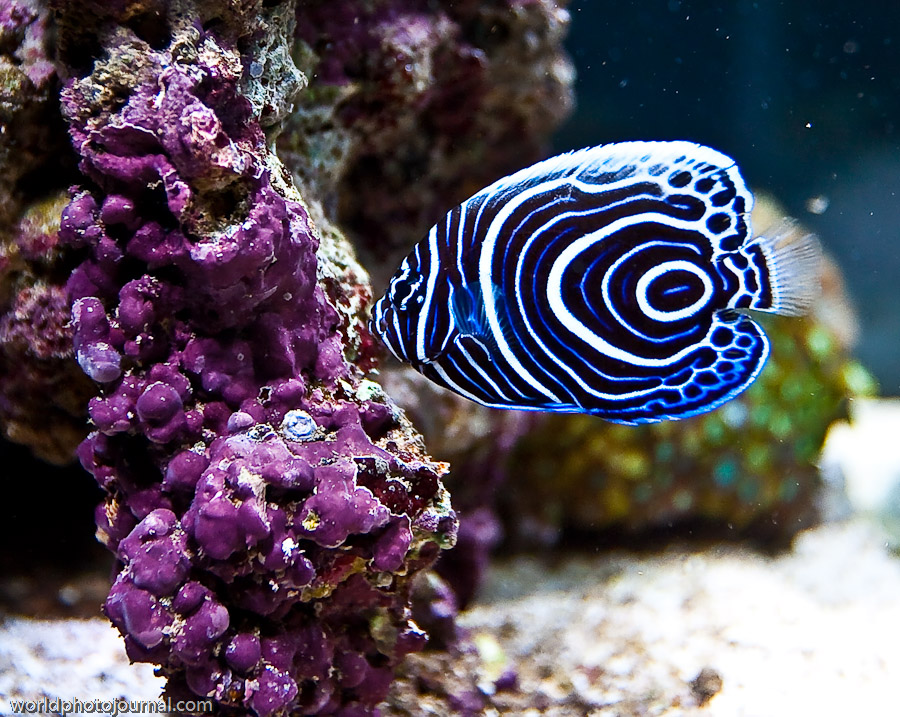
A vibrant underwater ecosystem showcasing thriving corals, tropical fish, and marine biodiversity in a professionally maintained reef environment.

This stunning coral reef aquarium represents a carefully curated marine habitat that demonstrates the beauty and complexity of ocean ecosystems. The display features a diverse collection of hard and soft corals, colorful tropical fish species including clownfish, and various invertebrates thriving under specialized LED lighting. The aquarium showcases professional aquaculture techniques and the delicate balance required to maintain a healthy reef system in captivity.

Highlights

  • Diverse coral collection including brain corals, anemones, and branching corals in various colors
  • Vibrant tropical fish species such as orange clownfish and striped reef fish
  • Professional Solana pendant LED lighting system providing optimal spectrum for coral health
  • Living rock formations creating natural habitat structures for marine life
  • Red and white cleaner shrimp visible among the coral formations

What to Do

  • Observe the symbiotic relationships between clownfish and host anemones
  • Study the different coral species and their individual characteristics
  • Watch the behavior of various tropical fish species in their reef environment
  • Learn about marine conservation and reef sustainability efforts
  • Photograph the vibrant colors and intricate details of the coral ecosystem

Best Time to Visit

During daylight hours when LED lighting is optimally set to showcase coral colors and fish activity; visiting in afternoon provides best lighting conditions for observation

Getting There

Located within an aquarium facility; check facility hours and admission requirements

Visitor Tips

  • Allow time to observe the same area multiple times to spot different fish behaviors
  • Read information placards about each coral species and their care requirements
  • Avoid tapping on glass or shining bright lights that may stress the marine life
  • Visit during quieter hours for better observation and photography opportunities

Nearby

  • Other aquarium tank displays
  • Marine education center exhibits
  • Visitor facilities and marine gift shop

This remarkable coral reef aquarium offers a window into one of Earth’s most biodiverse ecosystems, demonstrating the wonder of marine life and the importance of reef conservation. Whether you’re a marine enthusiast, aquarium hobbyist, or casual visitor, this display provides unforgettable insights into the underwater world and inspires appreciation for ocean preservation.

Location Map

Coral Reef Aquarium Display, Marine Aquarium Installation Read More »

Super Green Zoas Coral Colony, Saltwater Aquarium

Super Green Zoas Coral Colony, Saltwater Aquarium
Vibrant zoanthid corals displaying mesmerizing fluorescent green patterns and delicate tentacle structures.

Super Green Zoas represent some of the most visually striking colonial corals in the saltwater aquarium hobby. These zoanthids display brilliant fluorescent green coloration with intricate tentacle arrangements that create a hypnotic, textured appearance under aquarium lighting. Each polyp features hair-like tentacles that sway gently with water currents, creating a living landscape of movement and color. These corals are prized by reef aquarists for their hardiness, ease of care, and stunning aesthetic appeal that transforms any marine tank into an underwater garden.

Highlights

  • Brilliant fluorescent green coloration visible under standard aquarium lighting
  • Intricate colonial structure with densely packed zoanthid polyps
  • Hair-like tentacles create dynamic movement and depth
  • Beginner-friendly coral suitable for various aquarium setups

What to Do

  • Observe the tentacle movements as they feed on plankton and organic matter
  • Photograph under specialized aquarium lighting to capture fluorescence
  • Monitor colony growth and expansion over weeks and months
  • Fragging – carefully separate polyps to create new colonies

Best Time to Visit

Optimal viewing is during evening feeding hours when polyps are fully extended, typically 1-2 hours after lights dim

Getting There

Available through aquarium retailers, online coral suppliers, and experienced hobbyist fragging communities

Visitor Tips

  • Maintain stable water parameters: salinity 1.023-1.025, temperature 74-78°F
  • Provide moderate water flow for optimal polyp extension and nutrient delivery
  • Place in mid-level tank positioning to avoid excessive light and strong currents
  • Allow 2-4 weeks acclimation before expecting full polyp extension

Nearby

  • Other zoanthid varieties – Palythoa, Protopalythoa species
  • LPS corals – torch corals, hammer corals
  • Soft corals – leather corals, mushroom corals

Super Green Zoas embody the magic of reef keeping—combining ease of care with breathtaking natural beauty. Whether you’re a seasoned aquarist or exploring the hobby for the first time, these vibrant corals offer endless fascination and reward patient observation with displays of movement, growth, and radiant color.

Location Map

Super Green Zoas Coral Colony, Saltwater Aquarium Read More »

Coral Reef Marine Ecosystem, Tropical Oceans Worldwide

Coral Reef Marine Ecosystem, Tropical Oceans Worldwide
Explore the vibrant underwater world of coral reefs, home to some of Earth’s most colorful and biodiverse ecosystems.

Coral reefs represent some of the most spectacular and biodiverse ecosystems on our planet, thriving in warm tropical and subtropical waters. These underwater gardens are built by tiny colonial animals called coral polyps, which create intricate structures that support thousands of marine species. The RBTA, or Red and Black Tree Anemone, is just one of the countless fascinating creatures that call coral reefs home, displaying remarkable colors and adaptations that make these places truly magical destinations for divers and marine enthusiasts.

Highlights

  • Stunning biodiversity with thousands of fish, invertebrate, and plant species in one ecosystem
  • Vibrant colors and intricate coral formations that create an alien landscape beneath the waves
  • Symbiotic relationships between corals and anemones that showcase nature’s complexity
  • Bioluminescent creatures and nocturnal marine life visible on night dives

What to Do

  • Scuba diving or snorkeling to observe coral structures and marine wildlife up close
  • Underwater photography to capture the incredible colors and formations
  • Marine biology tours led by expert guides explaining ecosystem dynamics
  • Night diving to witness nocturnal creatures and bioluminescence

Best Time to Visit

Dry season (typically November to April) offers the best visibility and calmest conditions for reef exploration, though timing varies by location

Getting There

Most coral reef destinations are accessible by boat from coastal cities or islands; popular reefs include the Great Barrier Reef (Australia), Maldives, Caribbean islands, and Southeast Asian locations

Visitor Tips

  • Use reef-safe sunscreen to protect coral from chemical damage
  • Never touch or step on coral; observe wildlife from a respectful distance
  • Consider diving certification courses before exploring deeper reefs
  • Go with licensed tour operators who follow sustainable tourism practices

Nearby

  • Tropical beaches and island resorts near reef systems
  • Marine research centers and aquariums dedicated to coral conservation
  • Mangrove forests and seagrass beds that support reef ecosystems

Coral reefs are irreplaceable natural wonders that deserve our respect and protection. Whether you’re an experienced diver or a curious snorkeler, visiting these underwater treasures offers an unforgettable glimpse into one of Earth’s most vibrant ecosystems. By exploring reefs responsibly, you not only create lasting memories but also support conservation efforts that keep these magical worlds thriving for future generations.

Location Map

Coral Reef Marine Ecosystem, Tropical Oceans Worldwide Read More »

Park Hyatt Beijing Luxury Hotel, Beijing China

Park Hyatt Beijing Luxury Hotel, Beijing China
An architectural masterpiece offering stunning views of Beijing’s skyline from its iconic rooftop location and elegantly designed interiors.

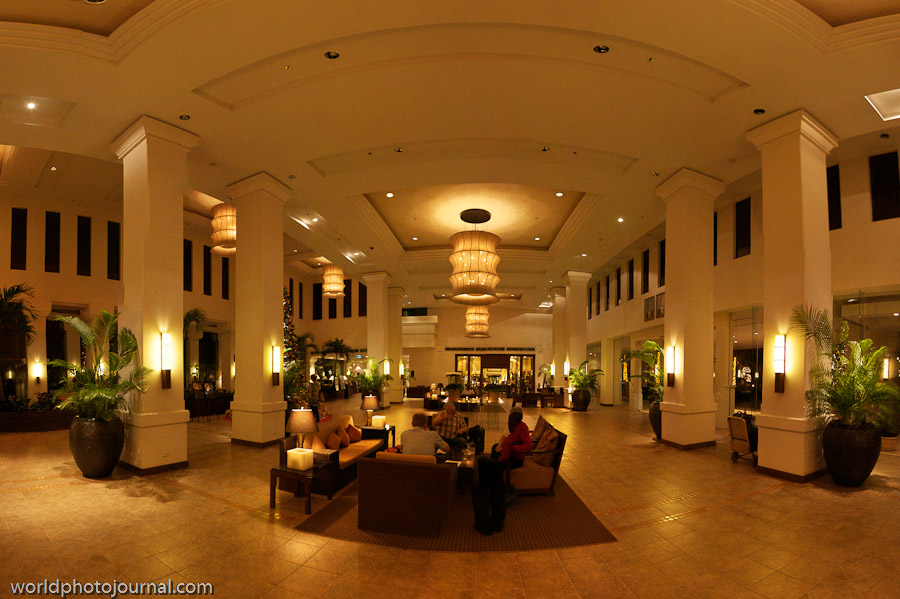
The Park Hyatt Beijing stands as one of the world’s most distinctive luxury hotels, perched atop the China Zun building (formerly CITIC Tower) in Beijing’s central business district. This ultra-luxury property combines contemporary design with exceptional service, offering guests an unparalleled vantage point of the city’s dramatic landscape. The hotel’s China Grill restaurant and sophisticated lobby exemplify the seamless blend of modern architecture and timeless elegance that defines this extraordinary destination.

Highlights

  • Rooftop location on China Zun offering panoramic 360-degree views of Beijing
  • China Grill restaurant featuring contemporary Asian cuisine with dramatic city views
  • Elegant and minimalist lobby design with soaring ceilings and ambient lighting
  • Five-star accommodations with floor-to-ceiling windows overlooking the cityscape
  • Premium spa and wellness facilities with city views

What to Do

  • Dine at China Grill to experience fine dining with spectacular night views of Beijing’s skyline
  • Enjoy cocktails at the hotel bar while taking in panoramic city vistas
  • Explore the adjacent shopping and entertainment district
  • Visit nearby cultural landmarks including the Forbidden City and Temple of Heaven
  • Experience the hotel’s spa and wellness amenities

Best Time to Visit

Spring (April-May) and autumn (September-October) offer pleasant weather and clear skies for optimal views of Beijing’s cityscape from the hotel’s elevated position.

Getting There

Located in Beijing’s Central Business District, accessible via Beijing’s metro system (Line 1 or 5), taxi, or private car service. The hotel is approximately 25km from Beijing Capital International Airport.

Visitor Tips

  • Book dinner reservations at China Grill in advance, especially for window seating
  • Visit during evening hours to experience the dramatic transformation of the city lights
  • The lobby offers an excellent photo opportunity showcasing the hotel’s architectural design
  • Allow time to explore the building’s art installations and contemporary design elements

Nearby

  • Forbidden City – imperial palace complex
  • Temple of Heaven – historic Taoist temple and UNESCO World Heritage Site
  • National Museum of China – world’s most visited art museum
  • Beijing Central Business District – shopping and dining hub

The Park Hyatt Beijing represents the pinnacle of luxury hospitality in China’s capital, offering a transformative experience that combines world-class service with breathtaking architectural vistas. Whether you’re dining at China Grill, relaxing in your suite, or simply taking in the spectacular night views from the lobby, this hotel provides an unforgettable perspective on one of the world’s most dynamic cities.

Location Map

Park Hyatt Beijing Luxury Hotel, Beijing China Read More »

Siem Reap, Cambodia – Tropical Wildlife Destination

Siem Reap, Cambodia - Tropical Wildlife Destination
Experience the vibrant wildlife and ancient temples of Cambodia’s most enchanting city.

Siem Reap is Cambodia’s premier tourist destination, famous as the gateway to the magnificent Angkor Wat temple complex. Beyond its world-renowned archaeological sites, the city offers visitors a chance to experience Southeast Asian tropical life in all its forms, from the bustling riverside markets to the lush natural environment that surrounds the region. The warm climate and rich biodiversity make it home to fascinating creatures like geckos, which can often be spotted on walls and buildings throughout the city, a reminder of the vibrant ecosystem thriving in this corner of Cambodia.

The city itself has evolved into a cosmopolitan hub while maintaining its authentic Khmer character, with colonial architecture, traditional temples, and modern amenities coexisting harmoniously. Whether exploring the intricate carvings of ancient temples or simply observing the local wildlife adapting to urban environments, Siem Reap offers a unique blend of history, culture, and natural wonder that captivates every traveler.

Highlights

  • Angkor Wat – the largest religious monument in the world and UNESCO World Heritage Site
  • Local wildlife encounters – geckos, lizards, and tropical creatures in their natural habitat
  • Tonlé Sap Lake – the largest freshwater lake in Southeast Asia with floating villages
  • Traditional Khmer cuisine and bustling night markets
  • Serene temples and atmospheric archaeological sites surrounding the city

What to Do

  • Explore the vast Angkor Archaeological Park with professional guides
  • Visit floating villages on Tonlé Sap Lake to experience local life
  • Observe tropical wildlife in their natural setting during evening walks
  • Shop at the Old Market for authentic Khmer crafts and souvenirs
  • Take cooking classes to learn traditional Cambodian recipes

Best Time to Visit

November to February offers the most pleasant weather with cooler temperatures and lower humidity, making it ideal for temple exploration and wildlife observation.

Getting There

Siem Reap International Airport (REP) is the main entry point with direct flights from Bangkok, Ho Chi Minh City, and other major Asian cities. Alternatively, visitors can reach the city by bus or boat from neighboring countries.

Visitor Tips

  • Wear light, breathable clothing and apply sunscreen – the tropical sun is intense
  • Hire a local guide for temple tours to gain deeper cultural insights
  • Visit temples early in the morning to avoid crowds and enjoy cooler temperatures
  • Be respectful when observing wildlife – maintain distance and avoid disturbing natural habitats
  • Learn a few basic Khmer phrases to enhance interactions with locals

Nearby

  • Angkor Wat temple complex – 5.5 km away
  • Tonlé Sap Lake floating villages – 15 km away
  • Banteay Srei temple – 25 km away
  • Phnom Kulen National Park – 50 km away

Siem Reap is more than just a destination for ancient history seekers – it’s a living, breathing corner of the world where tropical nature thrives and culture remains vibrant. From spotting geckos scaling temple walls to witnessing centuries-old architecture bathed in golden sunlight, every moment in Siem Reap offers discovery. Whether you’re a seasoned traveler or a first-time explorer, this enchanting city will leave you with unforgettable memories and a deeper appreciation for Southeast Asia’s natural and cultural treasures.

Location Map

Siem Reap, Cambodia – Tropical Wildlife Destination Read More »

Scroll to Top