travel

travel photos

South African Savanna Wildlife Reserve, South Africa

South African Savanna Wildlife Reserve, South Africa
Witness iconic African wildlife roaming freely across vast golden grasslands in one of the world’s most pristine ecosystems.

The South African savanna is one of Africa’s most breathtaking natural landscapes, where zebras, lions, elephants, and countless other species thrive in their natural habitat. This expansive grassland ecosystem stretches across millions of acres, characterized by golden grasses, scattered acacia trees, and an abundance of wildlife that makes it a premier destination for safari enthusiasts and nature photographers. The savanna’s seasonal changes transform the landscape dramatically, from lush green during the rainy season to drier, more exposed terrain during the dry months.

Highlights

  • Abundant wildlife including zebras, lions, leopards, elephants, and buffalo in their natural habitat
  • Vast open grasslands offering exceptional photography opportunities and wildlife viewing
  • Multiple national parks and private reserves offering various safari experiences

What to Do

  • Embark on guided safari drives to spot the Big Five and hundreds of other animal species
  • Photography safaris capturing iconic wildlife moments during golden hour
  • Walking safaris to experience the savanna up close with expert guides

Best Time to Visit

May to September during the dry season when wildlife congregates around water sources, making animal sightings more frequent and reliable.

Getting There

Fly into major airports like Johannesburg’s OR Tambo International Airport, then take connecting flights or drive to Kruger National Park or private reserves in the Mpumalanga and Limpopo provinces.

Visitor Tips

  • Bring binoculars, quality camera equipment, and zoom lenses for wildlife photography
  • Wear neutral earth-toned clothing to avoid disturbing wildlife
  • Plan at least 3-4 days for a meaningful safari experience

Nearby

  • Kruger National Park’s various camps and lodges
  • Private game reserves offering luxury safari experiences
  • Panorama Route scenic drives in Mpumalanga

The South African savanna offers an unparalleled opportunity to witness nature at its most magnificent, where you can observe zebras and countless other creatures thriving in one of Earth’s most extraordinary ecosystems. Whether you’re a seasoned traveler or embarking on your first safari adventure, the golden grasslands and abundant wildlife of South Africa will create memories that last a lifetime.

Location Map

South African Savanna Wildlife Reserve, South Africa Read More »

Lion Park Wildlife Sanctuary, Johannesburg South Africa

Lion Park Wildlife Sanctuary, Johannesburg South Africa
Experience Africa’s majestic lions up close in a world-class wildlife sanctuary near Johannesburg.

Lion Park is one of South Africa’s premier wildlife destinations, offering visitors an extraordinary opportunity to observe and photograph lions and other African animals in a safe, controlled environment. Located just outside Johannesburg, this acclaimed sanctuary provides an immersive African safari experience without requiring a lengthy journey into remote bush country. The park is home to numerous lions, including majestic males, proud females, and playful cubs, all living in spacious, naturalistic enclosures that prioritize animal welfare and authentic behavior.

Highlights

  • Walk-through lion enclosures for close encounters with these apex predators
  • Professional photography opportunities with multiple lion prides in natural settings
  • Educational guided tours led by knowledgeable wildlife experts
  • Other African wildlife including giraffes, zebras, wildebeest, and various bird species
  • Safe, well-maintained facilities with excellent viewing platforms

What to Do

  • Take a guided lion walk through open enclosures for thrilling close-range viewing
  • Participate in photo safaris to capture stunning portraits of lions and wildlife
  • Enjoy educational presentations about lion behavior and conservation efforts
  • Visit the various habitat zones to observe different animal species
  • Relax at the on-site restaurant with views of the animal enclosures

Best Time to Visit

April to September (South African autumn and winter) offers cooler temperatures and better wildlife activity, though the park is open year-round with animals most active in early morning hours.

Getting There

Located approximately 50km north of Johannesburg city center, Lion Park is accessible by car (45-60 minutes drive) or organized tour services. The nearest major airport is O.R. Tambo International Airport in Johannesburg.

Visitor Tips

  • Arrive early in the morning for optimal wildlife viewing and photography conditions
  • Wear neutral-colored clothing to avoid startling animals during walks
  • Bring a quality camera with a good zoom lens for excellent wildlife photography
  • Book guided tours in advance, especially during peak tourist seasons
  • Apply sunscreen and bring water, as the African sun is intense

Nearby

  • Hartebeespoort Dam scenic area
  • Cradle of Humankind UNESCO World Heritage Site
  • Johannesburg city attractions and museums
  • Pilanesberg National Park

Lion Park offers an unforgettable window into the majesty of Africa’s greatest predators, combining thrilling wildlife encounters with world-class facilities and expert guidance. Whether you’re a wildlife photographer, nature enthusiast, or simply seeking a remarkable South African experience, Lion Park delivers an authentic safari adventure that will leave you in awe of these magnificent creatures and inspire a deeper appreciation for African conservation.

Location Map

Lion Park Wildlife Sanctuary, Johannesburg South Africa Read More »

Soccer City Stadium, Johannesburg South Africa

Soccer City Stadium, Johannesburg South Africa
Africa’s largest stadium and iconic venue that hosted the 2010 FIFA World Cup final, pulsing with the energy of passionate football fans.

Soccer City Stadium, officially known as the FNB Stadium, stands as a monumental landmark in Johannesburg, South Africa. With a capacity of over 94,000 spectators, it is the largest stadium on the African continent and has been the heartbeat of South African football since its completion in 1989. The stadium gained worldwide recognition as the centerpiece venue of the 2010 FIFA World Cup, hosting the tournament’s opening match and the iconic final between Spain and the Netherlands. Beyond its architectural grandeur, Soccer City is a symbol of national pride and unity, drawing massive crowds for football matches, concerts, and cultural events that celebrate the vibrant spirit of South Africa.

Highlights

  • World Cup Legacy: Hosted the 2010 FIFA World Cup final and opening match, cementing its place in global football history
  • Massive Capacity: Africa’s largest stadium with over 94,000 seats, creating an electrifying atmosphere during matches
  • Iconic Architecture: The distinctive design featuring a ‘double-bowl’ structure inspired by African pottery is visually striking

What to Do

  • Attend a Kaizer Chiefs or Orlando Pirates football match to experience the passionate energy of South African football fans
  • Take a stadium tour to explore the facilities, learn about World Cup history, and visit the museum
  • Enjoy live music concerts and entertainment events held throughout the year
  • Capture photos of the impressive architecture and soak in the vibrant pre-match atmosphere

Best Time to Visit

Visit during the South African football season (August to May) for matchday experiences, or check the events calendar for concerts and special events. Weekend matches offer the most exciting atmosphere.

Getting There

Located in Nasrec, Johannesburg, the stadium is accessible by car, taxi, or ride-sharing services. From Johannesburg’s city center, it’s approximately 30 minutes by vehicle. Public transport options are available on match days.

Visitor Tips

  • Arrive early on match days to experience the pre-game festivities and colorful fan celebrations
  • Book tickets in advance for major matches, as the stadium fills quickly
  • Bring sunscreen, hats, and water as the stadium can get very hot during daytime events
  • Be prepared for enthusiastic, colorful fan displays including face paint, elaborate costumes, and traditional attire

Nearby

  • Apartheid Museum, documenting South Africa’s complex history
  • Soweto township tours offering cultural immersion
  • Gold Reef City, a recreation of a 1880s gold rush town

Soccer City Stadium is more than just a sports venue—it’s a monument to South African passion, pride, and the unifying power of football. Whether you’re a devoted football fan or a cultural enthusiast, experiencing a match or event at this legendary stadium offers an unforgettable glimpse into the heart of South African spirit and the electric energy that defines the nation’s love for the beautiful game.

Location Map

Soccer City Stadium, Johannesburg South Africa Read More »

Estadio Ciudad de La Plata (Ellis Park Stadium), Buenos Aires Argentina

Estadio Ciudad de La Plata (Ellis Park Stadium), Buenos Aires Argentina
Home to Estudiantes de La Plata, this iconic football stadium pulses with passionate Argentine fans and unforgettable match day energy.

Estadio Ciudad de La Plata, formerly known as Ellis Park Stadium, stands as one of Argentina’s most vibrant and historically significant football venues. Located in La Plata, the capital of Buenos Aires Province, this stadium has been a fortress for Estudiantes de La Plata since its opening. The stadium’s distinctive architecture and massive capacity create an electrifying atmosphere that captures the essence of Argentine football culture. With passionate supporters filling the stands in blue and white colors, match days here are experiences that resonate long after the final whistle.

Highlights

  • Capacity of over 80,000 spectators creating an electric match day atmosphere
  • Home stadium of the prestigious Estudiantes de La Plata, multiple-time champions
  • Iconic blue and white supporter culture with vibrant fan traditions
  • Modern facilities and improved infrastructure for enhanced spectator experience

What to Do

  • Attend a live football match and experience authentic Argentine football passion
  • Explore the stadium’s architectural design and historical significance
  • Visit the club museum to learn about Estudiantes’ rich trophy history
  • Enjoy pre-match atmosphere and local food at nearby restaurants

Best Time to Visit

During the Argentine football season (August-December and February-May) for thrilling live matches and optimal weather conditions

Getting There

La Plata is approximately 60 kilometers southeast of Buenos Aires, accessible by train (Roca Line), bus, or private vehicle

Visitor Tips

  • Book tickets in advance for major matches, as the stadium fills quickly
  • Arrive early to soak in the pre-match atmosphere and find parking
  • Respect local fan customs and support etiquette during matches
  • Learn basic Spanish football chants to enhance the experience

Nearby

  • La Plata Cathedral – stunning Neo-Gothic religious landmark
  • Paseo del Bosque – the city’s iconic park with museums and attractions
  • National University of La Plata – historic architectural campus

Estadio Ciudad de La Plata is more than just a sports venue—it’s a living testament to Argentine football culture and community spirit. Whether you’re a die-hard football fan or a curious traveler seeking authentic local experiences, a match day at this legendary stadium offers memories that capture the heart and soul of Argentina’s passionate sporting traditions.

Location Map

Estadio Ciudad de La Plata (Ellis Park Stadium), Buenos Aires Argentina Read More »

Emirates Stadium, London England

Emirates Stadium, London England
Home of Arsenal FC and a world-class venue hosting international sporting events and passionate fans from around the globe.

Emirates Stadium in North London is one of England’s most iconic sports venues and the home of Arsenal Football Club. Opened in 2006, this state-of-the-art facility has a capacity of over 60,000 and serves as a premier destination for football enthusiasts worldwide. The stadium is known for its modern architecture, excellent facilities, and vibrant atmosphere created by devoted fans representing countries and cultures from every corner of the globe. Beyond football matches, Emirates Stadium hosts major events and gatherings that celebrate international culture and sporting excellence.

Highlights

  • 60,000+ capacity modern football stadium with cutting-edge facilities
  • Home to Arsenal FC with rich football history and passionate fan base
  • World-class venue hosting international matches and major sporting events
  • Diverse global fan community representing cultures from around the world
  • Located in North London with excellent transport connections

What to Do

  • Attend an Arsenal FC match and experience the electric atmosphere
  • Take a stadium tour to explore the facilities and learn about the club’s history
  • Participate in international fan gatherings and cultural celebrations
  • Visit the Arsenal Museum to explore decades of club memorabilia
  • Explore the surrounding Holloway area with restaurants and local attractions

Best Time to Visit

During the football season (August to May) for match days, or year-round for stadium tours. International tournaments and special events create particularly vibrant atmospheres.

Getting There

Emirates Stadium is easily accessible via London Underground (Holloway Road or Arsenal stations), buses, and overland trains. It’s located in North London with ample parking nearby.

Visitor Tips

  • Arrive early on match days to soak in the pre-game atmosphere
  • Book stadium tours in advance during off-season for the best availability
  • Check the fixture calendar before planning your visit
  • Wear comfortable clothing and footwear as there’s significant walking involved
  • Explore the diverse neighborhoods surrounding the stadium for authentic local experiences

Nearby

  • Holloway Road shopping district
  • Highbury & Islington station area
  • Arsenal Park recreation ground
  • Local pubs and restaurants throughout North London

Emirates Stadium represents more than just a football venue—it’s a global gathering place where cultures converge and sporting passion unites fans from every nation. Whether you’re a dedicated football enthusiast or simply seeking to experience the electric energy of international sports culture, this iconic London landmark offers an unforgettable experience that celebrates the beautiful game and the diverse community that loves it.

Location Map

Emirates Stadium, London England Read More »

South Africa – Cultural Celebration and Heritage

South Africa - Cultural Celebration and Heritage
A vibrant nation celebrating its rich cultural diversity through colorful traditions and spirited community gatherings.

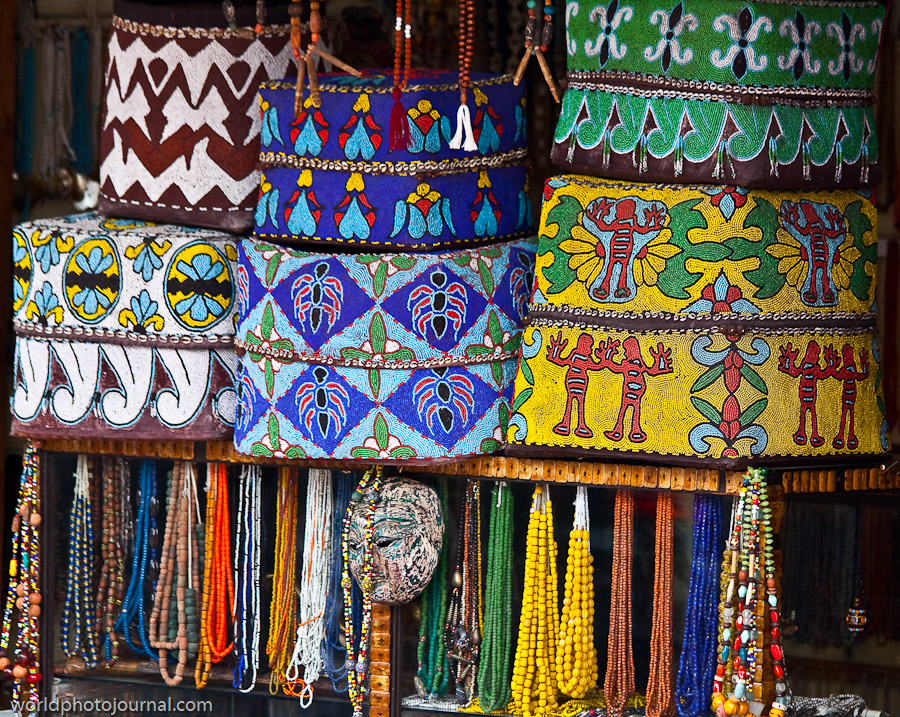
South Africa is a country of remarkable cultural diversity, where multiple traditions, languages, and customs coexist and are celebrated with pride. From the streets to festive gatherings, South Africans express their heritage through vibrant colors, traditional attire, and spirited performances. The nation’s cultural events showcase the warmth, joy, and sense of community that define South African life, making it a destination rich in authentic human experience and colorful celebrations.

Highlights

  • Vibrant cultural festivals celebrating South African heritage and traditions
  • Colorful community gatherings and celebrations throughout the country
  • Traditional dress and craftsmanship reflecting diverse ethnic groups
  • Warm and welcoming communities eager to share their culture
  • Historic landmarks and museums preserving South African history

What to Do

  • Attend local festivals and cultural celebrations to experience authentic traditions
  • Visit community markets and craft centers to see traditional artisans at work
  • Explore museums documenting South African history and cultural heritage
  • Engage with local communities through cultural tours and homestays
  • Photograph vibrant street life and colorful celebrations

Best Time to Visit

November to February for warm weather and summer festivals, or June to August for mild weather and winter celebrations

Getting There

Fly into Johannesburg’s O.R. Tambo International Airport or Cape Town International Airport; domestic travel via buses, trains, and internal flights

Visitor Tips

  • Respect local customs and ask permission before photographing people or ceremonies
  • Learn basic phrases in local languages like Zulu or Xhosa to connect with communities
  • Attend cultural events and festivals for authentic experiences
  • Support local artisans by purchasing traditional crafts directly
  • Hire local guides to gain deeper insights into cultural significance

Nearby

  • Cape Town and Table Mountain
  • Kruger National Park
  • Garden Route
  • Drakensberg Mountains
  • Robben Island

South Africa’s rich tapestry of cultures, traditions, and celebrations invites visitors to experience a country where diversity is celebrated with joy and pride. Whether participating in festivals, engaging with communities, or simply witnessing the vibrant expressions of heritage, South Africa offers profound cultural immersion and unforgettable human connections.

Location Map

South Africa – Cultural Celebration and Heritage Read More »

Scroll to Top