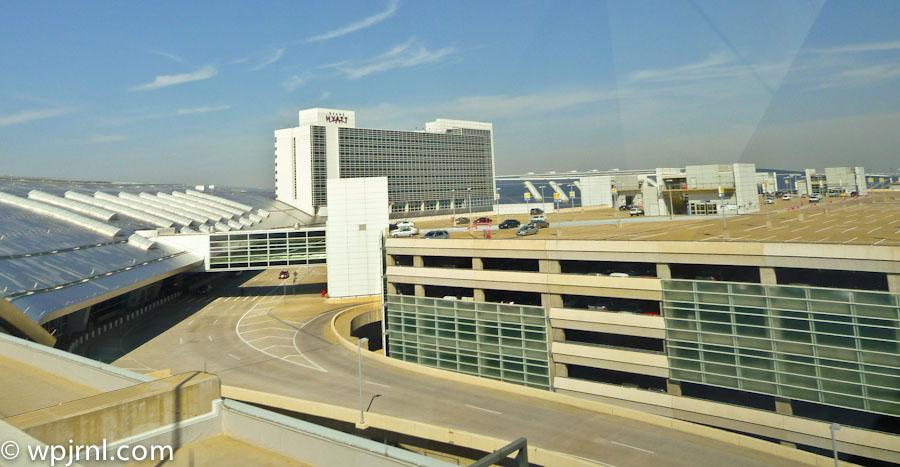
Starting April 1st the existing resort Alila Maldives will be re-branded to Hyatt as Park Hyatt, Hadahaa, Maldives.
A good place to spend some Hyatt gold passport points and receive the “courtesy card” treatment !, a perfect combination when flying with British Airways in Business Class using American Airlines miles.. in the relative new route LGW-MLE.
The iconic mooring point of Venice’s most romantic vessels, where tradition and timeless elegance meet the Adriatic waters.
This classic black-and-white photograph captures one of Venice’s most quintessential scenes: a row of traditional gondolas tethered to wooden poles along the Grand Canal. The gondolas, with their distinctive dark coverings and sleek silhouettes, represent centuries of Venetian maritime heritage and romance. In the background, the magnificent Basilica di Santa Maria della Salute and San Giorgio Maggiore rise majestically across the lagoon, creating a stunning architectural backdrop that defines Venice’s incomparable beauty. This timeless image encapsulates the essence of Venice—a city where water serves as the main thoroughfare and these elegant boats remain an integral part of daily life and tourism.
Highlights
Traditional Venetian gondolas, iconic symbols of the city since the 11th century
Panoramic views of the Grand Canal and its historic architecture
The stunning Basilica di Santa Maria della Salute visible across the water
Authentic glimpse of Venice’s working waterfront and maritime traditions
Perfect vantage point for photography and observing Venetian life
What to Do
Take a gondola ride along the Grand Canal for an unforgettable perspective of Venice’s palaces and bridges
Visit the nearby Basilica di Santa Maria della Salute, an architectural masterpiece
Photograph the gondolas at different times of day for varying light and atmosphere
Explore the surrounding streets and discover hidden squares, galleries, and local restaurants
Visit St. Mark’s Basilica and the Doge’s Palace on the opposite bank
Best Time to Visit
Early morning or late afternoon for the best light and fewer crowds. Late autumn through early spring offers clearer skies and a more atmospheric experience, though winter can bring acqua alta (high water). Summer is vibrant but extremely crowded.
Getting There
Venice is accessible by train, car ferry, or boat from mainland Italy. The Grand Canal is Venice’s main waterway—reach it by foot or vaporetto (water bus). Most visitors arrive at Santa Lucia train station and can walk to the canal within 10-15 minutes.
Visitor Tips
Book gondola rides in advance during peak season to secure better rates
Visit early morning before tour groups arrive for peaceful photographs
Wear comfortable walking shoes as Venice requires extensive walking on foot
Bring a waterproof bag during winter months when acqua alta (flooding) can occur
Black-and-white photography particularly suits Venice’s timeless character
Nearby
Basilica di Santa Maria della Salute
St. Mark’s Basilica and Piazza San Marco
Doge’s Palace
Accademia Gallery
Bridge of Sighs
Rialto Bridge
Venice’s Grand Canal gondola stations represent the living heart of this magical city, where ancient traditions continue to thrive against stunning architectural backdrops. Whether you’re riding a gondola through the winding waterways or simply admiring these graceful vessels from the shore, this corner of Venice embodies the romance, history, and timeless beauty that have captivated visitors for centuries. A visit here is not merely tourism—it’s a journey into one of humanity’s most enchanting cultural treasures.
Experience the grandeur of ancient Rome under the moonlight at this iconic amphitheater that has stood for nearly 2,000 years.
The Colosseum, also known as the Flavian Amphitheatre, is one of the most recognizable monuments of ancient Rome and the world. Built between 70-80 AD, this magnificent structure once hosted gladiatorial combat and public spectacles that captivated thousands of spectators. Today, it stands as a testament to the architectural prowess and engineering brilliance of the Roman Empire, with its iconic arches and weathered stone facade telling stories of centuries past.
Night photography at the Colosseum reveals the structure’s true majesty, as strategic lighting illuminates the ancient arches in warm golden tones while the full moon rises above, creating a mystical atmosphere. This interplay of artificial and natural light transforms the ruins into a dreamlike vision, making evening visits particularly enchanting for photographers and history enthusiasts alike.
As one of Rome’s most visited attractions, the Colosseum represents the pinnacle of Roman achievement and continues to inspire awe in millions of visitors each year. Whether explored by daylight or admired under the stars, this UNESCO World Heritage Site remains an unforgettable destination.
Highlights
Ancient Roman engineering with its iconic four-story arched facade featuring different architectural orders
Capacity to hold up to 50,000 spectators during its operational days
Underground chambers (hypogeum) that once housed wild animals and gladiators before performances
Exceptional nocturnal photography opportunities with dramatic lighting and moonlit skies
What to Do
Take guided tours through the Colosseum to learn about gladiatorial combat and ancient Roman society
Explore the underground areas to see where animals and fighters were kept
Visit at night for spectacular photography when the monument is beautifully illuminated
Combine a visit with nearby attractions like the Roman Forum and Palatine Hill
Capture stunning sunset and moonrise shots from elevated viewpoints around the structure
Best Time to Visit
Visit during spring (April-May) or fall (September-October) for pleasant weather and smaller crowds. Evening visits during clear nights offer the best photography opportunities, especially during a full moon.
Getting There
The Colosseum is easily accessible via Rome’s public metro system (Line B, Colosseo station). Located in central Rome, it’s also reachable by bus or taxi. The nearest airport is Leonardo da Vinci-Fiumicino Airport, about 30 kilometers away.
Visitor Tips
Book tickets online in advance to skip long queues, especially during peak season
Wear comfortable walking shoes as the terrain is uneven and involves climbing stairs
Bring a camera with good low-light capabilities for nighttime photography
Visit early morning or late evening to avoid midday crowds and heat
Allow 2-3 hours for a thorough exploration of all accessible areas
Nearby
Roman Forum – ancient governmental and social center of Rome
Palatine Hill – ruins of imperial palaces overlooking the Forum
Arch of Constantine – triumphal arch dedicated to Constantine the Great
Santa Maria in Aracoeli – medieval church with stunning city views
The Colosseum stands as a timeless symbol of human achievement and the grandeur of ancient civilizations. Whether you’re a history buff, architecture enthusiast, or photography lover, standing before this magnificent monument under the light of the moon is an experience that connects you to nearly two millennia of human history. Plan your visit to this eternal monument and let its ancient stones transport you through time.
Experience the world’s most enchanting masked celebration where elaborate costumes and golden masks transform the ancient canals into a surreal masquerade.
The Venice Carnival is one of the most iconic and visually stunning festivals in the world, celebrated annually in Venice, Italy. This legendary event dates back to the 12th century and has been revived as a major cultural celebration since 1979. The carnival transforms the entire city into a living theater where visitors and locals don ornate masks, elaborate costumes, and theatrical disguises that range from traditional Venetian designs to avant-garde artistic creations. The streets, squares, and waterways become stages for pageantry, music, and an atmosphere of mystery and revelry that captures the romance and history of Venice.
The carnival celebrates Venice’s rich heritage as a maritime republic and its tradition of masked balls and theatrical performances. Participants embrace the spirit of transformation, where social conventions dissolve behind intricate masks adorned with feathers, gold leaf, jewels, and flowers. The festival creates an otherworldly experience where fantasy becomes reality, and the city’s Renaissance architecture provides a timeless backdrop for elaborate costumes and artistic expression.
Highlights
Ornate golden and jeweled masks featuring traditional Venetian designs and contemporary artistic interpretations
Elaborate flower-adorned costumes with luxurious fabrics, flowing gowns, and theatrical accessories
Street performances and parades throughout the historic squares and along the Grand Canal
Historic San Marco Basilica and Doge’s Palace framed by masked revelers in full costume
Evening masked balls and private events in Renaissance palaces and elegant venues
What to Do
Attend or witness the crowning of the Carnival Queen and grand processions in St. Mark’s Square
Browse boutiques and artisan shops for authentic handmade masks and costumes
Participate in impromptu street theater and pose with costumed performers for photos
Explore hidden squares (campi) where smaller celebrations and costume gatherings occur
Experience the mystery and pageantry of evening masquerade events and formal balls
Best Time to Visit
The Venice Carnival takes place in late winter, typically 10 days leading up to Ash Wednesday (February/March). This timing offers crisp weather, fewer summer crowds, and the authentic festival atmosphere with both locals and international visitors celebrating together.
Getting There
Venice is accessible by train, car (with parking in Mestre), or by flying into nearby Marco Polo Airport. Water taxis, gondolas, and public vaporetto boats transport visitors through the canals to festival sites throughout the city.
Visitor Tips
Book accommodations well in advance as the carnival draws massive international crowds
Wear comfortable walking shoes as cobblestone streets and bridges require extensive walking
Consider renting or purchasing a mask and costume to fully immerse in the carnival spirit
Visit early morning to enjoy iconic sites like St. Mark’s Square with fewer crowds
Be aware that pickpocketing increases during carnival; keep valuables secure and guarded
Nearby
St. Mark’s Basilica and the adjacent Doge’s Palace with Byzantine and Gothic architecture
Rialto Bridge, Venice’s iconic structure spanning the Grand Canal
Murano Island, famous for traditional Venetian glassmaking demonstrations
Burano Island, known for colorful houses and traditional lace-making
The Venice Carnival is an unparalleled celebration of art, history, and human creativity where ancient tradition meets contemporary expression. Whether you arrive in an elaborate costume or simply to witness the spectacle, the carnival invites you into a world of mystery and beauty that exists nowhere else on Earth. The moment you step into Venice’s narrow streets adorned with costumed revelers and intricate masks, you become part of centuries-old magic that continues to captivate and inspire visitors from around the globe.
A legendary Roman cocktail bar blending classic elegance with vibrant nightlife in the heart of the Eternal City.
Harry’s Bar Roma is an iconic cocktail destination located in the charming streets of Rome, Italy. This sophisticated establishment captures the essence of classic European bar culture while maintaining a contemporary flair that appeals to both locals and travelers. The bar is renowned for its expertly crafted cocktails, ambient lighting, and welcoming atmosphere that makes every visit memorable.
The venue features elegant interior design with warm golden tones, tasteful decor, and large windows that offer glimpses of the lively Roman street scene outside. With its signature neon signage and refined aesthetic, Harry’s Bar Roma has become a must-visit spot for cocktail enthusiasts seeking an authentic Roman nightlife experience. The bar’s commitment to quality mixology and hospitality has established it as a respected venue among Rome’s vibrant bar scene.
Highlights
Expertly crafted cocktails prepared by skilled mixologists
Elegant interior design with warm ambient lighting and sophisticated decor
Prime location in central Rome with excellent people-watching opportunities
Welcoming atmosphere perfect for both casual drinks and special occasions
High-quality spirits and premium ingredients selection
What to Do
Order a signature cocktail and experience the bartender’s craft firsthand
Observe the street life of Rome from the bar’s large windows
Socialize with fellow travelers and locals in the vibrant atmosphere
Enjoy aperitivo hour with carefully selected drinks and snacks
Experience the refined Roman nightlife culture
Best Time to Visit
Evening and night hours (from sunset onwards) are ideal, especially Thursday through Saturday for a lively atmosphere. The warm months of May through September offer pleasant outdoor-adjacent viewing through the windows.
Getting There
Harry’s Bar Roma is centrally located in Rome and easily accessible by metro, taxi, or on foot from major tourist areas. The bar is situated in a walkable neighborhood with nearby public transportation options.
Visitor Tips
Arrive early evening for a more relaxed atmosphere; later hours get crowded
Expect premium prices typical of quality cocktail bars in central Rome
Dress smartly casual; the venue has an upscale atmosphere
Ask the bartender for recommendations if unfamiliar with Italian cocktail culture
Cash and card payments both accepted
Nearby
Historic Roman streets and piazzas within walking distance
Italian restaurants and trattorias in the surrounding neighborhood
Other upscale bars and lounges in central Rome
Major Rome attractions and landmarks nearby
Harry’s Bar Roma stands as a testament to Rome’s enduring sophistication and vibrant social culture. Whether you’re a cocktail connoisseur seeking expertly mixed drinks or simply looking to experience authentic Roman nightlife in an elegant setting, this iconic bar delivers an unforgettable evening. Step through its doors and discover why locals and visitors alike return to this beloved establishment night after night.
An architectural marvel of Renaissance design, this iconic double helix staircase is one of the most photographed staircases in the world.
The Vatican Museum’s famous spiral staircase is a breathtaking testament to Renaissance engineering and artistry. Designed by Giuseppe Momo in 1932, this double helix staircase descends through the heart of the museum with mesmerizing geometric precision. Visitors are treated to a stunning optical illusion as they navigate the concentric circles adorned with ornate decorative railings in bronze and gold. The staircase serves both as a functional passage and a work of art, embodying the Vatican’s commitment to beauty and craftsmanship. Standing at the center and looking up or down creates an unforgettable perspective that has captivated millions of visitors.
Highlights
Double helix design creating a mesmerizing optical illusion from above or below
Ornate bronze and gold decorative railings with intricate Renaissance detailing
Perfect symmetry and geometric precision in the spiral descent
UNESCO World Heritage site as part of the Vatican Museums complex
What to Do
View the staircase from above for the classic overhead perspective photograph
Walk the full spiral descent to experience the architectural brilliance up close
Capture the geometric patterns and symmetry from multiple angles
Explore the Vatican Museums galleries accessible via this historic staircase
Best Time to Visit
Early morning or late afternoon visits offer fewer crowds for photography and a more contemplative experience of this architectural masterpiece.
Getting There
The spiral staircase is located within the Vatican Museums. Access requires entry to the museums via the main entrance on Viale Vaticano. Public transportation includes metro line A to Cipro or Ottaviano stations, or buses 32, 49, or 492.
Visitor Tips
Arrive early in the morning to avoid peak crowds and get the best photographs
Be prepared for a queue to enter the museums; consider pre-booking tickets online
The staircase can be slippery; wear sturdy, non-slip footwear
Photography is permitted but use of tripods is restricted
Allow extra time as this iconic spot often becomes congested with visitors
Nearby
Sistine Chapel
Raphael Rooms (Stanze di Raffaello)
St. Peter’s Basilica
Castel Sant’Angelo
The Vatican Museum’s spiral staircase transcends its practical purpose to become an unforgettable artistic experience. Whether you’re an architecture enthusiast, photography lover, or simply a curious traveler, this Renaissance gem offers a unique perspective on human creativity and craftsmanship. Standing within its perfectly symmetrical curves, you’ll understand why millions of visitors make this journey each year—it’s a reminder of the timeless beauty that emerges when art, engineering, and vision converge.