Renaissance architecture

Florence Cityscape Panorama, Tuscany Italy

Florence Cityscape Panorama, Tuscany Italy
A breathtaking aerial panorama revealing Florence’s iconic terracotta rooftops, Renaissance architecture, and stunning Tuscan hills.

This stunning panoramic view captures the essence of Florence, one of the world’s most beautiful and historically significant cities. From this elevated vantage point, the unmistakable terracotta-tiled rooftops stretch endlessly across the landscape, creating a warm, honeycomb pattern that defines the Florentine skyline. The cityscape reveals the remarkable urban planning and architectural harmony that has made Florence a UNESCO World Heritage Site and the birthplace of the Renaissance. The surrounding Tuscan hills frame the city perfectly, dotted with distant villages and vineyards that complete this timeless Italian masterpiece.

Florence’s panoramic views showcase centuries of artistic and architectural achievement compressed into one harmonious urban landscape. Church spires pierce the roofline, the Duomo’s dome anchors the center, and ancient palazzo towers punctuate the medieval street grid below. This perspective offers visitors and photographers an unparalleled appreciation for the scale and cohesion of this magnificent city.

Highlights

  • Terracotta rooftops creating the iconic Florentine architectural pattern
  • Multiple church spires including the famous Duomo cathedral visible in the cityscape
  • Ancient palazzo towers and medieval urban grid layout
  • Panoramic views extending to the Tuscan hills and surrounding countryside
  • Clear visibility of Renaissance-era buildings and historical landmarks

What to Do

  • Visit high vantage points like Piazzale Michelangelo or the Duomo’s dome for panoramic city views
  • Explore the historic center on foot to discover the architectural details seen from above
  • Visit the Uffizi Gallery and Accademia Museum to see Renaissance masterpieces
  • Walk across the Ponte Vecchio bridge with its charming shops and river views
  • Climb the Campanile bell tower for 360-degree perspectives of the entire city

Best Time to Visit

April to June and September to October offer clear skies, mild weather, and fewer crowds, making these ideal seasons for photography and sightseeing.

Getting There

Florence is easily accessible by train from major Italian cities like Rome (2.5 hours), Milan (2 hours), and Venice (2 hours). The city has an international airport, and it’s well-connected by bus and car via the A1 and A11 highways.

Visitor Tips

  • Visit early morning or late afternoon for the best light for photography
  • Book Duomo dome climb tickets in advance to avoid long queues
  • Use the Firenze Card for discounted entry to multiple attractions
  • Wear comfortable walking shoes as the city is best explored on foot
  • Stay hydrated and use sunscreen during summer visits

Nearby

  • Piazzale Michelangelo – panoramic square offering stunning city views
  • Fiesole hilltop town – ancient Roman settlement with sweeping views over Florence
  • Tuscan countryside villages and wine regions – Chianti, Montepulciano, Pienza
  • Accademia Gallery – home to Michelangelo’s David
  • Santa Maria Novella Basilica – historic church with Renaissance artwork

Florence’s panoramic beauty transcends photographs and descriptions—it must be experienced firsthand. From any elevated vantage point in this magnificent city, you’ll understand why it captured the hearts of Renaissance artists and continues to inspire millions of visitors. Whether you’re admiring the rooftops from Piazzale Michelangelo, climbing the Duomo, or simply wandering the ancient streets below, Florence’s harmonious blend of history, art, and architecture creates an unforgettable Italian experience.

Location Map

Florence Cityscape Panorama, Tuscany Italy Read More »

St. Peter’s Basilica Dome, Vatican City Italy

St. Peter's Basilica Dome, Vatican City Italy
Marvel at one of the world’s most iconic Renaissance domes, an architectural and spiritual masterpiece rising above Rome.

St. Peter’s Basilica stands as the crown jewel of Vatican City and one of Christianity’s most sacred sites. The magnificent dome, designed by Michelangelo, dominates the Roman skyline and represents centuries of artistic brilliance and architectural innovation. Rising 136 meters above the basilica floor, this engineering marvel combines perfectly proportioned geometry with breathtaking decorative details, making it a pilgrimage destination for millions of visitors annually. The interior ceiling panorama reveals an intricate tapestry of gold, marble, mosaics, and frescoes that showcase the finest works of Renaissance masters.

Highlights

  • Michelangelo’s iconic dome with its perfectly proportioned coffered ceiling and central oculus
  • Ornate Baldacchino, a towering bronze canopy directly above the papal altar
  • Breathtaking mosaics and frescoes depicting biblical scenes and saints
  • 360-degree views of Rome from the dome’s observation deck
  • Intricate marble and gold decorative elements throughout the interior

What to Do

  • Climb the 551 steps to the dome’s summit for panoramic views of Rome and Vatican City
  • Explore the basilica floor to view Bernini’s sculptures and masterpiece artworks
  • Visit the Vatican grottoes beneath the basilica to see papal tombs
  • Attend a papal blessing or Mass in the main basilica
  • Discover the treasury museum featuring religious artifacts and historical treasures

Best Time to Visit

Spring (April-May) and fall (September-October) offer pleasant weather and moderate crowds. Early mornings provide better lighting for photography and fewer visitors.

Getting There

St. Peter’s Basilica is located in Vatican City, accessible via Metro Line A (Ottaviano-S. Pietro station) or on foot from central Rome. Multiple bus lines serve the area, and it’s approximately 15 minutes walk from Ponte Sant’Angelo.

Visitor Tips

  • Arrive early morning to beat crowds and experience better lighting for photographs
  • Dress respectfully with covered shoulders and knees; modest clothing is required for entry
  • Book dome tickets in advance online to skip queues during peak season
  • Allow 3-4 hours minimum to fully explore the basilica and climb the dome
  • Free entry to the basilica floor, but dome access and other areas require separate tickets

Nearby

  • Vatican Museums and Sistine Chapel
  • Castel Sant’Angelo fortress
  • Ponte Sant’Angelo bridge
  • Tiber River walks
  • Trastevere neighborhood

Standing beneath St. Peter’s magnificent dome is a transformative experience that transcends religion and nationality. Whether you’re drawn by faith, architecture, or history, this Renaissance masterpiece offers an unforgettable encounter with human achievement and artistic genius. A visit to St. Peter’s Basilica is truly a once-in-a-lifetime journey into the heart of Western civilization.

Location Map

St. Peter’s Basilica Dome, Vatican City Italy Read More »
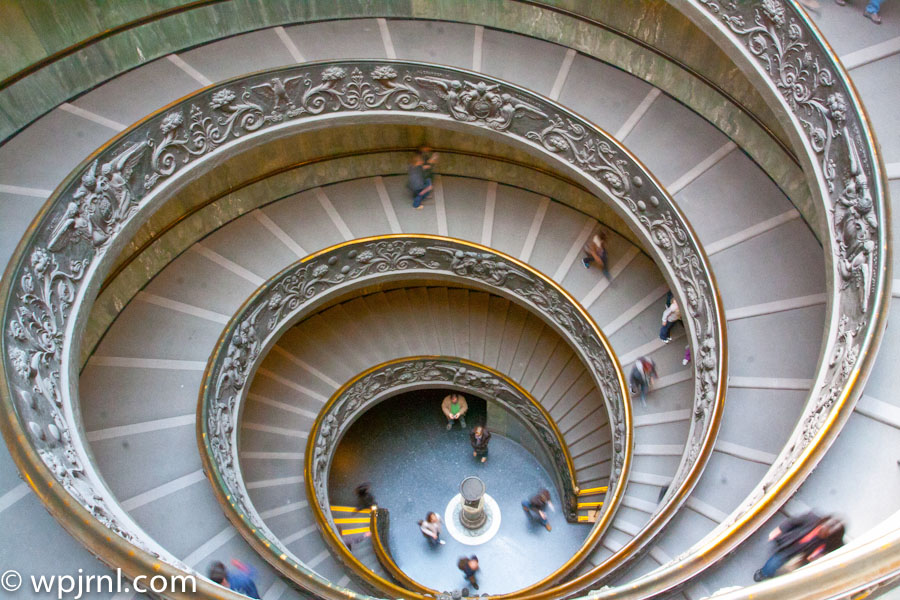
Vatican Museum Spiral Stairs, Vatican City

Vatican Museum Spiral Stairs, Vatican City
An architectural marvel of Renaissance design, this iconic double helix staircase is one of the most photographed staircases in the world.

The Vatican Museum’s famous spiral staircase is a breathtaking testament to Renaissance engineering and artistry. Designed by Giuseppe Momo in 1932, this double helix staircase descends through the heart of the museum with mesmerizing geometric precision. Visitors are treated to a stunning optical illusion as they navigate the concentric circles adorned with ornate decorative railings in bronze and gold. The staircase serves both as a functional passage and a work of art, embodying the Vatican’s commitment to beauty and craftsmanship. Standing at the center and looking up or down creates an unforgettable perspective that has captivated millions of visitors.

Highlights

  • Double helix design creating a mesmerizing optical illusion from above or below
  • Ornate bronze and gold decorative railings with intricate Renaissance detailing
  • Perfect symmetry and geometric precision in the spiral descent
  • UNESCO World Heritage site as part of the Vatican Museums complex

What to Do

  • View the staircase from above for the classic overhead perspective photograph
  • Walk the full spiral descent to experience the architectural brilliance up close
  • Capture the geometric patterns and symmetry from multiple angles
  • Explore the Vatican Museums galleries accessible via this historic staircase

Best Time to Visit

Early morning or late afternoon visits offer fewer crowds for photography and a more contemplative experience of this architectural masterpiece.

Getting There

The spiral staircase is located within the Vatican Museums. Access requires entry to the museums via the main entrance on Viale Vaticano. Public transportation includes metro line A to Cipro or Ottaviano stations, or buses 32, 49, or 492.

Visitor Tips

  • Arrive early in the morning to avoid peak crowds and get the best photographs
  • Be prepared for a queue to enter the museums; consider pre-booking tickets online
  • The staircase can be slippery; wear sturdy, non-slip footwear
  • Photography is permitted but use of tripods is restricted
  • Allow extra time as this iconic spot often becomes congested with visitors

Nearby

  • Sistine Chapel
  • Raphael Rooms (Stanze di Raffaello)
  • St. Peter’s Basilica
  • Castel Sant’Angelo

The Vatican Museum’s spiral staircase transcends its practical purpose to become an unforgettable artistic experience. Whether you’re an architecture enthusiast, photography lover, or simply a curious traveler, this Renaissance gem offers a unique perspective on human creativity and craftsmanship. Standing within its perfectly symmetrical curves, you’ll understand why millions of visitors make this journey each year—it’s a reminder of the timeless beauty that emerges when art, engineering, and vision converge.

Location Map

Vatican Museum Spiral Stairs, Vatican City Read More »
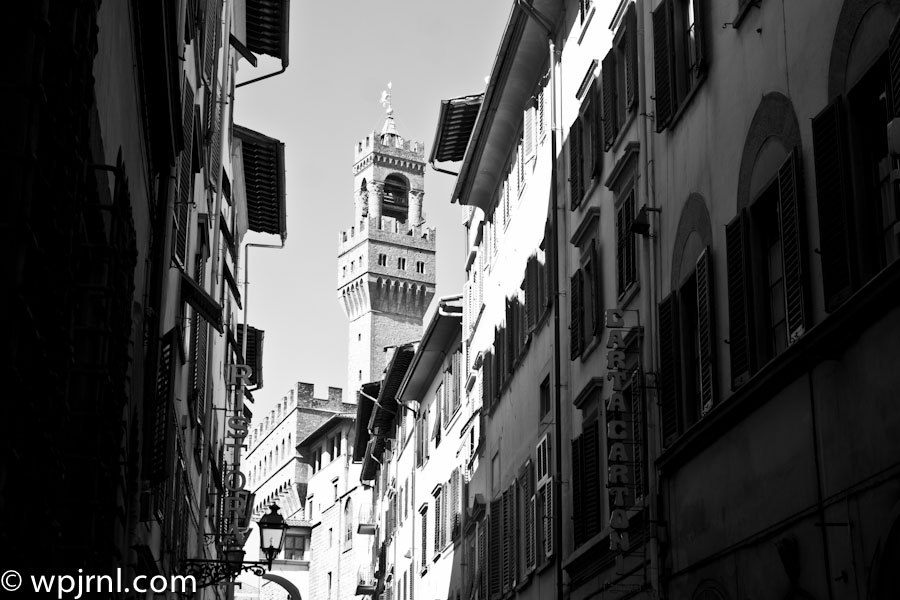
Florence Uffizi Gallery Street View, Florence Italy

Florence Uffizi Gallery Street View, Florence Italy
A charming Florentine street framing the iconic tower of the Palazzo Vecchio, capturing the essence of Renaissance Florence.

This evocative black and white photograph captures a quintessential Florence street scene, where narrow medieval alleyways converge toward the imposing silhouette of Palazzo Vecchio’s tower. The image showcases the architectural harmony of Renaissance Florence, with period buildings flanking both sides of the street, their shuttered windows and classical facades creating a timeless atmosphere. This perspective is typical of the streets surrounding the Uffizi Gallery, one of the world’s most significant art museums, where history and art seamlessly blend into the urban landscape.

Highlights

  • Palazzo Vecchio tower dominating the skyline with its distinctive crenellated crown
  • Authentic Renaissance architecture lining both sides of the narrow street
  • Classic Florentine shuttered windows and traditional building facades
  • Street lamps and architectural details characteristic of medieval Florence

What to Do

  • Explore the Uffizi Gallery’s world-class collection of Renaissance masterpieces
  • Wander the atmospheric streets around Palazzo Vecchio and Piazza della Signoria
  • Visit nearby attractions like the Ponte Vecchio and Duomo Cathedral
  • Photograph iconic Florentine architecture from various street perspectives

Best Time to Visit

Spring (April-May) and Fall (September-October) offer pleasant weather and fewer crowds than summer months, making it ideal for exploring Florence’s historic streets and museums.

Getting There

Florence is easily accessible by train, with direct connections from major Italian cities. The Uffizi Gallery and surrounding historic streets are located in the city center, within walking distance from Santa Maria Novella train station.

Visitor Tips

  • Book Uffizi Gallery tickets in advance to skip long queues
  • Wear comfortable walking shoes for exploring narrow cobblestone streets
  • Visit early morning or late afternoon for fewer crowds and better photography light
  • Consider purchasing a Florence art card for discounts at multiple museums

Nearby

  • Palazzo Vecchio – historic town hall and museum
  • Ponte Vecchio – iconic medieval bridge
  • Florence Cathedral (Duomo) – stunning Renaissance dome
  • Piazza della Signoria – main public square

Walking through the streets of Florence near the Uffizi Gallery is stepping into a living museum of Renaissance art and architecture. Every corner reveals centuries of history, from the majestic tower of Palazzo Vecchio to the carefully preserved buildings that line these charming alleyways. Whether you’re an art enthusiast, history lover, or simply seeking authentic Italian atmosphere, Florence’s historic center offers an unforgettable journey through one of humanity’s greatest cultural periods.

Location Map

Florence Uffizi Gallery Street View, Florence Italy Read More »

Scroll to Top