religious landmark

Jama Masjid Mosque, Delhi India

Jama Masjid Mosque, Delhi India
India’s largest mosque, an architectural masterpiece blending Mughal grandeur with spiritual significance in the heart of Old Delhi.

Jama Masjid stands as one of the most iconic religious structures in India and the largest mosque in the country. Built by Emperor Shah Jahan between 1644 and 1658, this magnificent monument showcases the pinnacle of Mughal architecture with its stunning red sandstone facade, intricate marble inlays, and soaring minarets. The mosque can accommodate up to 25,000 devotees in its main prayer hall and courtyard, making it a spiritual center for Muslims across India and a testament to the country’s secular heritage and architectural brilliance.

Highlights

  • Stunning red sandstone architecture with white and black marble inlay work
  • Two towering minarets standing 40 meters high offering panoramic views of Old Delhi
  • Expansive courtyard accommodating thousands of worshippers during prayer times
  • Intricate Islamic calligraphy and geometric patterns throughout the structure
  • Rich Mughal heritage dating back to the 17th century

What to Do

  • Climb the eastern minaret for breathtaking views across Old Delhi’s bustling streets and skyline
  • Explore the intricate courtyard and observe the architectural details of marble work and carvings
  • Attend prayer times to experience the spiritual atmosphere and cultural significance
  • Visit the adjacent Bazaar Sita Ram for traditional shopping and street food
  • Photography enthusiasts can capture stunning architectural shots, especially during golden hour

Best Time to Visit

October to March offers pleasant weather. Early mornings or late afternoons provide the best light for photography and fewer crowds. Avoid visiting during prayer times if you prefer a quieter experience.

Getting There

Located in Old Delhi near the Red Fort. Accessible via Delhi Metro (Jama Masjid Station on the Blue Line), auto-rickshaws, or taxis. The nearest major landmark is Chandni Chowk.

Visitor Tips

  • Dress modestly and remove shoes before entering; shoe storage facilities are available
  • Non-Muslims can visit outside prayer times; respect prayer hours and do not enter the main prayer hall during prayers
  • Hiring a local guide enhances understanding of the mosque’s history and architectural significance
  • Visit early morning to avoid crowds and experience the serene atmosphere
  • Carry water and wear comfortable shoes as there is considerable walking involved

Nearby

  • Red Fort – historic fortified palace complex 500 meters away
  • Chandni Chowk – famous market street with street food and traditional shops
  • Raj Ghat – memorial dedicated to Mahatma Gandhi
  • Digambar Jain Temple – ancient Jain temple in Old Delhi
  • Mirza Ghalib’s Tomb – historic literary landmark

Jama Masjid is more than a religious monument; it is a living testament to India’s rich Mughal heritage and communal harmony. Whether you’re an architecture enthusiast, history lover, or spiritual traveler, stepping into this magnificent mosque offers an unforgettable journey into centuries of artistry, faith, and cultural pride. Stand in its grand courtyard, gaze upon its soaring minarets, and feel the profound connection to India’s diverse heritage.

Location Map

Jama Masjid Mosque, Delhi India Read More »

St. Peter’s Basilica Dome, Vatican City Italy

St. Peter's Basilica Dome, Vatican City Italy
Marvel at one of the world’s most iconic Renaissance domes, an architectural and spiritual masterpiece rising above Rome.

St. Peter’s Basilica stands as the crown jewel of Vatican City and one of Christianity’s most sacred sites. The magnificent dome, designed by Michelangelo, dominates the Roman skyline and represents centuries of artistic brilliance and architectural innovation. Rising 136 meters above the basilica floor, this engineering marvel combines perfectly proportioned geometry with breathtaking decorative details, making it a pilgrimage destination for millions of visitors annually. The interior ceiling panorama reveals an intricate tapestry of gold, marble, mosaics, and frescoes that showcase the finest works of Renaissance masters.

Highlights

  • Michelangelo’s iconic dome with its perfectly proportioned coffered ceiling and central oculus
  • Ornate Baldacchino, a towering bronze canopy directly above the papal altar
  • Breathtaking mosaics and frescoes depicting biblical scenes and saints
  • 360-degree views of Rome from the dome’s observation deck
  • Intricate marble and gold decorative elements throughout the interior

What to Do

  • Climb the 551 steps to the dome’s summit for panoramic views of Rome and Vatican City
  • Explore the basilica floor to view Bernini’s sculptures and masterpiece artworks
  • Visit the Vatican grottoes beneath the basilica to see papal tombs
  • Attend a papal blessing or Mass in the main basilica
  • Discover the treasury museum featuring religious artifacts and historical treasures

Best Time to Visit

Spring (April-May) and fall (September-October) offer pleasant weather and moderate crowds. Early mornings provide better lighting for photography and fewer visitors.

Getting There

St. Peter’s Basilica is located in Vatican City, accessible via Metro Line A (Ottaviano-S. Pietro station) or on foot from central Rome. Multiple bus lines serve the area, and it’s approximately 15 minutes walk from Ponte Sant’Angelo.

Visitor Tips

  • Arrive early morning to beat crowds and experience better lighting for photographs
  • Dress respectfully with covered shoulders and knees; modest clothing is required for entry
  • Book dome tickets in advance online to skip queues during peak season
  • Allow 3-4 hours minimum to fully explore the basilica and climb the dome
  • Free entry to the basilica floor, but dome access and other areas require separate tickets

Nearby

  • Vatican Museums and Sistine Chapel
  • Castel Sant’Angelo fortress
  • Ponte Sant’Angelo bridge
  • Tiber River walks
  • Trastevere neighborhood

Standing beneath St. Peter’s magnificent dome is a transformative experience that transcends religion and nationality. Whether you’re drawn by faith, architecture, or history, this Renaissance masterpiece offers an unforgettable encounter with human achievement and artistic genius. A visit to St. Peter’s Basilica is truly a once-in-a-lifetime journey into the heart of Western civilization.

Location Map

St. Peter’s Basilica Dome, Vatican City Italy Read More »
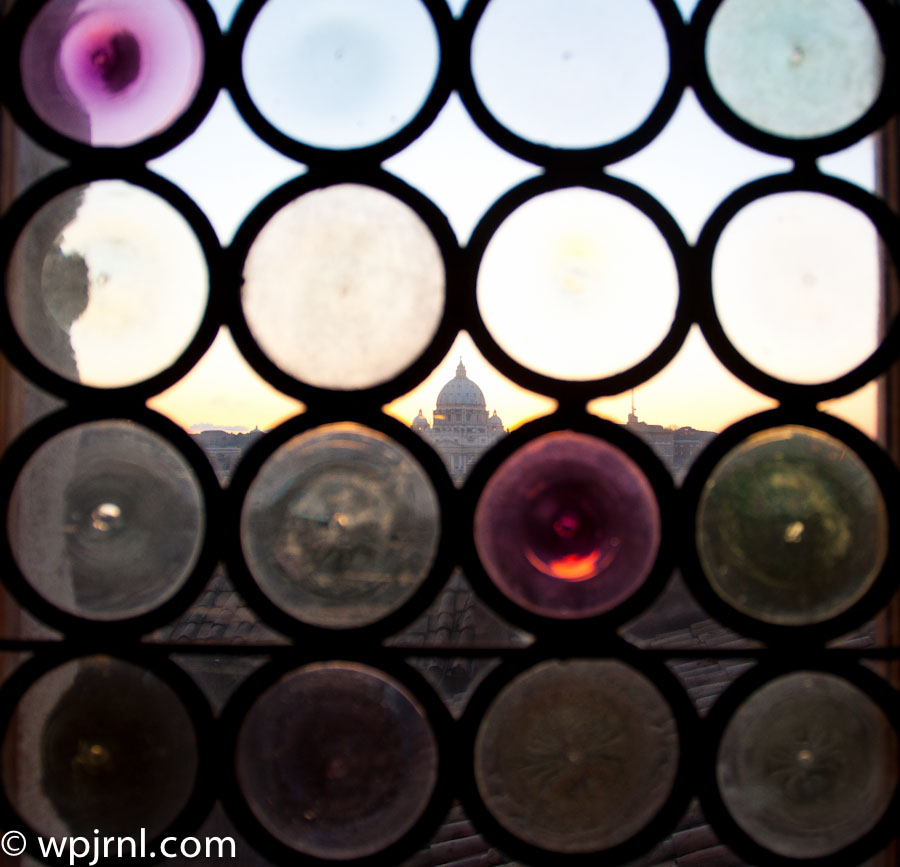
St. Peter’s Basilica, Vatican City Rome Italy

St. Peter's Basilica, Vatican City Rome Italy
A breathtaking view of the world’s largest Catholic church framed through ornate stained glass windows.

St. Peter’s Basilica stands as one of the most iconic landmarks in the world, dominating Vatican City’s skyline with its magnificent dome. This photograph captures a unique perspective—the basilica viewed through decorative stained glass windows, creating a stunning interplay of colored glass and architectural grandeur. The image reveals how the basilica’s dome appears almost ethereal when filtered through the vibrant hues of blue, pink, red, and amber glass, offering visitors a poetic glimpse of this Renaissance masterpiece. Built over more than a century and designed by legendary architects including Michelangelo, St. Peter’s remains a symbol of spiritual devotion and artistic excellence.

Highlights

  • The iconic dome designed by Michelangelo, visible through artistic stained glass windows
  • Renaissance and Baroque architecture of the world’s largest church by interior volume
  • Ornate stained glass windows featuring religious imagery and vibrant colors
  • Spiritual significance as the papal basilica and heart of the Catholic Church
  • Panoramic views of Vatican City and Rome from various vantage points

What to Do

  • Climb the 551 steps to the top of the dome for panoramic views of Rome and Vatican City
  • Explore the interior to see Michelangelo’s Pietà and other masterpieces of religious art
  • Attend a papal blessing or Mass in the basilica’s vast nave
  • Visit the Vatican Museums and Sistine Chapel nearby
  • Photograph the basilica from various angles, including through stained glass windows

Best Time to Visit

Early morning (before 10 AM) or late afternoon (after 4 PM) to avoid crowds and enjoy ideal lighting for photography. Spring and fall offer pleasant weather.

Getting There

Located in Vatican City, accessible via metro line A to Ottaviano or Cipro stations. A short walk through the charming streets of Rome’s historic center leads to St. Peter’s Square.

Visitor Tips

  • Dress respectfully: shoulders and knees should be covered for entry
  • Arrive early to minimize queues, especially during peak tourist season
  • Book skip-the-line tickets in advance online to save time
  • Photography is allowed in the basilica but not during Mass
  • Allow at least 2-3 hours to explore the basilica and climb the dome

Nearby

  • Vatican Museums and Sistine Chapel
  • Castel Sant’Angelo fortress and bridge
  • Tiber River waterfront
  • Historic streets and piazzas of Rome’s city center

St. Peter’s Basilica is more than just an architectural marvel—it is a testament to human creativity, faith, and perseverance. Whether you view it through ornate stained glass windows or stand beneath its soaring dome, the experience is transformative. A pilgrimage to this Vatican City landmark should be on every traveler’s bucket list, offering a profound connection to centuries of history and spirituality.

Location Map

St. Peter’s Basilica, Vatican City Rome Italy Read More »
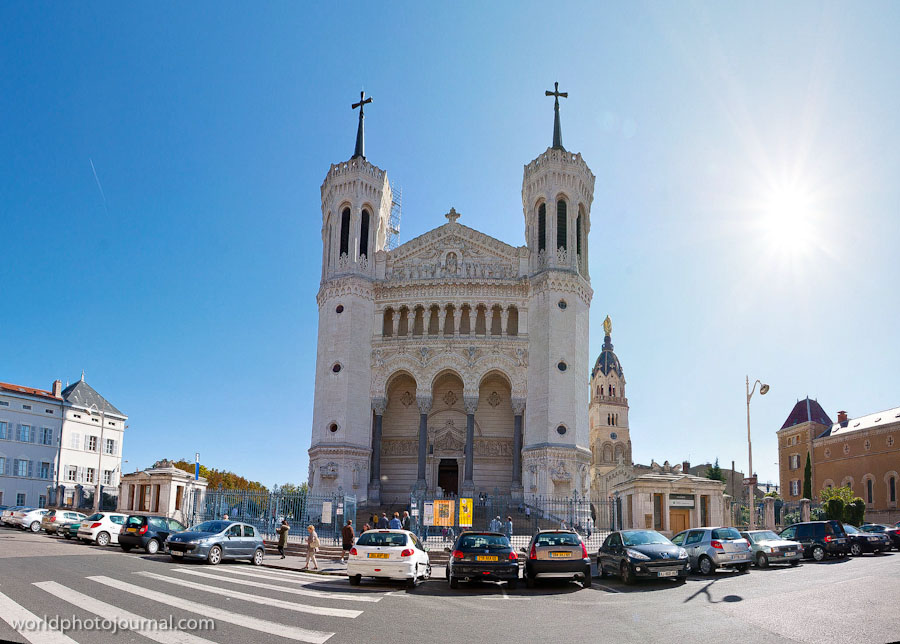
Basilica of Notre-Dame de Fourviere, Lyon France

Basilica of Notre-Dame de Fourviere, Lyon France
A stunning white Romano-Byzantine basilica perched on a hilltop, offering breathtaking views and spiritual tranquility over Lyon’s historic city.

The Basilica of Notre-Dame de Fourviere stands as one of France’s most iconic religious monuments, dominating the Lyon skyline from its elevated position on the Fourviere Basilica. Built between 1872 and 1946, this magnificent white stone basilica showcases extraordinary Romano-Byzantine architecture with its twin towers crowned by golden crosses. The basilica’s gleaming white facade, intricate stone detailing, and commanding presence make it one of Europe’s most visually striking churches. Whether you’re a devout pilgrim, architecture enthusiast, or curious traveler, this sacred space captivates visitors with its grandeur and spiritual atmosphere. The basilica serves as a major pilgrimage site and a symbol of Lyon’s rich religious heritage, attracting thousands of visitors annually who seek both spiritual solace and architectural appreciation.

Highlights

  • Twin bell towers with distinctive Romano-Byzantine architecture and golden crosses
  • Interior adorned with stunning mosaics, stained glass, and ornate decorative elements
  • Panoramic terrace offering breathtaking 360-degree views of Lyon and the surrounding region
  • Underground basilica (crypt) with its own altar and religious artwork
  • Illuminated facade that transforms beautifully at night, creating a magical atmosphere

What to Do

  • Climb to the basilica’s panoramic terrace for sweeping views of Lyon, the Rhône and Saône rivers, and distant mountains
  • Explore the interior and admire the intricate mosaics, stained glass windows, and marble decorations
  • Visit the underground crypt basilica and light a candle in prayer or reflection
  • Attend a religious service or evening illumination ceremony for a spiritually uplifting experience
  • Walk the surrounding gardens and pathways for peaceful contemplation and photography opportunities

Best Time to Visit

Spring (April-May) and fall (September-October) offer pleasant weather and fewer crowds. Summer brings vibrant light and extended visiting hours, while winter’s evening illumination creates a magical atmosphere.

Getting There

Take the funicular railway (Fourviere funicular) from Vieux Lyon directly to the basilica entrance, or drive and use the basilica’s parking area. Regular city buses and taxis also serve the location.

Visitor Tips

  • Arrive early morning to enjoy the site with fewer crowds and optimal lighting for photography
  • Wear comfortable walking shoes, as the basilica is situated on a hill with stairs and inclined pathways
  • The funicular railway is efficient and offers a scenic journey up the hillside
  • Modest dress is recommended when visiting the basilica as it remains an active place of worship
  • Don’t miss the evening illumination when the white facade glows beautifully against the night sky

Nearby

  • Vieux Lyon (Old Town) with Renaissance buildings and historic streets
  • Musée de Fourviere with religious and historical artifacts
  • Roman theaters of Lyon (Theatre Romain)
  • Confluence Museum (Musée Confluence) with contemporary exhibits
  • Saint-Jean Cathedral in the heart of Old Town

The Basilica of Notre-Dame de Fourviere is more than just an architectural masterpiece—it’s a spiritual landmark that has inspired pilgrims and captivated visitors for generations. Standing before this magnificent white basilica, perched majestically above Lyon’s charming streets, you’ll understand why it remains one of France’s most revered religious sites. Whether you seek spiritual reflection, architectural wonder, or simply stunning views across one of France’s greatest cities, a visit to this extraordinary basilica promises an unforgettable experience that will leave you in awe of both human craftsmanship and sacred beauty.

Location Map

Basilica of Notre-Dame de Fourviere, Lyon France Read More »

Scroll to Top