Author name: G

Pavilion Mall, Kuala Lumpur Malaysia

Pavilion Mall, Kuala Lumpur Malaysia
A premier shopping destination in Kuala Lumpur featuring stunning Chinese lantern installations and world-class retail experiences.

Pavilion KL stands as one of Malaysia’s most iconic shopping malls, located in the vibrant Bukit Bintang district of Kuala Lumpur. This architectural marvel seamlessly blends modern design with cultural aesthetics, particularly evident during festive seasons when the mall transforms into a breathtaking display of traditional Chinese lanterns. The mall attracts millions of visitors annually with its luxury brands, dining options, and stunning interior design that celebrates local and Asian heritage.

Highlights

  • Spectacular hanging Chinese red lantern installations that create an immersive cultural atmosphere
  • Five storeys of premium shopping with international and local brands
  • World-class dining and entertainment venues throughout the mall
  • Modern architecture with elegant skylights and open atriums
  • Strategic location in the heart of Kuala Lumpur’s shopping district

What to Do

  • Shop at luxury and mid-range retail brands spanning fashion, electronics, and lifestyle products
  • Dine at diverse restaurants and cafes ranging from local Malaysian cuisine to international fare
  • Admire the decorative lantern installations and take photos in the stunning atrium spaces
  • Visit during Chinese New Year or major festivals for enhanced decoration displays
  • Explore the premium cinema and entertainment facilities

Best Time to Visit

Chinese New Year and festive seasons when the lantern decorations are most elaborate and vibrant, though the mall is worth visiting year-round for its excellent shopping and dining options.

Getting There

Pavilion KL is accessible via the Bukit Bintang LRT station on the Kelana Jaya Line, just a short walk away. It’s also easily reached by taxi, ride-sharing services, or personal vehicle with ample parking facilities available.

Visitor Tips

  • Visit during off-peak hours (weekday mornings) for a less crowded shopping experience
  • Book dining reservations in advance, especially during peak hours and festive seasons
  • Wear comfortable shoes as the mall spans multiple levels and requires considerable walking
  • Bring a camera to capture the beautiful lantern installations and architectural details
  • Check the mall’s event calendar for special festivals and promotions

Nearby

  • Bukit Bintang Street – vibrant shopping and entertainment district
  • Suria KLCC – another premier mall near the iconic Petronas Twin Towers
  • Merdeka Square – historic landmark and cultural site in central Kuala Lumpur
  • Chinatown – bustling traditional market and cultural hub

Pavilion KL represents the perfect convergence of modern retail excellence and cultural celebration. Whether you’re a shopper seeking luxury brands, a foodie exploring diverse cuisines, or a traveler captivated by beautiful design and cultural aesthetics, this mall offers an unforgettable experience. The iconic hanging lanterns create a magical atmosphere that transports visitors to a space where tradition meets contemporary luxury, making it an essential destination for anyone visiting Kuala Lumpur.

Location Map

Pavilion Mall, Kuala Lumpur Malaysia Read More »

Bicycle Crossing, Shinjuku Tokyo Japan

Bicycle Crossing, Shinjuku Tokyo Japan
A vibrant urban intersection showcasing Tokyo’s bike-friendly infrastructure and bustling street culture.

Shinjuku’s bicycle crossing represents the intersection of modern urban planning and traditional Japanese practicality. This designated cycling zone in one of Tokyo’s most dynamic districts illustrates Japan’s commitment to sustainable transportation and efficient city navigation. The crossing is part of Shinjuku’s comprehensive street design that accommodates pedestrians, cyclists, and vehicles in harmonious balance.

The bicycle markings painted on the asphalt serve as a clear visual indicator of safe cycling paths, reflecting Tokyo’s thoughtful approach to urban mobility. Shinjuku’s bustling streets see countless cyclists daily, from commuters to casual riders, all navigating the city’s well-organized traffic system. This crossing epitomizes the Japanese attention to detail and safety in public spaces.

Highlights

  • Clearly marked white bicycle lane symbols guiding cyclists through intersections
  • Integration with Shinjuku’s extensive public transportation network
  • Safe crossing infrastructure in one of Tokyo’s busiest commercial districts
  • Example of Japan’s sustainable urban mobility solutions

What to Do

  • Rent a bicycle and explore Shinjuku’s neighborhoods via designated cycling routes
  • Observe Tokyo’s efficient traffic management system and urban planning
  • Experience the daily rhythm of Tokyo commuter culture
  • Visit nearby Shinjuku Station, one of the world’s busiest train stations

Best Time to Visit

Spring (March-May) and autumn (September-November) offer pleasant weather for cycling and exploring the area

Getting There

Shinjuku Station is accessible via multiple train lines including JR, Tokyo Metro, and Odakyu Railway. The area is highly walkable and bike-friendly.

Visitor Tips

  • Respect traffic signals and stay within marked bicycle lanes for safety
  • Rent bikes from local shops if you don’t have your own
  • Rush hours (7-9 AM, 5-7 PM) see heavy bike and pedestrian traffic
  • Use bicycle parking facilities rather than leaving bikes unattended

Nearby

  • Shinjuku Station
  • Tokyo Metropolitan Building
  • Meiji Shrine
  • Yoyogi Park
  • Roppongi Hills

Shinjuku’s bicycle crossing is more than just a marked path—it’s a window into Tokyo’s modern approach to urban living. Whether you’re a cycling enthusiast or simply curious about Japanese city planning, this intersection offers insight into how one of the world’s largest cities seamlessly integrates sustainable transportation. Visit Shinjuku and experience the efficient, eco-conscious side of Tokyo.

Location Map

Bicycle Crossing, Shinjuku Tokyo Japan Read More »

Hong Kong International Airport Gate 40, Hong Kong

Hong Kong International Airport Gate 40, Hong Kong
A modern transit hub connecting Asia’s aviation network with contemporary architectural design.

Hong Kong International Airport is one of the world’s busiest and most efficient airports, serving as a major aviation hub for Asia-Pacific travelers. Gate 40 exemplifies the airport’s modern infrastructure and seamless operations, featuring sleek digital signage and contemporary ceiling architecture. This image captures the essence of international travel, showing a Cathay Pacific flight CX6727 preparing for boarding to Hanoi, reflecting the vibrant connectivity between major Asian business and cultural centers.

Highlights

  • State-of-the-art digital flight information display systems
  • Modern geometric ceiling architecture with integrated lighting
  • Efficient gate management system for international flights
  • Connections to major Asian destinations including Vietnam

What to Do

  • Observe the architectural design of the airport’s contemporary infrastructure
  • Monitor flight operations and gate activities for aviation enthusiasts
  • Experience the multicultural atmosphere of international departures
  • Explore duty-free shopping and dining facilities throughout the terminal

Best Time to Visit

Year-round, though early morning hours offer less crowded conditions for photography and observation

Getting There

Hong Kong International Airport is accessible via Airport Express train, buses, taxis, and the Hong Kong-Zhuhai-Macau Bridge

Visitor Tips

  • Arrive 2-3 hours before international flights for check-in and security
  • Download the HKIA mobile app for real-time flight information
  • The airport’s design allows excellent photo opportunities of modern architecture
  • Multiple dining and shopping options available throughout terminals

Nearby

  • Hong Kong Disneyland
  • Lantau Island attractions
  • Victoria Harbour viewpoints

Hong Kong International Airport represents the intersection of modern aviation and architectural excellence, serving as the gateway to exploring Hong Kong and the broader Asia-Pacific region. Whether you’re departing on a business trip to Hanoi or connecting through this major hub, the airport’s world-class facilities and efficient operations ensure a seamless travel experience.

Location Map

Hong Kong International Airport Gate 40, Hong Kong Read More »

Nusa Dua Beach, Grand Hyatt Bali, Indonesia

Nusa Dua Beach, Grand Hyatt Bali, Indonesia
A pristine tropical paradise with powdery white sand, turquoise waters, and world-class resort amenities in Bali’s most exclusive beachfront destination.

Nusa Dua Beach is one of Bali’s most coveted coastal destinations, featuring immaculate stretches of white sand backed by lush tropical vegetation and fronted by crystal-clear turquoise waters. This carefully planned resort area offers a sophisticated blend of natural beauty and luxury hospitality, with the Grand Hyatt Bali standing as one of its flagship properties. The beach is renowned for its calm, protected waters ideal for swimming and water sports, combined with a serene atmosphere perfect for relaxation and rejuvenation.

Located in the southeastern peninsula of Bali, Nusa Dua represents the island’s most upscale coastal development. The Grand Hyatt Bali provides direct beach access and world-class amenities, making it an ideal base for experiencing the area’s natural splendor and cultural attractions. Whether you’re seeking adventure on the water or peaceful moments in the sand, this beach destination delivers an unforgettable tropical escape.

Highlights

  • Pristine white sand beach with calm, clear turquoise waters perfect for swimming
  • Exclusive beachfront location with luxury resort amenities and facilities
  • Lush tropical surroundings with swaying palms and vibrant marine life
  • Excellent visibility for water sports including snorkeling, paddleboarding, and jet skiing
  • Sunset views over the Indian Ocean with stunning atmospheric light

What to Do

  • Swim and sunbathe on the pristine white sand beach
  • Enjoy water sports including snorkeling, jet skiing, and parasailing
  • Explore nearby Benoa Harbor for boat tours and water activities
  • Visit the Bali Collection shopping center just minutes away
  • Relax at the Grand Hyatt’s spa and wellness facilities
  • Dine at beachfront restaurants featuring local and international cuisine
  • Take sunset walks along the shoreline

Best Time to Visit

April to October during the dry season, when weather is sunny and seas are calmest. June to August offers the best conditions but is peak tourist season. Avoid November to March rainy season.

Getting There

Fly into Ngurah Rai International Airport (Denpasar), approximately 15 km away. Take a taxi, rental car, or airport shuttle to reach Nusa Dua Beach, a 30-40 minute drive. The Grand Hyatt offers airport transfer services.

Visitor Tips

  • Book water sports activities early in the morning for best conditions and availability
  • Apply reef-safe sunscreen to protect coral ecosystems
  • Bring adequate water and snacks as beach facilities can be limited
  • The beach is relatively quiet in the early morning hours
  • Pack light clothing and a hat for protection from strong tropical sun

Nearby

  • Benoa Harbor – for dolphin watching and water sports
  • Bali Collection shopping mall – retail and dining
  • Uluwatu Temple – scenic clifftop spiritual site
  • Sanur Beach – alternative beach destination nearby
  • Tirta Empul Temple – sacred water spring temple

Nusa Dua Beach at the Grand Hyatt Bali offers the perfect blend of natural tropical beauty and refined luxury. Whether you’re seeking an active water sports vacation or a peaceful beachfront retreat, this stunning Indonesian destination delivers unforgettable memories. Plan your escape to this slice of paradise and experience why Bali remains one of the world’s most cherished beach destinations.

Location Map

Nusa Dua Beach, Grand Hyatt Bali, Indonesia Read More »

Coral Reef Marine Habitat, Tropical Ocean Waters

Coral Reef Marine Habitat, Tropical Ocean Waters
Explore vibrant underwater ecosystems where stunning clownfish and colorful corals create nature’s most mesmerizing aquatic wonderland.

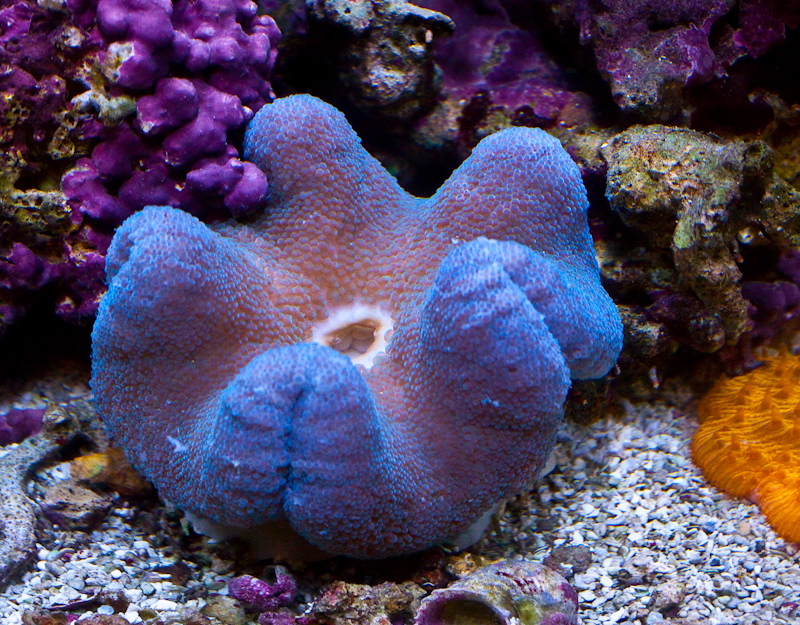
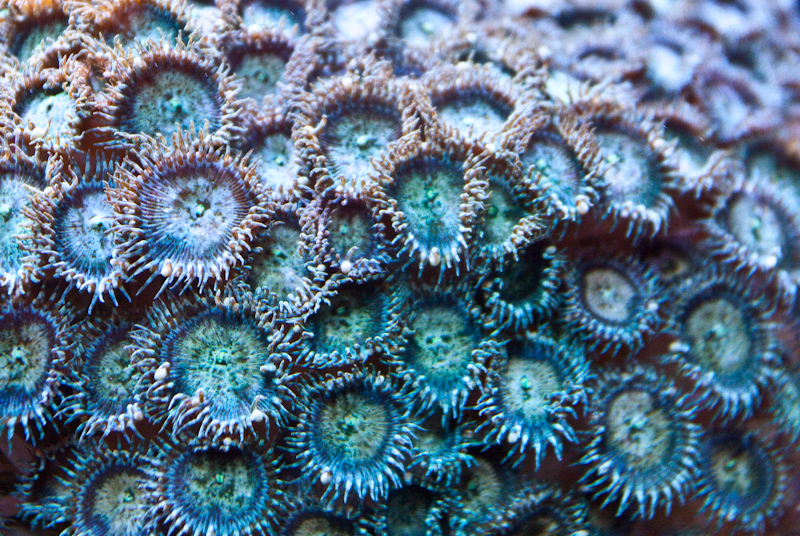
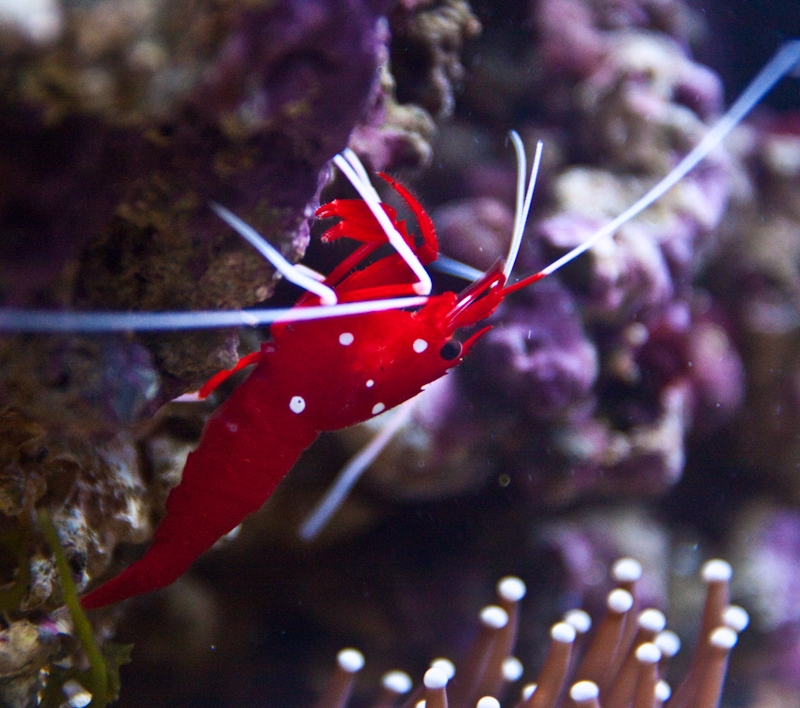
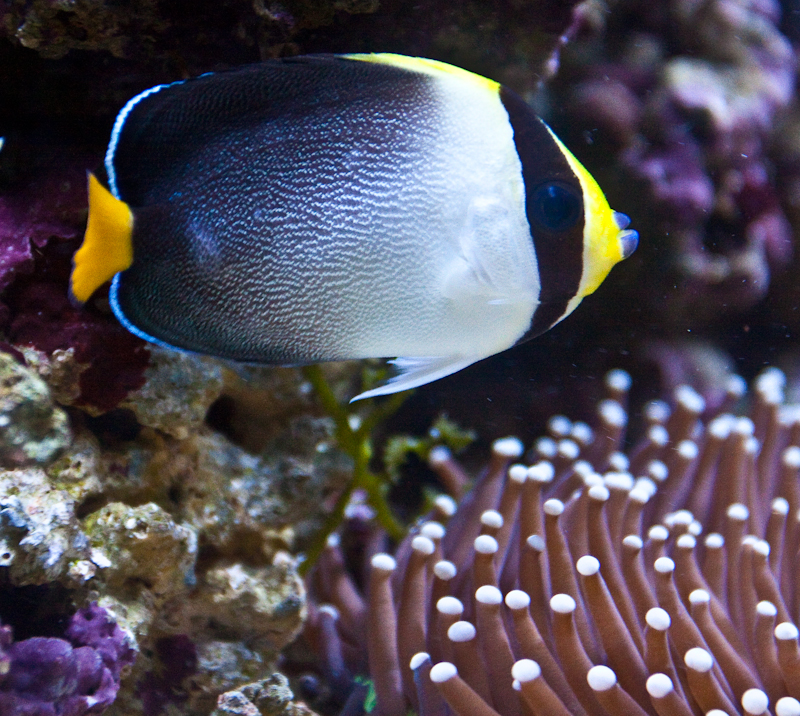
Coral reefs represent some of the most biodiverse and visually spectacular ecosystems on Earth, thriving in warm tropical and subtropical ocean waters. These underwater gardens are home to countless species, from the iconic black clownfish with their distinctive white stripes to thousands of other fish, invertebrates, and coral species that create a living kaleidoscope of color and movement. Coral reefs are not just beautiful destinations for snorkeling and diving—they are vital ecosystems that support marine life and protect coastal communities.

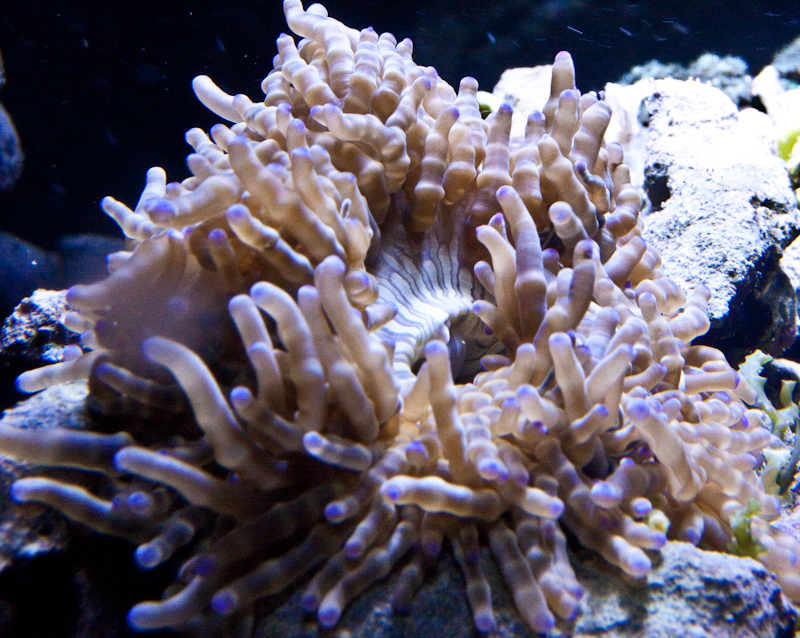
The delicate balance of a coral reef ecosystem showcases nature’s intricate relationships, where fish like clownfish find shelter among anemones in a mutually beneficial partnership. The vibrant colors, graceful movements, and fascinating behaviors of reef inhabitants make these underwater realms destinations of wonder and scientific importance.

Whether you’re an experienced diver, casual snorkeler, or simply an ocean enthusiast, coral reefs offer unforgettable encounters with marine life in their natural habitat. The crystalline waters, abundant sunlight filtering through the surface, and the symphony of reef sounds create an immersive sensory experience.

Highlights

  • Encounter exotic fish species like black clownfish in their natural habitat among anemones
  • Witness the architectural complexity and stunning biodiversity of living coral formations
  • Experience world-class diving and snorkeling in crystal-clear tropical waters
  • Observe fascinating symbiotic relationships between fish and marine invertebrates

What to Do

  • Snorkel or scuba dive to observe clownfish, angelfish, parrotfish, and hundreds of other species
  • Photograph marine life and coral formations in their vibrant natural colors
  • Take guided reef tours to learn about conservation and ecosystem dynamics
  • Participate in citizen science projects monitoring reef health
  • Relax on nearby tropical beaches between water activities

Best Time to Visit

Year-round in most tropical locations, but typically May to October offers the best visibility and weather conditions in many reef destinations

Getting There

Access varies by reef location; popular destinations include the Great Barrier Reef (Australia), Caribbean reefs (US Virgin Islands, Belize), Red Sea (Egypt), and Indo-Pacific reefs (Indonesia, Philippines). Most require air travel to coastal towns followed by boat access.

Visitor Tips

  • Use reef-safe sunscreen to protect coral ecosystems from harmful chemicals
  • Maintain proper buoyancy control while diving to avoid damaging corals
  • Never touch, stand on, or collect coral or shells
  • Book with certified dive operators who follow sustainable practices
  • Consider visiting during shoulder seasons for fewer crowds and better conservation

Nearby

  • Tropical beach resorts and island accommodations
  • Marine research centers and aquariums
  • Water sports facilities for additional ocean activities
  • Local fishing villages and coastal communities

Coral reefs are irreplaceable natural wonders that remind us of the ocean’s incredible beauty and fragility. A visit to a healthy coral reef ecosystem is not just a vacation—it’s an opportunity to witness the intricate dance of marine life, appreciate the artistry of nature, and become an advocate for ocean conservation. Whether you’re seeking adventure, tranquility, or scientific fascination, the underwater world of coral reefs awaits with unforgettable memories and a deeper connection to our blue planet.

Location Map

Coral Reef Marine Habitat, Tropical Ocean Waters Read More »

Coral Reef Ecosystem, Tropical Ocean Waters

Coral Reef Ecosystem, Tropical Ocean Waters
Discover vibrant underwater worlds where brilliant blue tangs glide through thriving coral gardens.

Coral reefs represent some of Earth’s most biodiverse and visually spectacular ecosystems, teeming with life in every color imaginable. This underwater realm is home to thousands of species, including the iconic blue tang fish, which gracefully navigates through branching corals and rocky formations. These living underwater cities are not just beautiful natural attractions but also crucial ecosystems that support marine life and protect coastlines worldwide.

Highlights

  • Encounter vibrant blue tang fish and hundreds of other marine species
  • Explore diverse coral formations including branching acropora and soft corals
  • Experience crystal-clear waters with spectacular visibility and natural lighting
  • Witness the intricate relationships between fish and their coral habitats

What to Do

  • Snorkel or scuba dive among healthy coral gardens to observe fish behavior
  • Take underwater photography tours to capture the vivid colors and marine life
  • Join guided reef tours to learn about coral ecology and conservation
  • Practice responsible diving to help protect these fragile ecosystems

Best Time to Visit

Year-round, though late spring through early fall offers warmest waters and best visibility in most locations

Getting There

Access coral reefs through island destinations worldwide—popular locations include the Great Barrier Reef (Australia), Caribbean islands, Red Sea (Egypt), and Indo-Pacific regions. Most require boat transport from coastal towns.

Visitor Tips

  • Use reef-safe sunscreen to protect coral from harmful chemicals
  • Maintain proper buoyancy control to avoid touching or damaging coral
  • Book tours with certified operators who prioritize reef conservation
  • Visit during shoulder seasons to avoid peak crowds and reduce reef stress

Nearby

  • Tropical beach resorts and coastal villages
  • Marine research centers and aquariums
  • Water sports facilities and dive shops

Coral reefs are underwater treasures that inspire wonder and teach us about nature’s delicate balance. Swimming alongside a blue tang in its natural habitat—surrounded by vibrant corals and thriving marine life—is an unforgettable experience that underscores the importance of ocean conservation. Plan your reef adventure today and become a steward of these precious ecosystems.

Location Map

Coral Reef Ecosystem, Tropical Ocean Waters Read More »
Scroll to Top