Indonesia

Backstreets of Ubud, Bali Indonesia
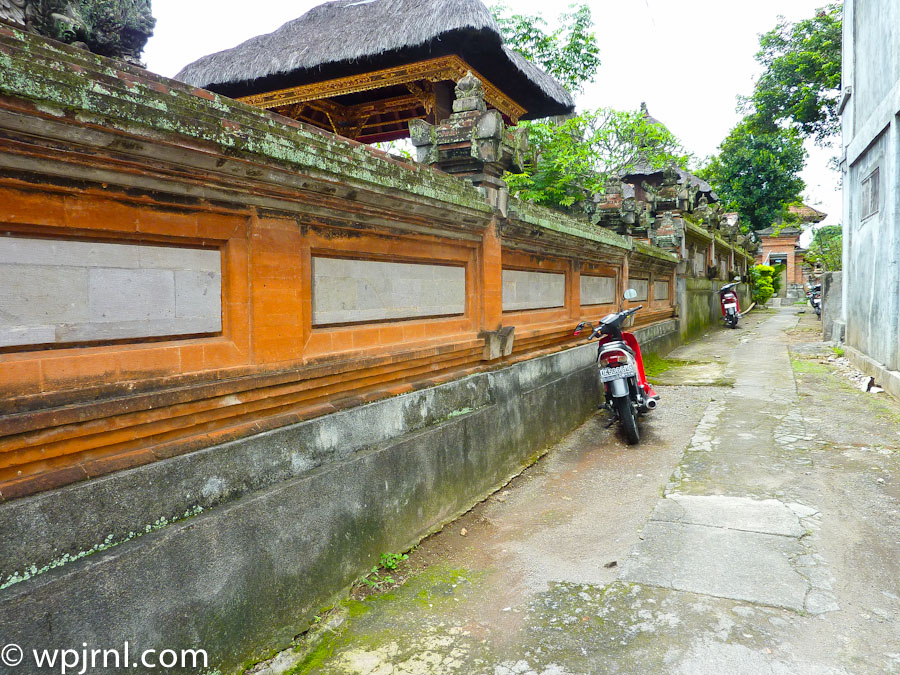
Backstreets of Ubud, Bali Indonesia
Discover the authentic charm of Ubud’s quiet alleyways lined with traditional Balinese architecture and lush tropical vegetation.

The backstreets of Ubud offer a glimpse into the authentic heart of Bali, far removed from the tourist crowds of main thoroughfares. These narrow lanes wind through the village, showcasing traditional stone walls, thatched-roof structures, and weathered wooden buildings that speak to centuries of Balinese culture and heritage. The combination of moss-covered walls, tropical greenery, and quiet atmosphere creates a peaceful sanctuary for travelers seeking genuine local experiences.

Wandering these backstreets reveals the everyday life of Ubud residents, from local motorbikes parked along narrow passages to glimpses of family compounds and traditional temples tucked behind high walls. The interplay of colonial-era architecture with Balinese design elements creates a uniquely textured visual landscape that feels frozen in time yet vitally alive with local activity.

These intimate pathways are perfect for the curious traveler who wants to experience Ubud beyond its popular markets and tourist infrastructure, offering opportunities for photography, quiet reflection, and unexpected encounters with local culture.

Highlights

  • Traditional Balinese architecture with distinctive orange-stained wooden structures and thatched roofs
  • Moss-covered stone walls and fences that showcase the tropical climate’s effect on colonial-era buildings
  • Authentic village atmosphere with minimal tourist infrastructure and genuine local activity
  • Hidden temples and shrines accessible only through backstreet exploration
  • Lush tropical vegetation framing narrow lanes and creating natural green corridors

What to Do

  • Photography walk to capture authentic Balinese architecture and atmospheric alleyways
  • Explore hidden warungs and local eateries tucked away from main streets
  • Discover family compounds and observe daily life of Ubud residents
  • Visit small neighborhood temples and shrines encountered during exploration
  • Ride a scooter or motorbike through winding lanes like the locals do
  • Sketch or paint the historic buildings and atmospheric street scenes

Best Time to Visit

April to October during the dry season offers the best conditions for exploring backstreets without heavy rain, though early morning visits are recommended year-round to avoid afternoon crowds and heat.

Getting There

Fly into Ngurah Rai International Airport in Denpasar, then take a taxi, car rental, or scooter to Ubud (about 1.5 hours). Once in Ubud, the backstreets are best explored on foot or by scooter.

Visitor Tips

  • Wear comfortable walking shoes suitable for uneven terrain and wet surfaces
  • Bring water and sun protection as shade is limited in many passages
  • Respect private property and temple spaces; ask permission before photographing
  • Visit early morning for fewer people and better lighting for photography
  • A local guide can provide context and access to areas not visible from main streets

Nearby

  • Ubud Market for traditional crafts and local goods
  • Tegallalang Rice Terraces for iconic Balinese agricultural landscapes
  • Sacred Monkey Forest Sanctuary for wildlife and temple exploration
  • Campuhan Ridge Walk for panoramic valley views
  • Goa Gajah (Elephant Cave) ancient temple complex

The backstreets of Ubud represent the soul of Bali—a place where history, culture, and nature intertwine in quiet passages and hidden corners. Whether you’re a photographer seeking authentic subjects, a traveler yearning for genuine cultural immersion, or simply someone who loves wandering off the beaten path, these narrow lanes offer an unforgettable glimpse into the real Ubud. Step away from the main roads and discover why visitors fall in love with this magical village.

Location Map

Backstreets of Ubud, Bali Indonesia Read More »
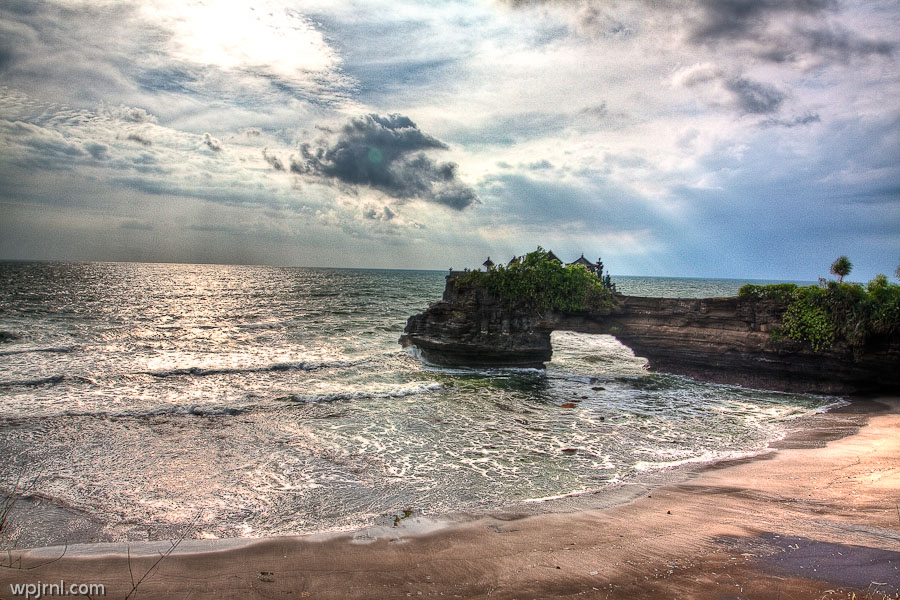
Tanah Lot Temple, Coastal Bali Indonesia

Tanah Lot Temple, Coastal Bali Indonesia
An iconic sea temple perched dramatically on a rocky outcrop, offering breathtaking sunset views and spiritual significance.

Tanah Lot is one of Bali’s most recognizable landmarks, a stunning Hindu temple located on a large rock formation surrounded by the Indian Ocean. The name ‘Tanah Lot’ translates to ‘Land in the Sea,’ perfectly describing this enchanting location where ancient spirituality meets dramatic natural beauty. Built in the 15th century, this temple has become a symbol of Balinese culture and attracts visitors from around the world who come to witness its ethereal beauty, especially during golden hour when the sky transforms into a canvas of warm hues.

Highlights

  • The iconic rock formation with intricate temple architecture silhouetted against the ocean
  • Spectacular sunset views with dramatic cloud formations and golden light reflecting on the water
  • Sacred temple grounds with spiritual significance to Balinese Hindu traditions
  • Scenic sandy beach at the base offering swimming and photography opportunities
  • Nearby sea caves and rock formations creating a magical landscape

What to Do

  • Photograph the temple during sunset for the most iconic and atmospheric shots
  • Explore the temple grounds and learn about Balinese Hindu culture and traditions
  • Walk along the beach and wade in the shallow waters surrounding the rock formation
  • Visit the nearby Pura Batu Bolong temple cave accessible at low tide
  • Relax at beachside cafes and restaurants with panoramic ocean views
  • Watch traditional Balinese ceremonies if visiting during cultural festivals

Best Time to Visit

April to October during the dry season offers the clearest skies and most reliable sunset views. Visiting in late afternoon ensures optimal lighting for photography and witnessing the spectacular sunset phenomenon.

Getting There

Located in Tabanan Regency, about 20km west of Ubud and 30km from Denpasar. Accessible by rental car, scooter, or organized tour. The drive takes approximately 1-2 hours depending on traffic and starting location.

Visitor Tips

  • Arrive 1-2 hours before sunset to secure good viewing spots and avoid crowds
  • Wear comfortable shoes as terrain is rocky and uneven around the temple
  • Bring a sarong or scarf to cover shoulders when entering the temple grounds
  • Pack sun protection including sunscreen, hat, and water bottle
  • Expect crowded conditions during peak tourist season; visit during shoulder seasons for fewer tourists
  • Hire a local guide to learn deeper cultural and historical context

Nearby

  • Pura Batu Bolong temple cave
  • Jatiluwih Rice Terraces UNESCO World Heritage site
  • Tabanan town and local markets
  • Bedugul mountain region and Beratan Lake

Tanah Lot represents the perfect blend of natural wonder and spiritual heritage that makes Bali so captivating. Whether you’re a photographer seeking that perfect golden hour shot, a spiritual traveler drawn to sacred sites, or simply someone who appreciates breathtaking coastal landscapes, this iconic temple delivers an unforgettable experience. The sight of this ancient sanctuary rising majestically from the sea as waves crash around it creates a moment of pure magic that will stay with you long after you leave Bali’s shores.

Location Map

Tanah Lot Temple, Coastal Bali Indonesia Read More »
Tanah Lot Temple, Bali Indonesia

Tanah Lot Temple, Bali Indonesia
An iconic clifftop sea temple surrounded by dramatic rock formations and spiritual significance in Bali’s cultural heart.

Tanah Lot is one of Bali’s most recognizable and visited temples, perched majestically on a large rock formation jutting out into the Indian Ocean. This 16th-century temple is a masterpiece of Balinese architecture and spirituality, serving as both a sacred Hindu place of worship and a stunning natural landmark. The temple’s name means ‘land in the middle of the sea,’ perfectly capturing its dramatic location where ancient stone structures meet crashing waves and golden sunsets paint the sky.

Highlights

  • Iconic sea temple set on a dramatic rocky outcrop surrounded by ocean waves
  • Stunning sunset views with the silhouetted temple against golden and purple skies
  • Ancient Hindu temple complex dating back to the 16th century
  • Natural pools and caves within the rock formation believed to have purifying properties
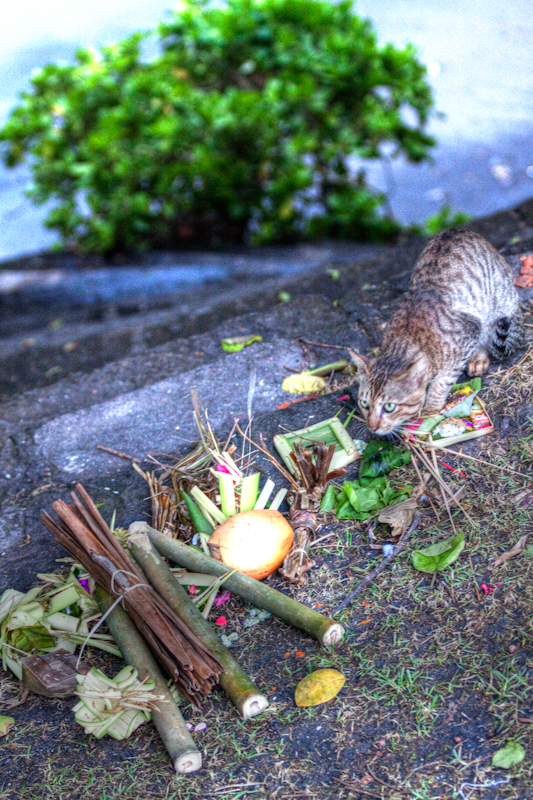
  • Vibrant local wildlife including cats and various bird species in the surrounding area

What to Do

  • Watch the sunset from the temple grounds or nearby cafes for breathtaking photo opportunities
  • Explore the main temple complex and learn about Balinese Hindu traditions and architecture
  • Discover the natural caves and springs within the rock formation
  • Visit the nearby souvenir shops and traditional warungs for local food and crafts
  • Walk along the clifftop pathways for panoramic ocean vistas and nature photography

Best Time to Visit

April to October during the dry season offers the clearest skies and most reliable sunset viewing, though the temple is beautiful year-round

Getting There

Located in Tabanan Regency, approximately 20km northwest of Ubud; accessible by car, scooter, or organized tours from major tourist areas; parking available at the temple grounds

Visitor Tips

  • Arrive early in the afternoon to secure good sunset viewing spots before crowds arrive
  • Wear modest clothing as this is an active Hindu temple; sarongs are available to rent
  • Bring cash as many local vendors don’t accept cards
  • Watch for the friendly local cats and monkeys; keep belongings secure
  • The temple grounds can be slippery when wet; wear appropriate footwear

Nearby

  • Bali Botanical Garden in nearby Bedugul
  • Lake Bratan and water temples
  • Traditional Balinese villages of Tabanan regency

Tanah Lot Temple represents the perfect blend of spiritual significance, natural beauty, and cultural heritage that makes Bali unforgettable. Whether you’re seeking spiritual connection, photographic inspiration, or simply a moment of awe before nature’s grandeur, this iconic temple delivers an experience that touches the soul and lingers in memory long after your visit.

Location Map

Tanah Lot Temple, Bali Indonesia Read More »
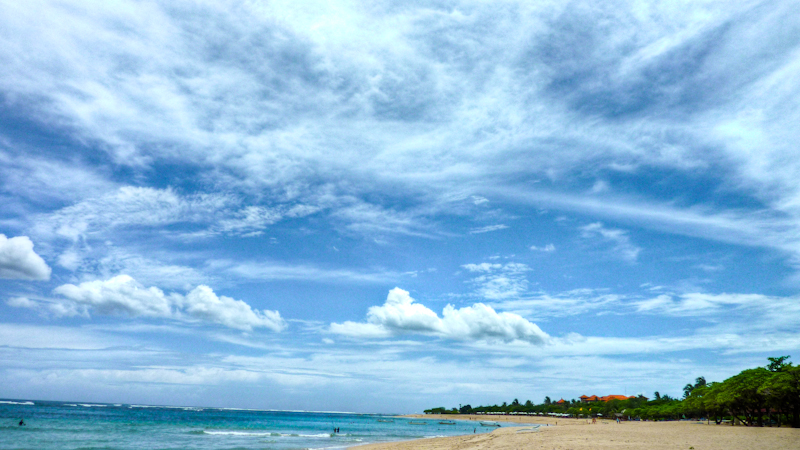
Nusa Dua Beach, Grand Hyatt Bali, Indonesia

Nusa Dua Beach, Grand Hyatt Bali, Indonesia
A pristine tropical paradise with powdery white sand, turquoise waters, and world-class resort amenities in Bali’s most exclusive beachfront destination.

Nusa Dua Beach is one of Bali’s most coveted coastal destinations, featuring immaculate stretches of white sand backed by lush tropical vegetation and fronted by crystal-clear turquoise waters. This carefully planned resort area offers a sophisticated blend of natural beauty and luxury hospitality, with the Grand Hyatt Bali standing as one of its flagship properties. The beach is renowned for its calm, protected waters ideal for swimming and water sports, combined with a serene atmosphere perfect for relaxation and rejuvenation.

Located in the southeastern peninsula of Bali, Nusa Dua represents the island’s most upscale coastal development. The Grand Hyatt Bali provides direct beach access and world-class amenities, making it an ideal base for experiencing the area’s natural splendor and cultural attractions. Whether you’re seeking adventure on the water or peaceful moments in the sand, this beach destination delivers an unforgettable tropical escape.

Highlights

  • Pristine white sand beach with calm, clear turquoise waters perfect for swimming
  • Exclusive beachfront location with luxury resort amenities and facilities
  • Lush tropical surroundings with swaying palms and vibrant marine life
  • Excellent visibility for water sports including snorkeling, paddleboarding, and jet skiing
  • Sunset views over the Indian Ocean with stunning atmospheric light

What to Do

  • Swim and sunbathe on the pristine white sand beach
  • Enjoy water sports including snorkeling, jet skiing, and parasailing
  • Explore nearby Benoa Harbor for boat tours and water activities
  • Visit the Bali Collection shopping center just minutes away
  • Relax at the Grand Hyatt’s spa and wellness facilities
  • Dine at beachfront restaurants featuring local and international cuisine
  • Take sunset walks along the shoreline

Best Time to Visit

April to October during the dry season, when weather is sunny and seas are calmest. June to August offers the best conditions but is peak tourist season. Avoid November to March rainy season.

Getting There

Fly into Ngurah Rai International Airport (Denpasar), approximately 15 km away. Take a taxi, rental car, or airport shuttle to reach Nusa Dua Beach, a 30-40 minute drive. The Grand Hyatt offers airport transfer services.

Visitor Tips

  • Book water sports activities early in the morning for best conditions and availability
  • Apply reef-safe sunscreen to protect coral ecosystems
  • Bring adequate water and snacks as beach facilities can be limited
  • The beach is relatively quiet in the early morning hours
  • Pack light clothing and a hat for protection from strong tropical sun

Nearby

  • Benoa Harbor – for dolphin watching and water sports
  • Bali Collection shopping mall – retail and dining
  • Uluwatu Temple – scenic clifftop spiritual site
  • Sanur Beach – alternative beach destination nearby
  • Tirta Empul Temple – sacred water spring temple

Nusa Dua Beach at the Grand Hyatt Bali offers the perfect blend of natural tropical beauty and refined luxury. Whether you’re seeking an active water sports vacation or a peaceful beachfront retreat, this stunning Indonesian destination delivers unforgettable memories. Plan your escape to this slice of paradise and experience why Bali remains one of the world’s most cherished beach destinations.

Location Map

Nusa Dua Beach, Grand Hyatt Bali, Indonesia Read More »

Scroll to Top