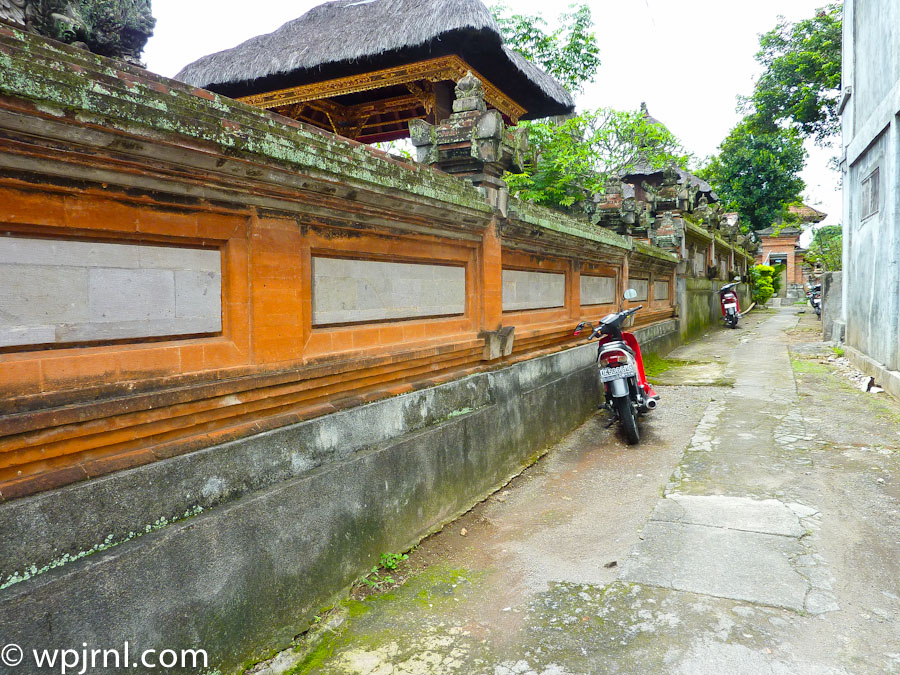
The backstreets of Ubud offer a glimpse into the authentic heart of Bali, far removed from the tourist crowds of main thoroughfares. These narrow lanes wind through the village, showcasing traditional stone walls, thatched-roof structures, and weathered wooden buildings that speak to centuries of Balinese culture and heritage. The combination of moss-covered walls, tropical greenery, and quiet atmosphere creates a peaceful sanctuary for travelers seeking genuine local experiences.
Wandering these backstreets reveals the everyday life of Ubud residents, from local motorbikes parked along narrow passages to glimpses of family compounds and traditional temples tucked behind high walls. The interplay of colonial-era architecture with Balinese design elements creates a uniquely textured visual landscape that feels frozen in time yet vitally alive with local activity.
These intimate pathways are perfect for the curious traveler who wants to experience Ubud beyond its popular markets and tourist infrastructure, offering opportunities for photography, quiet reflection, and unexpected encounters with local culture.
Highlights
- Traditional Balinese architecture with distinctive orange-stained wooden structures and thatched roofs
- Moss-covered stone walls and fences that showcase the tropical climate’s effect on colonial-era buildings
- Authentic village atmosphere with minimal tourist infrastructure and genuine local activity
- Hidden temples and shrines accessible only through backstreet exploration
- Lush tropical vegetation framing narrow lanes and creating natural green corridors
What to Do
- Photography walk to capture authentic Balinese architecture and atmospheric alleyways
- Explore hidden warungs and local eateries tucked away from main streets
- Discover family compounds and observe daily life of Ubud residents
- Visit small neighborhood temples and shrines encountered during exploration
- Ride a scooter or motorbike through winding lanes like the locals do
- Sketch or paint the historic buildings and atmospheric street scenes
Best Time to Visit
April to October during the dry season offers the best conditions for exploring backstreets without heavy rain, though early morning visits are recommended year-round to avoid afternoon crowds and heat.
Getting There
Fly into Ngurah Rai International Airport in Denpasar, then take a taxi, car rental, or scooter to Ubud (about 1.5 hours). Once in Ubud, the backstreets are best explored on foot or by scooter.
Visitor Tips
- Wear comfortable walking shoes suitable for uneven terrain and wet surfaces
- Bring water and sun protection as shade is limited in many passages
- Respect private property and temple spaces; ask permission before photographing
- Visit early morning for fewer people and better lighting for photography
- A local guide can provide context and access to areas not visible from main streets
Nearby
- Ubud Market for traditional crafts and local goods
- Tegallalang Rice Terraces for iconic Balinese agricultural landscapes
- Sacred Monkey Forest Sanctuary for wildlife and temple exploration
- Campuhan Ridge Walk for panoramic valley views
- Goa Gajah (Elephant Cave) ancient temple complex
The backstreets of Ubud represent the soul of Bali—a place where history, culture, and nature intertwine in quiet passages and hidden corners. Whether you’re a photographer seeking authentic subjects, a traveler yearning for genuine cultural immersion, or simply someone who loves wandering off the beaten path, these narrow lanes offer an unforgettable glimpse into the real Ubud. Step away from the main roads and discover why visitors fall in love with this magical village.