cycling

Biking Route from Siem Reap to Angkor Wat, Cambodia
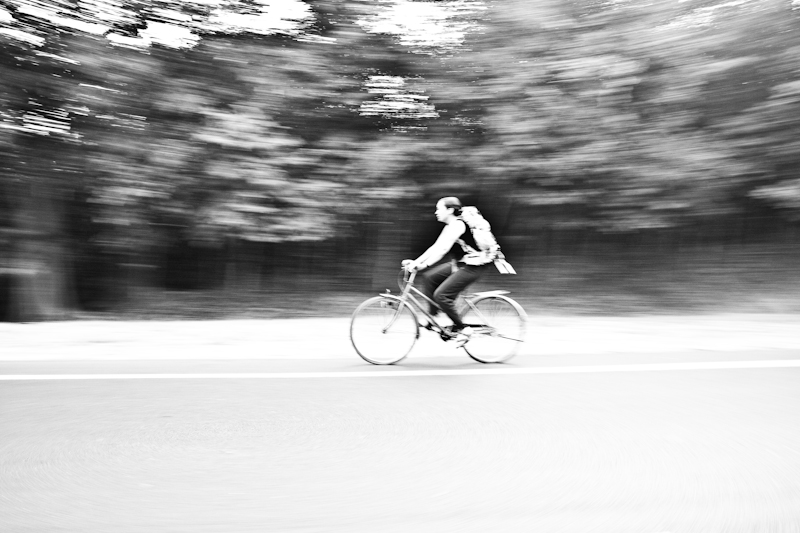
Biking Route from Siem Reap to Angkor Wat, Cambodia
Experience the ancient temples of Angkor Wat by bicycle, cycling through the heart of Cambodia’s countryside and spiritual heritage.

Biking from Siem Reap to Angkor Wat is one of Southeast Asia’s most immersive travel experiences, combining adventure, culture, and history into a single unforgettable journey. This scenic route takes you through rural Cambodian villages, lush landscapes, and finally to the magnificent Angkor Wat temple complex, the largest religious monument in the world. The bicycle journey allows you to travel at your own pace, interact with local communities, and witness the genuine rhythm of Cambodian life away from tourist crowds. Whether you’re a seasoned cyclist or a casual rider, this route offers a deeply rewarding way to discover one of the world’s greatest archaeological wonders.

Highlights

  • Angkor Wat temple complex – the largest and most iconic temple in Cambodia with breathtaking sunrise views
  • Rural Cambodian countryside – pedal through rice paddies, traditional villages, and authentic local life
  • Physical immersion – experience the landscape and culture at a slower, more meaningful pace than motorized tours
  • Sunrise arrival – time your ride to witness the golden light illuminating Angkor Wat’s towers
  • Local interactions – stop in villages to meet residents and learn about traditional Cambodian culture

What to Do

  • Cycle early morning departure from Siem Reap town to avoid heat and arrive for sunrise at Angkor Wat
  • Explore the three main temple complexes – Angkor Wat, Bayon, and Ta Prohm with their intricate stone carvings
  • Visit local villages en route to learn about silk weaving, traditional crafts, and everyday Cambodian life
  • Stop at roadside markets and farms to understand agricultural practices and sample local foods
  • Take guided temple tours after arriving to fully appreciate the historical and architectural significance

Best Time to Visit

November to February offers the coolest temperatures and dry conditions, ideal for cycling. Avoid May to September during the monsoon season when roads become muddy and cycling is challenging.

Getting There

Fly into Siem Reap International Airport, then rent a bicycle from your hotel or a local rental shop. The distance to Angkor Wat is approximately 5-6 km from central Siem Reap, making it a moderate half-day or full-day cycling adventure depending on stops and pace.

Visitor Tips

  • Start very early (4-5 AM) to reach Angkor Wat for sunrise and beat the afternoon heat
  • Bring plenty of water, sun protection, and a basic repair kit for your bicycle
  • Wear comfortable cycling clothes and sturdy shoes; the terrain includes both paved roads and unpaved paths
  • Hire a local guide to enhance your experience with historical context and cultural insights
  • Consider a hybrid or mountain bike for better control on mixed terrain and village roads

Nearby

  • Bayon Temple – the iconic stone faces temple with intricate decorative details
  • Ta Prohm Temple – famous for its jungle setting and tree-entangled architecture
  • Tonlé Sap Lake – Southeast Asia’s largest freshwater lake with floating villages
  • Siem Reap town – vibrant markets, restaurants, and accommodation options
  • Artisans Angkor – local craft workshops demonstrating traditional Cambodian arts

Biking from Siem Reap to Angkor Wat is more than just reaching a destination—it’s a transformative journey through Cambodia’s soul. As you pedal past rice fields, through quiet villages, and finally arrive at the awe-inspiring temple complex, you’ll understand why this route captivates travelers from around the world. The combination of physical challenge, cultural immersion, and historical significance creates memories that last a lifetime. Pack your sense of adventure and discover why this bicycle ride remains one of the most cherished experiences in Southeast Asia.

Location Map

Biking Route from Siem Reap to Angkor Wat, Cambodia Read More »
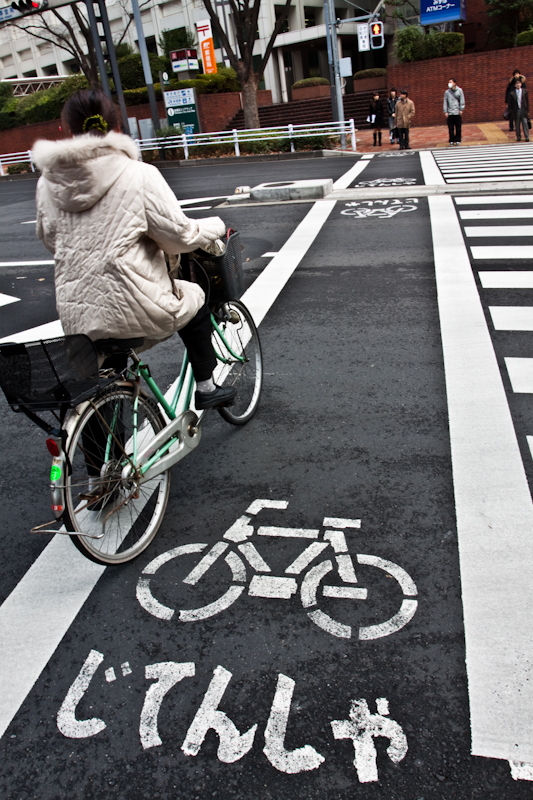
Bicycle Crossing, Shinjuku Tokyo Japan

Bicycle Crossing, Shinjuku Tokyo Japan
A vibrant urban intersection showcasing Tokyo’s bike-friendly infrastructure and bustling street culture.

Shinjuku’s bicycle crossing represents the intersection of modern urban planning and traditional Japanese practicality. This designated cycling zone in one of Tokyo’s most dynamic districts illustrates Japan’s commitment to sustainable transportation and efficient city navigation. The crossing is part of Shinjuku’s comprehensive street design that accommodates pedestrians, cyclists, and vehicles in harmonious balance.

The bicycle markings painted on the asphalt serve as a clear visual indicator of safe cycling paths, reflecting Tokyo’s thoughtful approach to urban mobility. Shinjuku’s bustling streets see countless cyclists daily, from commuters to casual riders, all navigating the city’s well-organized traffic system. This crossing epitomizes the Japanese attention to detail and safety in public spaces.

Highlights

  • Clearly marked white bicycle lane symbols guiding cyclists through intersections
  • Integration with Shinjuku’s extensive public transportation network
  • Safe crossing infrastructure in one of Tokyo’s busiest commercial districts
  • Example of Japan’s sustainable urban mobility solutions

What to Do

  • Rent a bicycle and explore Shinjuku’s neighborhoods via designated cycling routes
  • Observe Tokyo’s efficient traffic management system and urban planning
  • Experience the daily rhythm of Tokyo commuter culture
  • Visit nearby Shinjuku Station, one of the world’s busiest train stations

Best Time to Visit

Spring (March-May) and autumn (September-November) offer pleasant weather for cycling and exploring the area

Getting There

Shinjuku Station is accessible via multiple train lines including JR, Tokyo Metro, and Odakyu Railway. The area is highly walkable and bike-friendly.

Visitor Tips

  • Respect traffic signals and stay within marked bicycle lanes for safety
  • Rent bikes from local shops if you don’t have your own
  • Rush hours (7-9 AM, 5-7 PM) see heavy bike and pedestrian traffic
  • Use bicycle parking facilities rather than leaving bikes unattended

Nearby

  • Shinjuku Station
  • Tokyo Metropolitan Building
  • Meiji Shrine
  • Yoyogi Park
  • Roppongi Hills

Shinjuku’s bicycle crossing is more than just a marked path—it’s a window into Tokyo’s modern approach to urban living. Whether you’re a cycling enthusiast or simply curious about Japanese city planning, this intersection offers insight into how one of the world’s largest cities seamlessly integrates sustainable transportation. Visit Shinjuku and experience the efficient, eco-conscious side of Tokyo.

Location Map

Bicycle Crossing, Shinjuku Tokyo Japan Read More »

Scroll to Top