February 2011

Deli & Bread Connection Restaurant, San Francisco California
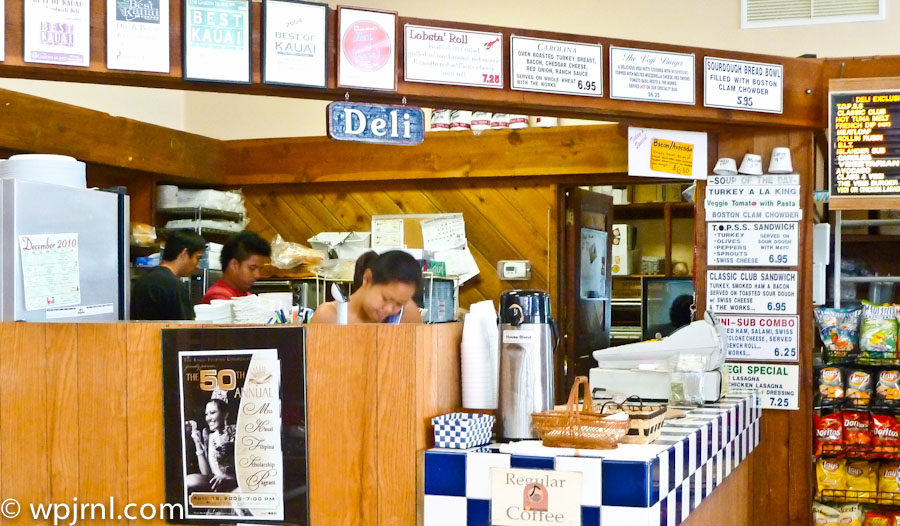
Deli & Bread Connection Restaurant, San Francisco California
A charming vintage deli serving fresh sandwiches, lobster rolls, and artisan bread in an authentic wood-paneled setting.

Deli & Bread Connection is a beloved local establishment that captures the essence of classic American deli culture. With its warm wooden interior, vintage signage, and bustling counter service, this intimate spot has been a neighborhood staple where regulars and visitors alike gather for freshly made sandwiches and baked goods. The cozy, nostalgic atmosphere combined with quality ingredients makes it a memorable destination for authentic deli fare.

The menu features an impressive array of offerings including specialty rolls, clam chowder, turkey sandwiches, and their signature lobster roll. Visible menu boards showcase daily specials and classic combinations, while the efficient staff work behind the counter preparing orders with care. Every detail, from the checkered counter display to the vintage photographs on the walls, tells a story of decades of neighborhood service.

Whether you’re grabbing a quick lunch or seeking an authentic deli experience, this charming spot delivers quality food and genuine hospitality in a setting that feels frozen in time—in the best way possible.

Highlights

  • Signature Lobster Roll with fresh seafood and authentic preparation
  • Fresh baked bread and artisan rolls made daily
  • Vintage wood-paneled interior with authentic deli atmosphere
  • Competitive prices with specials like clam chowder and turkey sandwiches
  • Efficient counter service and knowledgeable staff

What to Do

  • Order a classic sandwich made fresh to order at the counter
  • Try the house specialty lobster roll or clam chowder
  • Browse the vintage signage and classic deli memorabilia
  • Sample their fresh-baked bread and artisan rolls
  • Experience traditional San Francisco deli culture

Best Time to Visit

Weekday mornings for a quieter experience, though lunch hours showcase the lively neighborhood energy. Open year-round with consistent quality.

Getting There

Located in San Francisco; accessible by public transportation including BART and local buses. Street parking available in the neighborhood.

Visitor Tips

  • Arrive early for the best selection of fresh bread and rolls
  • Check the menu boards for daily specials and seasonal offerings
  • Come hungry—portions are generous and prices are reasonable
  • Cash may be preferred; confirm payment options before ordering
  • Perfect for a quick lunch or casual meal with authentic flavor

Nearby

  • San Francisco’s vibrant neighborhood shops and cafes
  • Local bookstores and vintage retailers
  • Community parks and gathering spaces

Deli & Bread Connection stands as a testament to the enduring appeal of authentic, unpretentious dining. In a city constantly evolving, this cherished deli preserves the warmth and craftsmanship of a bygone era while serving delicious, quality food. Whether you’re a San Francisco local or visiting the city, stepping into this cozy deli is like discovering a treasured neighborhood secret—a place where good food, genuine hospitality, and nostalgic charm converge.

Location Map

Deli & Bread Connection Restaurant, San Francisco California Read More »
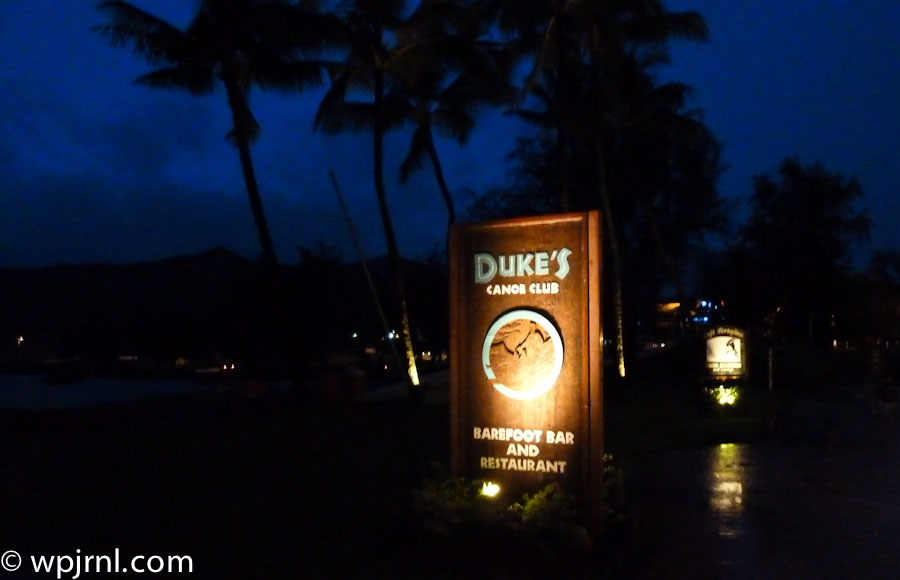
Duke’s Barefoot Bar and Restaurant, Waikiki Beach Oahu Hawaii

Duke's Barefoot Bar and Restaurant, Waikiki Beach Oahu Hawaii
A legendary beachfront institution where surf culture, tropical ambiance, and fresh island cuisine come together under swaying palms.

Duke’s Barefoot Bar and Restaurant stands as an iconic Hawaiian destination, named after the legendary surfer Duke Kahanamoku. Located right on the shores of Waikiki Beach, this casual yet vibrant establishment embodies the aloha spirit with its open-air layout, friendly atmosphere, and spectacular ocean views. The restaurant captures the essence of old Hawaii—barefoot elegance meets tropical island living, where locals and visitors mingle over cold drinks and fresh seafood while watching the sunset paint the sky in shades of gold and pink.

The venue is famous for its relaxed vibe, where you can literally kick off your shoes and enjoy the warm sand beneath your feet. Whether you’re sipping a tropical cocktail at the bar or savoring fresh poke and grilled fish at the restaurant, Duke’s delivers an authentic Hawaiian experience that honors the legacy of surfing culture and island hospitality. The nightly entertainment and torch-lighting ceremony add to the magic of dining here as darkness falls over the Pacific.

Highlights

  • Direct beachfront location on iconic Waikiki Beach with unobstructed ocean views
  • Legacy named after Duke Kahanamoku, legendary Hawaiian surfer and cultural icon
  • Open-air barefoot dining concept celebrating casual Hawaiian island lifestyle
  • Fresh seafood specialties including local poke, grilled fish, and island-inspired dishes
  • Tropical cocktails and mai tais crafted with island spirits and fresh fruits
  • Nightly entertainment featuring Hawaiian music and cultural performances
  • Sunset torch-lighting ceremony marking the transition from day to magical evening

What to Do

  • Enjoy dinner with your toes in the sand while watching surfers ride the evening waves
  • Order fresh poke bowls, grilled mahi-mahi, or other local seafood specialties
  • Sip tropical cocktails at the beachfront bar while soaking in sunset views
  • Attend nightly entertainment featuring live Hawaiian music and hula dancing
  • Experience the torch-lighting ceremony at dusk, a cherished Hawaiian tradition
  • Stroll along the adjacent Waikiki Beach before or after your meal
  • Learn about Duke Kahanamoku’s surfing legacy and cultural impact on Hawaii

Best Time to Visit

Year-round, though winter months (November–March) offer slightly cooler temperatures and calmer sunset crowds. Sunset time (around 6 PM in winter, 7:30 PM in summer) is the prime dining experience when the sky displays brilliant colors and the beach atmosphere is most magical.

Getting There

Located in Waikiki on Oahu’s south shore, easily accessible via rental car, taxi, or the local TheBus public transportation system. Most Honolulu hotels are within a short drive or bus ride. Parking is available in nearby lots, though it can be competitive during peak hours.

Visitor Tips

  • Arrive at least 30 minutes before sunset for best seating and photo opportunities
  • Reservations recommended, especially for dinner during peak season (December–February and summer)
  • Dress code is casual—literally barefoot or sandals, though shoes are permitted
  • Bring cash or cards; tipping is customary at bars and restaurants in Hawaii
  • The beach sand can be hot in afternoon; go early or after sunset for comfort
  • Popular with both tourists and locals; embrace the mixed crowd for authentic experience

Nearby

  • Waikiki Beach—famous golden-sand beach perfect for swimming and surfing
  • Duke Kahanamoku statue—iconic bronze monument honoring the surf legend
  • Kuhio Beach Park—scenic beachfront park with free events and activities
  • Honolulu Zoo—family-friendly attraction adjacent to Waikiki Beach
  • Waikiki Aquarium—marine life experiences showcasing Hawaiian sea creatures

Duke’s Barefoot Bar and Restaurant is more than just a dining destination—it’s a cultural touchstone where the spirit of old Hawaii lives on. Whether you’re a seasoned traveler or visiting Hawaii for the first time, dining barefoot on the sand at Duke’s as the sun dips below the Pacific horizon is an unforgettable experience. Come for the fresh seafood and tropical cocktails, but stay for the magic of aloha spirit, the warmth of island hospitality, and the timeless beauty of a Hawaiian sunset. Duke’s awaits—come celebrate the legacy of surfing, the charm of island living, and the memories that last a lifetime.

Location Map

Duke’s Barefoot Bar and Restaurant, Waikiki Beach Oahu Hawaii Read More »

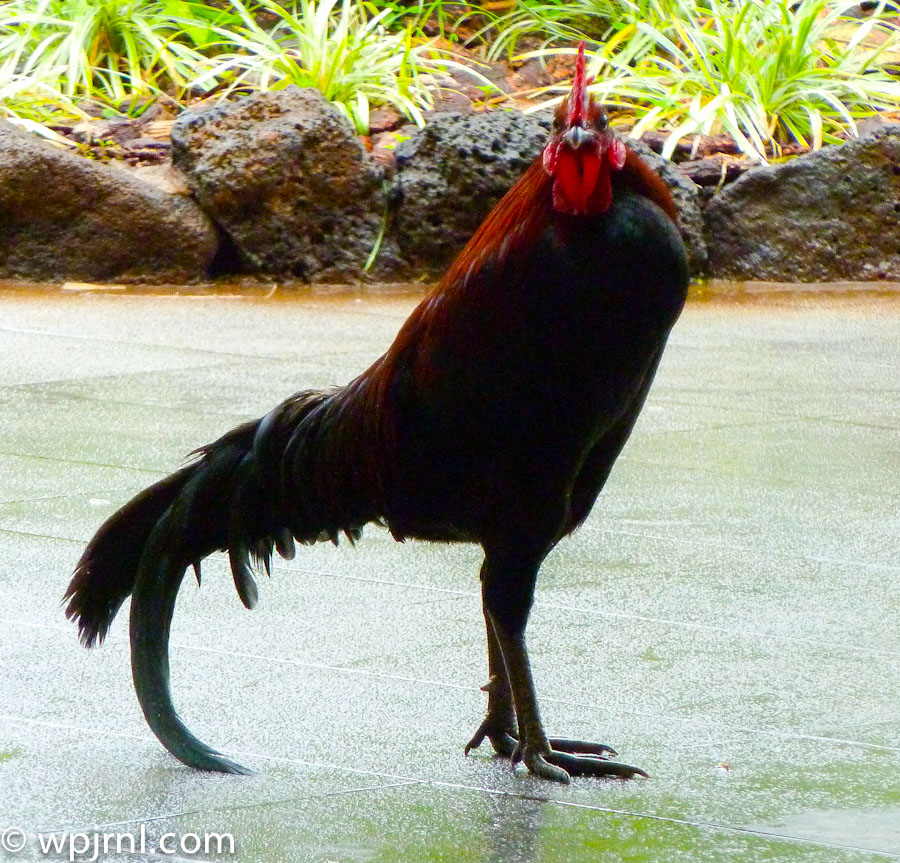
Rooster in Rural Village, Southeast Asia

Rooster in Rural Village, Southeast Asia
A striking red and black rooster showcases the vibrant wildlife of traditional Southeast Asian village life.

This photograph captures a moment of authentic rural life in Southeast Asia, where domestic roosters roam freely through village pathways. The bird’s distinctive red comb and deep black plumage are characteristic of traditional fighting cock breeds common throughout the region. Village life in Southeast Asia maintains strong connections to agricultural traditions and animal husbandry that have been passed down through generations. The natural stone walls and lush tropical vegetation visible in the background are typical of settled communities in countries like Thailand, Philippines, or Indonesia.

Highlights

  • Glimpse into authentic rural Southeast Asian village culture and daily life
  • Observation of traditional poultry breeds and animal husbandry practices
  • Natural tropical landscape with stone architecture and vegetation

What to Do

  • Explore traditional village markets and local farming communities
  • Photograph traditional architecture and rural landscapes
  • Experience local cultural practices and meet village residents
  • Visit agricultural areas and observe traditional animal husbandry

Best Time to Visit

November to February offers cooler, drier weather perfect for village exploration and outdoor photography

Getting There

Accessible by local transportation including buses, motorcycles, or guided tours from nearby towns

Visitor Tips

  • Respect local customs and ask permission before photographing animals or residents
  • Wear appropriate footwear for unpaved village paths
  • Visit early morning to experience peak village activity

Nearby

  • Local markets and temples
  • Agricultural farmland and rice paddies
  • Larger regional towns and cities

Rural Southeast Asian villages offer visitors an authentic glimpse into traditional ways of life that have flourished for centuries. The presence of free-roaming roosters and humble stone-built structures reminds us of the region’s deep agricultural heritage. By visiting these communities respectfully, travelers can gain meaningful cultural insights and support local economies while experiencing the genuine character of Southeast Asia.

Location Map

Rooster in Rural Village, Southeast Asia Read More »

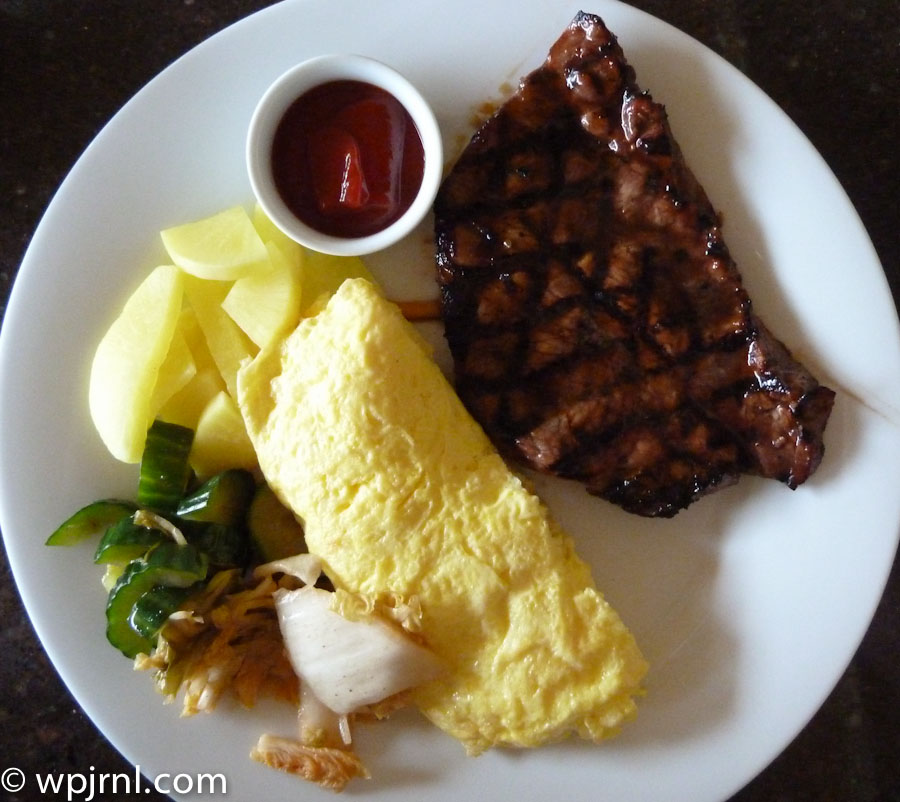
Kukui’s Hawaiian Breakfast with Grilled Steak, Eggs, and Hash Browns

Kukui's Hawaiian Breakfast with Grilled Steak, Eggs, and Hash Browns
A hearty Hawaiian breakfast featuring juicy grilled steak, fluffy eggs, crispy hash browns, and fresh pineapple with sweet BBQ sauce.

Prep Time: 10 minutes  |  Cook Time: 20 minutes  |  Total Time: 30 minutes
Servings: 1 serving  |  Difficulty: Easy  |  Cuisine: Hawaiian

Ingredients

  • 6 oz steak (ribeye or sirloin)
  • 2 eggs
  • 2 cups shredded potatoes
  • 2 slices fresh pineapple
  • 2 tablespoons butter
  • 1/4 cup BBQ sauce
  • Salt and pepper to taste
  • Oil for cooking

Instructions

  1. Heat grill or skillet to high heat and season steak generously with salt and pepper.
  2. Grill steak 4-5 minutes per side for medium-rare, basting with BBQ sauce.
  3. In a separate skillet, heat butter and fry shredded potatoes until golden and crispy, about 8-10 minutes.
  4. Cook eggs to your preference (fried, scrambled, or over-easy).
  5. Grill or pan-sear pineapple slices until caramelized, about 2-3 minutes per side.
  6. Plate all components together and serve with BBQ sauce on the side.

Tips & Notes

  • Let steak rest for 5 minutes before serving for maximum tenderness
  • Squeeze fresh lemon on pineapple for added brightness
  • Press hash browns down while cooking for extra crispiness
  • Use a meat thermometer: 130-135°F for medium-rare steak

Nutrition Notes

This protein-rich breakfast provides sustained energy with quality beef protein, carbohydrates from potatoes, and tropical fruit. High in calories and suitable for active individuals.

Kukui’s Hawaiian Breakfast with Grilled Steak, Eggs, and Hash Browns Read More »

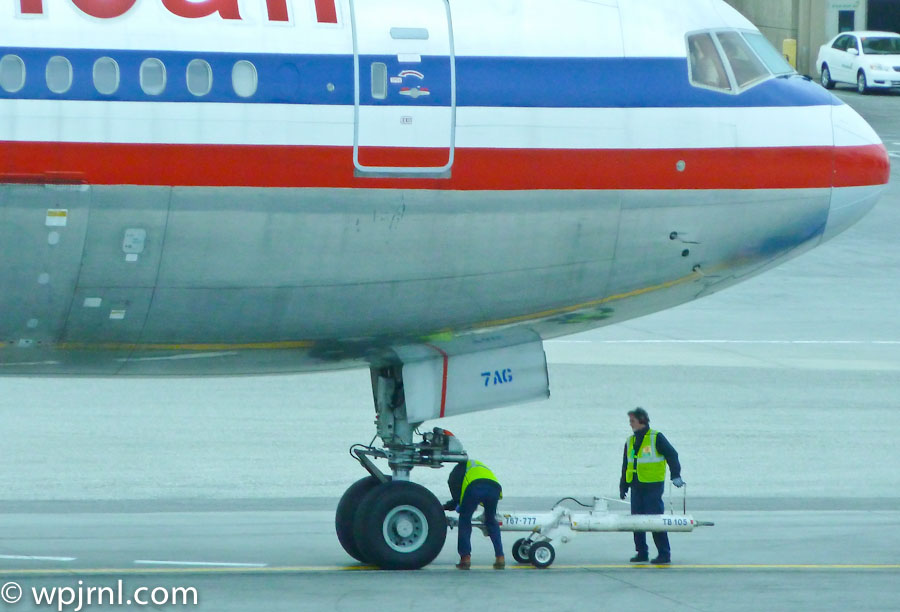
Los Angeles International Airport (LAX), Los Angeles California

Los Angeles International Airport (LAX), Los Angeles California
One of the world’s busiest aviation hubs where massive commercial aircraft are serviced and towed across the tarmac daily.

Los Angeles International Airport (LAX) is one of the largest and most important aviation centers in the United States, serving millions of passengers annually. The airport’s vast tarmac and sophisticated ground operations showcase the intricate choreography of modern air travel, with specialized ground crews managing everything from baggage handling to aircraft towing. This iconic airport represents the gateway to Los Angeles and the Pacific region, connecting travelers to destinations worldwide.

Highlights

  • American Airlines operations and fleet management at LAX
  • Massive aircraft towing and ground support operations
  • State-of-the-art airport infrastructure and runway systems
  • International gateway connecting to multiple continents
  • Hub for major airline carriers and operations

What to Do

  • Observe aircraft operations from the observation areas
  • Visit the Flight Path Learning Center for aviation education
  • Explore the airport’s diverse dining and shopping options
  • Watch planes take off and land from designated viewing spots
  • Tour the terminals to see modern airport architecture

Best Time to Visit

Year-round, though early morning offers the best aircraft spotting and clearer skies for observation

Getting There

LAX is accessible via multiple transportation methods including the Metro Green Line, rental cars, taxis, ride-sharing services, and the Automated People Mover (APM)

Visitor Tips

  • Arrive early for optimal aircraft viewing
  • Check flight schedules for peak activity times
  • Bring binoculars and a camera for plane spotting
  • Visit observation decks during daylight hours
  • Parking options available but can be costly

Nearby

  • Santa Monica Beach
  • The Getty Center
  • Griffith Observatory
  • Hollywood Walk of Fame
  • Venice Beach

Los Angeles International Airport remains a testament to human engineering and global connectivity, where every day thousands of aircraft and millions of passengers pass through its gates. Whether you’re a aviation enthusiast fascinated by ground operations or a traveler beginning your journey, LAX offers an unforgettable glimpse into the world of modern aviation and the vitality of international air travel.

Location Map

Los Angeles International Airport (LAX), Los Angeles California Read More »

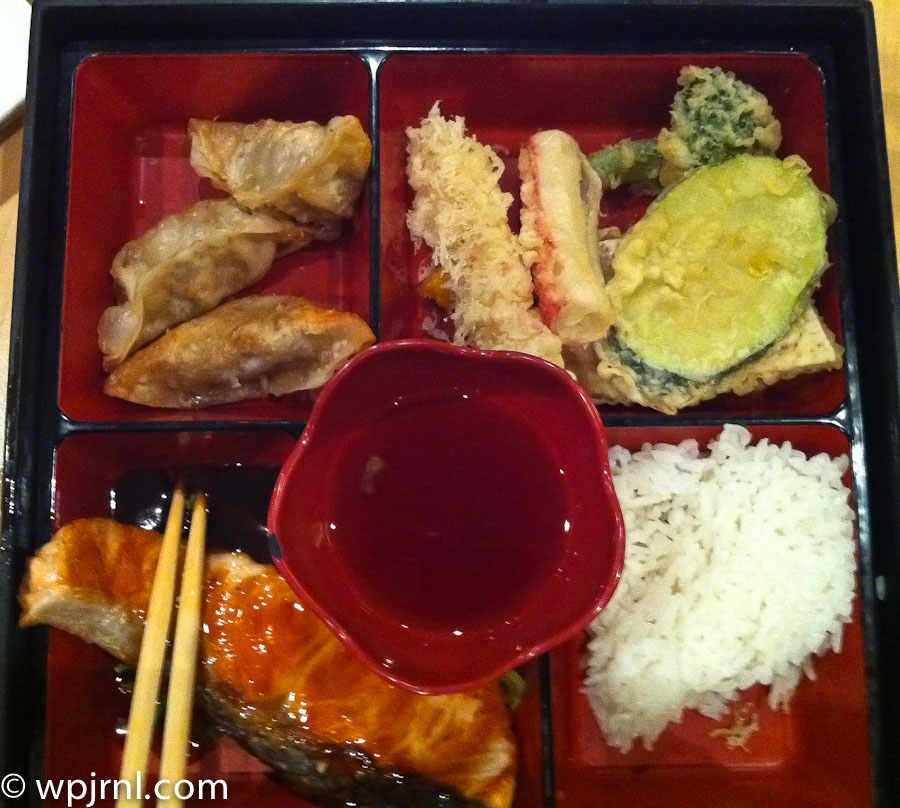
Ninki Sushi Bento Box

Ninki Sushi Bento Box
A beautifully arranged Japanese bento box featuring gyoza, tempura shrimp, glazed fish, and fluffy rice.

Prep Time: 20 minutes  |  Cook Time: 30 minutes  |  Total Time: 50 minutes
Servings: 1 serving  |  Difficulty: Medium  |  Cuisine: Japanese

Ingredients

  • 2 pork gyoza (dumplings)
  • 4-5 shrimp
  • 2 tablespoons tempura batter
  • 1 filet glazed fish (salmon or similar)
  • 1 cup steamed white rice
  • 1/2 cup broccoli
  • 1/4 avocado
  • Vegetable oil for frying
  • Soy sauce and mirin for glaze
  • Wooden chopsticks

Instructions

  1. Prepare gyoza by pan-frying until golden brown on both sides.
  2. Make tempura batter and coat shrimp, then deep fry until crispy.
  3. Glaze fish fillet with soy-mirin mixture and bake at 400°F for 12-15 minutes.
  4. Steam broccoli until tender-crisp.
  5. Cook white rice separately.
  6. Arrange all components in a divided bento box with red lacquerware compartments.
  7. Place garnishes strategically for visual appeal.

Tips & Notes

  • Keep components warm until assembly by covering lightly with foil
  • Arrange food for visual balance and contrast
  • Serve with soy sauce, wasabi, and pickled ginger on the side
  • Eat components separately or mix as desired

Nutrition Notes

A balanced meal with protein from gyoza, shrimp, and fish; carbohydrates from rice; and vegetables for fiber and nutrients. Typical bento box contains 600-750 calories.

Ninki Sushi Bento Box Read More »

Scroll to Top