aquarium

Blue Leg Hermit Crab – Live Aquarium Specimen
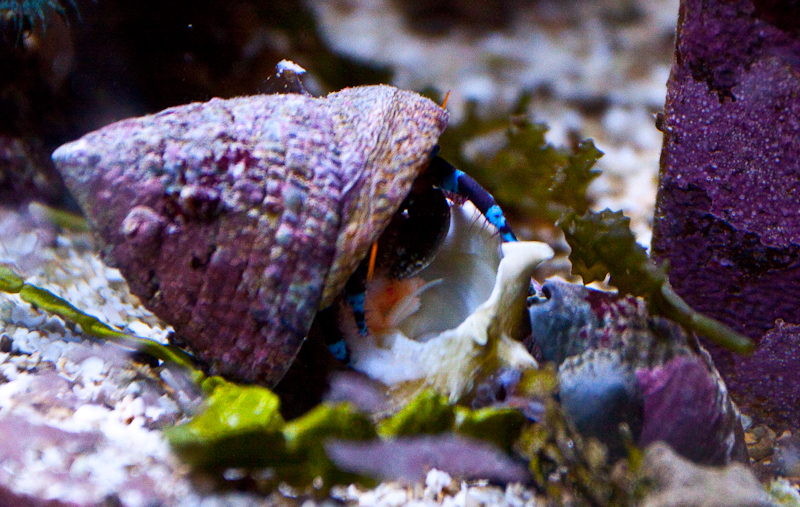
Blue Leg Hermit Crab - Live Aquarium Specimen
A fascinating glimpse of nature’s cleanup crew in action, captured in its marine habitat.

Prep Time: N/A  |  Cook Time: N/A  |  Total Time: N/A
Servings: N/A  |  Difficulty: N/A  |  Cuisine: Nature/Aquatic

Ingredients

Instructions

Nutrition Notes

This is a living creature, not food for human consumption.

Blue Leg Hermit Crab – Live Aquarium Specimen Read More »
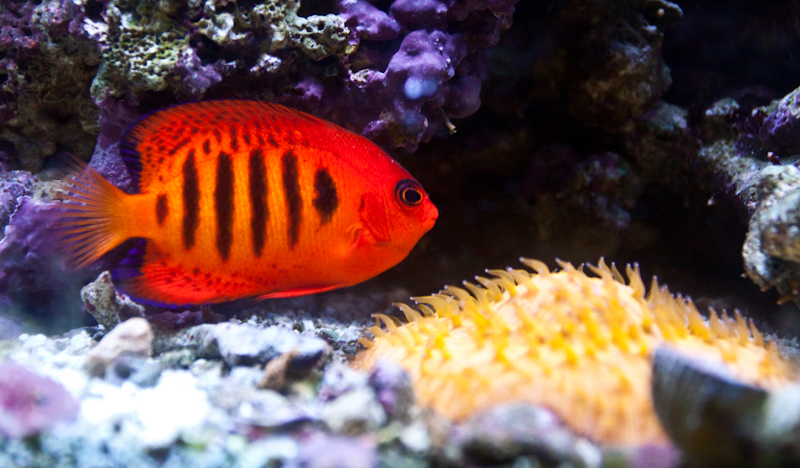
Coral Reef Aquarium Habitat – Marine Ecosystem

Coral Reef Aquarium Habitat - Marine Ecosystem
A vibrant underwater world where brilliantly colored fish and delicate corals create a mesmerizing marine ecosystem.

This stunning coral reef habitat showcases the incredible biodiversity of underwater ecosystems. The vivid flame angelfish, with its striking red and black striped pattern, glides gracefully through the water column, demonstrating the remarkable colors and behaviors found in marine environments. The orange plate coral and purple corals create a rich, textured backdrop that represents the delicate balance of reef life. These carefully maintained aquarium environments allow visitors to witness the beauty and complexity of ocean life up close.

Highlights

  • Flame angelfish with distinctive red and black coloring
  • Diverse coral species including orange plate corals and purple soft corals
  • Crystal clear water revealing intricate marine interactions
  • Natural lighting that enhances the vibrant colors of reef inhabitants

What to Do

  • Observe the graceful swimming patterns of tropical fish species
  • Study the symbiotic relationships between fish and coral
  • Photography opportunities to capture the vibrant colors and details
  • Learn about coral reef conservation and marine ecosystem preservation

Best Time to Visit

Year-round, as aquarium exhibits maintain optimal conditions daily. Visit during weekday mornings for fewer crowds and better viewing.

Getting There

Located within public aquariums worldwide. Check your local aquarium facility hours and directions for visiting this type of exhibit.

Visitor Tips

  • Allow at least 30-45 minutes to observe fish behavior and coral details
  • Use polarized sunglasses to reduce glare on the viewing glass
  • Visit during feeding times for more active fish behavior
  • Photography without flash to protect marine life and capture accurate colors

Nearby

  • Other tropical reef exhibits
  • Marine education centers
  • Aquarium gift shops and educational displays

Visiting a coral reef aquarium habitat offers a window into one of Earth’s most biodiverse ecosystems. The sight of a flame angelfish navigating through vibrant corals reminds us of the ocean’s extraordinary beauty and the importance of protecting these fragile underwater worlds for future generations.

Location Map

Coral Reef Aquarium Habitat – Marine Ecosystem Read More »
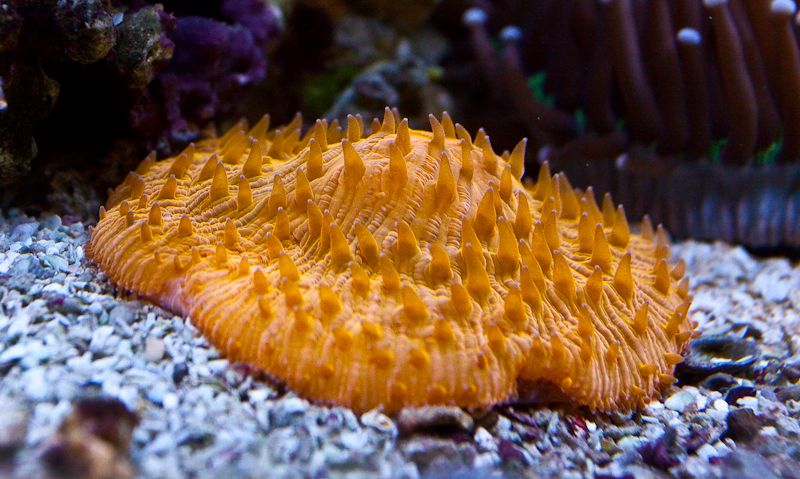
Orange Plate Coral, Coral Reef Aquarium

Orange Plate Coral, Coral Reef Aquarium
A stunning golden-orange plate coral that displays intricate branching polyps and vibrant coloration in the reef.

The Orange Plate Coral is a mesmerizing coral species found in reef environments, characterized by its distinctive flat, plate-like structure and brilliant orange-golden hues. This coral thrives in the lower light conditions of reef depths, where its vivid coloration stands out against the darker surroundings. The intricate branching polyps create a delicate, feathery appearance that makes it a prized specimen for aquarium enthusiasts and marine biologists alike.

Highlights

  • Brilliant orange-gold coloration with intricate polyp branching patterns
  • Flat plate-like morphology that creates a unique silhouette on the reef
  • Feathery, delicate tentacles that extend for feeding and light absorption
  • Thrives in reef environments and captive aquarium settings

What to Do

  • Observe the coral’s polyp feeding behavior during evening hours
  • Study the symbiotic relationship between the coral and its zooxanthellae
  • Photograph the coral’s intricate texture and vibrant coloration
  • Monitor water conditions to understand optimal coral care requirements

Best Time to Visit

Evening and night hours when polyps are most extended and visible; consistently year-round in aquarium settings

Getting There

Visit public aquariums or specialized reef aquarium facilities that house plate corals

Visitor Tips

  • Observe without touching to protect the delicate coral polyps
  • View in low-light conditions to see the most vibrant colors
  • Check feeding times for best visibility of extended polyps
  • Learn about sustainable coral reef practices and conservation

Nearby

  • Other LPS (Large Polyp Stony) corals
  • Reef fish species that interact with the coral
  • Aquarium systems demonstrating marine habitat recreation

The Orange Plate Coral represents the extraordinary beauty and complexity of reef ecosystems. Whether viewing this remarkable organism in an aquarium or in its natural habitat, it serves as a powerful reminder of the importance of ocean conservation and the need to protect these delicate underwater worlds for generations to come.

Location Map

Orange Plate Coral, Coral Reef Aquarium Read More »
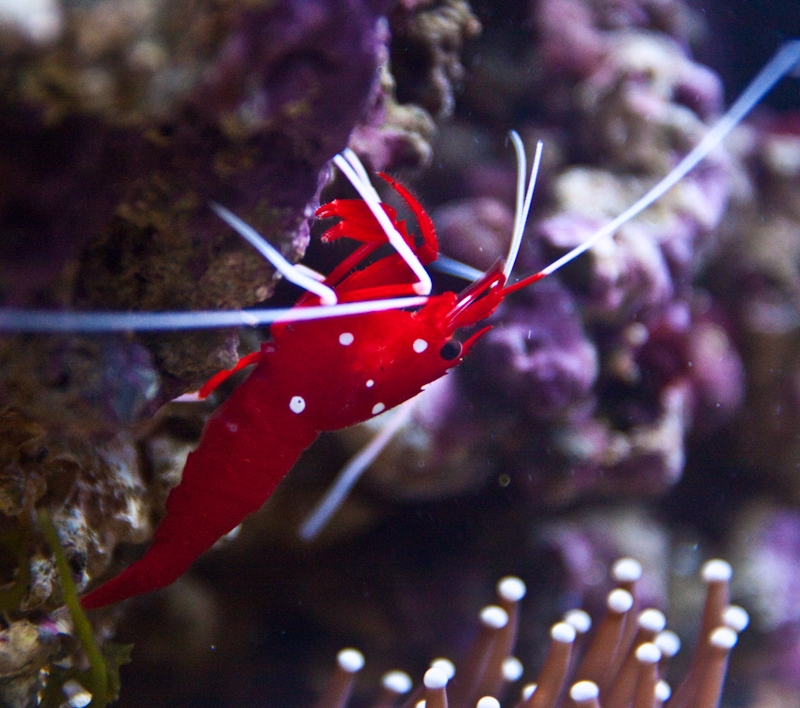
Coral Reef Aquarium Exhibit, Marine Habitat

Coral Reef Aquarium Exhibit, Marine Habitat
Discover the vibrant underwater world of tropical marine life in stunning detail

This captivating coral reef aquarium exhibit showcases the incredible biodiversity of ocean ecosystems. The fire shrimp, with its striking red coloration and delicate white antennae, is one of the most sought-after specimens among marine enthusiasts. The exhibit features carefully maintained saltwater tanks with live coral formations, creating an authentic representation of tropical reef environments where these remarkable creatures thrive in their natural habitat.

Highlights

  • Fire shrimp with distinctive red body and white spotted pattern
  • Live purple and brown coral formations
  • Authentic saltwater marine ecosystem
  • Educational display of reef biodiversity
  • Professional aquarium lighting and tank maintenance

What to Do

  • Observe the fire shrimp’s natural behavior and feeding patterns
  • Study the symbiotic relationships between shrimp and coral
  • Learn about marine conservation efforts
  • Photograph the vibrant colors of reef life
  • Watch cleaning behavior of shrimp species

Best Time to Visit

Year-round, as aquariums maintain consistent conditions; visit during off-peak hours for better viewing

Getting There

Check your local aquarium’s hours and location; most are accessible by public transportation or personal vehicle

Visitor Tips

  • Visit during feeding times for the most active viewing
  • Use subdued flash or no flash for photography to avoid stressing animals
  • Arrive early for clearer water and less crowded viewing
  • Read informational plaques for species details
  • Allow 30-45 minutes per exhibit for full appreciation

Nearby

  • Other tropical reef exhibits
  • Jellyfish pavilion
  • Deep sea creature display
  • Interactive touch pools
  • Marine education center

Experience the mesmerizing beauty of marine life up close. The fire shrimp and its coral reef companions offer a window into one of Earth’s most precious ecosystems, inspiring wonder and appreciation for ocean conservation.

Location Map

Coral Reef Aquarium Exhibit, Marine Habitat Read More »
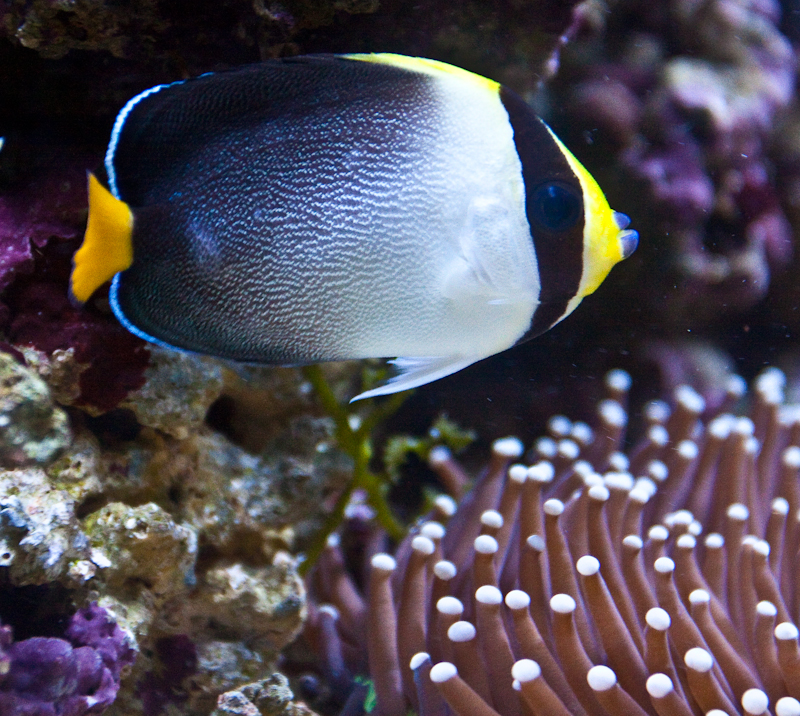
Singapore Aquarium – Marine Life Exhibition, Singapore

Singapore Aquarium - Marine Life Exhibition, Singapore
Discover stunning tropical marine life including the iconic Singapore Angelfish in pristine coral reef environments.

Singapore’s world-class aquariums showcase some of the most vibrant marine ecosystems on Earth. This photo captures the elegant Singapore Angelfish, a prized specimen found in Southeast Asian waters and featured prominently in local marine exhibitions. The fish displays the characteristic white body with striking black and yellow accents that make it a favorite among aquarium enthusiasts and marine photographers. Swimming gracefully among coral formations and anemones, the angelfish embodies the rich biodiversity that makes Singapore a premier destination for marine exploration and education.

Highlights

  • Live Singapore Angelfish and other tropical species in naturalistic habitats
  • Stunning coral reef displays with purple sea anemones and colorful polyps
  • Interactive marine education exhibits and feeding demonstrations
  • Walk-through underwater tunnels for immersive viewing experiences

What to Do

  • Observe the Singapore Angelfish and endemic species in carefully maintained reef tanks
  • Participate in guided marine biology talks and conservation presentations
  • Explore multiple themed zones representing different ocean ecosystems
  • Photography opportunities with vibrant marine life and coral formations

Best Time to Visit

Year-round, as indoor aquariums maintain optimal conditions. Visit on weekdays for fewer crowds and better viewing experiences.

Getting There

Located on Sentosa Island, accessible by cable car, monorail, or beach tram from central Singapore. Direct access from Singapore’s main attractions.

Visitor Tips

  • Allow 3-4 hours for a comprehensive visit through all exhibits
  • Photography without flash is recommended to minimize stress to fish
  • Visit during feeding times for the most active fish behavior and engagement
  • Bring a camera with macro capability for stunning close-up shots of tropical specimens

Nearby

  • Sentosa Island Beach resorts and water sports facilities
  • Universal Studios Singapore entertainment park
  • Imbiah Lookout viewpoint with panoramic island views
  • Fort Siloso historic fortress and museum

The Singapore Angelfish and its coral reef companions offer a window into the extraordinary marine biodiversity of Southeast Asia. Whether you’re a marine enthusiast, photographer, or casual visitor, Singapore’s aquariums provide an unforgettable encounter with underwater wonders. Plan your visit today and immerse yourself in the mesmerizing world of tropical marine life.

Location Map

Singapore Aquarium – Marine Life Exhibition, Singapore Read More »
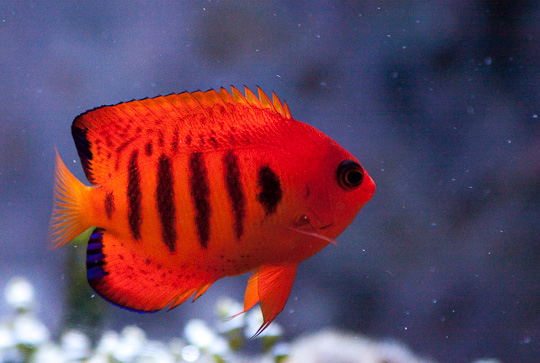
Flame Angel Fish in Aquarium Habitat

Flame Angel Fish in Aquarium Habitat
Witness the stunning crimson beauty of the Flame Angel, one of the ocean’s most vibrant and captivating reef fish.

The Flame Angel, scientifically known as Centropyge loricula, is a mesmerizing small reef fish that captivates aquarium enthusiasts and marine biologists alike with its brilliant red and orange coloration. Native to the Indo-Pacific region, this iconic species thrives in deep coral reef environments and is a prized addition to saltwater aquariums worldwide. Its striking appearance and dynamic personality make it one of the most sought-after ornamental fish in the marine aquarium hobby.

Highlights

  • Brilliant red-orange coloration with distinctive black vertical stripes
  • Small size (up to 2 inches) making it perfect for smaller reef tanks
  • Active swimmer displaying engaging territorial and social behaviors
  • Deep reef habitat preference indicating it thrives in specific water conditions
  • Compatible with select reef tank companions for community setups

What to Do

  • Observe the fish in quality public aquariums with dedicated reef exhibits
  • Visit specialty marine aquarium shops to learn about care requirements
  • Research reef conservation efforts supporting natural Flame Angel populations
  • Set up a home saltwater aquarium specifically designed for Flame Angels
  • Photograph and document the fish’s natural behaviors and interactions

Best Time to Visit

Year-round, as captive specimens are available in aquariums continuously, though spring and summer offer the best time to observe peak coloration and breeding behaviors in well-maintained facilities.

Getting There

Visit accredited public aquariums with tropical reef sections, or specialty marine aquarium retailers in your area. Many aquariums across the world feature this species in their Indo-Pacific or coral reef exhibits.

Visitor Tips

  • Bring a camera with good low-light capabilities for underwater photography
  • Visit during less crowded hours for better viewing and photography opportunities
  • Learn about the species’ natural habitat to appreciate the aquarium setup design
  • Ask aquarium staff about feeding times for more active behavioral observation
  • Check water quality displays to understand optimal conditions for this species

Nearby

  • Other colorful reef fish species in the same aquarium exhibit
  • Coral reef ecosystem displays
  • Marine conservation education centers

The Flame Angel represents the incredible diversity and natural beauty of our ocean ecosystems. Whether you encounter this radiant fish in a public aquarium or in your own carefully maintained saltwater tank, it serves as a reminder of the importance of marine conservation and the wonder that lies beneath the waves. Discover the magic of reef fish and become an advocate for protecting their natural habitats.

Location Map

Flame Angel Fish in Aquarium Habitat Read More »

Scroll to Top