marine-life

Tidal Mudflats and Rock Pools, Coastal Destination

Tidal Mudflats and Rock Pools, Coastal Destination
A natural playground where children discover marine life in shallow pools and muddy shores.

These enchanting tidal mudflats and rock pools represent one of nature’s most accessible outdoor classrooms. Exposed at low tide, the terrain reveals a miniature ecosystem teeming with small creatures, algae, and geological wonders. Perfect for families and nature enthusiasts, these coastal areas invite exploration and discovery without requiring specialized equipment or extensive travel.

Highlights

  • Shallow rock pools filled with starfish, crabs, and anemones
  • Rich algae-covered surfaces supporting diverse marine ecosystems
  • Exposed mudflats revealing natural geological formations
  • Safe, accessible terrain ideal for children’s exploration and learning

What to Do

  • Search for hidden creatures in rock pools and tidal pools
  • Observe and photograph algae, seaweed, and marine plant life
  • Collect shells and study natural beach formations
  • Learn about tidal cycles and coastal ecosystems
  • Enjoy family nature walks and outdoor exploration

Best Time to Visit

During low tide on calm, clear days when pools are fully exposed and water is relatively warm; typically spring through early autumn

Getting There

Accessible by foot from nearby coastal communities; check tide tables before planning your visit

Visitor Tips

  • Always check tide times before visiting to ensure safe access and maximum pool exposure
  • Wear waterproof shoes or sandals for muddy terrain and shallow water
  • Bring a small net or bucket for gentle observation of marine creatures
  • Respect marine life by handling creatures gently and returning them to pools
  • Bring sun protection and fresh water for extended exploration

Nearby

  • Coastal villages with local restaurants and accommodations
  • Sandy beaches for swimming during high tide
  • Hiking trails along cliff paths with ocean views

Whether you’re a curious child discovering your first sea creature or an adult reconnecting with nature’s wonders, tidal mudflats and rock pools offer authentic coastal experiences that inspire lifelong appreciation for marine environments. Come explore these dynamic natural spaces where every visit reveals something new.

Location Map

Tidal Mudflats and Rock Pools, Coastal Destination Read More »
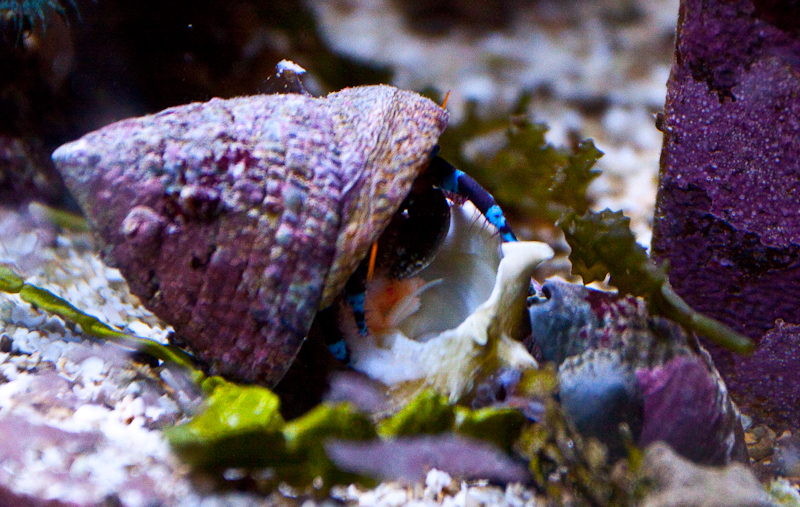
Blue Leg Hermit Crab – Live Aquarium Specimen

Blue Leg Hermit Crab - Live Aquarium Specimen
A fascinating glimpse of nature’s cleanup crew in action, captured in its marine habitat.

Prep Time: N/A  |  Cook Time: N/A  |  Total Time: N/A
Servings: N/A  |  Difficulty: N/A  |  Cuisine: Nature/Aquatic

Ingredients

Instructions

Nutrition Notes

This is a living creature, not food for human consumption.

Blue Leg Hermit Crab – Live Aquarium Specimen Read More »
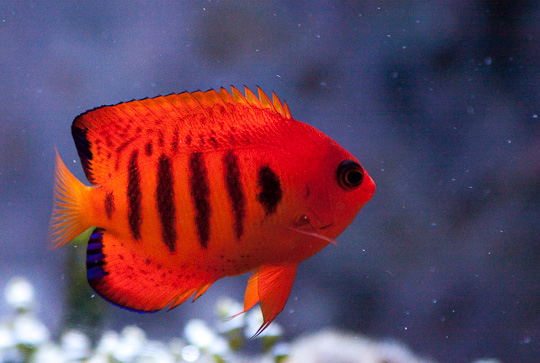
Flame Angel Fish in Aquarium Habitat

Flame Angel Fish in Aquarium Habitat
Witness the stunning crimson beauty of the Flame Angel, one of the ocean’s most vibrant and captivating reef fish.

The Flame Angel, scientifically known as Centropyge loricula, is a mesmerizing small reef fish that captivates aquarium enthusiasts and marine biologists alike with its brilliant red and orange coloration. Native to the Indo-Pacific region, this iconic species thrives in deep coral reef environments and is a prized addition to saltwater aquariums worldwide. Its striking appearance and dynamic personality make it one of the most sought-after ornamental fish in the marine aquarium hobby.

Highlights

  • Brilliant red-orange coloration with distinctive black vertical stripes
  • Small size (up to 2 inches) making it perfect for smaller reef tanks
  • Active swimmer displaying engaging territorial and social behaviors
  • Deep reef habitat preference indicating it thrives in specific water conditions
  • Compatible with select reef tank companions for community setups

What to Do

  • Observe the fish in quality public aquariums with dedicated reef exhibits
  • Visit specialty marine aquarium shops to learn about care requirements
  • Research reef conservation efforts supporting natural Flame Angel populations
  • Set up a home saltwater aquarium specifically designed for Flame Angels
  • Photograph and document the fish’s natural behaviors and interactions

Best Time to Visit

Year-round, as captive specimens are available in aquariums continuously, though spring and summer offer the best time to observe peak coloration and breeding behaviors in well-maintained facilities.

Getting There

Visit accredited public aquariums with tropical reef sections, or specialty marine aquarium retailers in your area. Many aquariums across the world feature this species in their Indo-Pacific or coral reef exhibits.

Visitor Tips

  • Bring a camera with good low-light capabilities for underwater photography
  • Visit during less crowded hours for better viewing and photography opportunities
  • Learn about the species’ natural habitat to appreciate the aquarium setup design
  • Ask aquarium staff about feeding times for more active behavioral observation
  • Check water quality displays to understand optimal conditions for this species

Nearby

  • Other colorful reef fish species in the same aquarium exhibit
  • Coral reef ecosystem displays
  • Marine conservation education centers

The Flame Angel represents the incredible diversity and natural beauty of our ocean ecosystems. Whether you encounter this radiant fish in a public aquarium or in your own carefully maintained saltwater tank, it serves as a reminder of the importance of marine conservation and the wonder that lies beneath the waves. Discover the magic of reef fish and become an advocate for protecting their natural habitats.

Location Map

Flame Angel Fish in Aquarium Habitat Read More »

Scroll to Top