travel

travel photos

Angkor Wat Temple Complex, Siem Reap Cambodia

Angkor Wat Temple Complex, Siem Reap Cambodia
Witness the breathtaking sunrise over the world’s largest religious monument, a UNESCO World Heritage masterpiece of Khmer architecture.

Angkor Wat is an architectural marvel and the crown jewel of Cambodia’s Angkor complex. Built in the 12th century as a Hindu temple dedicated to Vishnu, it stands as the largest religious monument in the world and represents the pinnacle of Khmer artistic achievement. The temple’s iconic five towers, intricate stone carvings, and vast compound spanning over 400 acres create an otherworldly atmosphere that transports visitors back centuries in time. Angkor Wat is not just a temple; it’s a testament to human ingenuity, spiritual devotion, and the grandeur of the Khmer Empire at its height.

Highlights

  • Watch the iconic sunrise over the main temple towers, painting the sky in brilliant oranges and golds
  • Explore the intricate bas-reliefs depicting scenes from Hindu epics and daily life in the Khmer Empire
  • Climb to the upper terraces for panoramic views of the surrounding jungle and complex
  • Discover the reflection pools that create mirror-like images of the temple at dawn

What to Do

  • Arrive before dawn to secure the best sunrise viewing spot and capture stunning photography
  • Hire a knowledgeable guide to explain the architectural significance and historical context
  • Walk the outer galleries to admire the detailed stone carvings and reliefs
  • Explore nearby temples within the Angkor complex including Bayon and Ta Prohm
  • Visit during the dry season for clearer skies and optimal photography conditions

Best Time to Visit

November to February offers the coolest weather and clearest skies for sunrise viewing, making it ideal for photography and comfortable exploration of the vast temple complex.

Getting There

Fly into Siem Reap International Airport, then take a tuk-tuk or hire a private driver for the 30-minute journey to Angkor Wat. Most visitors book multi-day temple passes to explore the entire Angkor complex.

Visitor Tips

  • Purchase a 1-day, 3-day, or 3-day pass in advance to explore multiple temples
  • Bring water, sun protection, and comfortable walking shoes as you’ll be on your feet for hours
  • Hire a local guide to enhance your understanding of the temple’s history and architecture
  • Dress modestly when visiting; shoulders and knees should be covered out of respect
  • Start at sunrise for the best light and fewer crowds before mid-morning

Nearby

  • Bayon Temple – the mysterious temple with giant stone faces
  • Ta Prohm Temple – famous for massive tree roots entwining the structures
  • Tonle Sap Lake – Southeast Asia’s largest freshwater lake with floating villages
  • Siem Reap town – vibrant markets, restaurants, and cultural centers

Angkor Wat represents more than architectural achievement; it embodies the spiritual and cultural legacy of the Khmer people. Witnessing sunrise over this ancient temple complex is a transformative experience that connects you to over eight centuries of history. Whether you’re a history enthusiast, photographer, or spiritual seeker, Angkor Wat promises an unforgettable journey into one of humanity’s greatest civilizations.

Location Map

Angkor Wat Temple Complex, Siem Reap Cambodia Read More »

Fish Foot Massage Spa, Downtown Siem Reap Cambodia

Fish Foot Massage Spa, Downtown Siem Reap Cambodia
Experience the unique and relaxing sensation of traditional fish therapy in the heart of Siem Reap’s vibrant downtown district.

Fish foot massage, also known as fish spa therapy, is a distinctive and increasingly popular wellness treatment found throughout Southeast Asia. In downtown Siem Reap, this unconventional spa experience combines relaxation with natural exfoliation as small, specially trained fish gently nibble away dead skin from your feet. It’s a sensory adventure that blends traditional healing practices with modern wellness trends, offering locals and travelers alike an unforgettable and surprisingly soothing experience. The treatment takes place in dedicated spas throughout the city center, where the warm water pools and schools of hungry fish create a uniquely therapeutic environment.

This unusual therapy has become a cultural curiosity and wellness phenomenon. The small fish, typically a species called Garra rufa or similar varieties, work naturally to remove dead skin cells, leaving feet soft and rejuvenated. Beyond the physical benefits, many visitors find the experience meditative and deeply relaxing—a conversation starter and Instagram-worthy moment that captures the essence of Southeast Asian wellness innovation.

Highlights

  • Natural exfoliation through safe, tickling fish therapy—a completely chemical-free skincare treatment
  • Warm, mineral-rich water pools that promote circulation and relaxation
  • Experienced spa therapists who guide you through the process and ensure comfort
  • Affordable pricing compared to traditional spas, making wellness accessible
  • A uniquely memorable experience that perfectly captures Siem Reap’s blend of tradition and modernity

What to Do

  • Soak your feet in warm therapeutic water while the Garra rufa fish work their magic for 15-30 minutes
  • Combine the fish massage with traditional Khmer massage or other spa treatments offered at the venue
  • Explore the surrounding downtown Siem Reap area, including markets, restaurants, and local shops
  • Visit nearby temples and cultural landmarks like Wat Bo or the Old Market after your treatment
  • Chat with other travelers experiencing the therapy and share the unique sensation together

Best Time to Visit

November to February offers the most comfortable weather with cooler temperatures and lower humidity, making it ideal for spa relaxation and exploring downtown Siem Reap

Getting There

Located in downtown Siem Reap, easily accessible by tuk-tuk from the airport or hotels; most spas are near the Old Market (Psar Chas) area. Walking distance from many central accommodations.

Visitor Tips

  • Book ahead during peak tourist season (December-January) to secure your preferred time slot
  • Arrive with clean feet or use the foot wash facilities provided at the spa
  • The sensation may feel ticklish at first—take deep breaths and try to relax into the experience
  • Expect the treatment to last 15-45 minutes depending on the package you choose
  • Bring cash, as many smaller spas may not accept credit cards

Nearby

  • Psar Chas (Old Market) – traditional Cambodian market with local crafts and souvenirs
  • Wat Bo Temple – serene Buddhist temple showcasing traditional Khmer architecture
  • Siem Reap River – scenic waterfront area perfect for evening strolls
  • Artisans Angkor – cultural workshop showcasing traditional Cambodian craftsmanship

A fish foot massage in downtown Siem Reap is more than just a spa treatment—it’s a cultural experience that embodies the region’s innovative approach to wellness and hospitality. Whether you’re seeking relief from travel fatigue, curious about Southeast Asian traditions, or simply looking for a memorable story to take home, this quirky and rejuvenating therapy offers something truly special. Visit downtown Siem Reap and let the healing waters and gentle fish transport you to a state of pure relaxation in one of Cambodia’s most vibrant cities.

Location Map

Fish Foot Massage Spa, Downtown Siem Reap Cambodia Read More »

Spices Garden Restaurant, Sofitel Metropol Hanoi — Vietnam

Spices Garden Restaurant, Sofitel Metropol Hanoi — Vietnam
An elegant fine dining destination blending Vietnamese culinary traditions with French sophistication in Hanoi’s most iconic hotel.

Spices Garden Restaurant at the Sofitel Metropol Hanoi is a culinary jewel that captures the essence of Vietnamese cuisine infused with French colonial elegance. Located within one of Southeast Asia’s most prestigious heritage hotels, the restaurant offers an intimate dining experience where every detail—from the ornate orange silk lampshades adorned with intricate black floral motifs to the carefully curated menu—reflects a commitment to excellence. The restaurant’s design elements, including its signature lighting, create a warm, sophisticated ambiance that transports guests to a world of refined gastronomy and timeless beauty.

Highlights

  • Exquisite Vietnamese cuisine with French-influenced techniques and presentation
  • Stunning interior design featuring ornate decorative lighting and traditional artistic details
  • Heritage setting within the iconic Sofitel Metropol Hanoi, a legendary colonial-era hotel
  • Intimate and elegant dining atmosphere perfect for special occasions
  • Expert sommelier service and carefully curated wine selections

What to Do

  • Dine on Vietnamese specialties prepared with contemporary French culinary methods
  • Experience a multi-course tasting menu showcasing seasonal Vietnamese ingredients and spices
  • Enjoy aperitifs and cocktails in the sophisticated dining setting
  • Explore the hotel’s other dining venues and historic colonial architecture
  • Reserve a private dining experience for special celebrations

Best Time to Visit

October to April, when Hanoi’s weather is cool and pleasant, ideal for enjoying the restaurant’s elegant atmosphere without excessive heat

Getting There

The Sofitel Metropol Hanoi is centrally located in Hanoi’s Old Quarter, easily accessible by taxi, ride-sharing services, or hotel car arrangements from Noi Bai International Airport (approximately 45 minutes away)

Visitor Tips

  • Dress smartly; this is an upscale fine dining establishment requiring business casual or formal attire
  • Make reservations well in advance, especially for dinner service and weekend bookings
  • Allow 2-3 hours for a full dining experience to fully appreciate each course
  • Ask staff about wine pairings to enhance your culinary journey
  • Explore the hotel’s lobby and heritage spaces before or after your meal

Nearby

  • Hanoi Old Quarter’s vibrant street food and shopping district
  • Hoan Kiem Lake and surrounding historic temples
  • Vietnam National Museum of History
  • St. Joseph’s Cathedral, Hanoi’s iconic Gothic landmark

Spices Garden Restaurant at Sofitel Metropol Hanoi represents the pinnacle of Vietnamese fine dining, where culinary artistry meets timeless elegance. Whether celebrating a special occasion or simply seeking an unforgettable gastronomic experience, this restaurant delivers an enchanting evening that honors both Vietnamese traditions and French sophistication. A visit here is not merely a meal—it’s an immersion into Hanoi’s refined cultural heritage.

Location Map

Spices Garden Restaurant, Sofitel Metropol Hanoi — Vietnam Read More »

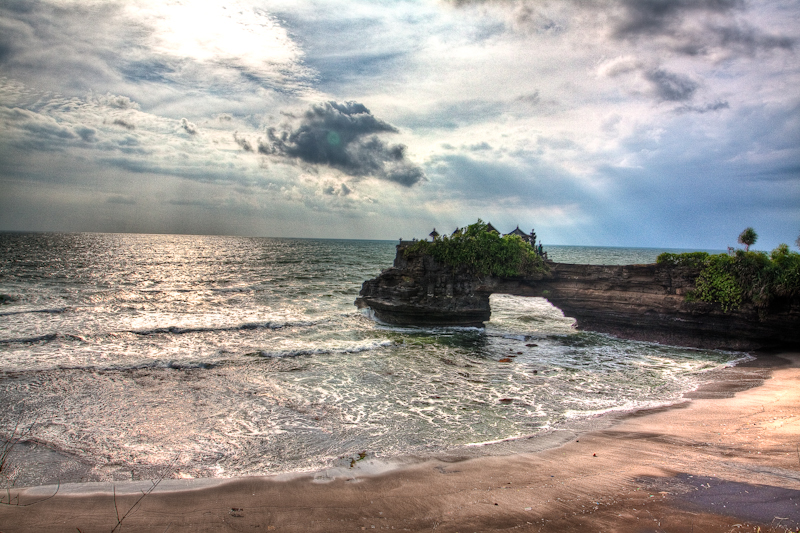
Tanah Lot Temple, Bali Indonesia

Tanah Lot Temple, Bali Indonesia
An iconic clifftop sea temple surrounded by dramatic rock formations and spiritual significance in Bali’s cultural heart.

Tanah Lot is one of Bali’s most recognizable and visited temples, perched majestically on a large rock formation jutting out into the Indian Ocean. This 16th-century temple is a masterpiece of Balinese architecture and spirituality, serving as both a sacred Hindu place of worship and a stunning natural landmark. The temple’s name means ‘land in the middle of the sea,’ perfectly capturing its dramatic location where ancient stone structures meet crashing waves and golden sunsets paint the sky.

Highlights

  • Iconic sea temple set on a dramatic rocky outcrop surrounded by ocean waves
  • Stunning sunset views with the silhouetted temple against golden and purple skies
  • Ancient Hindu temple complex dating back to the 16th century
  • Natural pools and caves within the rock formation believed to have purifying properties
  • Vibrant local wildlife including cats and various bird species in the surrounding area

What to Do

  • Watch the sunset from the temple grounds or nearby cafes for breathtaking photo opportunities
  • Explore the main temple complex and learn about Balinese Hindu traditions and architecture
  • Discover the natural caves and springs within the rock formation
  • Visit the nearby souvenir shops and traditional warungs for local food and crafts
  • Walk along the clifftop pathways for panoramic ocean vistas and nature photography

Best Time to Visit

April to October during the dry season offers the clearest skies and most reliable sunset viewing, though the temple is beautiful year-round

Getting There

Located in Tabanan Regency, approximately 20km northwest of Ubud; accessible by car, scooter, or organized tours from major tourist areas; parking available at the temple grounds

Visitor Tips

  • Arrive early in the afternoon to secure good sunset viewing spots before crowds arrive
  • Wear modest clothing as this is an active Hindu temple; sarongs are available to rent
  • Bring cash as many local vendors don’t accept cards
  • Watch for the friendly local cats and monkeys; keep belongings secure
  • The temple grounds can be slippery when wet; wear appropriate footwear

Nearby

  • Bali Botanical Garden in nearby Bedugul
  • Lake Bratan and water temples
  • Traditional Balinese villages of Tabanan regency

Tanah Lot Temple represents the perfect blend of spiritual significance, natural beauty, and cultural heritage that makes Bali unforgettable. Whether you’re seeking spiritual connection, photographic inspiration, or simply a moment of awe before nature’s grandeur, this iconic temple delivers an experience that touches the soul and lingers in memory long after your visit.

Location Map

Tanah Lot Temple, Bali Indonesia Read More »

Pavilion Mall, Kuala Lumpur Malaysia

Pavilion Mall, Kuala Lumpur Malaysia
A premier shopping destination in Kuala Lumpur featuring stunning Chinese lantern installations and world-class retail experiences.

Pavilion KL stands as one of Malaysia’s most iconic shopping malls, located in the vibrant Bukit Bintang district of Kuala Lumpur. This architectural marvel seamlessly blends modern design with cultural aesthetics, particularly evident during festive seasons when the mall transforms into a breathtaking display of traditional Chinese lanterns. The mall attracts millions of visitors annually with its luxury brands, dining options, and stunning interior design that celebrates local and Asian heritage.

Highlights

  • Spectacular hanging Chinese red lantern installations that create an immersive cultural atmosphere
  • Five storeys of premium shopping with international and local brands
  • World-class dining and entertainment venues throughout the mall
  • Modern architecture with elegant skylights and open atriums
  • Strategic location in the heart of Kuala Lumpur’s shopping district

What to Do

  • Shop at luxury and mid-range retail brands spanning fashion, electronics, and lifestyle products
  • Dine at diverse restaurants and cafes ranging from local Malaysian cuisine to international fare
  • Admire the decorative lantern installations and take photos in the stunning atrium spaces
  • Visit during Chinese New Year or major festivals for enhanced decoration displays
  • Explore the premium cinema and entertainment facilities

Best Time to Visit

Chinese New Year and festive seasons when the lantern decorations are most elaborate and vibrant, though the mall is worth visiting year-round for its excellent shopping and dining options.

Getting There

Pavilion KL is accessible via the Bukit Bintang LRT station on the Kelana Jaya Line, just a short walk away. It’s also easily reached by taxi, ride-sharing services, or personal vehicle with ample parking facilities available.

Visitor Tips

  • Visit during off-peak hours (weekday mornings) for a less crowded shopping experience
  • Book dining reservations in advance, especially during peak hours and festive seasons
  • Wear comfortable shoes as the mall spans multiple levels and requires considerable walking
  • Bring a camera to capture the beautiful lantern installations and architectural details
  • Check the mall’s event calendar for special festivals and promotions

Nearby

  • Bukit Bintang Street – vibrant shopping and entertainment district
  • Suria KLCC – another premier mall near the iconic Petronas Twin Towers
  • Merdeka Square – historic landmark and cultural site in central Kuala Lumpur
  • Chinatown – bustling traditional market and cultural hub

Pavilion KL represents the perfect convergence of modern retail excellence and cultural celebration. Whether you’re a shopper seeking luxury brands, a foodie exploring diverse cuisines, or a traveler captivated by beautiful design and cultural aesthetics, this mall offers an unforgettable experience. The iconic hanging lanterns create a magical atmosphere that transports visitors to a space where tradition meets contemporary luxury, making it an essential destination for anyone visiting Kuala Lumpur.

Location Map

Pavilion Mall, Kuala Lumpur Malaysia Read More »

Bicycle Crossing, Shinjuku Tokyo Japan

Bicycle Crossing, Shinjuku Tokyo Japan
A vibrant urban intersection showcasing Tokyo’s bike-friendly infrastructure and bustling street culture.

Shinjuku’s bicycle crossing represents the intersection of modern urban planning and traditional Japanese practicality. This designated cycling zone in one of Tokyo’s most dynamic districts illustrates Japan’s commitment to sustainable transportation and efficient city navigation. The crossing is part of Shinjuku’s comprehensive street design that accommodates pedestrians, cyclists, and vehicles in harmonious balance.

The bicycle markings painted on the asphalt serve as a clear visual indicator of safe cycling paths, reflecting Tokyo’s thoughtful approach to urban mobility. Shinjuku’s bustling streets see countless cyclists daily, from commuters to casual riders, all navigating the city’s well-organized traffic system. This crossing epitomizes the Japanese attention to detail and safety in public spaces.

Highlights

  • Clearly marked white bicycle lane symbols guiding cyclists through intersections
  • Integration with Shinjuku’s extensive public transportation network
  • Safe crossing infrastructure in one of Tokyo’s busiest commercial districts
  • Example of Japan’s sustainable urban mobility solutions

What to Do

  • Rent a bicycle and explore Shinjuku’s neighborhoods via designated cycling routes
  • Observe Tokyo’s efficient traffic management system and urban planning
  • Experience the daily rhythm of Tokyo commuter culture
  • Visit nearby Shinjuku Station, one of the world’s busiest train stations

Best Time to Visit

Spring (March-May) and autumn (September-November) offer pleasant weather for cycling and exploring the area

Getting There

Shinjuku Station is accessible via multiple train lines including JR, Tokyo Metro, and Odakyu Railway. The area is highly walkable and bike-friendly.

Visitor Tips

  • Respect traffic signals and stay within marked bicycle lanes for safety
  • Rent bikes from local shops if you don’t have your own
  • Rush hours (7-9 AM, 5-7 PM) see heavy bike and pedestrian traffic
  • Use bicycle parking facilities rather than leaving bikes unattended

Nearby

  • Shinjuku Station
  • Tokyo Metropolitan Building
  • Meiji Shrine
  • Yoyogi Park
  • Roppongi Hills

Shinjuku’s bicycle crossing is more than just a marked path—it’s a window into Tokyo’s modern approach to urban living. Whether you’re a cycling enthusiast or simply curious about Japanese city planning, this intersection offers insight into how one of the world’s largest cities seamlessly integrates sustainable transportation. Visit Shinjuku and experience the efficient, eco-conscious side of Tokyo.

Location Map

Bicycle Crossing, Shinjuku Tokyo Japan Read More »

Scroll to Top