travel

travel photos

Angkor Wat Temple Complex, Siem Reap Cambodia

Angkor Wat Temple Complex, Siem Reap Cambodia
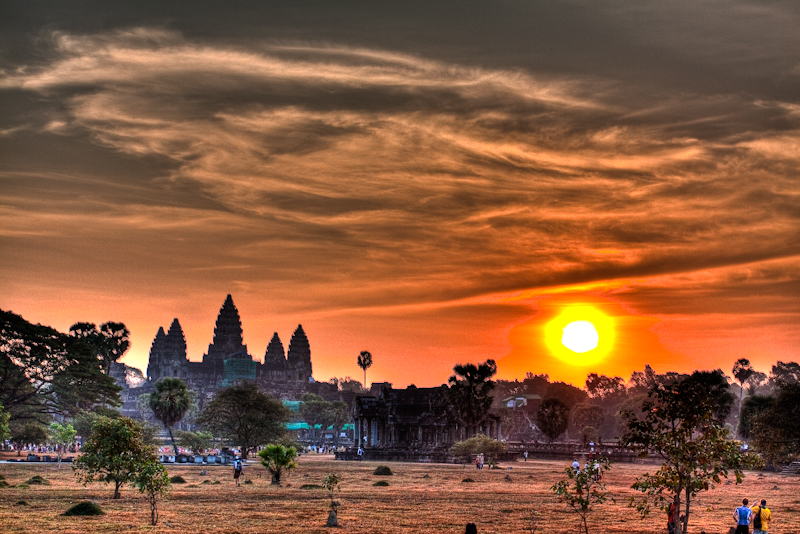
Witness the breathtaking sunrise over the world’s largest religious monument and UNESCO World Heritage site.

Angkor Wat stands as a magnificent testament to the architectural and artistic genius of the Khmer Empire. Built in the early 12th century as a Hindu temple dedicated to Vishnu, this sprawling complex has evolved into Cambodia’s most iconic landmark and one of the most important archaeological sites in Southeast Asia. The temple’s distinctive silhouette, crowned by five lotus-shaped towers, creates an unforgettable skyline that has captivated travelers and pilgrims for centuries.

The experience of witnessing the sunrise over Angkor Wat is truly transcendent. As the first light breaks across the horizon, the ancient stone structures gradually emerge from darkness, bathed in soft golden and pink hues. This magical moment, when the temple seems to bridge the earthly and spiritual realms, is why thousands of visitors wake before dawn each year to experience this natural spectacle.

Beyond its visual splendor, Angkor Wat represents an extraordinary feat of engineering and urban planning. The complex sprawls across 162.6 hectares and features intricate bas-reliefs, mysterious galleries, and a sophisticated water management system that still functions today, revealing the advanced knowledge of the Khmer civilization.

Highlights

  • Sunrise viewing from the western entrance or elevated vantage points, offering unparalleled photography opportunities
  • Intricate bas-relief carvings depicting Hindu epics and daily life scenes throughout the temple galleries
  • The iconic five-tower silhouette reflected in the surrounding moat and reservoirs
  • Three levels of galleries leading to the central sanctuary with panoramic views of the entire complex

What to Do

  • Wake before dawn and position yourself for sunrise photography at one of the designated viewing areas
  • Explore the temple’s three levels, taking time to study the detailed carved reliefs and inscriptions
  • Visit the Western Gallery to view the famous ‘Churning of the Ocean of Milk’ bas-relief
  • Climb to the central tower for expansive views across the temple grounds and surrounding landscape
  • Walk the perimeter around the outer moat for different perspectives and fewer crowds

Best Time to Visit

November to February offers the most comfortable weather with cooler temperatures and lower humidity. Sunrise viewing is spectacular year-round, but dry season provides clearer skies and better visibility.

Getting There

Fly into Siem Reap International Airport, then arrange transportation via tuk-tuk, private car, or organized tours. Most visitors purchase a multi-day Angkor Archaeological Park pass to explore the entire temple complex.

Visitor Tips

  • Arrive at least 1-1.5 hours before sunrise to secure a good viewing spot and avoid large crowds
  • Wear comfortable walking shoes and bring plenty of water, as exploration involves significant walking on stone surfaces
  • Dress respectfully when entering temple areas; cover shoulders and knees as a sign of respect
  • Hire a knowledgeable guide to fully appreciate the historical significance and intricate details
  • Consider visiting on a cloudy morning for dramatic skies, as shown in this photo

Nearby

  • Bayon Temple, known for its 216 smiling stone faces
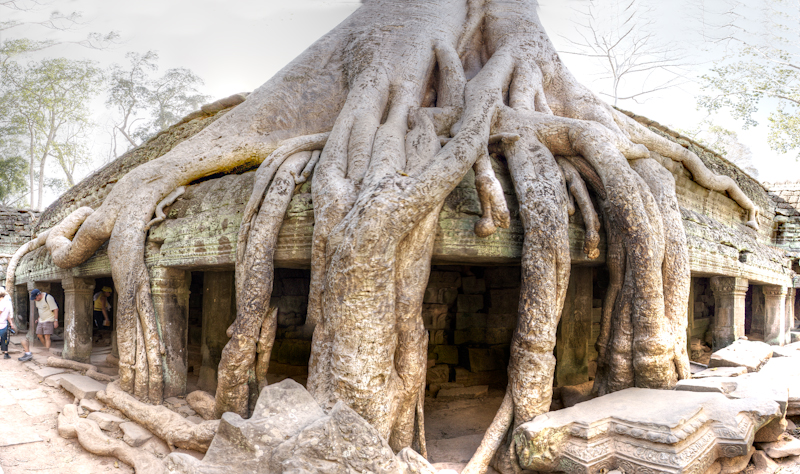
  • Ta Prohm Temple, famous for its intertwining tree roots and jungle setting
  • Beng Mealea, an atmospheric and less-visited temple surrounded by jungle

Angkor Wat offers far more than a stunning sunrise—it is a profound journey into one of humanity’s greatest civilizations. Standing before these ancient stones as the sun breaks the horizon, you’ll understand why this sacred temple has endured for nearly a thousand years. Whether you’re a history enthusiast, spiritual seeker, or photography lover, Angkor Wat promises an experience that will transform your perspective on human achievement and beauty.

Location Map

Angkor Wat Temple Complex, Siem Reap Cambodia Read More »

Le Méridien Angkor Hotel Lobby, Siem Reap Cambodia

Le Méridien Angkor Hotel Lobby, Siem Reap Cambodia
An elegant and luxurious hotel lobby that epitomizes colonial-inspired hospitality in the heart of Cambodia’s ancient temple region.

The Le Méridien Angkor hotel lobby is a stunning architectural showcase that seamlessly blends contemporary luxury with classic design elements. Located in Siem Reap, the gateway to the magnificent Angkor Wat temple complex, this lobby welcomes guests with soaring ceilings, graceful columns, and warm ambient lighting that creates an inviting atmosphere. The spacious open layout features carefully curated tropical plants and elegant furnishings, making it an ideal gathering space for travelers exploring Cambodia’s cultural treasures.

Designed with meticulous attention to detail, the lobby showcases a sophisticated aesthetic that reflects the region’s heritage while providing modern comfort and amenities. The striking pendant chandeliers, polished stone flooring, and symmetrical architectural design create an ambiance of understated elegance. Whether arriving after a day of temple exploration or preparing for adventures ahead, guests experience the perfect balance of tranquility and refinement.

Highlights

  • Expansive vaulted ceiling with decorative crown molding and recessed lighting
  • Elegant pendant chandeliers suspended throughout the lobby space
  • Symmetrical columns and architectural design creating a sense of grandeur
  • Lush tropical plant arrangements in sophisticated dark planters
  • Warm ambient lighting creating an inviting golden glow
  • Spacious seating areas with comfortable furnishings for relaxation
  • Professional concierge service and modern hotel amenities

What to Do

  • Relax in the lobby lounge before or after exploring nearby Angkor Wat temples
  • Arrange temple tours and local excursions through the concierge desk
  • Enjoy evening drinks and socializing in the elegant seating areas
  • Browse local information and travel guides available at the front desk
  • Experience fine dining at the hotel’s restaurant facilities
  • Unwind by the pool or spa facilities after cultural sightseeing

Best Time to Visit

November to February offers the most pleasant climate with cooler temperatures and lower humidity, ideal for exploring temples and enjoying the hotel’s outdoor spaces.

Getting There

Siem Reap International Airport is approximately 15 km from the hotel, with direct flights from Bangkok, Hanoi, and other major Southeast Asian cities. Taxis, airport transfers, and car rentals are readily available for the 30-minute journey to the hotel.

Visitor Tips

  • Book accommodations well in advance during peak season (November-February) when temple tourism is busiest
  • The hotel concierge can arrange private guides and vehicles for temple visits starting before dawn
  • Allow time to acclimate to the tropical climate and stay hydrated throughout the day
  • Request early morning departure arrangements for optimal Angkor Wat sunrise viewing
  • Take advantage of the hotel’s central location to explore Siem Reap’s night markets and restaurants

Nearby

  • Angkor Wat Temple Complex – UNESCO World Heritage Site just 5.5 km away
  • Bayon Temple with famous smiling faces – 13 km from the hotel
  • Tonlé Sap Lake – Southeast Asia’s largest freshwater lake with floating villages
  • Siem Reap Old Market – traditional marketplace with local crafts and cuisine
  • Phare Circus – contemporary circus performances showcasing Cambodian talent

Le Méridien Angkor Hotel’s exquisite lobby sets the perfect tone for an unforgettable Cambodian adventure. Whether you’re a culture enthusiast seeking to unravel the mysteries of Angkor Wat or a traveler craving authentic Southeast Asian experiences, this sophisticated sanctuary provides the ideal base for exploration. Immerse yourself in the warmth and elegance of this exceptional hotel, and discover why Siem Reap remains one of Asia’s most enchanting destinations.

Location Map

Le Méridien Angkor Hotel Lobby, Siem Reap Cambodia Read More »

Angkor Wat Temple Complex, Siem Reap Cambodia

Angkor Wat Temple Complex, Siem Reap Cambodia
The world’s largest religious monument and a breathtaking testament to Khmer architectural brilliance spanning centuries of history.

Angkor Wat stands as an iconic masterpiece of Southeast Asian civilization, nestled in the northwestern jungles of Cambodia. Originally constructed in the early 12th century as a Hindu temple dedicated to Vishnu, it was later transformed into a Buddhist sanctuary and remains the spiritual heart of Cambodia. The temple complex showcases extraordinary stone craftsmanship, intricate bas-reliefs, and atmospheric colonnades that transport visitors back to the golden age of the Khmer Empire. Walking through its ancient corridors and chambers reveals the sophisticated urban planning and artistic vision of a civilization at its peak.

The photograph captures a serene moment within the temple’s interior—a beautifully carved stone statue stands beneath ornate columns, crowned by a vibrant golden parasol cloth draped as an offering. This intimate glimpse reveals the spiritual reverence still observed at this sacred site, where modern devotion coexists with ancient history. The interplay of light filtering through the stone architecture creates an atmosphere of profound tranquility.

Highlights

  • Massive five-tiered temple towers rising 65 meters, representing Mount Meru in Hindu cosmology
  • Extensive bas-relief galleries depicting scenes from Hindu epics, spanning over 800 meters
  • Intricate stone carvings and decorative elements showcasing peak Khmer artistic achievement
  • Serene colonnaded corridors and chambers used for worship and meditation
  • Sacred statue areas where Buddhist offerings and ceremonies continue daily

What to Do

  • Explore the three concentric galleries at sunrise for golden light on ancient stone facades
  • Study the detailed bas-reliefs telling stories of battles, celestial scenes, and daily life
  • Climb to the central tower sanctuary for panoramic views of the entire complex
  • Visit the library structures and dedicated prayer chambers still active with Buddhist devotion
  • Photograph interior colonnades and carved statuary in atmospheric natural lighting
  • Learn about Khmer history at the on-site museum before exploring the ruins

Best Time to Visit

November to February offers the coolest temperatures and best visibility. Avoid the monsoon season (May-October) when humidity is highest. Visit early morning before crowds arrive and heat intensifies.

Getting There

Fly into Siem Reap International Airport, then hire a tuk-tuk or join guided tours to Angkor Archaeological Park, approximately 5-6 km from the city center. Multi-day passes provide access to Angkor Wat and neighboring temple complexes.

Visitor Tips

  • Wear lightweight, breathable clothing and comfortable walking shoes for extensive exploration on uneven stone surfaces
  • Bring plenty of water, sunscreen, and insect repellent for extended temple visits
  • Hire a knowledgeable guide to understand the historical and spiritual significance of carved details
  • Respect active worship areas where monks and locals make Buddhist offerings
  • Photography is permitted in most areas but be considerate of prayer ceremonies and sacred spaces
  • Start exploration early morning to avoid peak heat and large tour groups

Nearby

  • Bayon Temple with its iconic 216 stone face towers
  • Ta Prohm Temple famously overgrown with ancient tree roots
  • Banteay Samre Temple with well-preserved galleries and decorative elements
  • Phnom Bakheng hilltop temple offering sunset views over Angkor complex

Angkor Wat transcends mere architectural wonder—it is a spiritual sanctuary where stone, light, and human devotion converge across centuries. Standing beneath ancient columns with golden offerings suspended overhead, visitors connect with a legacy of extraordinary craftsmanship and enduring faith. Whether you seek historical enlightenment, spiritual reflection, or photographic inspiration, Angkor Wat delivers an unforgettable journey into the heart of Khmer civilization. Plan your pilgrimage today to experience one of humanity’s greatest cultural treasures.

Location Map

Angkor Wat Temple Complex, Siem Reap Cambodia Read More »

New York Bar, Park Hyatt Tokyo, Japan

New York Bar, Park Hyatt Tokyo, Japan
An iconic Tokyo bar offering impeccable cocktails and stunning city views from one of Japan’s most luxurious hotels.

The New York Bar at Park Hyatt Tokyo stands as one of the most prestigious cocktail destinations in the world, located on the 52nd floor of the iconic Park Hyatt hotel. This sophisticated establishment epitomizes Japanese hospitality merged with classic American bar culture, offering guests an unforgettable experience of expertly crafted cocktails and refined elegance. The bar gained international recognition through popular culture and continues to attract cocktail enthusiasts, travelers, and Tokyo locals seeking an exceptional night out.

Highlights

  • 52nd-floor location with panoramic views of Tokyo’s illuminated skyline at night
  • Award-winning mixologists who craft cocktails with precision and artistry
  • Sophisticated ambiance featuring dark wood, ambient lighting, and an extensive spirits collection
  • Impeccable Japanese service standards combined with international cocktail expertise
  • Featured in popular films and media, making it a bucket-list destination for cocktail lovers

What to Do

  • Order signature cocktails prepared by master bartenders using premium spirits and fresh ingredients
  • Enjoy the mesmerizing nighttime views of Tokyo from the expansive windows
  • Experience kaiseki-inspired bar cuisine and light appetizers
  • Observe the theatrical cocktail preparation techniques of skilled mixologists
  • Relax in the sophisticated lounge atmosphere with live music on select evenings

Best Time to Visit

Evening hours, particularly after sunset, when the Tokyo skyline is beautifully illuminated. Weekday visits offer a more relaxed atmosphere compared to weekends.

Getting There

Located within Park Hyatt Tokyo in the Shinjuku district. Accessible via Shinjuku Station (multiple train and subway lines) or by taxi.

Visitor Tips

  • Arrive early to secure seating, as the bar is popular and fills up quickly, especially on weekends
  • Dress code is smart casual to business attire; avoid casual clothing
  • Prices are premium; budget accordingly for cocktails and food
  • Japanese language skills are helpful but not required, as staff speak English
  • Reserve a table in advance if possible for a guaranteed spot

Nearby

  • Meiji Shrine and Meiji Forest, Tokyo’s most important Shinto shrine
  • Shinjuku Gyoen National Garden with seasonal flowers and traditional landscapes
  • Tokyo Metropolitan Government Building with free observation deck
  • Shibuya Crossing, one of the world’s busiest pedestrian intersections

A visit to the New York Bar at Park Hyatt Tokyo is more than just a night out—it’s a quintessential Tokyo experience that blends world-class bartending, luxury hospitality, and breathtaking city views. Whether you’re a cocktail connoisseur or simply seeking an elegant evening with unforgettable vistas, this iconic bar delivers an experience worthy of Tokyo’s reputation as a global destination.

Location Map

New York Bar, Park Hyatt Tokyo, Japan Read More »

The Mirage Hotel and Casino, Las Vegas Nevada

The Mirage Hotel and Casino, Las Vegas Nevada
An iconic tropical oasis on the Strip featuring erupting volcanoes, lush gardens, and world-class entertainment.

The Mirage Hotel and Casino stands as one of Las Vegas’s most recognizable and beloved resort properties, instantly recognizable by its distinctive volcanic theme and striking architecture. Opened in 1989, this legendary property transformed the Las Vegas Strip with its innovative concept of combining high-end gaming with spectacular attractions and immersive theming. The resort’s signature erupting volcano, which captivates guests and passersby multiple times nightly, has become an iconic symbol of Sin City’s entertainment appeal.

The property expertly blends luxury hospitality with theatrical wonder, creating an atmosphere that captures the imagination of visitors from around the world. Its lush tropical landscaping, complete with towering palm trees and exotic flora, provides a refreshing contrast to the desert surroundings and creates an inviting gateway to the casino floor and resort amenities.

Beyond the visual spectacle, The Mirage offers comprehensive resort experiences including fine dining restaurants, a state-of-the-art casino, upscale accommodations, and regularly featured entertainment that has included residencies by world-famous performers.

Highlights

  • The iconic Mirage Volcano with nightly eruptions featuring fire, water, and pyrotechnics
  • Tropical gardens and lagoons with lush native plants and palm trees throughout the property
  • Signature white striped architecture and distinctive pyramid structure easily recognized on the Strip
  • Located in the heart of the Las Vegas Strip with direct access to the casino floor
  • Multiple dining options ranging from casual to fine dining establishments

What to Do

  • Witness the famous Mirage Volcano eruption show held nightly (outdoor viewing is free)
  • Explore the tropical gardens and take photographs with the scenic palm tree landscaping
  • Gamble at the expansive casino featuring slots, table games, and poker rooms
  • Dine at renowned restaurants within the resort offering diverse cuisines
  • Enjoy live entertainment and special performances throughout the property
  • Shop at retail boutiques and specialty stores in the casino area
  • Relax at the resort’s pool complex and spa facilities

Best Time to Visit

October through April offers comfortable temperatures for enjoying the outdoor volcano shows and tropical gardens, while avoiding the extreme desert heat of summer months

Getting There

The Mirage is centrally located on the Las Vegas Strip. Visitors can arrive via Harry Reid International Airport (LAS) approximately 15 minutes away by taxi or rideshare, take the Deuce bus that stops directly on the Strip, or drive and utilize the resort’s parking facilities.

Visitor Tips

  • The volcano eruptions typically occur nightly but check current schedules as timing may vary seasonally
  • Arrive early for popular shows and entertainment to secure good viewing positions
  • The outdoor gardens and volcano area are free to access and enjoy without casino entry
  • Book dining reservations in advance during peak travel seasons
  • The property can be crowded during weekends and special events; visit weekday mornings for shorter waits

Nearby

  • Caesars Palace Casino and Resort
  • The Bellagio Hotel with its famous fountains
  • The Venetian and Palazzo luxury resorts
  • Paris Las Vegas with its Eiffel Tower replica
  • Harrah’s Casino and other nearby Strip properties

The Mirage Hotel and Casino remains a must-visit destination for anyone experiencing Las Vegas, offering an irresistible blend of visual spectacle, entertainment, and tropical luxury that has captivated millions of visitors over three decades. Whether you’re a gaming enthusiast, entertainment seeker, or simply curious about iconic resort design, The Mirage delivers an unforgettable Vegas experience that showcases why Las Vegas continues to be one of America’s most popular tourist destinations.

Location Map

The Mirage Hotel and Casino, Las Vegas Nevada Read More »

Meiji Shrine Gate, Tokyo Japan

Meiji Shrine Gate, Tokyo Japan
One of Japan’s most important Shinto shrines, nestled in a serene forested sanctuary in the heart of Tokyo.

Meiji Shrine stands as a magnificent tribute to Emperor Meiji, one of Japan’s most revered historical figures. Located in the lush Yoyogi Forest in Tokyo’s Shibuya district, this sacred Shinto shrine attracts millions of visitors annually who come to experience its spiritual tranquility and architectural beauty. The shrine was built in 1920 and remains one of Japan’s most important pilgrimage sites, offering visitors a chance to step away from the bustling city and into a world of peaceful contemplation.

The approach to the shrine is marked by towering torii gates and tree-lined pathways that wind through the pristine forest, creating an atmosphere of reverence and calm. The wooden architecture, with its distinctive curved rooflines and traditional craftsmanship, exemplifies classical Japanese temple design. Every element, from the lanterns to the decorative panels, tells a story of Japanese culture and spirituality.

Whether you visit during the serene morning hours or during one of the shrine’s vibrant festivals, Meiji Shrine offers an authentic glimpse into Japanese spiritual traditions and the nation’s deep respect for nature and history.

Highlights

  • Grand wooden torii gates and forest pathways leading to the shrine’s main halls
  • Stunning traditional Japanese architecture with green copper roofing and intricate wooden details
  • Sacred Yoyogi Forest surrounding the shrine, offering peaceful nature walks and meditation spaces
  • Meiji Shrine Museum showcasing imperial artifacts, imperial regalia, and historical exhibits
  • Seasonal festivals and cultural events throughout the year, including traditional tea ceremonies

What to Do

  • Walk through the iconic torii gates and peaceful forest paths to the main shrine
  • Participate in traditional Shinto rituals such as purification and offering prayers
  • Explore the museum to learn about Emperor Meiji’s life and influence on modern Japan
  • Attend seasonal festivals and celebrations featuring traditional music, dance, and ceremonies
  • Relax in the surrounding Yoyogi Park and enjoy nature walks among ancient trees

Best Time to Visit

Spring (March-May) and autumn (September-November) offer pleasant weather and stunning seasonal beauty. New Year’s (January 1-3) is the busiest period with lively celebrations. Avoid humid summer months and consider visiting early morning to enjoy a quieter, more contemplative experience.

Getting There

The shrine is easily accessible via Tokyo’s extensive train network. Take the JR Yamanote Line to Harajuku Station or Meiji-Jingumae Station on the Chiyoda/Fukutoshin Lines. From Harajuku Station, it’s a 10-minute walk through the forest to the main shrine.

Visitor Tips

  • Arrive early in the morning (before 9 AM) for a more serene and less crowded experience
  • Dress respectfully and remove shoes when entering shrine buildings; wear comfortable walking shoes for forest paths
  • Bring yen coins (5 and 50 yen) and small bills for purification and offering rituals
  • Photography is generally allowed, but be respectful of the sacred spaces and other visitors
  • The forest paths are well-maintained but can be muddy after rain—wear appropriate footwear

Nearby

  • Yoyogi Park—expansive green space perfect for picnicking and relaxation
  • Harajuku’s Takeshita Street—famous shopping district known for youth fashion and trendy cafes
  • Omotesando—Tokyo’s ‘Champs-Élysées’ lined with luxury boutiques and flagship stores
  • Shinjuku—vibrant entertainment district with shopping, dining, and nightlife

Meiji Shrine represents the spiritual heart of Tokyo, offering visitors a profound connection to Japanese culture and history. Whether you seek solace in nature, wish to participate in sacred traditions, or simply desire an escape from urban hustle, this extraordinary shrine welcomes you. Step through those magnificent gates and discover why millions of pilgrims and travelers consider Meiji Shrine an essential experience that captures the essence of Japan’s enduring beauty and spiritual legacy.

Location Map

Meiji Shrine Gate, Tokyo Japan Read More »

Scroll to Top