travel

travel photos

Salisbury Cathedral, Wiltshire England

Salisbury Cathedral, Wiltshire England
A masterpiece of English Gothic architecture crowned with the tallest medieval spire in Britain.

Salisbury Cathedral stands as one of the most magnificent examples of Early English Gothic architecture, renowned for its soaring spire that reaches 404 feet into the sky—the tallest medieval church spire in the United Kingdom. Built between 1220 and 1258, this cathedral showcases remarkable architectural harmony and pristine proportions that have captivated visitors and architects for centuries. The photograph captures the intricate stone facade with its elaborate decorative elements, pointed arches, and ornate tracery that exemplify the Gothic style at its finest.

Located in the historic market town of Salisbury, the cathedral is not merely a religious monument but a testament to medieval craftsmanship and engineering prowess. The building’s exterior features countless carved details, including statues, decorative moldings, and geometric patterns that demonstrate the skill of medieval stonemasons. The dramatic sky in the photograph enhances the cathedral’s imposing presence, while the sculptural elements in the foreground add depth and context to this architectural treasure.

Highlights

  • Iconic spire rising 404 feet, the tallest medieval spire in Britain with breathtaking views from the top
  • Chapter House containing one of only four surviving original copies of the Magna Carta
  • Intricate Early English Gothic facade with elaborate stone carvings and ornamental details
  • Beautiful cloisters and grounds offering peaceful contemplation and photography opportunities
  • Historic bell tower with working medieval bells still in use

What to Do

  • Take the guided tower tour to climb the 332 steps for panoramic views of Salisbury and Wiltshire countryside
  • Visit the Chapter House to view the Magna Carta and explore centuries of medieval history
  • Stroll through the cathedral cloisters, the largest in England, surrounded by tranquil gardens
  • Attend evensong services to experience the cathedral’s acoustics and choral traditions
  • Explore the nearby Salisbury Museum and medieval market square town center

Best Time to Visit

Late spring through early autumn (May-September) offers the best weather and longest daylight hours for photography and sightseeing. Winter months provide dramatic stormy skies as seen in this photo, perfect for atmospheric photography.

Getting There

Salisbury is easily accessible by train from London Waterloo (approximately 90 minutes) or by car via the A36. The cathedral is located in the heart of Salisbury’s historic center, within walking distance of the train station.

Visitor Tips

  • Arrive early in the day to avoid crowds and enjoy natural lighting for photography
  • Wear comfortable walking shoes as the cathedral grounds are extensive
  • Bring a camera with wide-angle lens to capture the full spire and facade
  • Check ahead for special events, services, or tower closures before visiting
  • Allow 2-3 hours for a thorough exploration of the cathedral and grounds

Nearby

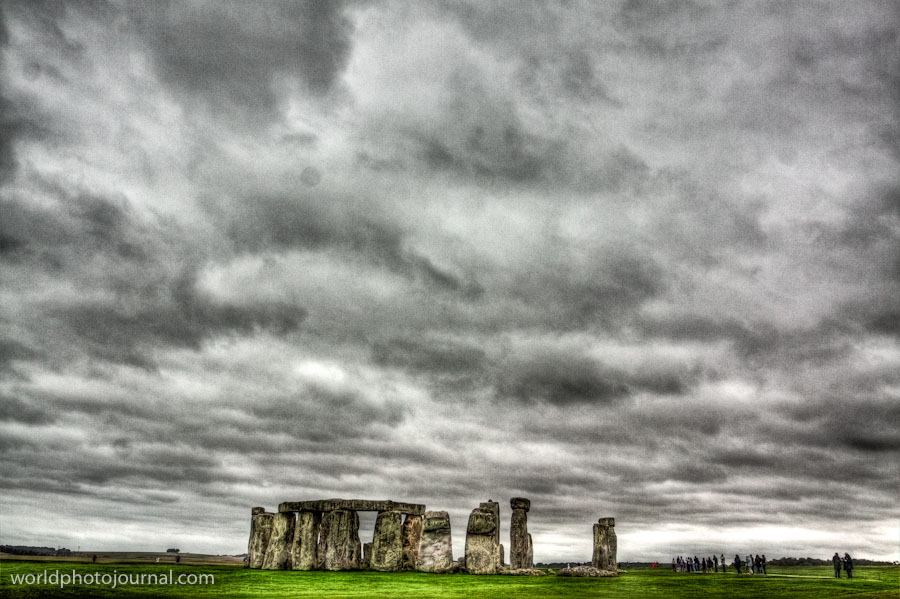
  • Stonehenge, the prehistoric monument located 9 miles north of Salisbury
  • Old Sarum, the ruins of the original fortified settlement overlooking Salisbury
  • Wilton House, a grand stately home with art collection 3 miles west of Salisbury

Salisbury Cathedral represents the pinnacle of medieval English architecture, a soaring testament to faith, craftsmanship, and human ambition. Whether you’re an architecture enthusiast, history lover, or simply seeking inspiration in one of England’s most iconic monuments, a visit to this remarkable cathedral promises an unforgettable experience. Stand before its magnificent spire and ornate facade, and you’ll understand why it has captivated hearts and minds for nearly 800 years.

Location Map

Salisbury Cathedral, Wiltshire England Read More »

Liverpool Street Station, London England

Liverpool Street Station, London England
One of London’s most iconic Victorian railway stations and a gateway to the city’s rich transport heritage.

Liverpool Street Station stands as one of London’s most historic and busiest transport hubs, serving millions of commuters and travelers annually. Built in 1874, this magnificent Victorian railway station seamlessly blends heritage architecture with modern functionality. The station is instantly recognizable by its iconic red circle and blue bar logo, a symbol of the London Underground’s legendary design system. As a major interchange between the Circle, District, Hammersmith & City, and Metropolitan lines, it connects travelers to every corner of London and beyond.

Highlights

  • Iconic Underground roundel logo and station signage design
  • Historic Victorian architecture combined with modern facilities
  • Major transport hub connecting multiple London Underground lines
  • Gateway to East London and beyond via rail connections
  • Bustling concourse with shops, cafes, and dining options

What to Do

  • Navigate the station’s impressive architecture and explore its historic features
  • Use the station as a transport hub to reach destinations across London
  • Visit nearby attractions including the historic Tower of London and St. Paul’s Cathedral
  • Shop and dine at the various outlets within the station’s modern facilities
  • Photograph the famous Underground signage and station branding

Best Time to Visit

Off-peak hours (mid-morning or mid-afternoon on weekdays) offer the best experience to appreciate the station’s architecture without overwhelming crowds

Getting There

Liverpool Street Station is directly accessible via London Underground (Circle, District, Hammersmith & City, and Metropolitan lines), mainline trains from across the UK, and London buses

Visitor Tips

  • Arrive during quieter times to fully appreciate the station’s architectural details
  • Use the clear wayfinding signage and maps to navigate between different lines
  • Allow extra time during peak commuting hours (7-9 AM and 5-7 PM on weekdays)
  • Explore the surrounding area with easy walking access to historic London landmarks

Nearby

  • Tower of London
  • St. Paul’s Cathedral
  • Museum of London
  • Brick Lane and East London markets
  • Tower Bridge

Liverpool Street Station represents the heart of London’s transport system and the enduring legacy of Victorian engineering. Whether you’re a commuter, tourist, or architecture enthusiast, this iconic station offers a glimpse into London’s past while connecting you to its vibrant present. Visit to experience one of the world’s most storied railway stations and discover the energy and history that makes London truly remarkable.

Location Map

Liverpool Street Station, London England Read More »

London Street with Black Taxi, England UK

London Street with Black Taxi, England UK
Experience the iconic motion of London’s famous black cab taxis navigating the vibrant streets of the British capital.

This dynamic photograph captures one of London’s most recognizable symbols—the black taxi cab—in motion along a bustling London street. The image showcases the classic design of the iconic London hackney carriage, a quintessential part of the city’s transport heritage and urban landscape. With lush green trees lining the street and the distinctive red asphalt pavement, this scene perfectly encapsulates the blend of tradition and modern city life that defines London.

Highlights

  • Black taxi cabs—an iconic symbol of London transport since the 1950s
  • Historic red tarmac streets characteristic of central London
  • Tree-lined avenues showcasing London’s green spaces and urban planning
  • Active street scenes reflecting daily London life and commerce

What to Do

  • Hail a black cab and explore London’s diverse neighborhoods on wheels
  • Walk the surrounding streets to discover local shops, cafes, and landmarks
  • Photograph iconic London transport and architecture
  • Visit nearby attractions along London’s bustling main streets

Best Time to Visit

Spring and summer (April-September) for pleasant weather and vibrant street activity, though London is a year-round destination.

Getting There

London is accessible via multiple airports (Heathrow, Gatwick, Stansted). Once in the city, use the extensive London Underground, buses, or the famous black cabs for transport.

Visitor Tips

  • Black cabs are one of the best ways to experience London’s streets and neighborhoods
  • The drivers are highly trained and knowledgeable about the city
  • Hailing a cab from the street is convenient, or pre-book via apps
  • Expect congestion during peak hours in central London

Nearby

  • London’s West End theatre district
  • Central London shopping areas
  • Historic parks and gardens
  • Museums and cultural attractions

London’s iconic black taxis are more than mere transportation—they represent the spirit and heritage of one of the world’s great cities. Whether you’re a visitor exploring for the first time or a local navigating familiar streets, experiencing London from a black cab offers a uniquely British perspective of this vibrant metropolis.

Location Map

London Street with Black Taxi, England UK Read More »

Harrods Egyptian Hall, Luxury Department Store London England

Harrods Egyptian Hall, Luxury Department Store London England
Step into an opulent Ancient Egyptian-inspired interior at one of the world’s most prestigious luxury department stores.

Harrods’ Egyptian Hall is a stunning example of themed luxury retail architecture, featuring an elaborate recreation of Ancient Egyptian design elements. The space showcases intricate hieroglyphic carvings, towering pharaoh statues, and an ornate turquoise and gold ceiling adorned with zodiac symbols and celestial imagery. This iconic section of Harrods transports visitors to the grandeur of ancient civilizations while maintaining the sophistication and elegance that defines the legendary London institution.

Located in the heart of Knightsbridge, this architectural marvel reflects Harrods’ commitment to creating immersive shopping experiences that transcend typical retail environments. The meticulous attention to detail in the carved stone walls, Egyptian columns with lotus capitals, and theatrical lighting creates an atmosphere of timeless elegance and mystery.

Highlights

  • Ornate turquoise and gold coffered ceiling with pharaoh and zodiac motifs
  • Floor-to-ceiling hieroglyphic wall carvings and Egyptian iconography
  • Monumental pharaoh busts flanking the central display areas
  • Dramatic theatrical lighting that illuminates ancient Egyptian artistic details
  • Intricate stone work and architectural columns with authentic Egyptian styling

What to Do

  • Explore the Egyptian Hall’s architectural details and photography opportunities
  • Browse luxury goods displayed within the themed environment
  • Admire the craftsmanship of the carved stone walls and decorative elements
  • Visit other themed halls throughout Harrods for more immersive experiences
  • Enjoy the theatrical atmosphere while shopping at this iconic London landmark

Best Time to Visit

Year-round, though visiting during less busy weekday mornings allows for better appreciation of the architectural details and photography without crowds

Getting There

Located on Brompton Road in Knightsbridge, London. Accessible via the London Underground (Knightsbridge Station on the Piccadilly Line), buses, or taxi services

Visitor Tips

  • Arrive early in the day to avoid crowds and photograph the ceiling details clearly
  • Look up frequently to fully appreciate the ceiling’s astronomical and hieroglyphic designs
  • The store has a strict dress code; dress smartly to match the luxury environment
  • Allow extra time to explore the intricate carvings and Egyptian-themed decorations
  • Photography is permitted but be respectful of other shoppers

Nearby

  • Victoria and Albert Museum
  • Natural History Museum
  • Royal Albert Hall
  • Knightsbridge luxury shops and restaurants
  • Hyde Park

The Egyptian Hall at Harrods represents a pinnacle of theatrical retail design, where shopping transcends commerce and becomes an immersive cultural experience. Whether you’re a history enthusiast, architecture lover, or luxury shopper, this ornate space offers an unforgettable journey through ancient aesthetics set within the heart of modern London. Visit Harrods to witness how timeless design inspiration continues to captivate and inspire visitors from around the world.

Location Map

Harrods Egyptian Hall, Luxury Department Store London England Read More »

1901 Building, London England

1901 Building, London England
A striking Victorian-era building showcasing elegant architectural heritage with modern neon signage in the heart of London.

The 1901 Building stands as a testament to London’s rich architectural past, blending late Victorian and Edwardian design elements with contemporary touches. Its distinctive red brick facade and ornate stone detailing represent the craftsmanship of the early 20th century. The building’s name, boldly displayed in modern neon, creates an intriguing contrast between historic and contemporary aesthetics, making it a fascinating landmark for architecture enthusiasts and urban explorers alike.

Highlights

  • Ornate Victorian architectural details with decorative stone elements and cornicing
  • Bold modern neon signage contrasting beautifully with the historic facade
  • Intricately carved stonework and shell motif embellishments characteristic of Edwardian design
  • Well-preserved masonry and period-appropriate window treatments

What to Do

  • Photograph the striking contrast between historic and modern design elements
  • Study the detailed stonework and architectural ornamentation up close
  • Explore the surrounding historic district and neighboring Victorian buildings
  • Visit nearby museums and cultural institutions in the area

Best Time to Visit

Spring or autumn for pleasant weather and clear skies that highlight the building’s architectural details; daytime visits showcase the stonework while evening visits emphasize the neon signage.

Getting There

Accessible by London Underground, bus, or taxi. The building is centrally located in London’s historic district with good public transportation connections.

Visitor Tips

  • Visit during different times of day to appreciate how lighting changes the building’s appearance
  • Bring a camera with a good zoom lens to capture fine architectural details
  • Check local heritage guides for information about the building’s historical significance and current use

Nearby

  • The Red Building adjacent to the 1901 structure
  • Historic London landmarks and Victorian-era architecture throughout the district
  • Local cafes, galleries, and shops in the surrounding historic area

The 1901 Building exemplifies London’s ability to honor its architectural heritage while embracing contemporary expression. Whether you’re a history buff, architecture enthusiast, or simply a curious traveler, this distinctive building offers a captivating glimpse into the city’s evolution and deserves a place on your London itinerary.

Location Map

1901 Building, London England Read More »

Big Ben Clock Tower, Westminster London England

Big Ben Clock Tower, Westminster London England
London’s most iconic Gothic Revival clock tower stands majestically over the Thames, a symbol of British heritage and precision timekeeping.

Big Ben, officially the Great Bell within the Elizabeth Tower (renamed in 2022 to honour Queen Elizabeth II’s Platinum Jubilee), is one of the most recognizable landmarks in the world. Located at the Palace of Westminster in Westminster, this magnificent Neo-Gothic tower has dominated London’s skyline since 1859. The tower’s distinctive golden-hued stone, intricate architectural details, and illuminated clock faces create a breathtaking sight, especially when photographed against the night sky. The iconic red London buses that frequently pass beneath its gaze add to the quintessentially British charm of this historic location.

The clock mechanism is a marvel of Victorian engineering, and the Great Bell’s distinctive chime has marked the passage of time for generations of Londoners and visitors alike. The tower underwent a major renovation from 2017 to 2022, restoring it to its former glory while modernizing its systems. Today, Big Ben remains not just a functional timepiece but a powerful symbol of British democracy and cultural identity.

Highlights

  • Iconic illuminated Gothic Revival clock tower visible from multiple vantage points across London
  • Four clock faces, each 23 feet in diameter, considered among the most accurate in the world
  • Stunning nighttime illumination with green highlighting the upper section of the tower
  • Proximity to Houses of Parliament and River Thames for comprehensive sightseeing
  • Perfect photo opportunity with red London buses and historic Westminster Bridge

What to Do

  • Photograph Big Ben from Westminster Bridge for the classic iconic view
  • Walk along the Thames Path for alternative perspectives and riverside atmosphere
  • Visit the nearby Houses of Parliament for guided tours of British government
  • Explore Westminster Abbey, the historic royal church located adjacent to Big Ben
  • Ride a red double-decker bus past Big Ben to experience this London tradition
  • Watch the clock faces illuminate at dusk for stunning evening photography opportunities

Best Time to Visit

Late afternoon through evening (dusk to night) offers the most spectacular photography conditions with the illuminated tower against a darkening sky. Spring and autumn provide pleasant weather for extended sightseeing, while winter offers fewer crowds and crisp, clear nights ideal for photography.

Getting There

Westminster Station (District, Circle, and Jubilee lines) is the closest Underground station, a 5-minute walk away. Multiple bus routes serve the area, including the iconic red double-deckers. London Bridge and Charing Cross rail stations are nearby. The area is highly accessible and central to London’s public transport network.

Visitor Tips

  • Visit in the early evening to capture the transition from daylight to the beautifully illuminated nighttime view
  • Westminster Bridge offers the most photographed vantage point; arrive early to secure good positions during peak hours
  • The area is busy with tourists year-round; weekday mornings offer fewer crowds
  • Combine your Big Ben visit with nearby attractions like Westminster Abbey, Houses of Parliament, and the London Eye
  • Allow 1-2 hours to thoroughly explore the area and capture photographs from multiple angles

Nearby

  • Westminster Abbey – historic royal church and burial place of British monarchs
  • Houses of Parliament – stunning Gothic architecture and seat of British government
  • Westminster Bridge – historic bridge offering panoramic views of the Thames and Big Ben
  • St. Thomas’ Hospital – riverside location with excellent views across to Big Ben
  • Jubilee Gardens – riverside park with gardens, sculpture, and cultural venues

Big Ben stands as a timeless symbol of London and British heritage, a beacon that has guided millions of visitors and residents through centuries of history. Whether you arrive by red bus, on foot across Westminster Bridge, or by riverside stroll, the experience of standing before this magnificent tower—especially when illuminated against the night sky—is truly unforgettable. Plan your visit to this essential London landmark and become part of the countless souls who have marveled at its architectural grandeur and historical significance.

Location Map

Big Ben Clock Tower, Westminster London England Read More »

Scroll to Top