historic-landmark

Plaza de Toros Bogota, Historic Bullring Bogota Colombia

Plaza de Toros Bogota, Historic Bullring Bogota Colombia
A stunning red-brick bullring nestled in the heart of Bogota, blending architectural grandeur with Colombian cultural heritage.

The Plaza de Toros Bogota, officially known as the Santamaria Bullring, stands as one of South America’s most iconic architectural landmarks. This magnificent red-brick structure, built in the early 20th century, showcases neo-Moorish design elements and has been a centerpiece of Bogota’s cultural landscape for over a century. Surrounded by lush greenery and modern apartment buildings, the bullring represents a fascinating juxtaposition of historical tradition and contemporary urban life in Colombia’s capital city.

The amphitheater’s distinctive circular design and terracotta-colored brick façade make it instantly recognizable from above, as seen in this aerial perspective. Despite the controversial nature of bullfighting, the plaza has evolved into a cultural venue hosting various events, concerts, and exhibitions that celebrate Colombian heritage and artistic expression.

Visiting this landmark offers insight into Bogota’s rich history, architectural evolution, and the complex cultural traditions that have shaped the nation.

Highlights

  • Iconic red-brick neo-Moorish architecture from the early 1900s
  • Circular amphitheater design with impressive seating capacity and stadium-style layout
  • Strategic location in central Bogota surrounded by urban residential areas and greenery
  • Cultural significance as a historic venue for Colombian traditions and modern events

What to Do

  • Take an aerial or ground-level tour to appreciate the architectural details and historical craftsmanship
  • Attend cultural events, concerts, or exhibitions held throughout the year
  • Explore the surrounding neighborhood and nearby attractions in central Bogota
  • Photograph the building’s distinctive circular structure and red-brick facade from various vantage points

Best Time to Visit

Year-round, though spring months (March-May) offer pleasant weather. Check event calendars as the plaza hosts seasonal cultural programs and concerts.

Getting There

Located in central Bogota, accessible by public transportation including Bogota’s TransMilenio bus system. Taxis and ride-sharing services are readily available. The site is within the urban core, making it convenient to reach from most city locations.

Visitor Tips

  • Verify event schedules in advance as the plaza’s activities vary seasonally
  • Best time for photography is morning or late afternoon for optimal lighting on the red-brick exterior
  • Respect any access restrictions or guided tour requirements when visiting
  • Bring comfortable walking shoes as exploring the area involves considerable walking

Nearby

  • La Candelaria district with colonial architecture and museums
  • Gold Museum (Museo del Oro) – world’s largest collection of pre-Hispanic gold artifacts
  • Monserrate sanctuary and mountain viewpoint overlooking Bogota

The Plaza de Toros Bogota stands as a testament to Colombia’s architectural heritage and cultural evolution. Whether you’re a history enthusiast, architecture lover, or cultural explorer, this landmark offers a unique window into Bogota’s identity. Standing before this magnificent red-brick structure, you’ll understand why it remains one of South America’s most distinctive and photographed buildings, inviting you to discover the stories woven into its very walls.

Location Map

Plaza de Toros Bogota, Historic Bullring Bogota Colombia Read More »
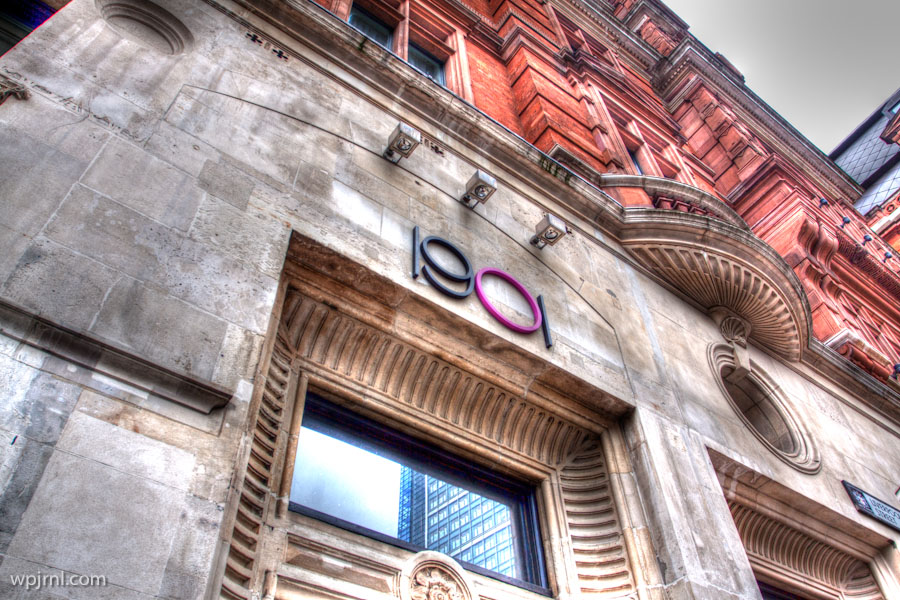
1901 Building, London England

1901 Building, London England
A striking Victorian-era building showcasing elegant architectural heritage with modern neon signage in the heart of London.

The 1901 Building stands as a testament to London’s rich architectural past, blending late Victorian and Edwardian design elements with contemporary touches. Its distinctive red brick facade and ornate stone detailing represent the craftsmanship of the early 20th century. The building’s name, boldly displayed in modern neon, creates an intriguing contrast between historic and contemporary aesthetics, making it a fascinating landmark for architecture enthusiasts and urban explorers alike.

Highlights

  • Ornate Victorian architectural details with decorative stone elements and cornicing
  • Bold modern neon signage contrasting beautifully with the historic facade
  • Intricately carved stonework and shell motif embellishments characteristic of Edwardian design
  • Well-preserved masonry and period-appropriate window treatments

What to Do

  • Photograph the striking contrast between historic and modern design elements
  • Study the detailed stonework and architectural ornamentation up close
  • Explore the surrounding historic district and neighboring Victorian buildings
  • Visit nearby museums and cultural institutions in the area

Best Time to Visit

Spring or autumn for pleasant weather and clear skies that highlight the building’s architectural details; daytime visits showcase the stonework while evening visits emphasize the neon signage.

Getting There

Accessible by London Underground, bus, or taxi. The building is centrally located in London’s historic district with good public transportation connections.

Visitor Tips

  • Visit during different times of day to appreciate how lighting changes the building’s appearance
  • Bring a camera with a good zoom lens to capture fine architectural details
  • Check local heritage guides for information about the building’s historical significance and current use

Nearby

  • The Red Building adjacent to the 1901 structure
  • Historic London landmarks and Victorian-era architecture throughout the district
  • Local cafes, galleries, and shops in the surrounding historic area

The 1901 Building exemplifies London’s ability to honor its architectural heritage while embracing contemporary expression. Whether you’re a history buff, architecture enthusiast, or simply a curious traveler, this distinctive building offers a captivating glimpse into the city’s evolution and deserves a place on your London itinerary.

Location Map

1901 Building, London England Read More »

Scroll to Top