London landmarks

Liverpool Street Station, London England
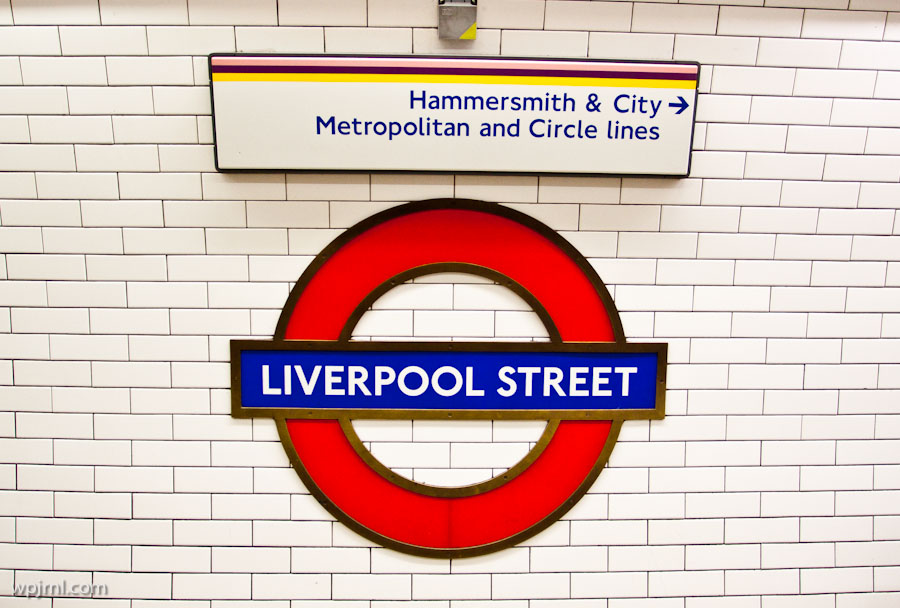
Liverpool Street Station, London England
One of London’s most iconic Victorian railway stations and a gateway to the city’s rich transport heritage.

Liverpool Street Station stands as one of London’s most historic and busiest transport hubs, serving millions of commuters and travelers annually. Built in 1874, this magnificent Victorian railway station seamlessly blends heritage architecture with modern functionality. The station is instantly recognizable by its iconic red circle and blue bar logo, a symbol of the London Underground’s legendary design system. As a major interchange between the Circle, District, Hammersmith & City, and Metropolitan lines, it connects travelers to every corner of London and beyond.

Highlights

  • Iconic Underground roundel logo and station signage design
  • Historic Victorian architecture combined with modern facilities
  • Major transport hub connecting multiple London Underground lines
  • Gateway to East London and beyond via rail connections
  • Bustling concourse with shops, cafes, and dining options

What to Do

  • Navigate the station’s impressive architecture and explore its historic features
  • Use the station as a transport hub to reach destinations across London
  • Visit nearby attractions including the historic Tower of London and St. Paul’s Cathedral
  • Shop and dine at the various outlets within the station’s modern facilities
  • Photograph the famous Underground signage and station branding

Best Time to Visit

Off-peak hours (mid-morning or mid-afternoon on weekdays) offer the best experience to appreciate the station’s architecture without overwhelming crowds

Getting There

Liverpool Street Station is directly accessible via London Underground (Circle, District, Hammersmith & City, and Metropolitan lines), mainline trains from across the UK, and London buses

Visitor Tips

  • Arrive during quieter times to fully appreciate the station’s architectural details
  • Use the clear wayfinding signage and maps to navigate between different lines
  • Allow extra time during peak commuting hours (7-9 AM and 5-7 PM on weekdays)
  • Explore the surrounding area with easy walking access to historic London landmarks

Nearby

  • Tower of London
  • St. Paul’s Cathedral
  • Museum of London
  • Brick Lane and East London markets
  • Tower Bridge

Liverpool Street Station represents the heart of London’s transport system and the enduring legacy of Victorian engineering. Whether you’re a commuter, tourist, or architecture enthusiast, this iconic station offers a glimpse into London’s past while connecting you to its vibrant present. Visit to experience one of the world’s most storied railway stations and discover the energy and history that makes London truly remarkable.

Location Map

Liverpool Street Station, London England Read More »
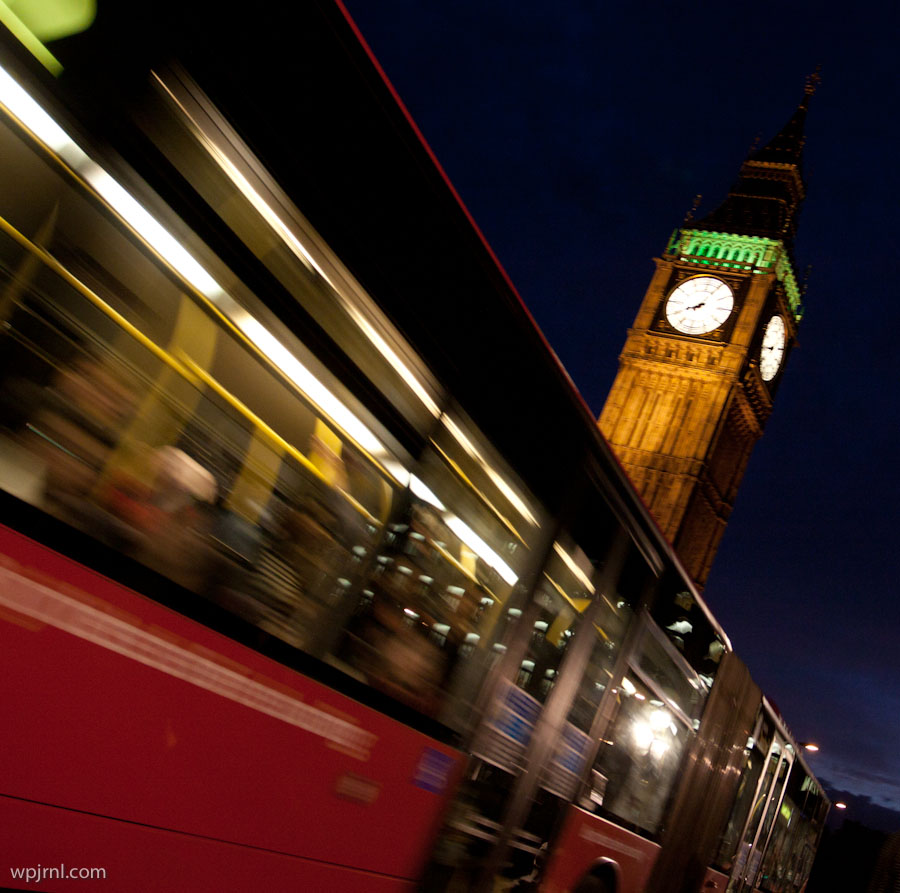
Big Ben Clock Tower, Westminster London England

Big Ben Clock Tower, Westminster London England
London’s most iconic Gothic Revival clock tower stands majestically over the Thames, a symbol of British heritage and precision timekeeping.

Big Ben, officially the Great Bell within the Elizabeth Tower (renamed in 2022 to honour Queen Elizabeth II’s Platinum Jubilee), is one of the most recognizable landmarks in the world. Located at the Palace of Westminster in Westminster, this magnificent Neo-Gothic tower has dominated London’s skyline since 1859. The tower’s distinctive golden-hued stone, intricate architectural details, and illuminated clock faces create a breathtaking sight, especially when photographed against the night sky. The iconic red London buses that frequently pass beneath its gaze add to the quintessentially British charm of this historic location.

The clock mechanism is a marvel of Victorian engineering, and the Great Bell’s distinctive chime has marked the passage of time for generations of Londoners and visitors alike. The tower underwent a major renovation from 2017 to 2022, restoring it to its former glory while modernizing its systems. Today, Big Ben remains not just a functional timepiece but a powerful symbol of British democracy and cultural identity.

Highlights

  • Iconic illuminated Gothic Revival clock tower visible from multiple vantage points across London
  • Four clock faces, each 23 feet in diameter, considered among the most accurate in the world
  • Stunning nighttime illumination with green highlighting the upper section of the tower
  • Proximity to Houses of Parliament and River Thames for comprehensive sightseeing
  • Perfect photo opportunity with red London buses and historic Westminster Bridge

What to Do

  • Photograph Big Ben from Westminster Bridge for the classic iconic view
  • Walk along the Thames Path for alternative perspectives and riverside atmosphere
  • Visit the nearby Houses of Parliament for guided tours of British government
  • Explore Westminster Abbey, the historic royal church located adjacent to Big Ben
  • Ride a red double-decker bus past Big Ben to experience this London tradition
  • Watch the clock faces illuminate at dusk for stunning evening photography opportunities

Best Time to Visit

Late afternoon through evening (dusk to night) offers the most spectacular photography conditions with the illuminated tower against a darkening sky. Spring and autumn provide pleasant weather for extended sightseeing, while winter offers fewer crowds and crisp, clear nights ideal for photography.

Getting There

Westminster Station (District, Circle, and Jubilee lines) is the closest Underground station, a 5-minute walk away. Multiple bus routes serve the area, including the iconic red double-deckers. London Bridge and Charing Cross rail stations are nearby. The area is highly accessible and central to London’s public transport network.

Visitor Tips

  • Visit in the early evening to capture the transition from daylight to the beautifully illuminated nighttime view
  • Westminster Bridge offers the most photographed vantage point; arrive early to secure good positions during peak hours
  • The area is busy with tourists year-round; weekday mornings offer fewer crowds
  • Combine your Big Ben visit with nearby attractions like Westminster Abbey, Houses of Parliament, and the London Eye
  • Allow 1-2 hours to thoroughly explore the area and capture photographs from multiple angles

Nearby

  • Westminster Abbey – historic royal church and burial place of British monarchs
  • Houses of Parliament – stunning Gothic architecture and seat of British government
  • Westminster Bridge – historic bridge offering panoramic views of the Thames and Big Ben
  • St. Thomas’ Hospital – riverside location with excellent views across to Big Ben
  • Jubilee Gardens – riverside park with gardens, sculpture, and cultural venues

Big Ben stands as a timeless symbol of London and British heritage, a beacon that has guided millions of visitors and residents through centuries of history. Whether you arrive by red bus, on foot across Westminster Bridge, or by riverside stroll, the experience of standing before this magnificent tower—especially when illuminated against the night sky—is truly unforgettable. Plan your visit to this essential London landmark and become part of the countless souls who have marveled at its architectural grandeur and historical significance.

Location Map

Big Ben Clock Tower, Westminster London England Read More »
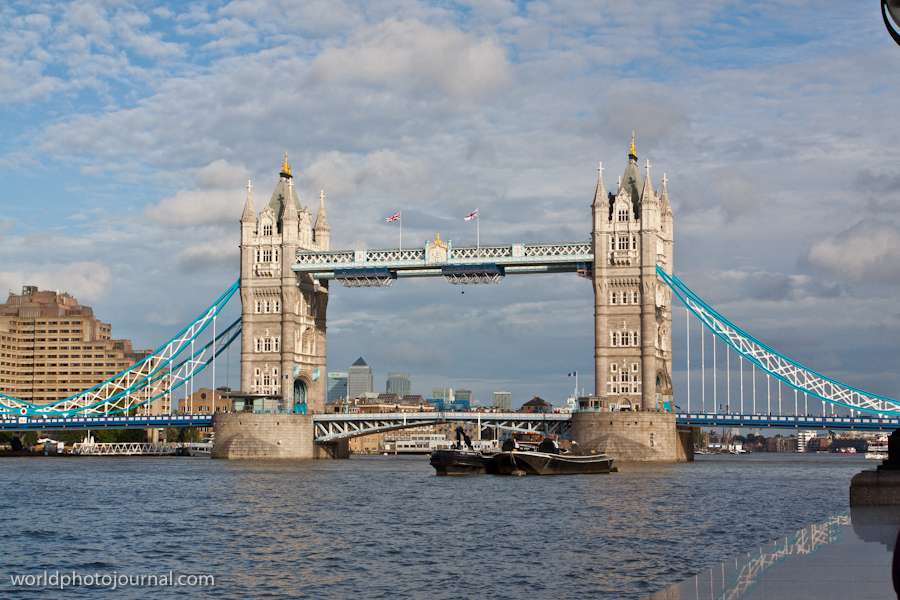
Tower Bridge, Historic Landmark, London England

Tower Bridge, Historic Landmark, London England
London’s most iconic Victorian bridge spanning the Thames with stunning Gothic towers and bascule engineering marvel.

Tower Bridge stands as one of the world’s most recognizable landmarks, straddling the River Thames in the heart of London. Completed in 1894, this magnificent bascule and suspension bridge combines Gothic Revival architecture with innovative Victorian engineering, creating a structure that is both beautiful and functionally impressive. The bridge’s distinctive twin towers, clad in Cornish granite and Portland stone, have become synonymous with London itself and serve as a symbol of British heritage and innovation.

The bridge’s most captivating feature is its ability to open and close to allow tall ships to pass through, a spectacle that continues to draw crowds of onlookers. Walking across Tower Bridge offers visitors spectacular views of the Thames, the Tower of London, and the modern skyline of London’s financial district beyond. Whether photographed in daylight, golden hour, or at night when beautifully illuminated, Tower Bridge remains an enduring testament to Victorian ingenuity.

Highlights

  • Iconic twin towers standing 213 feet high with panoramic viewing galleries
  • Working bascule bridge mechanism that opens multiple times daily for river traffic
  • Glass walkway on the upper level offering thrilling views 142 feet above the Thames
  • Museum exhibition detailing the bridge’s history, engineering, and restoration
  • Prime photography location with views of Tower of London and modern London skyline

What to Do

  • Walk across the bridge to experience its length and enjoy Thames vistas from multiple viewpoints
  • Visit the Tower Bridge Exhibition to learn about its construction and engineering
  • Access the high-level walkways for breathtaking panoramic views of London
  • Time your visit to witness the bridge opening for passing vessels
  • Photograph the bridge from the South Bank for iconic angles, especially at sunset
  • Explore nearby Tower of London and St. Katharine Docks

Best Time to Visit

Late spring (May-June) or early autumn (September-October) offer pleasant weather and fewer crowds than summer. The bridge is stunning at sunset or when illuminated at night, and the Thames provides beautiful reflections during calm weather.

Getting There

Tower Bridge Station on the London Underground (District and Circle lines) is the nearest station. Alternatively, take DLR (Docklands Light Railway) to Bank or Tower Gateway. The bridge is easily accessible by bus, boat, or on foot from the City of London and South Bank areas.

Visitor Tips

  • Book Tower Bridge Exhibition tickets online in advance to save money and skip queues
  • Visit early morning or late afternoon to avoid peak tourist crowds
  • Check the bridge opening times in advance if you want to see it in operation
  • The bridge is free to walk across, but museum entry requires a ticket
  • Bring a camera with a wide lens to capture the full bridge and towers
  • Wear comfortable shoes as the walkways and staircases involve considerable walking

Nearby

  • Tower of London – historic castle and royal palace just west of the bridge
  • St. Katharine Docks – charming marina with restaurants and shops
  • The Shard – contemporary glass skyscraper with observation deck on the South Bank
  • City Hall – modern riverside building with free exhibition space
  • London Bridge Station and historic London Bridge itself

Tower Bridge is more than just a crossing point over the Thames—it’s an experience that connects you with London’s rich history and architectural heritage. Standing on its walkways, you’ll understand why this Victorian marvel has captured imaginations for over a century. Whether you’re a first-time visitor or a seasoned traveler, Tower Bridge’s timeless beauty and engineering ingenuity make it an essential London experience that should not be missed.

Location Map

Tower Bridge, Historic Landmark, London England Read More »
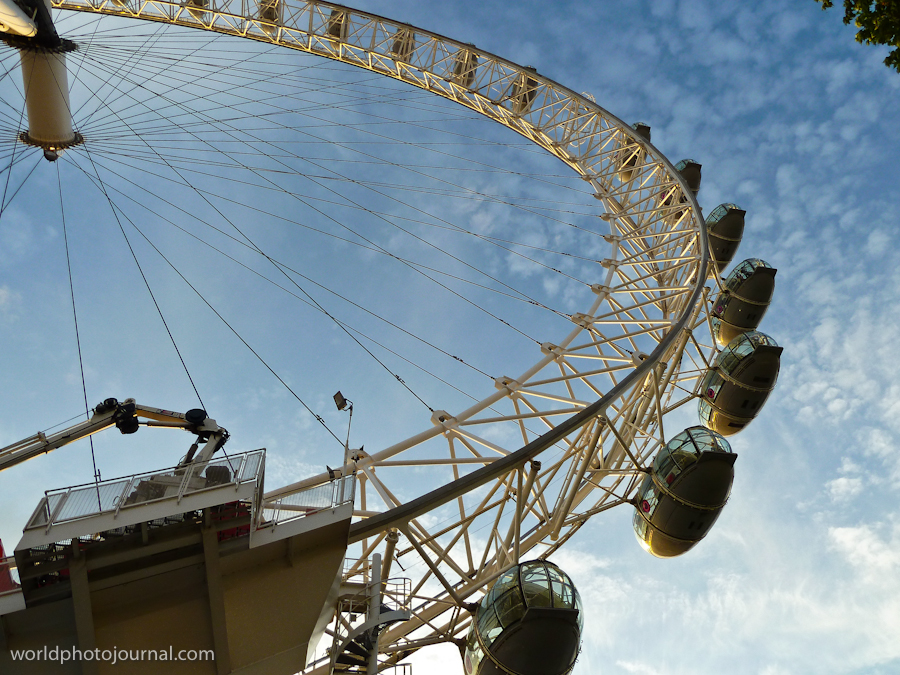
London Eye Observation Wheel, London England

London Eye Observation Wheel, London England
Experience panoramic views of London from this iconic 135-meter tall observation wheel on the Thames.

The London Eye, also known as the Millennium Wheel, is one of the most recognizable landmarks in London and a must-visit attraction for travelers. Standing at 135 meters tall on the South Bank of the River Thames, this giant observation wheel offers breathtaking 360-degree views of the city stretching up to 40 kilometers on clear days. Completed in 2000, it has become an integral part of London’s skyline and attracts millions of visitors annually from around the world seeking unforgettable vistas of Big Ben, Tower Bridge, Buckingham Palace, and beyond.

The wheel features 32 sealed passenger capsules, each capable of holding up to 25 people, making it an ideal experience for families, couples, and solo travelers alike. A complete rotation takes approximately 30 minutes, allowing passengers ample time to locate landmarks, take photographs, and absorb the majesty of London from a unique perspective. Whether visiting during daylight for crystal-clear sightseeing or after dark for the illuminated cityscape, the London Eye offers an unforgettable journey above the bustling streets below.

Highlights

  • 360-degree panoramic views of iconic London landmarks including Big Ben, Tower Bridge, and Buckingham Palace
  • 32 sealed air-conditioned capsules providing comfortable, safe viewing for up to 25 people each
  • 30-minute slow rotation allowing plenty of time for sightseeing and photography
  • Daytime and nighttime experiences with stunning views of the illuminated city after sunset
  • Located on the South Bank near excellent restaurants, shops, and other attractions

What to Do

  • Ride the wheel during daylight for clear, far-reaching views across London’s landmarks
  • Experience a sunset or nighttime rotation to see the city lights sparkle and twinkle
  • Visit the 4D cinema experience and interactive attractions at the base
  • Combine your visit with meals at nearby South Bank restaurants and cafes
  • Explore the surrounding South Bank cultural attractions including galleries and theaters

Best Time to Visit

Spring (April-May) and autumn (September-October) offer pleasant weather and clear skies. Summer provides long daylight hours but can be crowded. Winter offers fewer crowds and beautiful nighttime city lights, though cold temperatures require warm clothing.

Getting There

Located on the South Bank of the Thames between Westminster and Hungerford Bridges. Accessible via London Underground (Jubilee, Northern, or District lines), mainline train stations, or bus routes. The South Bank promenade provides a scenic walking route from nearby attractions.

Visitor Tips

  • Book tickets online in advance to skip queues and save money compared to on-the-day purchases
  • Visit early morning or late afternoon for shorter wait times during peak season
  • Bring a camera or smartphone for capturing panoramic photographs of the London skyline
  • Wear comfortable shoes as the area involves walking to reach the wheel entrance
  • Consider visiting on a clear day for maximum visibility of distant landmarks

Nearby

  • Tower Bridge, historic bascule bridge across the Thames
  • Westminster Abbey and Big Ben, iconic Gothic architecture and clock tower
  • Tate Modern art gallery in converted power station
  • Shakespeare’s Globe Theatre, reconstruction of the historic playhouse
  • South Bank Centre with restaurants, shops, and cultural venues

The London Eye stands as a testament to modern engineering and design while offering visitors an unparalleled perspective on one of the world’s greatest cities. Whether you’re a first-time visitor seeking iconic views or a returning traveler rediscovering London’s beauty from above, a ride on the wheel creates lasting memories and extraordinary photographs. Don’t miss this quintessential London experience—ascend the wheel and see your city from an entirely new height.

Location Map

London Eye Observation Wheel, London England Read More »
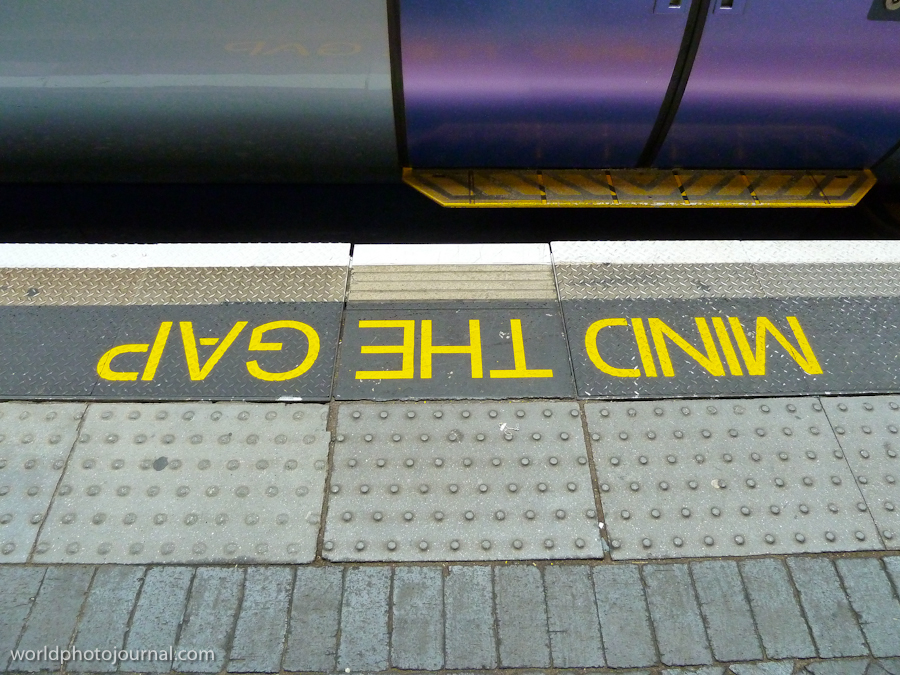
Mind the Gap Platform, London Underground Station, London UK

Mind the Gap Platform, London Underground Station, London UK
The iconic yellow warning sign on London’s Underground platforms that has become a symbol of the city’s historic transit system.

The famous “Mind the Gap” sign is one of London’s most recognizable transit features, warning passengers of the space between the platform and the train doors. Located on platforms throughout the London Underground, this distinctively yellow text on gray tactile paving has become an iconic symbol of the city’s historic metro system. The phrase originated at Embankment station in the 1960s and has since become embedded in British culture and travel lore.

This simple safety message represents decades of commuter history and has transcended its functional purpose to become a beloved part of London’s identity. The warning is particularly pronounced on older lines where platform gaps are wider, and the visual design—yellow lettering on textured paving—remains consistent across the network. It’s a perfect example of practical British design meeting cultural significance.

Highlights

  • Iconic yellow warning text on tactile paving tiles
  • Original safety feature from 1960s Embankment station
  • Present on multiple lines throughout the Underground network
  • Famous in popular culture and featured in countless media references
  • Represents the historic Victorian-era engineering of the Underground

What to Do

  • Observe the sign while waiting at various Underground stations across different lines
  • Visit historic stations like Embankment where the sign originated
  • Photograph the iconic sign as part of London Underground documentation
  • Explore the Victorian architecture and design of historic platforms
  • Take guided tours of the London Underground system to learn about transit history

Best Time to Visit

Year-round, as the Underground operates daily. Visit during off-peak hours (mid-morning or mid-afternoon) for less crowded platforms and better photography opportunities.

Getting There

Access any London Underground station by using the Tube map and journey planner. The sign appears on platforms throughout the network on the Circle, District, Northern, and other lines.

Visitor Tips

  • The tactile paving with raised bumps serves both as a warning and accessibility feature for visually impaired passengers
  • Photography is allowed but be mindful of other passengers and safety protocols
  • Peak hours (7-9 AM and 5-7 PM weekdays) make platforms very crowded
  • The exact spacing of the gap varies between stations and lines

Nearby

  • Embankment Station, London – where the sign originated
  • Tower of London, London
  • St. Paul’s Cathedral, London
  • British Museum, London

The “Mind the Gap” sign is more than a safety warning—it’s a beloved piece of London’s cultural heritage. Whether you’re a frequent commuter or a first-time visitor to the city, this iconic yellow text serves as a reminder of the Underground’s rich history and enduring charm. Don’t miss the opportunity to experience this legendary feature of one of the world’s oldest and most historic metro systems.

Location Map

Mind the Gap Platform, London Underground Station, London UK Read More »

Scroll to Top