February 2011

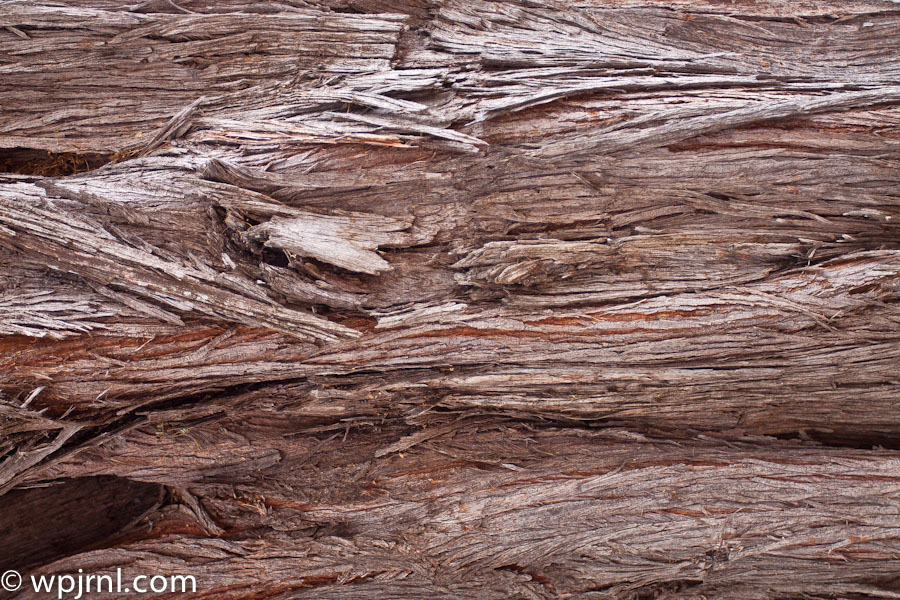
Weathered Log Texture, Forest Nature
Weathered Log Texture, Forest Nature
Discover the raw beauty and intricate grain patterns of aged timber weathered by time and nature.

This striking close-up captures the essence of natural decay and endurance found in old-growth forests. The deeply etched wood grain tells stories of seasons past, with layers of bark and exposed timber showcasing nature’s artistic hand. The interplay of light and shadow across the weathered surface reveals the complexity and character that only time can create in forest ecosystems.

Highlights

  • Intricate wood grain patterns created by decades of weathering
  • Rich tapestry of browns and grays showing natural color variation
  • Fine textural details visible in the bark and exposed wood fibers
  • Evidence of natural decomposition and forest ecosystem processes

What to Do

  • Photograph and study macro details of fallen logs and forest textures
  • Explore old-growth forest areas to find similar weathered timber specimens
  • Document the natural patterns and colors in forest ecosystems
  • Walk forest trails to observe various stages of wood decomposition

Best Time to Visit

Spring through early fall, when forest trails are accessible and lighting highlights wood textures beautifully

Getting There

Visit any established old-growth or mature forest area; check local nature reserves or national forests in your region

Visitor Tips

  • Bring a macro lens or close-up camera to capture wood grain details
  • Visit during midday for optimal lighting on textured surfaces
  • Wear appropriate footwear for uneven forest terrain
  • Respect forest ecosystems and avoid disturbing wildlife habitats

Nearby

  • Forest walking trails
  • Nature photography locations
  • Wildlife observation areas
  • Botanical gardens or arboretums

The humble fallen log is a masterpiece of natural artistry, inviting us to slow down and appreciate the intricate beauty hidden in plain sight throughout our forests. Whether you visit for photography, scientific study, or simple appreciation of nature’s craftsmanship, these weathered timber specimens offer endless fascination and inspiration.

Location Map

Weathered Log Texture, Forest Nature Read More »
Molokini Crater Marine Reserve, Maui Hawaii

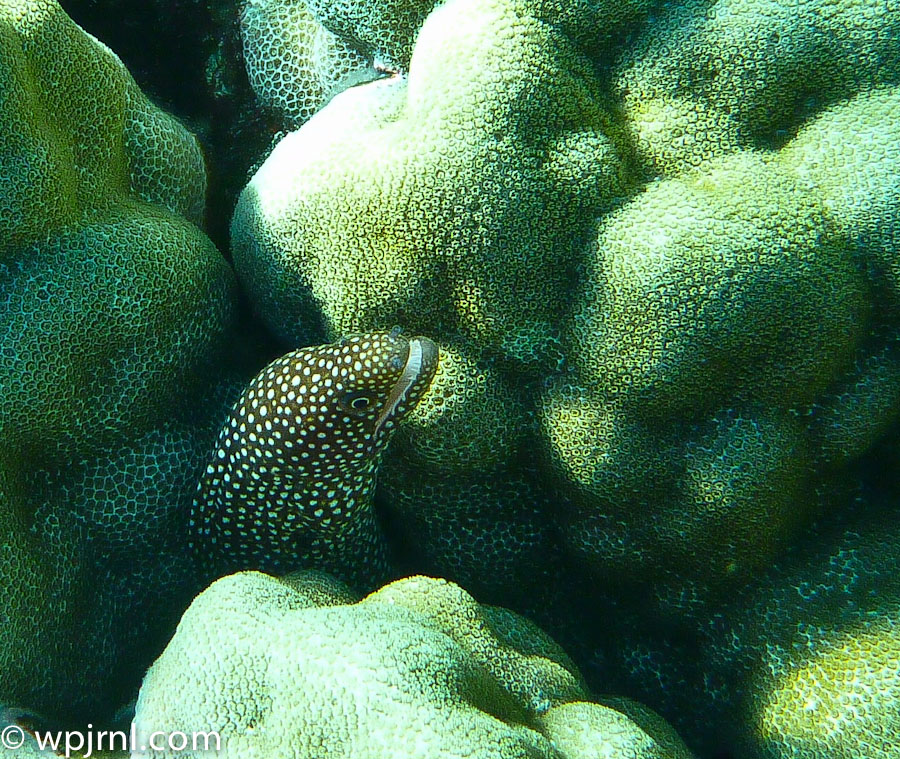
Molokini Crater Marine Reserve, Maui Hawaii
A crescent-shaped underwater paradise teeming with tropical marine life and crystal-clear waters.

Molokini Crater is one of Hawaii’s most spectacular snorkeling and diving destinations, located off the coast of Maui. This crescent-shaped volcanic caldera rises from the ocean floor and creates a natural amphitheater of vibrant coral reefs and abundant marine ecosystems. The protected marine reserve is home to over 250 species of fish and countless other sea creatures, making it an unforgettable underwater experience for visitors of all skill levels.

The crater’s unique geography provides exceptional visibility and shelter from ocean currents, creating ideal conditions for observing Hawaiian marine life in their natural habitat. From graceful sea turtles to colorful tropical fish and fascinating moray eels like the one captured in this stunning photograph, Molokini offers an intimate window into Hawaii’s underwater world.

Highlights

  • Exceptional snorkeling and diving with 100+ foot visibility on clear days
  • Diverse marine life including moray eels, parrotfish, tangs, and sea turtles
  • Protected marine reserve status ensuring pristine coral ecosystems
  • Crescent-shaped volcanic crater creating dramatic underwater landscape
  • Back side wall perfect for advanced divers seeking deeper exploration

What to Do

  • Snorkel the inner reef to observe colorful tropical fish and coral formations up close
  • Dive the back wall for experienced divers seeking deeper marine encounters
  • Photograph marine life including eels, octopus, and reef fish
  • Take a catamaran tour from Maui’s south shore beaches
  • Observe and respect sea turtles in their natural environment

Best Time to Visit

May through October offers the calmest waters and best visibility, though the crater is accessible year-round. Summer months provide the warmest water temperatures and most stable weather conditions.

Getting There

Molokini Crater is accessible only by boat. Tour operators depart from Wailea, Kihei, and Lahaina beaches on Maui’s south and west shores. Most tours take 30-45 minutes to reach the crater.

Visitor Tips

  • Book tours early in the morning for the best visibility and smallest crowds
  • Bring reef-safe sunscreen to protect both your skin and the coral ecosystem
  • Wear a wetsuit even in summer for comfort during extended water time
  • Respect marine life by maintaining distance and never touching coral or animals
  • Check weather conditions before booking, as high winds can make conditions rough

Nearby

  • Wailea Beach – nearby sandy beach perfect for relaxation
  • Ahihi-Kinau Natural Area Reserve – another excellent snorkeling spot
  • Maui Ocean Center Aquarium – educational marine experience in Wailuku
  • Haleakala National Park – volcanic crater viewpoint on Maui’s interior

Molokini Crater represents the very best of Hawaii’s underwater treasures. Whether you’re a seasoned diver or a first-time snorkeler, the opportunity to witness moray eels, tropical fish, and vibrant coral reefs in their pristine natural habitat is an experience that will stay with you long after you leave Maui’s shores. Plan your visit to this marine jewel and discover why it’s one of the most beloved destinations in the Hawaiian Islands.

Location Map

Molokini Crater Marine Reserve, Maui Hawaii Read More »

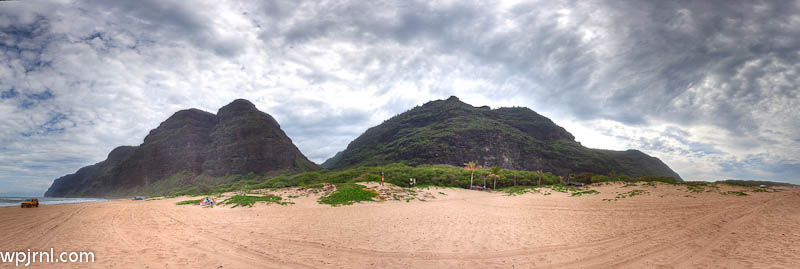
Polihale State Park Beach, Kauai Hawaii

Polihale State Park Beach, Kauai Hawaii
Hawaii’s most remote and dramatic beach, where towering sea cliffs meet golden sand at the edge of the world.

Polihale State Park showcases one of Hawaii’s most spectacular and least crowded beaches, stretching for miles along Kauai’s rugged west coast. Crowned by the striking Polihale Cliffs that rise dramatically from the shoreline, this pristine destination feels like stepping into another realm—wild, untamed, and breathtakingly beautiful. Accessible only via a rough dirt road, Polihale rewards adventurous travelers with solitude, stunning natural scenery, and some of the most dramatic coastal views in the Hawaiian Islands.

The beach itself is expansive and relatively undeveloped, with soft golden sand backed by native vegetation and framed by the imposing sea cliffs that dominate the landscape. On clear days, you can see across the Kaulakahi Channel toward Niihau, adding to the sense of isolation and natural beauty. Whether you’re seeking adventure, photography opportunities, or simply a peaceful escape from crowded tourist spots, Polihale delivers an unforgettable Hawaiian experience.

Highlights

  • Polihale Cliffs – dramatic 3,000-foot sea cliffs towering above the beach, creating a stunning natural backdrop
  • Expansive sandy beach – miles of pristine golden sand with minimal crowds and development
  • Sunset views – spectacular sunsets reflected in the sand and silhouetting the cliffs
  • Niihau views – panoramic views across the channel to the forbidden island of Niihau on clear days
  • Native vegetation – unique coastal plants and dunes supporting local ecosystems

What to Do

  • Swimming and wading – enjoy the relatively calm waters, especially in the designated swimming areas
  • Photography – capture dramatic landscape and sunset photography opportunities
  • Picnicking – bring supplies for a secluded beach picnic with stunning cliff views
  • Beachcombing – walk the extensive shoreline searching for shells and sea glass
  • Hiking – explore trails along the beach and through the state park grounds
  • Stargazing – enjoy exceptional stargazing due to minimal light pollution

Best Time to Visit

May through September offers the calmest seas and most reliable weather, though the park is beautiful year-round. Summer provides the most stable conditions for swimming. Winter can bring rougher surf but equally dramatic skies.

Getting There

Polihale is accessed via a 5-mile rough dirt road from Highway 50 near Waimea on Kauai’s west side. High-clearance vehicles are strongly recommended. The drive takes approximately 45 minutes from the highway and requires patience on the unpaved road. There is no public transportation to the park.

Visitor Tips

  • Arrive early – the dirt road can become impassable after rain, and parking is limited
  • Bring water and supplies – no facilities or food vendors are available at the park
  • Check road conditions – call ahead during rainy season to confirm road accessibility
  • Wear sun protection – the beach offers minimal shade; bring sunscreen and a hat
  • Stay aware of surf conditions – the ocean can be treacherous; check current conditions before entering the water
  • Allow extra time – the rough road requires slower driving speeds than normal

Nearby

  • Waimea Canyon – ‘Grand Canyon of the Pacific’ with scenic overlooks and hiking trails
  • Kokee State Park – elevated park with viewpoints of the Na Pali Coast and Kalalau Valley
  • Barking Sands Beach – another secluded west-side beach known for its unique squeaking sand
  • Waimea Town – historic plantation town with shops, restaurants, and cultural sites

Polihale State Park represents Hawaii at its most primal and magnificent—a place where dramatic geology, pristine nature, and genuine solitude converge. The effort required to reach this remote beach is rewarded a thousandfold with vistas that will stay with you forever. Whether you’re standing on the sand gazing up at the towering cliffs or watching the sun sink below the horizon, you’ll understand why Polihale is truly one of the world’s great natural destinations.

Location Map

Polihale State Park Beach, Kauai Hawaii Read More »

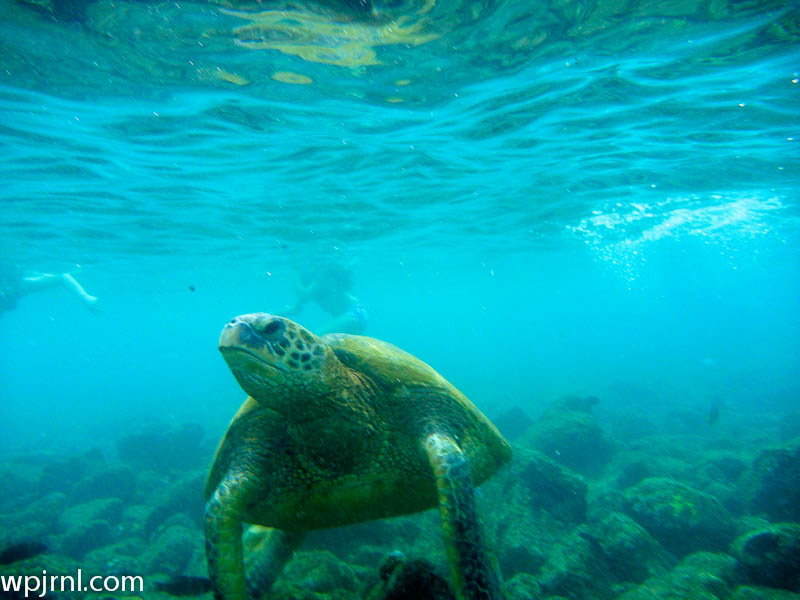
Prince Kuhio Beach Park, Waikiki Honolulu Hawaii

Prince Kuhio Beach Park, Waikiki Honolulu Hawaii
A pristine Hawaiian beach sanctuary where endangered sea turtles swim freely in crystal-clear turquoise waters.

Prince Kuhio Beach Park, located in the heart of Waikiki on the island of Kauai, is one of Hawaii’s most remarkable snorkeling destinations. This protected marine area is famous for its thriving population of Hawaiian green sea turtles (honu), which have made these warm, shallow waters their home. The beach offers visitors an unforgettable opportunity to encounter these gentle creatures in their natural habitat, surrounded by vibrant coral reefs and tropical fish. With calm, sheltered waters and excellent visibility, Prince Kuhio Beach provides the perfect setting for both experienced snorkelers and beginners to explore the underwater wonders of Hawaii.

The beach’s ecological significance cannot be overstated—it serves as a critical refuge for endangered sea turtles, making it a place of both conservation importance and natural beauty. The turquoise waters, fine sand, and lush tropical surroundings create an idyllic tropical paradise that captures the essence of Hawaiian island life.

Highlights

  • Snorkel with Hawaiian green sea turtles in their natural habitat
  • Crystal-clear turquoise waters with excellent visibility and calm conditions
  • Vibrant coral reefs and diverse tropical marine life
  • Protected marine sanctuary status ensures pristine underwater ecosystem
  • Shallow waters ideal for all swimming and snorkeling skill levels

What to Do

  • Snorkel among the sea turtles and tropical fish
  • Photograph the endangered Hawaiian green sea turtles up close
  • Explore the colorful coral reefs and marine biodiversity
  • Relax on the golden sand beach with views of the turquoise ocean
  • Practice responsible marine wildlife observation and conservation awareness

Best Time to Visit

Year-round, though water conditions are calmest and warmest from May to September. Turtle sightings are consistent throughout the year, making any season an excellent time to visit.

Getting There

Prince Kuhio Beach is easily accessible from Lihue, the main town on Kauai’s east side, about 20 minutes by car. Rental cars are available at the airport, or visitors can use local transportation and taxi services. The beach has a small parking area nearby.

Visitor Tips

  • Arrive early in the morning for the calmest waters and best snorkeling conditions
  • Maintain a respectful distance from sea turtles (at least 6 feet) and never touch them
  • Use reef-safe sunscreen to protect the marine ecosystem
  • Bring snorkeling gear or rent locally, and consider a rash guard for sun protection
  • Be mindful of currents and always snorkel with a buddy

Nearby

  • Kuhio Beach Park main beach area in Waikiki
  • Lydgate State Park with protected swimming areas
  • Kilauea Point National Wildlife Refuge
  • Kauai Museum in Lihue

Prince Kuhio Beach represents the magic of Hawaii—a place where you can swim alongside ancient sea turtles in crystalline waters while supporting marine conservation. Whether you’re an avid snorkeler seeking underwater adventure or simply looking to connect with Hawaii’s unique wildlife, this exceptional beach delivers an experience that will stay with you long after you leave the islands. Respect the turtles, protect the reef, and discover why this corner of Kauai is truly one of the Pacific’s most treasured marine destinations.

Location Map

Prince Kuhio Beach Park, Waikiki Honolulu Hawaii Read More »

drive to the docks (port of toronto)

drive from east GTA to the docks and downtown Toronto.

Location Map

drive to the docks (port of toronto) Read More »

Groupon’s Controversial Super Bowl Tibet Advertisement — What Went Wrong with This Travel Campaign

https://www.youtube.com/watch?v=pOwJOcp-Mxk

Discover why Groupon’s Super Bowl ad promoting travel to Tibet sparked massive backlash and became one of the most controversial travel advertisements in sports history.

Super Bowl advertisements are known for pushing boundaries, but Groupon’s Tibet travel deal commercial crossed a line that left viewers and activists outraged. This video breaks down the controversial ad that promised budget-friendly Tibetan getaways while making light of serious cultural and political sensitivities. The advertisement became a watershed moment in how travel brands communicate about exotic destinations, raising important questions about responsible tourism marketing, cultural respect, and the ethical obligations of major corporations when promoting travel to culturally significant regions.

Video Highlights

  • The original Groupon Tibet Super Bowl commercial that sparked global controversy
  • Analysis of why the ad was perceived as culturally insensitive and tone-deaf
  • Public reaction and backlash from human rights organizations and Tibetan advocacy groups
  • Impact on Groupon’s brand reputation and the broader travel industry’s response

What to Expect

  • Full breakdown of the controversial advertisement and its messaging
  • Context on Tibet’s cultural and political significance that made the ad inappropriate
  • Compilation of social media reactions and criticism from viewers worldwide
  • Discussion of how travel brands should ethically promote destinations

This video serves as a crucial case study in travel marketing ethics and brand responsibility. Whether you’re interested in understanding the intersection of commerce and culture, learning about Tibet’s significance, or simply exploring one of the most talked-about Super Bowl ads ever made, this analysis offers valuable insights into why sensitivity matters in the travel industry.

Groupon’s Controversial Super Bowl Tibet Advertisement — What Went Wrong with This Travel Campaign Read More »

Scroll to Top