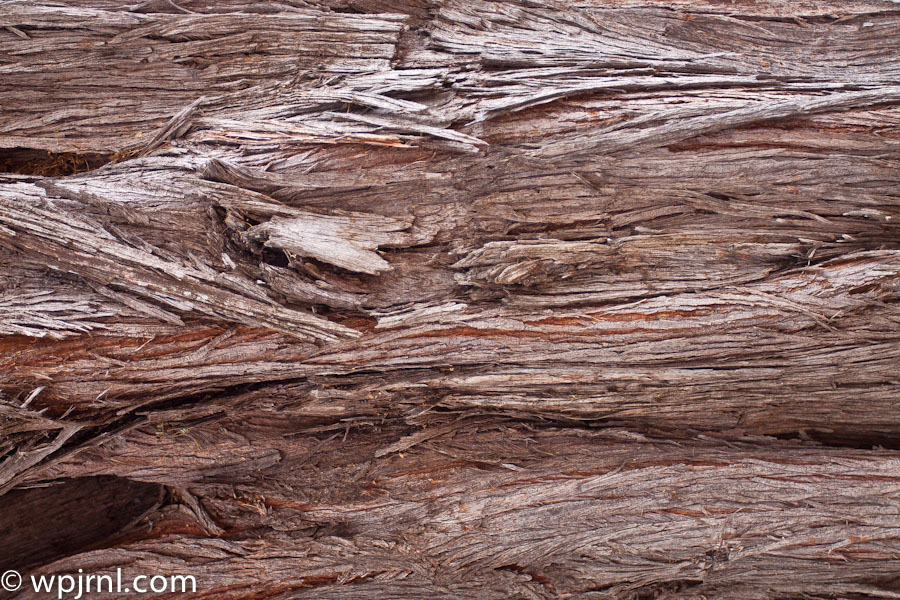
Weathered Log Texture, Forest Nature

This striking close-up captures the essence of natural decay and endurance found in old-growth forests. The deeply etched wood grain tells stories of seasons past, with layers of bark and exposed timber showcasing nature’s artistic hand. The interplay of light and shadow across the weathered surface reveals the complexity and character that only time can create in forest ecosystems.
Highlights
- Intricate wood grain patterns created by decades of weathering
- Rich tapestry of browns and grays showing natural color variation
- Fine textural details visible in the bark and exposed wood fibers
- Evidence of natural decomposition and forest ecosystem processes
What to Do
- Photograph and study macro details of fallen logs and forest textures
- Explore old-growth forest areas to find similar weathered timber specimens
- Document the natural patterns and colors in forest ecosystems
- Walk forest trails to observe various stages of wood decomposition
Best Time to Visit
Spring through early fall, when forest trails are accessible and lighting highlights wood textures beautifully
Getting There
Visit any established old-growth or mature forest area; check local nature reserves or national forests in your region
Visitor Tips
- Bring a macro lens or close-up camera to capture wood grain details
- Visit during midday for optimal lighting on textured surfaces
- Wear appropriate footwear for uneven forest terrain
- Respect forest ecosystems and avoid disturbing wildlife habitats
Nearby
- Forest walking trails
- Nature photography locations
- Wildlife observation areas
- Botanical gardens or arboretums
The humble fallen log is a masterpiece of natural artistry, inviting us to slow down and appreciate the intricate beauty hidden in plain sight throughout our forests. Whether you visit for photography, scientific study, or simple appreciation of nature’s craftsmanship, these weathered timber specimens offer endless fascination and inspiration.
Location Map
Weathered Log Texture, Forest Nature Read More »