March 2010

Coral Reef Ecosystem, Tropical Ocean Waters
Coral Reef Ecosystem, Tropical Ocean Waters
Explore the vibrant underwater world where delicate anemones and colorful corals create one of Earth’s most biodiverse ecosystems.

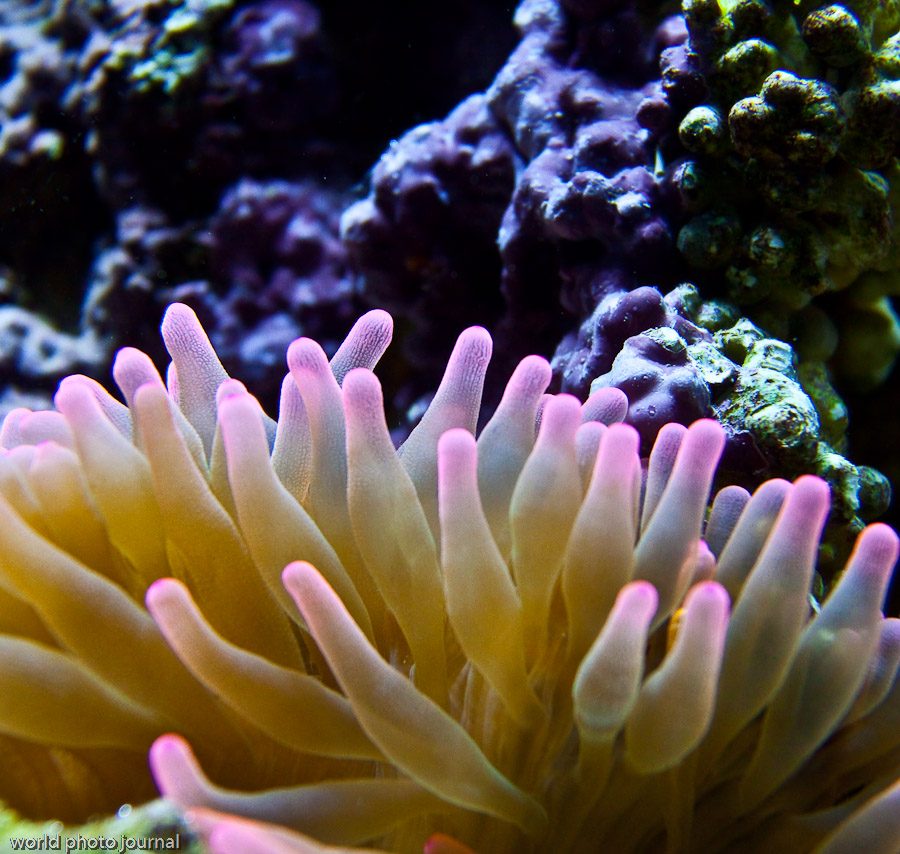
Coral reefs are among the most spectacular and vital ecosystems on our planet, thriving in warm tropical and subtropical waters. These underwater gardens host an extraordinary array of marine life, from the graceful pink anemones with their elegant tentacles to countless species of fish, crustaceans, and other invertebrates. The anemone pictured here exemplifies the stunning natural beauty found within these ecosystems, with its delicate pink and white tentacles creating a mesmerizing display under specialized aquarium lighting.

These living structures support approximately 25% of all marine species despite covering less than 1% of the ocean floor. Coral reefs are not just beautiful—they’re essential for maintaining ocean health, protecting coastlines, and supporting millions of people who depend on them for food and livelihoods.

Highlights

  • Observe vibrant anemones and their symbiotic relationships with clownfish and other marine species
  • Discover diverse coral formations including branching, plate, and massive corals
  • Experience the rainbow of colors created by fluorescent corals and fish under specialized lighting

What to Do

  • Snorkel or scuba dive to observe anemones and reef life in their natural habitat
  • Visit public aquariums with dedicated reef exhibits featuring living coral and anemone displays
  • Participate in reef conservation and restoration projects during your visit
  • Photograph the incredible biodiversity and unique colors of the reef ecosystem

Best Time to Visit

Dry season months (varies by location) typically offer the best visibility and calmest waters for reef exploration

Getting There

Coral reefs are found worldwide in tropical waters. Popular destinations include the Great Barrier Reef (Australia), Caribbean reefs, Southeast Asian reefs (Indonesia, Philippines, Thailand), and Red Sea reefs (Egypt). Access via local dive operators and snorkel tours from coastal towns.

Visitor Tips

  • Use reef-safe sunscreen to protect coral ecosystems from harmful chemicals
  • Never touch or stand on coral—maintain proper buoyancy while diving or snorkeling
  • Visit during recommended times when water conditions and marine life visibility are optimal
  • Support local conservation efforts and certified sustainable tour operators

Nearby

  • Tropical island resorts and coastal villages
  • Marine research centers and aquariums
  • Other pristine diving and snorkeling destinations

The delicate beauty of anemones and the thriving coral reef ecosystem remind us of nature’s incredible artistry and resilience. Whether you experience these wonders firsthand through snorkeling and diving or through stunning aquarium displays, coral reefs offer an unforgettable journey into one of Earth’s most precious underwater worlds. Plan your visit today and become part of the movement to protect these vital ecosystems for future generations.

Location Map

Coral Reef Ecosystem, Tropical Ocean Waters Read More »
Blue Haddoni Coral Reef Marine Habitat

Blue Haddoni Coral Reef Marine Habitat
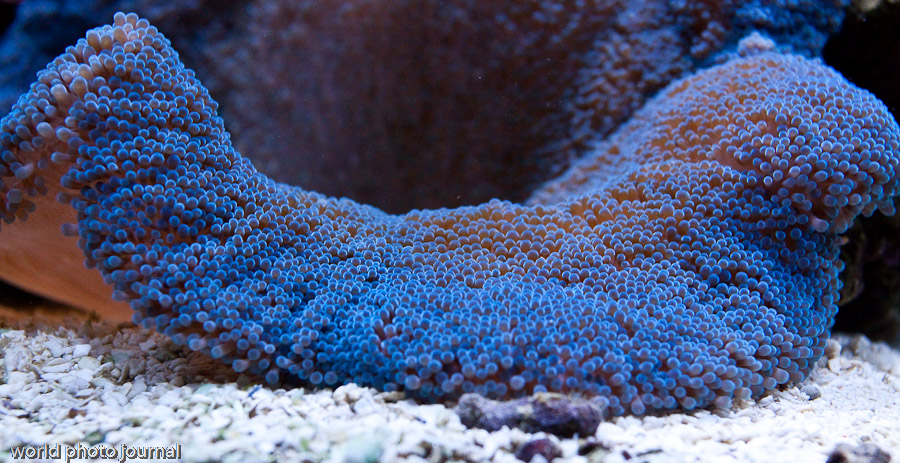
Witness the stunning electric-blue polyps of the Haddoni coral, one of nature’s most vibrant underwater treasures.

The Blue Haddoni coral, scientifically known for its distinctive bright blue coloration, represents one of the ocean’s most mesmerizing visual wonders. Found in tropical and subtropical reef environments, this coral species captivates marine enthusiasts and aquarium visitors with its densely packed, glowing polyps that create an almost otherworldly appearance. The Haddoni coral thrives in carefully maintained reef ecosystems, both in nature and in professional aquarium settings, where its neon-blue tentacles create a living spectacle of marine biodiversity.

These corals are a testament to the incredible diversity of reef life and serve as both a beautiful reminder of ocean ecosystems and a focal point for marine conservation efforts. Whether encountered in the wild or in accredited aquariums, the Blue Haddoni coral offers an unforgettable glimpse into the alien beauty lurking beneath the waves.

Highlights

  • Vibrant electric-blue polyps that glow under specific lighting conditions
  • Dense, intricate branching structure composed of hundreds of individual polyps
  • A living example of marine symbiosis and reef ecosystem complexity
  • Thrives in carefully curated reef environments and professional aquariums worldwide

What to Do

  • Visit accredited aquariums featuring tropical reef exhibits with living Haddoni corals
  • Snorkel or dive in tropical reef locations where these corals naturally occur
  • Observe the coral’s feeding behavior and interaction with fish and other marine life
  • Photograph the stunning blue coloration for marine documentation and appreciation

Best Time to Visit

Year-round in tropical reef locations; aquarium visits are ideal during any season for guaranteed viewing of healthy specimens

Getting There

Visit major public aquariums with tropical reef sections, or travel to tropical diving destinations in the Caribbean, Indo-Pacific, or Red Sea regions

Visitor Tips

  • Use underwater photography with proper lighting to capture the coral’s true blue coloration
  • Learn about coral conservation and the importance of reef protection before your visit
  • Visit during feeding times at aquariums to observe the polyps in active state
  • Respect marine life by maintaining safe distances and following reef diving guidelines

Nearby

  • Other colorful coral species in reef ecosystems
  • Tropical fish populations that interact with coral habitats
  • Marine conservation centers and research facilities

The Blue Haddoni coral stands as a stunning reminder of the ocean’s infinite beauty and the critical importance of protecting our marine ecosystems. Whether you encounter it in an aquarium or in its natural reef habitat, this electric-blue marvel will inspire wonder and deepen your appreciation for the interconnected web of life beneath the waves. Plan your visit today to witness one of nature’s most captivating underwater spectacles.

Location Map

Blue Haddoni Coral Reef Marine Habitat Read More »

Coral Reef Ecosystem, Tropical Seas

Coral Reef Ecosystem, Tropical Seas
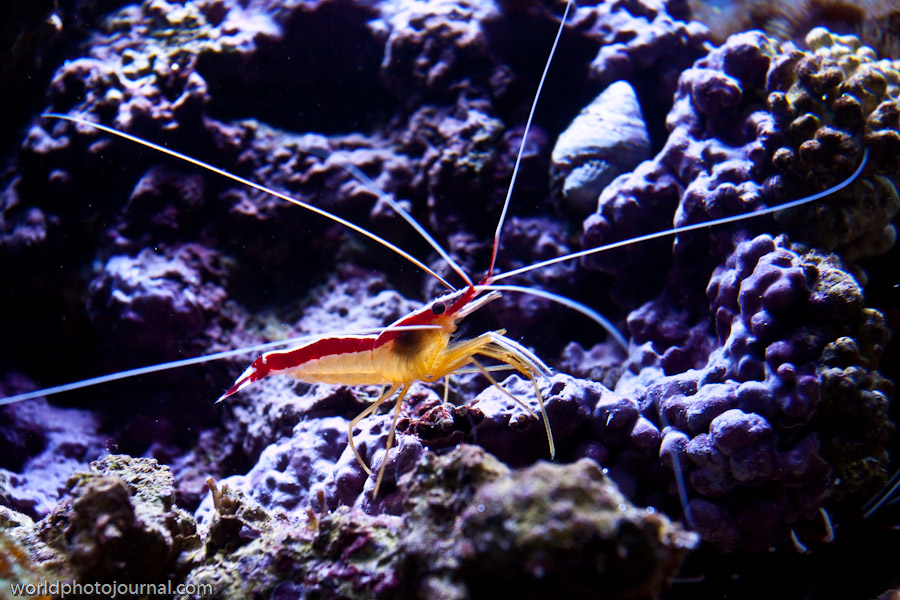
Witness the vibrant underwater world where cleaner shrimp maintain the health of coral reef ecosystems.

Coral reefs represent some of Earth’s most biodiverse and visually stunning ecosystems, thriving in warm tropical waters across the globe. These underwater gardens are home to countless species, including the fascinating cleaner shrimp, which plays a crucial symbiotic role in reef health. The cleaner shrimp pictured here exemplifies the delicate balance of reef life, where smaller creatures provide essential services to larger fish by removing parasites and dead skin—a perfect example of nature’s interconnected relationships beneath the waves.

Highlights

  • Observe cleaner shrimp in their natural habitat performing symbiotic cleaning behaviors with reef fish
  • Explore vibrant coral formations in stunning shades of purple, blue, and gold
  • Witness the incredible biodiversity of tropical reef ecosystems with hundreds of species coexisting

What to Do

  • Snorkel or scuba dive to observe cleaner shrimp and other reef creatures up close
  • Photography of marine life in their natural environment
  • Learn about coral reef conservation and symbiotic relationships in marine ecosystems

Best Time to Visit

Year-round in most locations, though dry seasons (typically November-May) offer best visibility and calmest waters

Getting There

Accessible via diving resorts, boat tours, or snorkeling excursions in tropical coastal regions

Visitor Tips

  • Use reef-safe sunscreen to protect fragile coral ecosystems
  • Maintain proper diving technique to avoid damaging coral formations
  • Visit with certified guides to learn about cleaner shrimp and reef ecology

Nearby

  • Marine protected areas
  • Tropical fish sanctuaries
  • Underwater coral gardens

Coral reefs are among Earth’s most precious natural treasures, and experiencing them firsthand—watching cleaner shrimp at work and marveling at the complex web of life—is a transformative encounter with the wonder of our oceans. These ecosystems deserve our protection and admiration.

Location Map

Coral Reef Ecosystem, Tropical Seas Read More »

Scroll to Top