marine life

Singapore Coral Reef Aquarium Experience
Singapore Coral Reef Aquarium Experience
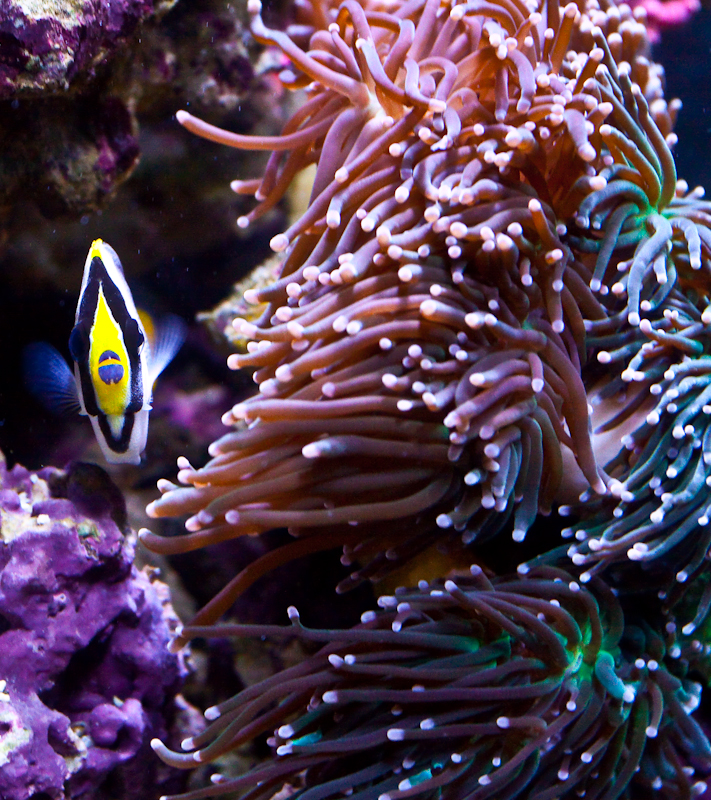
Discover vibrant tropical marine life including the iconic Singapore Angel fish and stunning green torch anemones in pristine coral reef habitats.

Singapore’s world-class aquariums showcase some of the most spectacular coral reef ecosystems on Earth. This underwater destination features exotic species from across the Indo-Pacific region, including the delicate and colorful Singapore Angel fish with its distinctive yellow and white striped pattern. The vibrant green torch anemones create a mesmerizing display with their flowing tentacles adorned with white-tipped polyps, demonstrating the incredible biodiversity of tropical reef systems. Visitors can experience the wonder of these living corals and their symbiotic relationships with resident fish species in meticulously maintained reef environments.

Highlights

  • Singapore Angel fish with distinctive blue-bordered yellow pattern and graceful swimming behavior
  • Green torch anemones displaying vibrant colors and intricate tentacle formations
  • Purple coral formations and diverse reef ecosystem displays
  • Interactive viewing areas with advanced aquarium technology
  • Educational exhibits about coral conservation and marine life protection

What to Do

  • Observe the Singapore Angel fish in their natural reef setting and learn about their behavior
  • Marvel at the flowing green torch anemones and their symbiotic relationships
  • Explore multiple themed zones showcasing different ocean regions and depths
  • Participate in guided tours and educational presentations about marine conservation
  • Visit during feeding times to witness natural predator-prey interactions

Best Time to Visit

Year-round, as Singapore’s tropical climate and indoor aquarium facilities provide comfortable conditions any season. Visit on weekday mornings to avoid crowds.

Getting There

Located on Sentosa Island, accessible via MRT to Sentosa Station, cable car from Mount Faber, or direct buses from various Singapore locations.

Visitor Tips

  • Arrive early morning for the clearest viewing and fewer crowds
  • Allow 3-4 hours to fully explore the aquarium exhibits
  • Photography is permitted; bring a good camera to capture the vibrant colors
  • Check the aquarium website for special feeding times and guided tour schedules
  • Visit the gift shop for marine conservation-themed souvenirs

Nearby

  • Universal Studios Singapore on Sentosa Island
  • Sentosa Merlion statue and observation deck
  • Palawan Beach and beach clubs on Sentosa
  • Singapore Zoo and Night Safari
  • Orchard Road shopping district

The coral reefs of Singapore’s aquariums represent some of nature’s most precious ecosystems, from the graceful Singapore Angel fish to the stunning green torch anemones. A visit to these underwater wonderlands offers not only breathtaking beauty but also an inspiring call to action for marine conservation. Whether you’re a seasoned aquarium enthusiast or a first-time visitor, these vibrant reef displays will transport you to a magical underwater world and deepen your appreciation for our ocean’s incredible biodiversity.

Location Map

Singapore Coral Reef Aquarium Experience Read More »
Blue Carpet Anemone Coral Reef Habitat

Blue Carpet Anemone Coral Reef Habitat
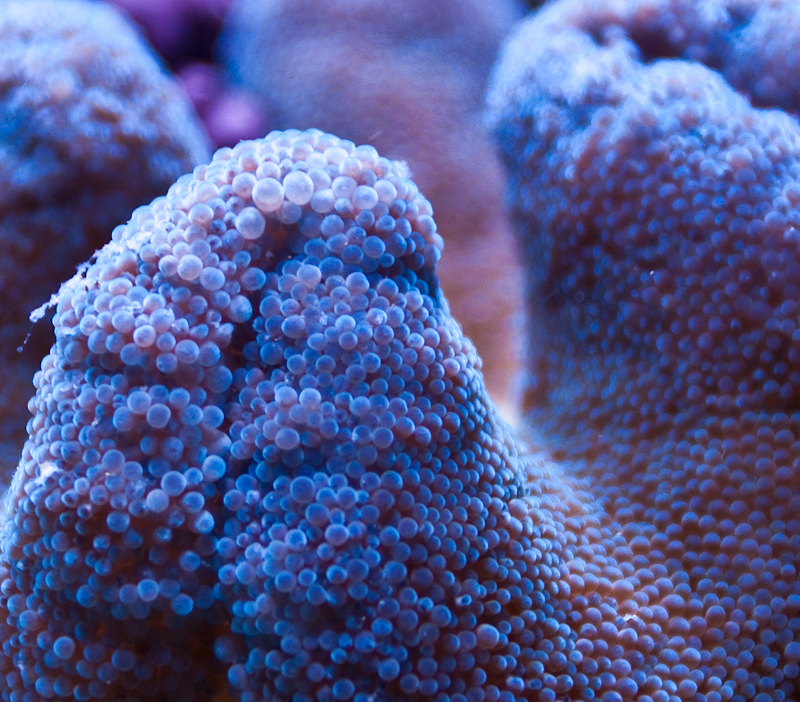
Discover the mesmerizing beauty of blue carpet anemones in their vibrant underwater realm.

Blue carpet anemones are among the most stunning creatures found in coral reef ecosystems, displaying intricate patterns and brilliant coloration that captivate divers and marine enthusiasts alike. These remarkable sea anemones thrive in the warm, nutrient-rich waters of tropical and subtropical reefs, where they create their own microhabitats. The delicate, spherical tentacles create a carpet-like appearance that gives these anemones their distinctive name, making them a highlight of any reef exploration.

Highlights

  • Observe the intricate tentacle structures in vivid blue and purple hues
  • Witness symbiotic relationships with clownfish and other reef inhabitants
  • Experience the thriving biodiversity of healthy coral reef ecosystems
  • Photograph stunning close-up details of marine invertebrate life

What to Do

  • Snorkel or scuba dive to observe anemones in their natural habitat
  • Join guided reef tours with marine biologists to learn about anemone ecology
  • Take underwater macro photography to capture the intricate tentacle details
  • Participate in reef conservation and restoration projects
  • Visit aquariums with dedicated reef exhibits featuring anemone specimens

Best Time to Visit

Year-round in tropical regions, with peak visibility during dry seasons (typically November-April depending on location) when water clarity is optimal

Getting There

Access coral reefs through established dive shops and snorkel tour operators in coastal tropical destinations such as the Great Barrier Reef, Caribbean islands, Southeast Asia, and the Red Sea

Visitor Tips

  • Use reef-safe sunscreen to protect both your skin and the coral ecosystem
  • Maintain proper buoyancy control while diving to avoid disturbing the anemones
  • Bring macro lens equipment for close-up underwater photography
  • Follow local guidelines and respect marine protected areas
  • Consider visiting during guided tours to minimize environmental impact

Nearby

  • Coral polyp colonies and hard corals
  • Tropical fish species and reef ecosystems
  • Sea urchins and other invertebrates
  • Seagrass beds and mangrove nurseries

The blue carpet anemone represents the extraordinary complexity and beauty of coral reef ecosystems. By visiting and supporting reef conservation efforts, you become part of protecting these vital underwater worlds for future generations. Immerse yourself in the wonder of marine life and witness the intricate dance of creatures that call the coral reef home.

Location Map

Blue Carpet Anemone Coral Reef Habitat Read More »
Coral Reef Aquarium Habitat – Marine Ecosystem

Coral Reef Aquarium Habitat - Marine Ecosystem
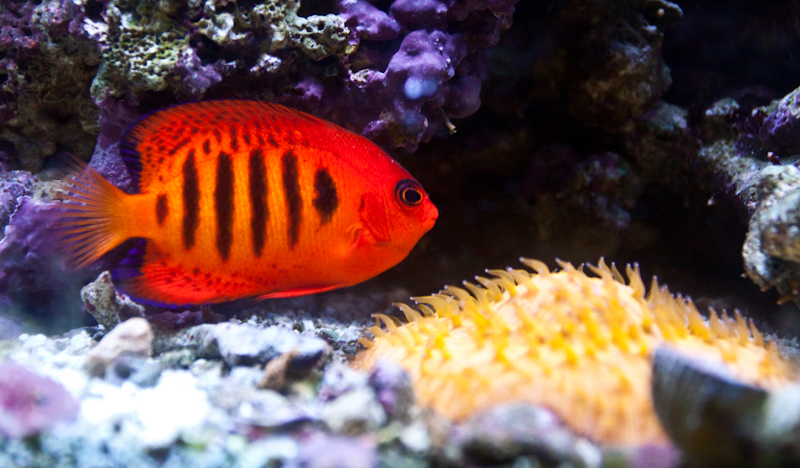
A vibrant underwater world where brilliantly colored fish and delicate corals create a mesmerizing marine ecosystem.

This stunning coral reef habitat showcases the incredible biodiversity of underwater ecosystems. The vivid flame angelfish, with its striking red and black striped pattern, glides gracefully through the water column, demonstrating the remarkable colors and behaviors found in marine environments. The orange plate coral and purple corals create a rich, textured backdrop that represents the delicate balance of reef life. These carefully maintained aquarium environments allow visitors to witness the beauty and complexity of ocean life up close.

Highlights

  • Flame angelfish with distinctive red and black coloring
  • Diverse coral species including orange plate corals and purple soft corals
  • Crystal clear water revealing intricate marine interactions
  • Natural lighting that enhances the vibrant colors of reef inhabitants

What to Do

  • Observe the graceful swimming patterns of tropical fish species
  • Study the symbiotic relationships between fish and coral
  • Photography opportunities to capture the vibrant colors and details
  • Learn about coral reef conservation and marine ecosystem preservation

Best Time to Visit

Year-round, as aquarium exhibits maintain optimal conditions daily. Visit during weekday mornings for fewer crowds and better viewing.

Getting There

Located within public aquariums worldwide. Check your local aquarium facility hours and directions for visiting this type of exhibit.

Visitor Tips

  • Allow at least 30-45 minutes to observe fish behavior and coral details
  • Use polarized sunglasses to reduce glare on the viewing glass
  • Visit during feeding times for more active fish behavior
  • Photography without flash to protect marine life and capture accurate colors

Nearby

  • Other tropical reef exhibits
  • Marine education centers
  • Aquarium gift shops and educational displays

Visiting a coral reef aquarium habitat offers a window into one of Earth’s most biodiverse ecosystems. The sight of a flame angelfish navigating through vibrant corals reminds us of the ocean’s extraordinary beauty and the importance of protecting these fragile underwater worlds for future generations.

Location Map

Coral Reef Aquarium Habitat – Marine Ecosystem Read More »
Purple Plate Coral Reef, Tropical Ocean Waters

Purple Plate Coral Reef, Tropical Ocean Waters
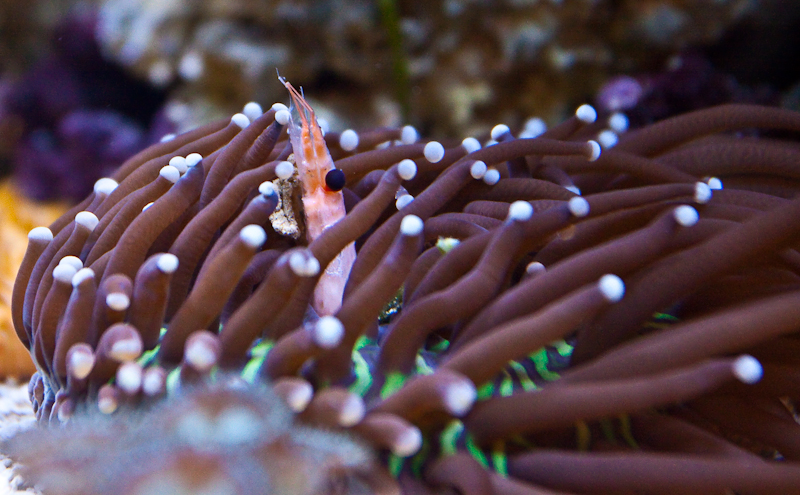
Witness the vibrant underwater world where colorful corals thrive and marine life dances in perfect harmony.

Purple plate corals are among the most mesmerizing inhabitants of tropical coral reef ecosystems, displaying stunning hues of purple, brown, and vibrant green under ideal lighting conditions. These colonial cnidarians create elaborate branching structures that form intricate underwater gardens, providing shelter and sustenance for countless marine organisms. The delicate tentacles that extend from the coral polyps reveal the coral’s feeding behavior, a fascinating display of nature’s predatory elegance beneath the waves.

Highlights

  • Observe purple plate corals in their natural habitat with branching tentacles fully extended
  • Witness the symbiotic relationship between corals and zooxanthellae creating brilliant colors
  • Explore the microecosystems where tiny shrimp and fish find refuge within coral polyps

What to Do

  • Snorkel or dive to observe corals feeding on plankton and krill at dawn or dusk
  • Photograph the intricate coral formations and their resident marine life
  • Learn about coral conservation and reef ecology from experienced guides
  • Participate in coral monitoring and citizen science programs

Best Time to Visit

Early morning or late afternoon when corals are actively feeding and lighting is optimal for observation and photography

Getting There

Access coral reefs through guided snorkeling or diving tours from coastal resort towns in the Caribbean, Indo-Pacific, or Red Sea regions

Visitor Tips

  • Use reef-safe sunscreen to protect coral ecosystems
  • Maintain proper buoyancy to avoid touching or damaging delicate coral structures
  • Visit with certified guides who understand coral behavior and reef conservation
  • Bring an underwater camera to capture the remarkable feeding displays

Nearby

  • Tropical coral gardens with diverse species
  • Marine protected areas with pristine reef systems
  • Coastal research centers studying coral biology

The purple plate coral represents one of nature’s most intricate wonders—a living testament to the complexity and beauty of ocean ecosystems. By visiting these underwater realms responsibly, you not only witness extraordinary natural phenomena but also support conservation efforts that protect these vital habitats for generations to come.

Location Map

Purple Plate Coral Reef, Tropical Ocean Waters Read More »
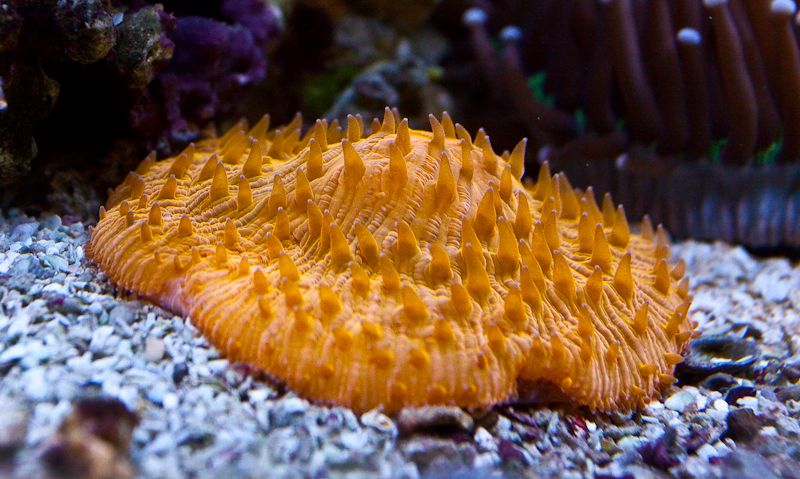
Orange Plate Coral, Coral Reef Aquarium

Orange Plate Coral, Coral Reef Aquarium
A stunning golden-orange plate coral that displays intricate branching polyps and vibrant coloration in the reef.

The Orange Plate Coral is a mesmerizing coral species found in reef environments, characterized by its distinctive flat, plate-like structure and brilliant orange-golden hues. This coral thrives in the lower light conditions of reef depths, where its vivid coloration stands out against the darker surroundings. The intricate branching polyps create a delicate, feathery appearance that makes it a prized specimen for aquarium enthusiasts and marine biologists alike.

Highlights

  • Brilliant orange-gold coloration with intricate polyp branching patterns
  • Flat plate-like morphology that creates a unique silhouette on the reef
  • Feathery, delicate tentacles that extend for feeding and light absorption
  • Thrives in reef environments and captive aquarium settings

What to Do

  • Observe the coral’s polyp feeding behavior during evening hours
  • Study the symbiotic relationship between the coral and its zooxanthellae
  • Photograph the coral’s intricate texture and vibrant coloration
  • Monitor water conditions to understand optimal coral care requirements

Best Time to Visit

Evening and night hours when polyps are most extended and visible; consistently year-round in aquarium settings

Getting There

Visit public aquariums or specialized reef aquarium facilities that house plate corals

Visitor Tips

  • Observe without touching to protect the delicate coral polyps
  • View in low-light conditions to see the most vibrant colors
  • Check feeding times for best visibility of extended polyps
  • Learn about sustainable coral reef practices and conservation

Nearby

  • Other LPS (Large Polyp Stony) corals
  • Reef fish species that interact with the coral
  • Aquarium systems demonstrating marine habitat recreation

The Orange Plate Coral represents the extraordinary beauty and complexity of reef ecosystems. Whether viewing this remarkable organism in an aquarium or in its natural habitat, it serves as a powerful reminder of the importance of ocean conservation and the need to protect these delicate underwater worlds for generations to come.

Location Map

Orange Plate Coral, Coral Reef Aquarium Read More »
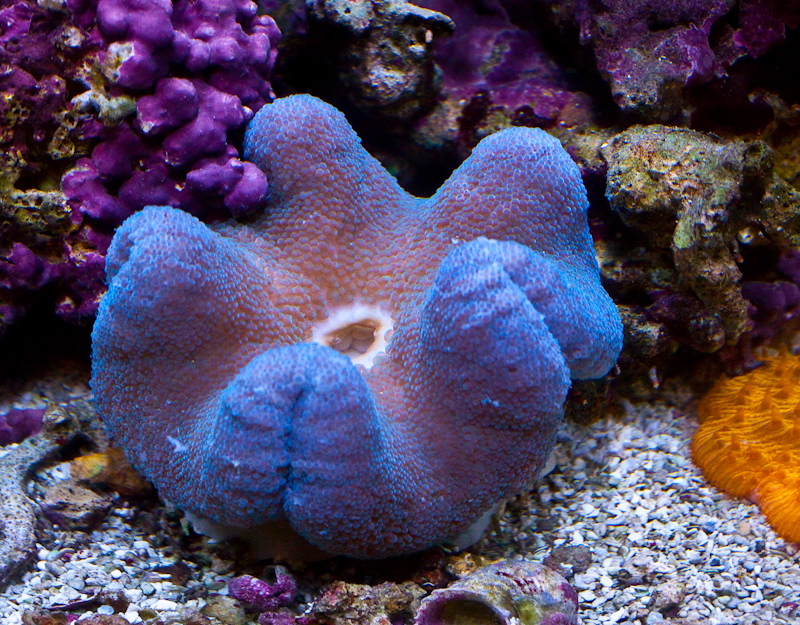
Blue Carpet Anemone in Coral Reef Habitat

Blue Carpet Anemone in Coral Reef Habitat
Marvel at the stunning azure-hued Blue Carpet Anemone, a mesmerizing creature of the deep coral reef.

The Blue Carpet Anemone is one of the ocean’s most visually striking creatures, inhabiting vibrant coral reef ecosystems in warm tropical waters. This magnificent anemone captivates divers and marine enthusiasts with its brilliant blue coloration and delicate, textured surface that resembles a living carpet. Thriving among colorful coral formations, the Blue Carpet Anemone plays a vital role in the reef ecosystem, hosting symbiotic relationships with clownfish and other marine life. Observing these creatures in their natural habitat offers a glimpse into the incredible biodiversity and beauty of the underwater world.

Highlights

  • Brilliant iridescent blue coloring that stands out against vibrant purple and orange corals
  • Intricate textured surface with numerous tiny tentacles creating a carpet-like appearance
  • Symbiotic relationships with clownfish and other reef inhabitants
  • Part of thriving coral reef ecosystems teeming with biodiversity

What to Do

  • Scuba diving to observe the anemone in its natural coral reef habitat
  • Snorkeling in shallow reef areas for easier viewing opportunities
  • Photography expeditions to capture the stunning blue coloration and details
  • Marine biology study and observation of reef symbiosis

Best Time to Visit

Year-round in tropical waters, though visibility is typically best during dry seasons (varies by location)

Getting There

Access via coral reef dive sites in tropical destinations such as the Great Barrier Reef, Red Sea, Caribbean, and Indo-Pacific regions

Visitor Tips

  • Use reef-safe sunscreen to protect coral ecosystems
  • Maintain proper buoyancy and avoid touching anemones
  • Visit with certified dive operators familiar with reef ecosystems
  • Bring macro photography equipment to capture fine details

Nearby

  • Colorful coral formations and rock structures
  • Symbiotic clownfish communities
  • Purple soft corals and golden sea fans
  • Sandy reef floor habitats

The Blue Carpet Anemone represents the extraordinary beauty and complexity of coral reef ecosystems. Plan your underwater adventure to witness these magnificent creatures in their natural habitat and gain a deeper appreciation for the fragile yet vibrant world beneath the waves.

Location Map

Blue Carpet Anemone in Coral Reef Habitat Read More »

Scroll to Top