Himalayas

Nagarkot Viewpoint, Himalayan Overlook Nepal

Nagarkot Viewpoint, Himalayan Overlook Nepal
A breathtaking mountain village offering panoramic views of the snow-capped Himalayan peaks across the Kathmandu Valley.

Perched at 2,175 meters (7,136 feet) above sea level, Nagarkot is one of Nepal’s most celebrated viewpoints, renowned for its stunning vistas of the Himalayan range. This charming hillside settlement overlooks the Kathmandu Valley and offers some of the clearest sightlines to distant snow-capped peaks, making it a favorite destination for trekkers, photographers, and nature enthusiasts. The village is dotted with prayer flags, traditional lodges, and peaceful trails that wind through rhododendron forests and terraced farmland. On clear days, visitors can spot peaks including Everest, Langtang, and Manaslu in the distance.

Highlights

  • Panoramic Himalayan views with visibility up to Mount Everest on clear days
  • Colorful Buddhist prayer flags strung across hilltops, creating iconic photo opportunities
  • Sunrise and sunset viewing experiences that paint the mountains in golden light
  • Network of hiking trails through forests and villages surrounding the area

What to Do

  • Watch sunrise over the Himalayan peaks from designated viewpoints
  • Trek to nearby villages and through rhododendron forests
  • Photography sessions capturing prayer flags with mountain backdrops
  • Visit local monasteries and experience traditional Nepali culture
  • Explore the Nagarkot-Changunarayan heritage trail

Best Time to Visit

October to November and February to March offer the clearest mountain views and most comfortable weather, with crisp air and minimal haze.

Getting There

Nagarkot is approximately 30 km northeast of Kathmandu. Reach it via local bus (1.5-2 hours), private taxi, or organized tours from the city.

Visitor Tips

  • Visit early morning for the best sunrise views and clearest visibility
  • Bring warm layers even in summer, as mountain temperatures drop significantly
  • Carry sun protection and water for hiking trails
  • Plan visits during clear weather seasons; monsoon brings mist and reduced visibility

Nearby

  • Changunarayan Temple UNESCO World Heritage Site
  • Bhaktapur Durbar Square historic city
  • Kathmandu Valley rim trails and villages

Nagarkot remains one of Nepal’s most magical destinations, where ancient traditions meet some of the world’s highest peaks. Whether you’re seeking spiritual renewal, photographic inspiration, or simply a moment to connect with nature’s grandeur, this Himalayan vantage point delivers unforgettable experiences that linger long after your visit ends.

Location Map

Nagarkot Viewpoint, Himalayan Overlook Nepal Read More »

Mount Everest and Himalayas from Kathmandu Flight, Nepal

Mount Everest and Himalayas from Kathmandu Flight, Nepal
Witness the world’s highest peaks in breathtaking majesty from the skies above Nepal.

Flying into Kathmandu offers one of the most spectacular aerial views on Earth—a chance to see Mount Everest and the snow-capped Himalayan range stretching across the horizon. This natural wonder, visible from commercial flights on clear days, showcases the raw power and beauty of the world’s highest mountain range. The ethereal morning light catching the peaks creates an unforgettable moment that rivals any ground-based view of these legendary summits.

Highlights

  • Mount Everest visible from the aircraft at 29,032 feet elevation
  • Snow-capped Himalayan peaks glowing in sunrise and sunset light
  • Bird’s-eye perspective of mountain valleys and ridges below
  • Photo opportunity from the plane window during landing approach

What to Do

  • Book a window seat on flights to Kathmandu for optimal viewing
  • Photograph the peaks during early morning or late afternoon light
  • Visit Kathmandu Valley after landing to explore Himalayan foothills
  • Consider trekking expeditions to base camps for ground-level mountain experiences

Best Time to Visit

October to November and March to May offer the clearest skies and best visibility of the peaks with minimal cloud cover

Getting There

Fly into Tribhuvan International Airport in Kathmandu; request window seats on the north side of aircraft for Everest views

Visitor Tips

  • Clarity depends heavily on weather—morning flights typically offer better visibility
  • Bring a good camera with zoom capabilities for photographing distant peaks
  • Clear days are more common in autumn and spring seasons
  • Arrive early at the airport to request preferred window seating

Nearby

  • Pashupatinath Temple, Kathmandu
  • Boudhanath Stupa, Kathmandu
  • Everest Base Camp Trek
  • Sagarmatha National Park

The view of Everest and the Himalayas from the air is a humbling reminder of nature’s grandeur and a perfect introduction to Nepal. Whether you’re an adventure seeker planning to trek these mountains or simply a traveler appreciating their majesty from above, this aerial perspective will stay with you forever. Don’t miss your window seat—this is a moment to truly witness the roof of the world.

Location Map

Mount Everest and Himalayas from Kathmandu Flight, Nepal Read More »
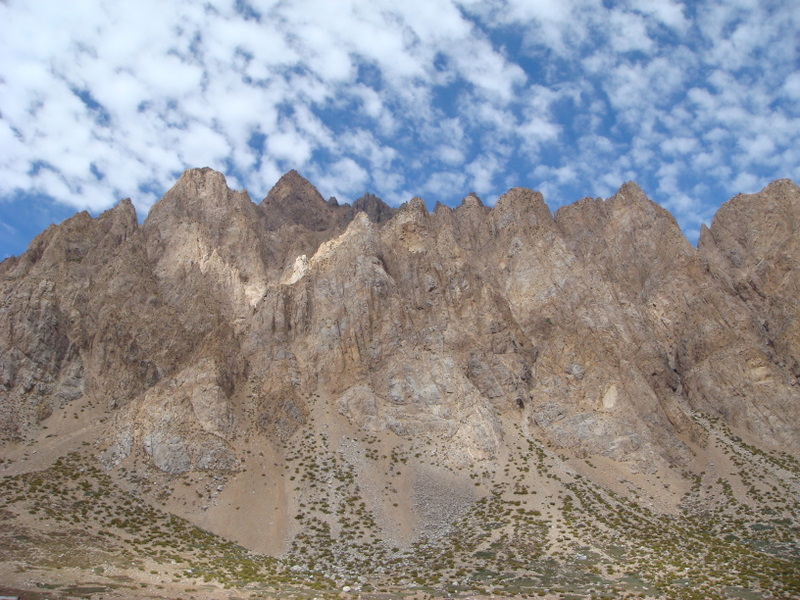
The Cathedral Peaks, Tibetan Plateau Tibet

The Cathedral Peaks, Tibetan Plateau Tibet

A jagged, sky-piercing ridge of weathered spires that rises from the high desert like a natural cathedral carved by wind and time.

Towering above the windswept high-altitude plains of the Tibetan Plateau, this dramatic ridge of serrated stone earns its nickname ‘The Cathedral’ through its unmistakable spire-like silhouette. Sun-bleached rock walls plunge from sharp summits down to scree slopes scattered with hardy alpine vegetation, creating a scene that feels both ancient and otherworldly.

The surrounding landscape is one of vast silence, where the only sounds are the wind racing across the plateau and the occasional clatter of loose stone. Travelers crossing this remote stretch of Tibet often pause here, struck by the sheer scale and the way light shifts across the limestone faces throughout the day.

Whether glimpsed from a passing 4×4 on the journey toward Everest Base Camp or admired from a roadside camp, the Cathedral peaks are a defining image of the raw, untamed beauty of the Tibetan highlands.

Highlights

  • Dramatic serrated ridgeline resembling a Gothic cathedral
  • Pristine high-altitude desert landscape above 4,000 meters
  • Crystal-clear Tibetan skies with sweeping cloud formations
  • Untouched wilderness with virtually no development

What to Do

  • Photograph the spires in golden hour light when shadows accentuate the jagged ridgeline
  • Hike across the scree slopes for closer views of the rock formations
  • Camp on the plateau for unforgettable stargazing under some of the clearest skies on Earth
  • Combine the visit with overland journeys to Everest Base Camp or Lhasa

Best Time to Visit

May to early October, when the high passes are clear of snow and skies are typically deep blue with minimal precipitation.

Getting There

Accessible only via overland 4×4 expedition from Lhasa or Shigatse along the Friendship Highway; permits and a licensed Tibetan guide are mandatory for foreign travelers.

Visitor Tips

  • Acclimatize for several days in Lhasa before venturing to higher elevations to avoid altitude sickness
  • Dress in layers — temperatures swing dramatically between sun and shade
  • Bring high-SPF sunscreen and UV sunglasses; the thin atmosphere intensifies sun exposure
  • Carry plenty of water and snacks, as services are extremely limited

Nearby

  • Everest Base Camp (North Side)
  • Rongbuk Monastery
  • Shigatse and Tashilhunpo Monastery
  • Friendship Highway scenic route

For travelers seeking landscapes that humble the soul, the Cathedral peaks of the Tibetan Plateau offer a glimpse into one of the planet’s last great wildernesses — a place where stone, sky, and silence converge into something truly sacred.

Location Map

The Cathedral Peaks, Tibetan Plateau Tibet Read More »

Scroll to Top